MARGE’S TRAVEL INSIGHTS
The Complete Guide to Caribbean Cruises
Discover everything you need to know about Caribbean cruises including the best islands to visit, cruise regions, popular itineraries, travel tips, and how to choose the perfect Caribbean cruise vacation.
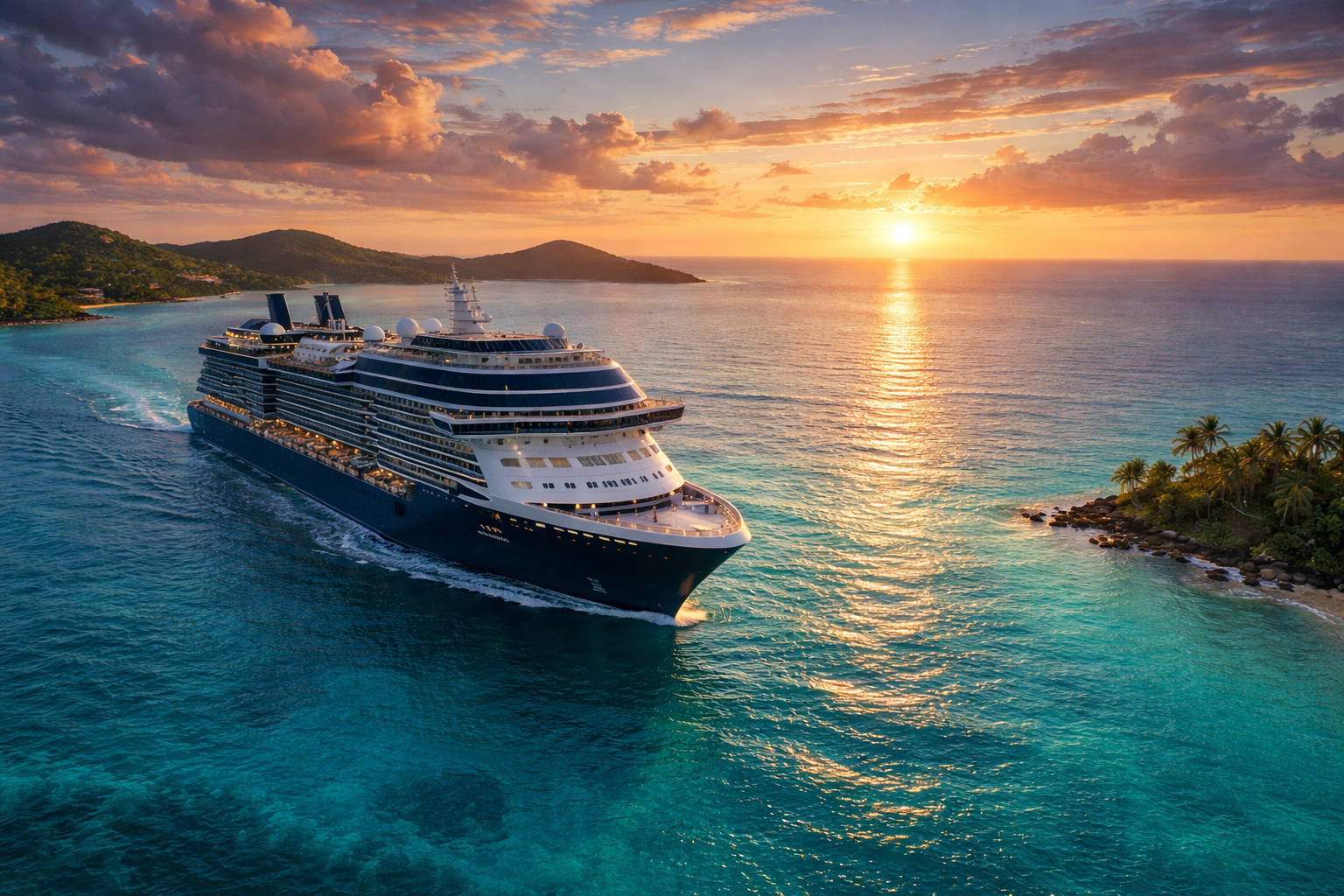
Few cruise destinations capture the imagination of travelers quite like the Caribbean. With its turquoise waters, sun-drenched beaches, vibrant cultures, and diverse island landscapes, the Caribbean has become the most popular cruise region in the world. For decades, travelers have been drawn to these tropical waters not only for relaxation but also for the incredible variety of experiences available across the islands.
A Caribbean cruise offers something that many vacations cannot easily replicate: the ability to explore multiple tropical destinations while enjoying the comfort of a floating resort. Instead of coordinating flights between islands, booking several hotels, and navigating unfamiliar transportation systems, travelers can unpack once and allow the ship to carry them from destination to destination.
One day might be spent snorkeling over coral reefs in crystal-clear water. The next day could involve walking through colorful island towns filled with local markets and historic architecture. Another port might invite travelers to relax on white sand beaches shaded by palm trees while the warm Caribbean breeze drifts across the shoreline.
This combination of exploration and relaxation is one of the reasons Caribbean cruises remain the most popular type of cruise vacation.
Another reason is accessibility. Many Caribbean cruises depart from major ports in Florida, Texas, and the southeastern United States. This makes the region easy to reach for travelers from across North America. Short flights or even drive-to ports allow many travelers to begin their vacation with minimal travel stress.
The Caribbean is also incredibly diverse. While travelers often think of the region as one destination, it is actually made up of dozens of islands and territories with unique cultures, cuisines, landscapes, and histories. Each island offers its own personality and experiences.
Some destinations are famous for their beaches and water activities. Others are known for colonial architecture, rainforest adventures, or vibrant cultural traditions. Because of this diversity, Caribbean cruises allow travelers to experience multiple cultures and environments in a single trip.
For travelers new to cruising, the Caribbean is often considered the ideal starting point.
The itineraries are easy to understand, the weather is generally warm year-round, and the destinations are welcoming to visitors. At the same time, experienced cruisers continue to return to the Caribbean because the region offers endless combinations of islands and experiences.
If you are new to cruising, you may also want to read The Complete Guide to Cruise Vacations, which explains how cruise travel works and how to choose the right cruise experience.
This guide will focus specifically on Caribbean cruising. We will explore the different Caribbean cruise regions, popular ports, the best times to sail, common itineraries, and tips for planning the perfect Caribbean cruise vacation.
Why Caribbean Cruises Are the Most Popular Cruise Vacation
The Caribbean consistently ranks as the most popular cruise destination in the world, and there are several reasons why travelers continue to choose it year after year.
The first reason is climate. The Caribbean enjoys warm temperatures throughout most of the year, making it an attractive escape from colder climates. Travelers from North America often choose Caribbean cruises during winter months when the islands provide sunshine and tropical warmth.
The region’s geography also makes it ideal for cruise itineraries. The Caribbean contains hundreds of islands spread across relatively short distances. This allows cruise ships to visit several destinations within a single itinerary without requiring long travel days between ports.
Another factor is the incredible variety of experiences available across the islands. While all Caribbean destinations share a tropical climate, each island offers something unique.
Some islands are famous for snorkeling and diving. Others feature historic towns with European architecture dating back centuries. Some islands highlight lush rainforests and waterfalls, while others offer world-renowned beaches and resort experiences.
This diversity means that even travelers who have visited the Caribbean multiple times can continue discovering new destinations.
Cruise ships also complement the Caribbean experience perfectly. Many ships are designed with outdoor spaces, pools, observation decks, and open-air lounges that allow guests to fully enjoy the warm climate and ocean views.
Dining, entertainment, and relaxation options onboard create a resort-like environment that enhances the tropical atmosphere.
For travelers seeking a balance between relaxation and adventure, Caribbean cruises offer one of the most enjoyable travel experiences available.
Eastern vs Western vs Southern Caribbean Cruises
One of the first things travelers discover when researching Caribbean cruises is that the region is divided into three primary cruise areas.
Each region offers different islands, cultures, and experiences.
Understanding these differences can help travelers choose the itinerary that best matches their interests.
Eastern Caribbean Cruises
Eastern Caribbean itineraries typically focus on islands located east of Puerto Rico and the Virgin Islands.
Common ports include:
St. Thomas
St. Maarten
San Juan
Tortola
Puerto Plata
These destinations are known for beautiful beaches, snorkeling, and colorful island towns influenced by both European and Caribbean cultures.
Eastern Caribbean cruises often appeal to travelers seeking classic tropical scenery combined with cultural exploration.
Western Caribbean Cruises
Western Caribbean cruises explore destinations located near Mexico and Central America.
Popular ports include:
Cozumel
Costa Maya
Roatán
Belize City
Grand Cayman
These destinations often focus heavily on outdoor adventure. Travelers may explore coral reefs, Mayan ruins, jungle landscapes, and wildlife encounters.
Western Caribbean cruises are especially popular with travelers interested in snorkeling, diving, and cultural excursions.
Southern Caribbean Cruises
Southern Caribbean cruises travel farther south and often include islands that are less frequently visited by mainstream itineraries.
Common ports include:
Aruba
Curacao
Bonaire
St. Lucia
Barbados
These islands often feature dramatic landscapes, vibrant cultural traditions, and stunning coastlines.
Southern Caribbean itineraries typically require slightly longer cruise lengths, but they offer some of the most beautiful destinations in the region.
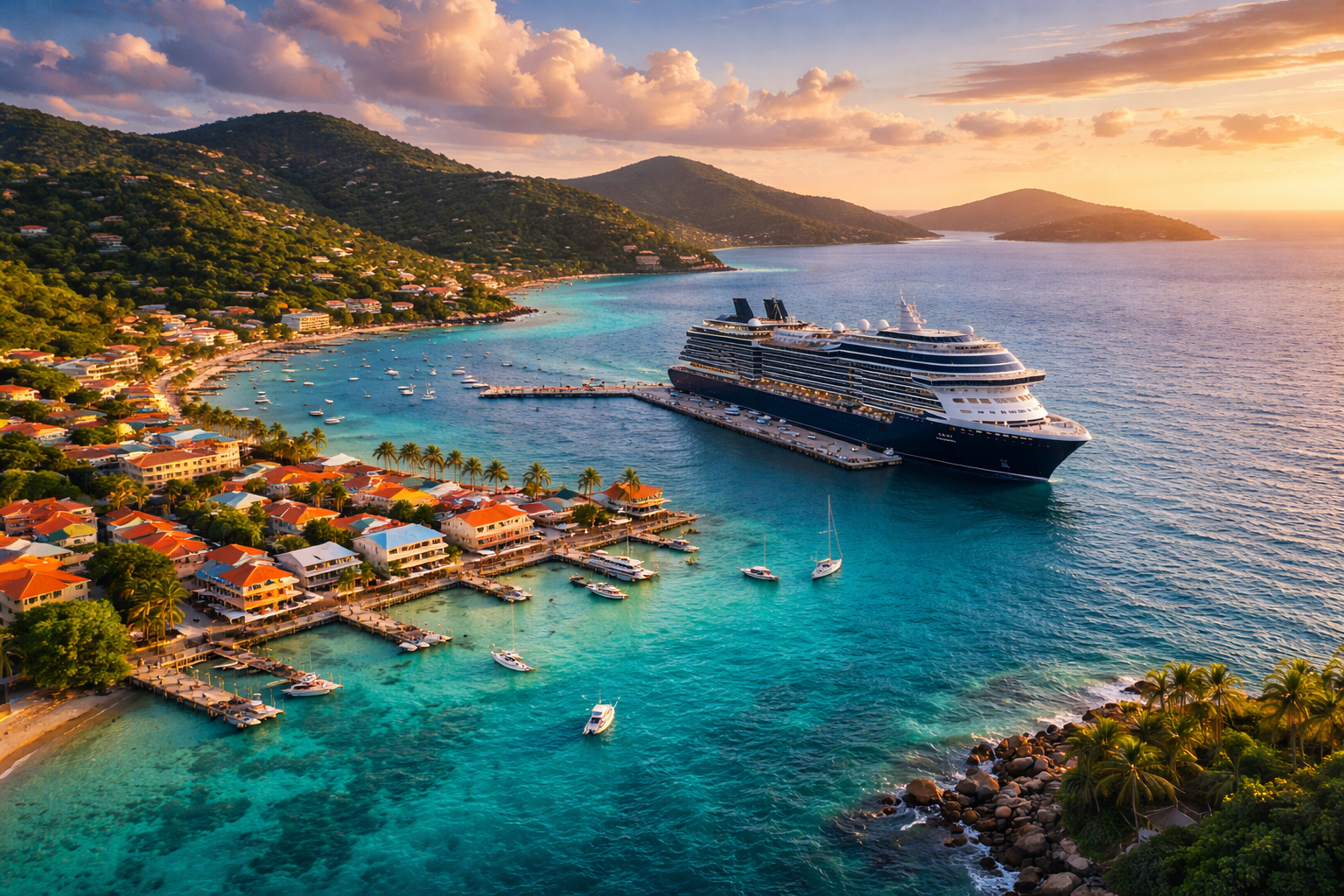
Best Caribbean Cruise Ports to Visit
While the Caribbean contains many beautiful destinations, several ports stand out as favorites among cruise travelers.
Cozumel
Located off the coast of Mexico’s Yucatán Peninsula, Cozumel is one of the most visited cruise ports in the Caribbean. The island is famous for its coral reefs, making it one of the best snorkeling and scuba diving destinations in the region.
Beyond water activities, travelers can explore Mayan ruins on the mainland or enjoy vibrant beach clubs along the island’s coastline.
St. Thomas
St. Thomas is part of the U.S. Virgin Islands and is known for its stunning beaches and scenic viewpoints. One of the most famous spots on the island is Magens Bay, often considered one of the most beautiful beaches in the Caribbean.
The island also offers excellent shopping and historic sites.
Grand Cayman
Grand Cayman is famous for its crystal-clear waters and the unique experience of swimming with stingrays at Stingray City.
Seven Mile Beach is another highlight, offering pristine sand and calm waters perfect for swimming and relaxation.
St. Maarten
St. Maarten is unique because the island is divided between two nations: the Dutch side (Sint Maarten) and the French side (Saint-Martin).
Travelers can experience two cultures in one destination, along with beautiful beaches, scenic drives, and vibrant waterfront towns.
Roatán
Roatán, located off the coast of Honduras, is part of the Mesoamerican Barrier Reef system, the second-largest coral reef system in the world.
The island is famous for snorkeling, diving, and wildlife encounters.
Nassau
Located in the Bahamas, Nassau is one of the most accessible Caribbean cruise ports.
The island offers beautiful beaches, historic colonial architecture, and famous attractions such as Atlantis Paradise Island.
Best Time of Year to Take a Caribbean Cruise
Timing can make a meaningful difference in the overall Caribbean cruise experience.
While the region is warm and inviting for much of the year, different seasons bring different advantages in terms of weather, pricing, crowds, and itinerary options. The best time to cruise the Caribbean depends less on a universal rule and more on the type of vacation the traveler wants.
Some travelers prioritize consistently sunny weather and calm seas. Others are more focused on budget, lower crowd levels, or finding the widest selection of available sailings. There are also travelers who want to avoid school-break rushes, while families may specifically want to cruise when school is out. Understanding how the calendar shapes the Caribbean cruise season helps travelers make smarter choices.
Winter Caribbean Cruises
Winter is one of the most popular times to cruise the Caribbean, especially for travelers escaping colder weather in the United States and Canada. From roughly December through March, Caribbean itineraries are in high demand because the islands offer sunshine, warm temperatures, and a tropical atmosphere that feels especially appealing during colder months.
For many travelers, winter cruising is ideal because the weather is often comfortable and relatively dry. This can make beach days, outdoor sightseeing, and water excursions especially enjoyable. Winter also tends to bring an energetic atmosphere onboard, especially around the holidays, when ships may feature festive décor and seasonal programming.
The tradeoff is that winter is usually one of the more expensive times to cruise the
Caribbean. Prices often rise during holiday weeks and peak vacation periods, and some sailings sell quickly. Travelers who want to cruise in winter often benefit from booking early.
Spring Caribbean Cruises
Spring is one of the strongest value seasons for Caribbean cruises. Travelers often find a nice balance between favorable weather and more moderate pricing, especially after the peak holiday rush fades. Temperatures remain warm, the beaches are still appealing, and many destinations are vibrant without feeling quite as compressed as peak winter weeks.
Spring itineraries can be especially attractive to couples, retirees, and travelers with flexible schedules who want pleasant weather without the very highest seasonal demand. Families also cruise during spring break periods, so some weeks may still feel busy, but the broader season can offer excellent options.
For many travelers, spring strikes the ideal middle ground between climate, crowd levels, and overall value.
Summer Caribbean Cruises
Summer Caribbean cruises are especially popular with families because school vacations make scheduling easier. Ships during summer months often have lively energy, strong family programming, and a festive onboard atmosphere. The region remains warm and inviting, and beach-focused itineraries continue to appeal strongly.
Summer can also offer good availability and a wide range of departure options, especially from popular embarkation ports in Florida. For travelers who want a classic tropical vacation with an active atmosphere, summer can work very well.
At the same time, summer is warmer and more humid, and it overlaps with hurricane season. That does not mean cruises are automatically risky or unpleasant during summer, but it does mean travelers should understand the seasonal context and consider travel protection.
Hurricane Season Considerations
Hurricane season in the Caribbean officially runs from June through November, with peak activity generally falling later in the season. This often causes concern for first-time cruisers, but it is important to understand how cruise lines handle weather. Ships are highly mobile, and cruise lines monitor weather systems carefully. When necessary, they adjust routes to avoid severe conditions.
The presence of hurricane season does not mean cruises stop operating or that a trip is likely to be ruined. However, it can mean itinerary changes are more possible during certain parts of the year. Travelers cruising during this period should build in flexibility and seriously consider travel insurance.
For some travelers, the lower pricing available during this season makes it worthwhile. For others, the reassurance of drier peak-season weather is worth paying more.
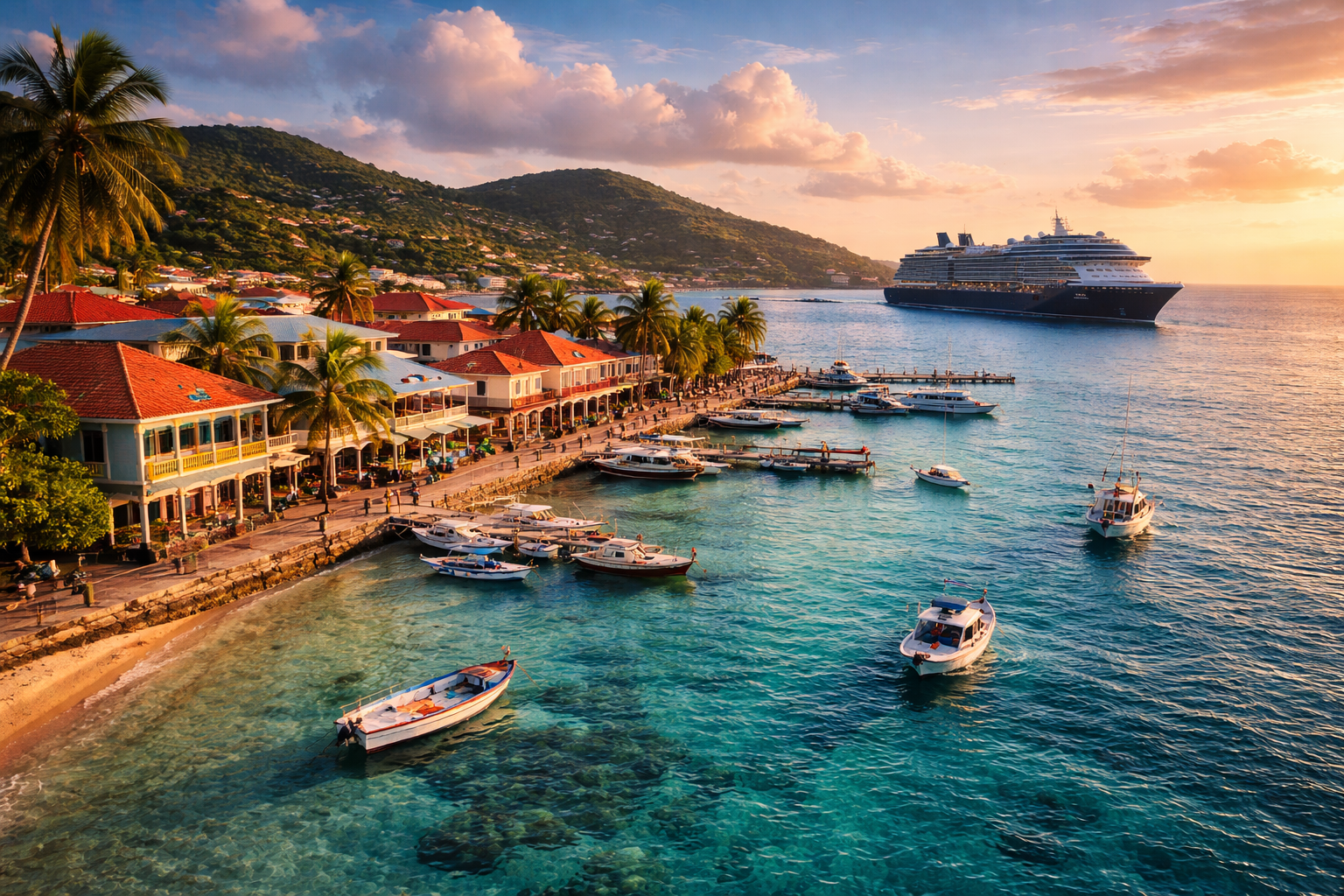
What Caribbean Cruise Itineraries Usually Look Like
Caribbean cruise itineraries vary by cruise line, ship, length, and departure port, but most follow a recognizable structure that blends sea days with port visits. Understanding that structure helps travelers choose sailings that match the pace they enjoy.
A shorter Caribbean cruise, such as a three- or four-night sailing, may include one or two ports and limited sea time. These itineraries often work well for first-time cruisers, quick getaways, or travelers who want to sample cruise life without committing to a full week.
A seven-night cruise is often considered the classic Caribbean format. These itineraries usually include three or four ports along with a few sea days. That balance gives travelers enough time to enjoy both the ship and the destinations, which is one reason seven-night sailings remain so popular.
Longer Caribbean cruises may reach deeper into the Southern Caribbean or include a broader mix of islands. These itineraries can feel more immersive and may appeal to travelers who want greater destination variety.
Travelers should also pay attention to itinerary flow, not just the list of ports. A schedule with too many intense port days in a row can feel tiring, while an itinerary with too many sea days may feel too slow for travelers who are destination-driven. The right itinerary is not simply the one with the most stops. It is the one with the best rhythm for the traveler.
Port arrival and departure times matter as well. A ship that arrives early and stays longer can create a more relaxed, rewarding experience than one with a very short stop.
Looking beyond the headline destinations often leads to better decisions.
Caribbean Shore Excursions Travelers Love
One of the greatest pleasures of a Caribbean cruise is stepping off the ship and discovering the personality of each island. Shore excursions are often where the destination comes alive. They allow travelers to move beyond the port area and experience the landscapes, activities, and local culture that make each stop distinct.
Snorkeling and Scuba Diving Excursions
The Caribbean is famous for crystal-clear water and vibrant marine life, so it is no surprise that snorkeling and scuba diving remain among the most popular shore excursion choices. Many islands offer access to coral reefs, colorful fish, and calm bays that are ideal for water exploration.
Destinations such as Cozumel, Roatán, and Bonaire are especially well known for underwater experiences. For travelers who enjoy marine life and warm water, these excursions can become the highlight of the cruise.
Beach and Resort Day Excursions
For some travelers, the ideal Caribbean port day is simple: a beautiful beach, warm sun, and clear water. Beach excursions often include transportation to a scenic shoreline or private beach club where guests can relax, swim, and enjoy food and drinks with minimal stress.
These excursions are especially appealing to travelers who want a low-pressure day rather than a structured tour. In the Caribbean, a well-chosen beach day can feel every bit as memorable as an active adventure.
Cultural and Historic Tours
Not every Caribbean destination is just about beaches. Many islands have fascinating colonial histories, diverse cultural influences, and important heritage sites. Cultural excursions may include walking tours through historic districts, visits to local markets, culinary tastings, museums, or guided storytelling about the island’s past and present.
These tours can add depth to a Caribbean cruise and are especially appealing to travelers who want more than scenery alone.
Adventure and Nature Experiences
Travelers seeking something more active will find plenty of options across the Caribbean. Zip-lining, ATV tours, rainforest hikes, waterfall visits, cave experiences, and wildlife encounters are common on many islands. These excursions appeal to travelers who want movement, excitement, and a stronger connection to the natural side of the region.
The most satisfying Caribbean cruise often includes a thoughtful mix of excursion types.
A highly active day in one port may pair well with a more relaxed beach stop in the next.
That balance helps keep the overall vacation enjoyable instead of exhausting.
Travelers who want to explore this topic more deeply should also read Shore Excursions Worth the Splurge.

How Much Caribbean Cruises Cost
One reason Caribbean cruises remain so popular is that they can deliver strong value across multiple budget levels. There are mainstream options, premium sailings, and more refined experiences, which means travelers can often find a Caribbean cruise that suits both their preferences and their financial comfort zone.
The cruise fare itself usually includes accommodations, transportation between ports, meals in the main dining venues and buffet, and a substantial amount of onboard entertainment. That bundled structure is one of the biggest financial advantages of cruise travel.
However, travelers should understand that the base fare is not always the full trip cost. Optional expenses can significantly affect the final budget, depending on the traveler’s style.
These may include:
specialty dining
alcoholic beverages
coffee packages
Wi-Fi
shore excursions
gratuities
spa services
shopping onboard
Travelers should also account for costs outside the ship itself, including airfare to the embarkation city, hotel stays before or after the cruise, transfers, parking, and travel insurance.
The smartest way to evaluate a Caribbean cruise is to think in terms of total vacation value, not just the advertised fare. A cruise that appears cheaper at first glance may not be the better option once extra costs are added. Another sailing may offer better itinerary quality, a better cabin category, or stronger overall value even if the initial price is slightly higher.
This is one reason personalized planning can be so helpful.
Tips for Booking the Best Caribbean Cruise
Choosing the right Caribbean cruise becomes easier when travelers approach the process strategically rather than emotionally reacting to the first itinerary that looks appealing.
The first step is identifying the kind of vacation desired. Some travelers want a beach-focused escape. Others want snorkeling, adventure, or cultural exploration. Some care most about the ship, while others are strongly destination-focused. Knowing which side of that equation matters more helps narrow the options quickly.
The second step is understanding cruise line personality. Not all ships feel the same, even when they sail to similar destinations. Some are family-focused and high-energy.
Others are more refined, adult-oriented, or destination-driven. Travelers unsure where to begin should read How to Choose the Right Cruise Line for Your Travel Style.
The third step is paying close attention to itinerary flow. It is not enough to look only at the port list. Travelers should consider how many sea days the cruise includes, how long the ship stays in each destination, and whether the pace feels balanced.
Cabin selection also deserves thoughtful attention. A balcony can be especially rewarding in the Caribbean, where ocean views and warm air are part of the appeal. At the same time, some travelers may be perfectly happy in an inside cabin if their priority is spending money on excursions or upgraded experiences elsewhere.
Booking early often leads to better cabin selection and more flexibility, especially for popular weeks and ship categories. Last-minute deals do exist, but they often come with less control.
Why Caribbean Cruises Are Perfect for First-Time Cruisers
The Caribbean is widely considered one of the best cruise regions for first-time travelers, and that reputation is well deserved.
One reason is ease. Caribbean itineraries are generally straightforward and familiar, and many depart from highly accessible ports. This reduces the complexity that sometimes makes first-time cruisers nervous.
Another reason is atmosphere. The Caribbean naturally delivers the kind of scenery many people imagine when they think of a cruise: warm weather, bright water, tropical islands, and relaxed vacation energy. That visual payoff matters. It helps first-time cruisers feel immediately excited and reassured that they made the right choice.
The region also offers enough destination variety to make the trip feel dynamic without being overwhelming. Travelers can enjoy beaches, shopping, water activities, local food, and scenic drives without needing to navigate extremely complicated logistics.
Caribbean cruises are also available across many ship sizes and cruise lines, which gives first-time travelers plenty of options. Whether someone wants a short getaway, a family-friendly experience, or a more polished sailing, the Caribbean usually offers a good starting point.
Travelers new to cruise travel may also benefit from reading The Complete Guide to Cruise Vacations: How to Choose the Right Cruise Experience, which explains how the broader cruise planning process works.

Planning Your Caribbean Cruise with Travel With McNellis
Choosing the right Caribbean cruise involves more than picking a tropical destination. Travelers also need to think about cruise line style, ship atmosphere, itinerary flow, cabin category, excursion priorities, and budget.
That is where expert guidance can make a major difference.
Travel With McNellis helps travelers sort through the many available options and focus on the cruises that best match their goals. Instead of sifting through endless sailings without context, travelers can receive recommendations tailored to their vacation style, schedule, and budget.
Some travelers want an easy, sun-filled family getaway. Others want a romantic island-hopping experience or a more elevated sailing with refined touches. The right Caribbean cruise depends on the person taking it.
That is why a personalized planning approach matters.
With the right itinerary, the right ship, and the right expectations, a Caribbean cruise can become far more than just a beach vacation. It can become an easy, memorable, and deeply enjoyable way to experience multiple destinations in one journey.
Key Takeaways
Caribbean cruises remain the most popular cruise vacations because they combine tropical beauty, destination variety, and convenient travel into one highly accessible format.
The Caribbean is not one single experience. Eastern, Western, and Southern itineraries all offer different kinds of islands, activities, and atmospheres. Choosing the right region matters.
Seasonal timing also matters. Winter and spring often offer ideal weather, while summer and fall may offer lower prices and different tradeoffs.
The best Caribbean cruise is not simply the cheapest or most advertised one. It is the sailing that best matches the traveler’s goals, preferred pace, and onboard style.
When chosen well, a Caribbean cruise can deliver one of the easiest and most rewarding vacations available.
Frequently Asked Questions
What is the best Caribbean cruise for first-time travelers?
A seven-night cruise from a major Florida port is often one of the best options for first-time cruisers because it offers a balanced mix of sea days, popular destinations, and a fuller sense of what cruising feels like.
When is the best time to cruise the Caribbean?
Winter and spring are often the most popular times because of warm weather and strong travel conditions, though the best time depends on a traveler’s budget, scheduling needs, and comfort with seasonal tradeoffs.
Are Caribbean cruises good for families?
Yes. Caribbean cruises are often ideal for families because they combine easy tropical destinations with a wide range of onboard activities, dining options, and entertainment for different age groups.
Do Caribbean cruises include food and entertainment?
Most cruise fares include meals in main dining venues, buffet access, and a wide range of entertainment. Specialty dining, premium drinks, Wi-Fi, and some activities may cost extra.
How long should a Caribbean cruise be?
Three- to five-night cruises work well for quick getaways, but seven-night cruises are often considered the best balance for travelers who want to enjoy both the ship and the destinations.