MARGE’S TRAVEL INSIGHTS
The Grand Canyon by Rail: History, Mystery, and the Canyon Spirit Experience
Planning a Grand Canyon vacation? Explore the canyon's fascinating history, mysterious legends, iconic viewpoints, and the luxury Canyon Spirit rail journey through the American Southwest.
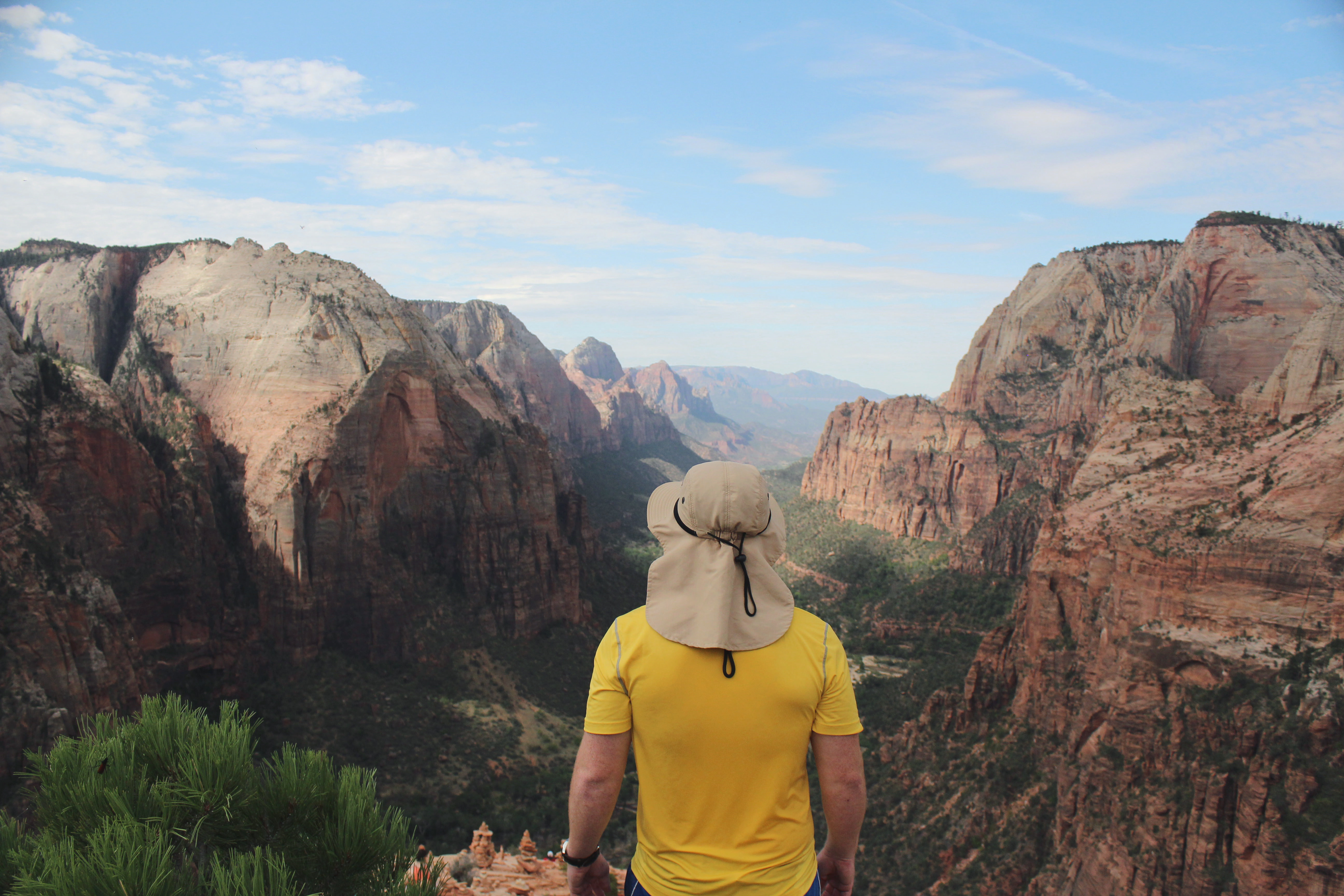
Why the Grand Canyon Continues to Fascinate Travelers
Few places on Earth inspire the same sense of wonder as the Grand Canyon.
Stretching approximately 277 miles across northern Arizona, reaching depths of over a mile, and revealing nearly two billion years of geological history, the Grand Canyon is far more than a scenic attraction. It is one of the world's most remarkable natural wonders and one of America's most iconic destinations.
Millions of visitors arrive every year to witness its breathtaking scale, yet photographs rarely prepare travelers for the reality of standing at the rim and gazing across an immense landscape carved by time itself.
The Grand Canyon is also a place where science, history, culture, and mystery intersect.
Ancient Indigenous civilizations called the region home long before European explorers arrived. Geologists continue to study its formation, while legends and stories surrounding hidden caves and restricted areas continue to fuel curiosity among travelers.
Today, one of the most memorable ways to experience this legendary landscape is by rail. Companies such as Canyon Spirit are redefining rail travel in North America, offering travelers an opportunity to immerse themselves in the dramatic scenery of the
American Southwest while enjoying premium service, exceptional dining, and a slower, more meaningful pace of travel.
Travelers interested in the growing popularity of rail vacations may also enjoy → The
Ultimate Guide to Luxury Train Travel Around the World and → What Luxury Train Travel Is Really Like for First-Time Travelers.
The History of the Grand Canyon
Long before it became a national park, the Grand Canyon was home to Indigenous peoples who developed deep cultural and spiritual connections to the land.
Archaeological evidence suggests humans have lived in and around the canyon for thousands of years.
Several tribes maintain strong ties to the region today, including:
Havasupai
Hualapai
Hopi
Navajo
Paiute
Zuni
These communities view the canyon not simply as a geological formation but as a sacred landscape intertwined with their history, traditions, and identity.
Early European Exploration
The first documented European encounter with the Grand Canyon occurred in 1540 when Spanish explorers searching for the legendary Seven Cities of Gold reached its rim.
What they discovered was not unimaginable wealth but an enormous geological wonder that would remain largely unexplored by Europeans for centuries.
John Wesley Powell and Scientific Exploration
One of the most significant figures in Grand Canyon history was John Wesley Powell.
In 1869, Powell led a historic expedition down the Colorado River through the canyon, documenting its geology and helping introduce the region to the broader American public.
His journey remains one of the greatest exploration stories in North American history.
Becoming a National Park
President Theodore Roosevelt became one of the Grand Canyon's strongest advocates.
After visiting the canyon, he famously urged Americans to leave it untouched for future generations.
His efforts ultimately helped pave the way for the Grand Canyon's designation as a national park in 1919.
Today, Grand Canyon National Park welcomes millions of visitors annually while protecting one of the planet's most extraordinary landscapes.
How Was the Grand Canyon Formed?
One of the most fascinating aspects of the Grand Canyon is its age.
The rocks visible within the canyon walls tell a story spanning nearly two billion years.
Scientists generally agree that the canyon's formation involved several key factors:
Uplift of the Colorado Plateau
Movement of tectonic plates
Changes in climate
Erosion by the Colorado River
The Colorado River Theory
The most widely accepted explanation is that the Colorado River gradually carved through layers of rock over millions of years.
As the Colorado Plateau rose, the river continued cutting downward, creating the immense canyon visible today.
Water, ice, wind, and gravity all contributed to shaping the landscape.
Ongoing Scientific Debate
While the river-carving theory is widely accepted, scientists continue debating specific details regarding exactly when portions of the canyon formed.
Some studies suggest sections may be significantly older than previously believed.
The Grand Canyon remains one of geology's most fascinating puzzles, and research continues to reveal new insights into its origins.
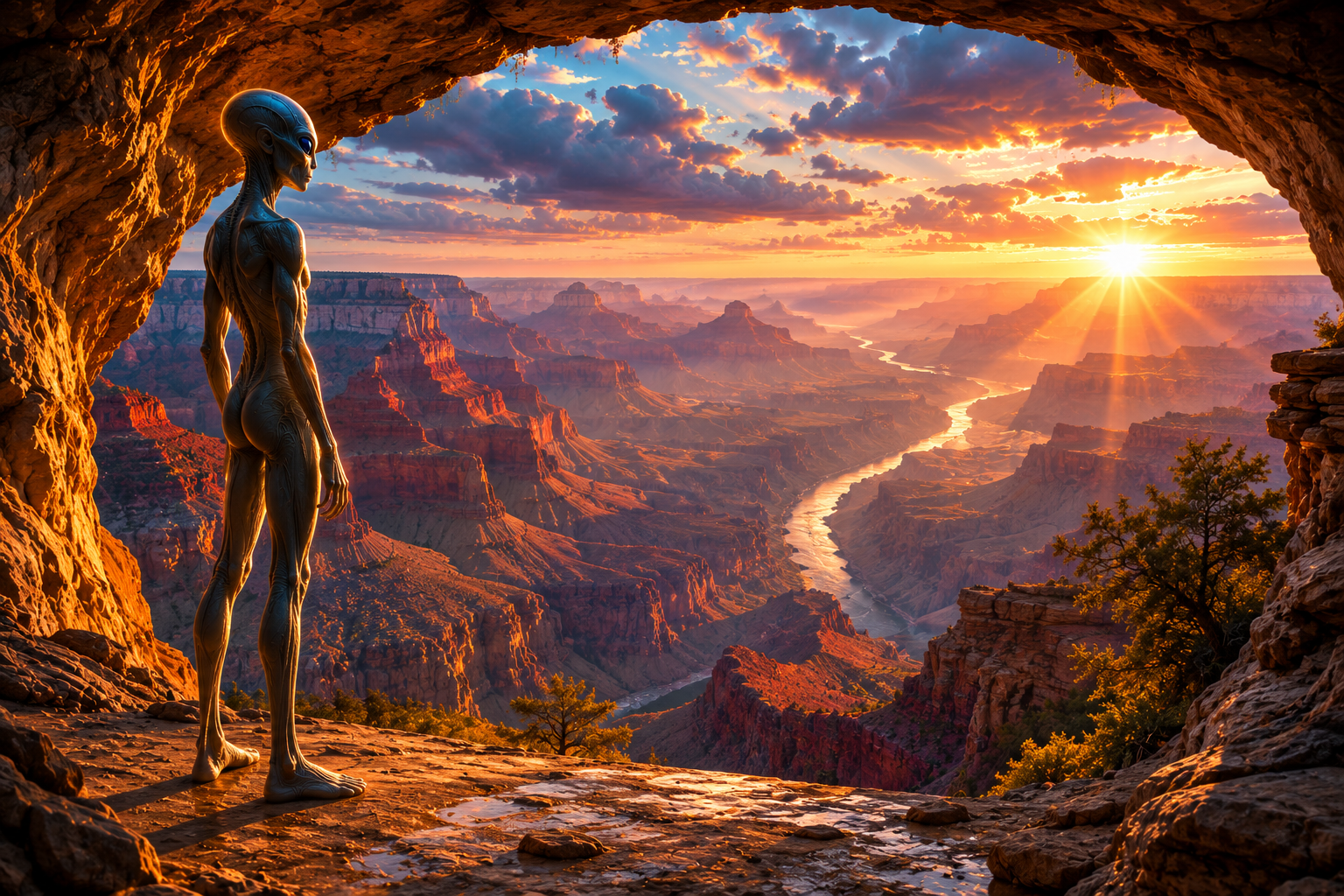
The Mysteries of the Grand Canyon
Few natural landmarks have generated as many legends and mysteries as the Grand Canyon.
Its immense size, inaccessible areas, and rich history have inspired countless stories.
Why Are Some Areas Closed to Visitors?
One question frequently asked by travelers is why certain areas of the Grand Canyon remain inaccessible to the public.
The answer is usually far less mysterious than many online theories suggest.
Several areas are restricted because they contain:
Sacred tribal lands
Fragile ecosystems
Sensitive archaeological sites
Dangerous terrain
Protected wildlife habitats
Many sections are managed in cooperation with Indigenous communities to preserve culturally significant locations.
The Legends and Conspiracy Theories
Over the years, stories have circulated involving:
Hidden caves
Ancient civilizations
Lost treasures
Secret archaeological discoveries
Government coverups
One of the most famous stories involves an alleged 1909 newspaper article claiming
Egyptian artifacts were discovered in a hidden cave within the canyon.
Despite decades of speculation, no credible evidence has ever verified these claims.
Still, these stories continue to capture imaginations and add to the canyon's mystique.
Why the Mystery Endures
The Grand Canyon contains vast areas rarely visited by humans.
Its scale makes it easy to understand why myths persist.
When standing at the rim, travelers often realize there are countless hidden corners, side canyons, and remote regions that few people will ever see.
That sense of mystery remains part of the canyon's enduring appeal.
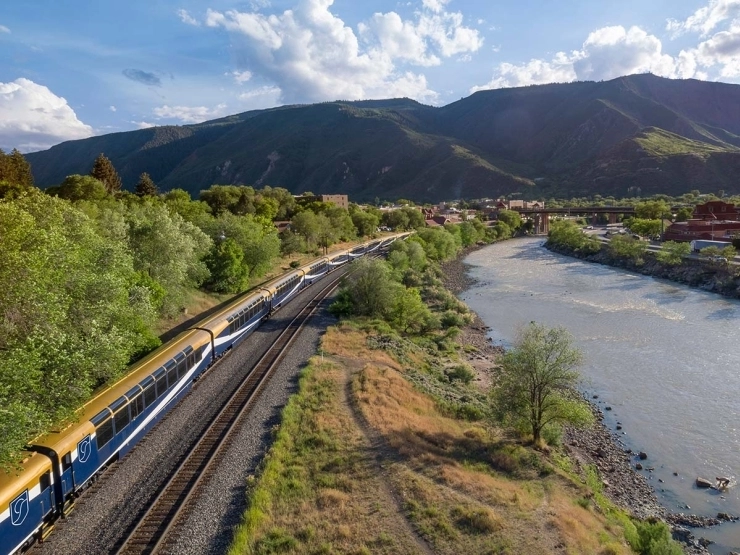
Why Rail Travel Is One of the Best Ways to Experience the American Southwest
Modern travel often emphasizes speed.
Airports, highways, and packed itineraries encourage travelers to move as quickly as possible.
Rail travel offers something different.
It allows travelers to slow down and truly experience a destination.
As discussed in → Luxury Train Travel vs River Cruises: Which Experience Is Right for You?, the journey itself becomes part of the adventure.
Instead of rushing between attractions, passengers enjoy ever-changing scenery from the comfort of their seats.
This approach is particularly well-suited to the American Southwest.
The region's landscapes are among the most dramatic in North America.
Travelers witness:
Desert plateaus
Red rock formations
Deep canyons
Mountain ranges
Historic towns
Vast open landscapes
Many of these views are best appreciated slowly.
Rail travel creates opportunities to absorb the scenery in ways that flying simply cannot match.
Introducing Canyon Spirit
Formerly operating under the Rocky Mountaineer brand in the American Southwest, Canyon Spirit has quickly established itself as one of North America's most exciting rail experiences.
The company specializes in daylight-only luxury rail journeys through some of the Southwest's most spectacular landscapes.
Unlike traditional train travel, Canyon Spirit focuses on sightseeing, comfort, and premium service.
Passengers travel during daylight hours, maximizing opportunities to enjoy the scenery before spending evenings in carefully selected hotel accommodations along the route.
The result is a seamless travel experience combining rail exploration with comfortable overnight stays.
What Makes Canyon Spirit Different?
Canyon Spirit is designed for travelers who value experiences over speed.
Every aspect of the journey focuses on immersion.
Guests enjoy:
Panoramic windows
Comfortable seating
Regional cuisine
Professional hosts
Storytelling and commentary
Exceptional scenery
Rather than treating transportation as a necessity, Canyon Spirit transforms it into the highlight of the vacation.
For many travelers, the train journey becomes just as memorable as the Grand Canyon itself.
What It's Like Onboard Canyon Spirit
The onboard experience emphasizes comfort, hospitality, and scenery.
Passengers spend their days relaxing, dining, socializing, and watching the landscapes unfold outside enormous windows.
Signature Experience
The Signature level offers:
Spacious seating
Large viewing windows
Locally inspired meals
Complimentary beverages
Engaging onboard hosts
This option provides an excellent balance between comfort and value.
Premier Upgrade
Travelers seeking an elevated experience may choose the Premier upgrade.
Benefits include:
Enhanced seating
Expanded dining options
Premium beverages
Dedicated service
Additional comfort features
Many travelers consider the Premier experience worthwhile, particularly on longer itineraries.
Dining Onboard
Canyon Spirit showcases regional flavors inspired by the American Southwest.
Guests enjoy freshly prepared meals while watching extraordinary landscapes pass outside their windows.
Dining becomes part of the overall experience rather than simply a meal between destinations.
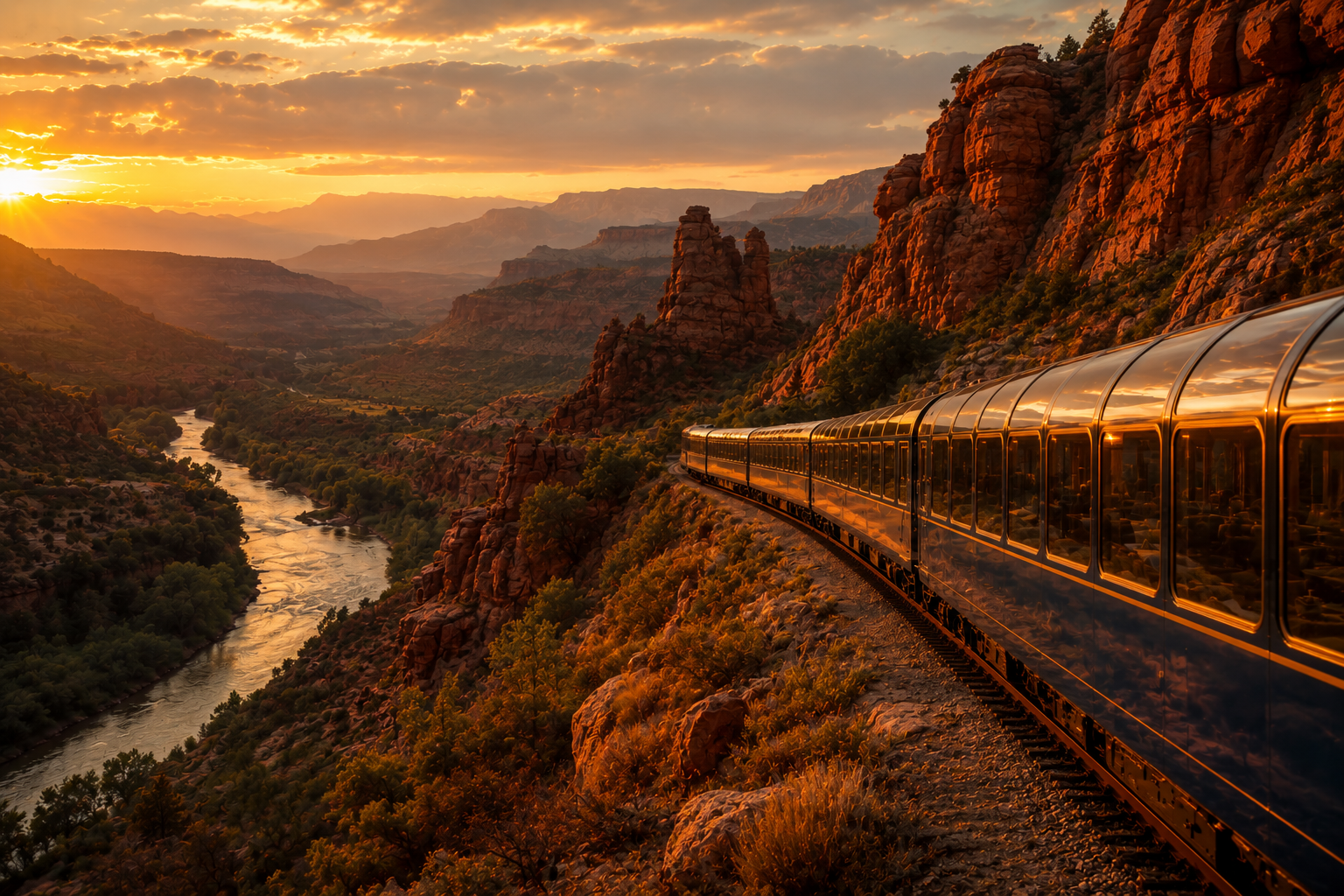
The Spectacular Canyon Spirit Route Through the American Southwest
One of the greatest strengths of Canyon Spirit is the route itself.
The American Southwest is home to some of North America's most visually stunning landscapes, and Canyon Spirit has carefully designed its journeys to showcase these remarkable environments.
Travelers are treated to ever-changing scenery that includes:
Towering red rock formations
Deep river canyons
Rugged desert plateaus
Historic railroad corridors
Mountain vistas
Remote wilderness areas
Unlike highway travel, where drivers must focus on the road, rail passengers can fully immerse themselves in the landscape.
The large panoramic windows create a moving viewing platform unlike anything else in
North American travel.
Many guests find themselves spending hours simply watching the scenery unfold.
The Connection Between Rail Travel and the Grand Canyon
For over a century, trains have played an important role in Grand Canyon tourism.
Before automobiles became common, rail travel represented one of the primary ways visitors reached the canyon.
Historic rail routes helped introduce the Grand Canyon to travelers from across North America and beyond.
Today's luxury rail journeys continue that tradition while adding modern comfort and service.
Travelers experience the same dramatic landscapes that early explorers and visitors encountered, but with significantly more comfort.
The result is a deeper connection to the region's history and geography.
Grand Canyon Viewpoints You Shouldn't Miss
Every visitor quickly discovers that there is no single "best" view of the Grand Canyon.
Different viewpoints reveal different aspects of its immense scale and beauty.
Mather Point
One of the most popular viewpoints in the park.
Mather Point provides spectacular panoramic views and is often the first location many visitors experience.
Sunrise here can be particularly memorable.
Yavapai Point
Known for exceptional geological visibility, Yavapai Point offers outstanding opportunities to appreciate the canyon's immense depth.
Interpretive displays help visitors understand the layers of rock visible throughout the landscape.
Desert View Watchtower
Located on the South Rim, Desert View offers expansive views extending far beyond the canyon itself.
The historic watchtower adds a unique architectural element to the experience.
Hopi Point
One of the best locations for sunset photography.
The changing colors across the canyon walls create unforgettable scenes as daylight fades.
Photography Opportunities You Won't Want to Miss
The Grand Canyon is one of the world's premier photography destinations.
Professional photographers and casual travelers alike quickly discover that every hour of the day creates entirely different visual experiences.
Sunrise Photography
Early morning light often produces:
Soft shadows
Warm colors
Clear visibility
Reduced crowds
Sunrise is widely considered one of the best times to photograph the canyon.
Sunset Photography
As the sun lowers, the canyon transforms dramatically.
Reds, oranges, purples, and golds illuminate the cliffs and rock formations.
Many visitors describe sunset as the most emotionally powerful time to experience the canyon.
Weather Creates Drama
Don't automatically assume clear skies produce the best photographs.
Storms, clouds, and changing weather often create the most dramatic images.
Light rays breaking through storm clouds can transform the landscape into something truly extraordinary.
Onboard Canyon Spirit
Some of the best photographs may actually occur before reaching the Grand Canyon.
The train journey itself provides countless opportunities to capture:
Red rock formations
Desert landscapes
River valleys
Historic rail corridors
Wildlife sightings
Travelers interested in scenic rail photography may also enjoy → The Most Scenic Luxury
Train Journeys in Europe.
Best Time to Visit the Grand Canyon
The Grand Canyon can be visited year-round, but each season offers distinct advantages.
Spring
Spring provides:
Comfortable temperatures
Wildflowers
Moderate crowds
Excellent visibility
Many experienced travelers consider spring one of the best times to visit.
Summer
Summer is the busiest season.
Advantages include:
Long daylight hours
Full park access
Family-friendly travel schedules
Travelers should be prepared for high temperatures, especially below the rim.
Fall
Fall offers:
Pleasant temperatures
Smaller crowds
Excellent photography conditions
Many visitors consider autumn ideal for both sightseeing and rail travel.
Winter
Winter creates a completely different experience.
Snow occasionally dusts the canyon rim, creating stunning contrasts against the red rock formations.
Crowds are significantly lower than during peak season.
Tips for First-Time Grand Canyon Visitors
Proper preparation can dramatically improve your experience.
Stay Hydrated
The dry desert climate can lead to dehydration quickly.
Carry water and drink regularly, even when temperatures seem moderate.
Dress in Layers
Temperatures can change dramatically throughout the day.
Morning and evening temperatures may differ significantly from afternoon conditions.
Respect the Canyon
The Grand Canyon's scale can be deceptive.
Distances often appear shorter than they actually are.
Always follow posted safety guidelines and remain aware of your surroundings.
Arrive Early
Popular viewpoints become crowded during peak travel periods.
Early mornings often provide the best combination of lighting and smaller crowds.
Bring a Good Camera
The Grand Canyon is one destination where you'll likely regret relying solely on your smartphone.
Even casual photographers often return home with incredible images.
Canyon Spirit's 2026 Savings Opportunities
For travelers considering a Canyon Spirit adventure in 2026, current promotions offer significant value.
Final Call Savings
Travelers booking eligible 2026 packages can save:
Up to $717 USD per couple ($358 USD per person) when booking the Signature experience with a Premier upgrade.
Up to $500 USD per couple ($250 USD per person) on eligible Signature experience packages.
Return Journey Savings
Travelers booking return journeys can effectively double their promotional savings.
This makes longer rail adventures particularly attractive for those seeking a deeper Southwest experience.
Summer Offer
One of the most exciting promotions available provides:
Three days onboard for the price of two
Travelers booking eligible July or August 2026 departures can receive additional savings valued at approximately:
$825 USD per couple
$412 USD per person
Combined with the Final Call offer, the savings become even more compelling.
Booking Deadline
Current promotional offers are scheduled to end on:
June 18, 2026
As with many premium rail experiences, availability can become limited as departure dates approach.
Why Canyon Spirit Is Becoming One of North America's Most Exciting Rail Journeys
Luxury rail travel continues to grow in popularity around the world.
Many travelers are seeking alternatives to crowded airports, rushed itineraries, and highly structured vacations.
Canyon Spirit aligns perfectly with this trend.
The experience offers:
Extraordinary scenery
Premium service
Regional cuisine
Comfortable accommodations
A slower pace of travel
Access to iconic destinations
For many travelers, it delivers something increasingly rare:
The opportunity to simply enjoy the journey.
As discussed in → The Ultimate Guide to Luxury Train Travel Around the World, rail travel often creates stronger memories because travelers remain fully engaged with the landscapes they are moving through.
Rather than rushing between destinations, they become part of the experience.
Why the Grand Canyon and Canyon Spirit Belong on Every Rail Traveler's Bucket List
Few destinations combine natural beauty, history, mystery, and adventure quite like the Grand Canyon.
Few rail journeys showcase the American Southwest as effectively as Canyon Spirit.
Together, they create a travel experience that appeals to:
Nature lovers
History enthusiasts
Photographers
Luxury travelers
Rail enthusiasts
First-time visitors to the Southwest
The Grand Canyon reminds us of nature's incredible power.
Canyon Spirit reminds us that the journey can be every bit as rewarding as the destination.
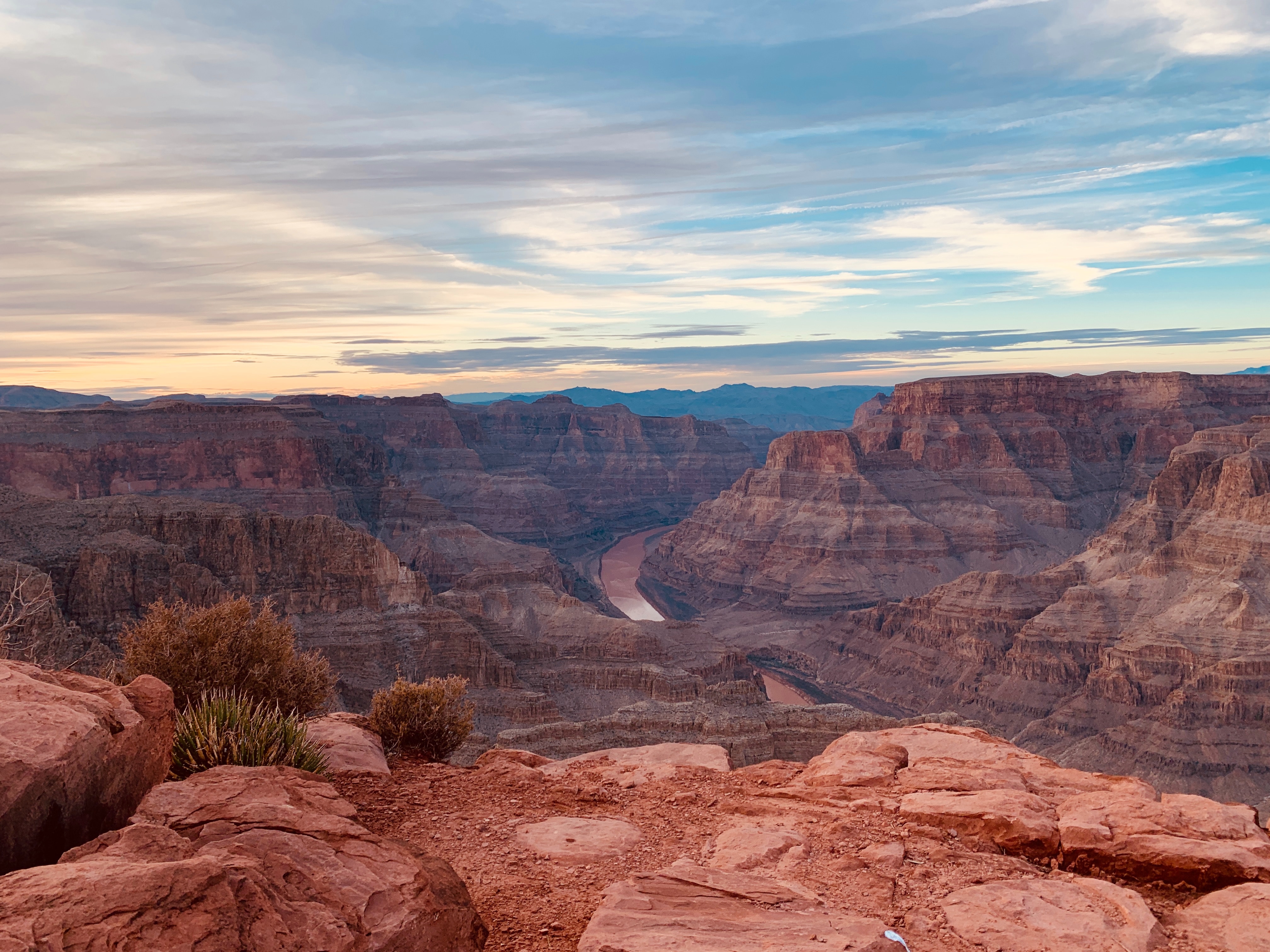
Experience the Grand Canyon the Way It Was Meant to Be Seen
There are many ways to visit the Grand Canyon.
You can drive to a viewpoint, take a bus tour, or spend a few hours exploring the park.
But experiencing the American Southwest by rail offers something fundamentally different.
It transforms the journey into part of the adventure.
From dramatic red rock landscapes and historic rail corridors to panoramic canyon views and exceptional onboard service, Canyon Spirit delivers an experience that stays with travelers long after they return home.
At Travel With McNellis, we help travelers discover extraordinary journeys around the world, including luxury rail vacations, river cruises, ocean cruises, resorts, and custom itineraries tailored to their interests and travel goals.
If the Grand Canyon, Canyon Spirit, and the breathtaking landscapes of the American Southwest are calling your name, now may be the perfect time to take advantage of the available 2026 savings and begin planning your next unforgettable adventure.
The canyon has been waiting millions of years.
Your seat onboard Canyon Spirit may not wait nearly as long.
Key Takeaways
The Grand Canyon reveals nearly two billion years of geological history.
Indigenous peoples have lived in and around the canyon for thousands of years.
Certain canyon areas are restricted to protect sacred lands, archaeological sites, wildlife habitats, and fragile ecosystems.
Canyon Spirit offers a premium daylight rail experience through the American Southwest.
Large panoramic windows, regional cuisine, and exceptional service make the journey a highlight of the vacation.
Spring and fall are often considered the best seasons to visit the Grand Canyon.
Sunrise and sunset provide the most dramatic photography opportunities.
Current 2026 Canyon Spirit promotions include savings of up to $1,000 CAD per couple plus additional summer travel offers.
Rail travel provides a unique perspective of the Southwest that many travelers never experience.
Canyon Spirit is quickly becoming one of North America's premier luxury rail experiences.
Frequently Asked Questions
How long does it take to visit the Grand Canyon?
Many visitors spend one to three days exploring the Grand Canyon, though longer stays provide more opportunities to experience viewpoints, trails, and nearby attractions.
Is Canyon Spirit a luxury train?
Yes. Canyon Spirit focuses on premium rail travel experiences featuring enhanced service, regional dining, panoramic views, and comfortable seating.
Why are some areas of the Grand Canyon closed to the public?
Restricted areas help protect tribal lands, archaeological sites, wildlife habitats, and environmentally sensitive regions.
What is the best time of year to visit the Grand Canyon?
Spring and fall typically offer the best combination of comfortable temperatures, excellent visibility, and manageable crowds.
Is Canyon Spirit suitable for first-time rail travelers?
Absolutely. Canyon Spirit provides an accessible introduction to luxury rail travel while showcasing some of North America's most spectacular scenery.
Can Canyon Spirit be combined with other travel experiences?
Yes. Many travelers combine rail journeys with Southwest tours, national park visits, cruises, and other bucket-list experiences.
How far in advance should I book Canyon Spirit?
Because availability can become limited, booking several months in advance is generally recommended, particularly when promotional offers are available.