MARGE’S TRAVEL INSIGHTS
Travel Tip: Navigating Currency Exchange Without Losing Money
Learn how to avoid hidden fees and bad exchange rates when traveling abroad. Smart currency exchange tips for international travelers.
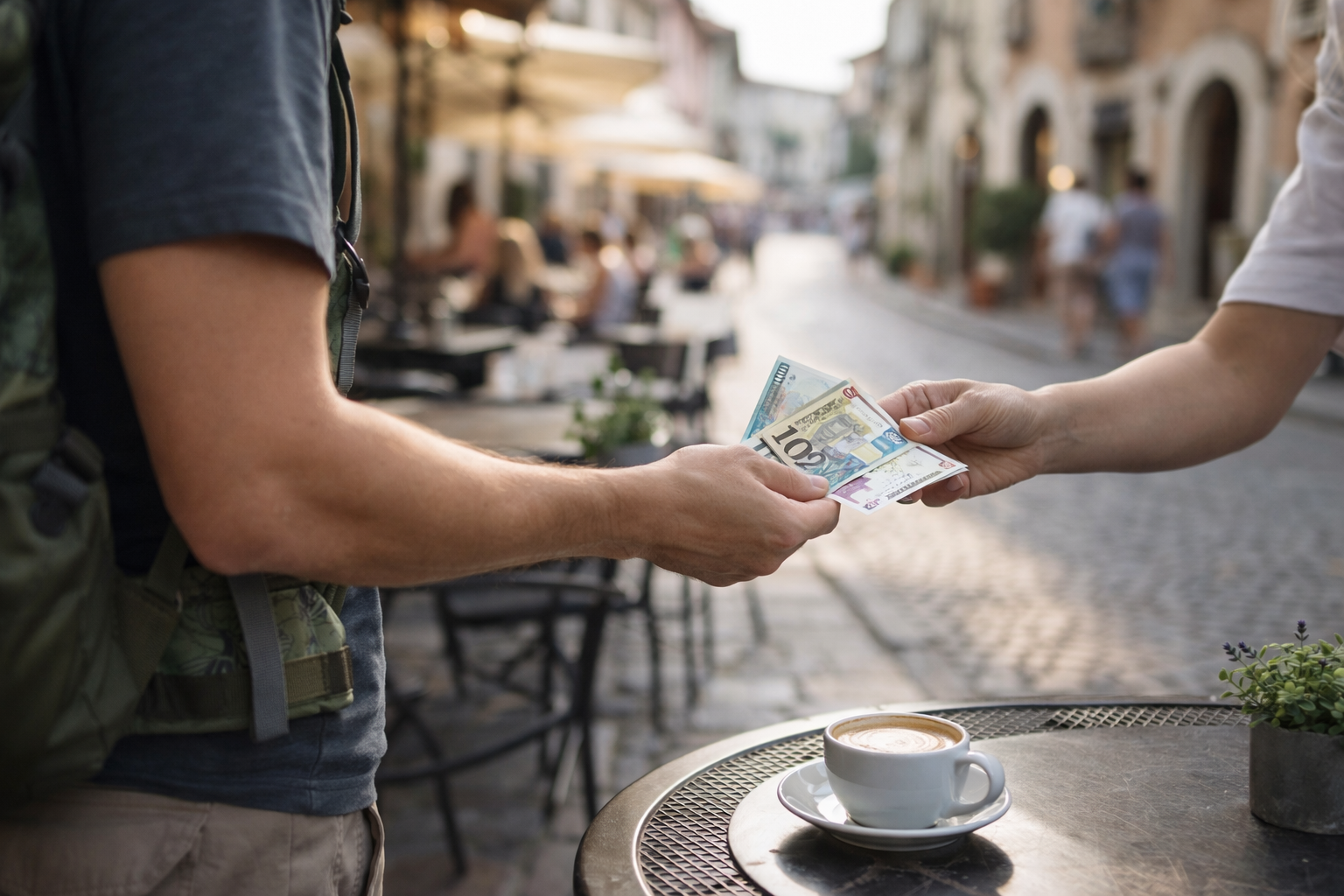
Why Currency Exchange Matters More Than Most Travelers Realize
When planning an international trip, travelers often focus on flights, hotels, and excursions—but one detail that can quietly drain your budget is currency exchange.
Between airport kiosks, hidden bank fees, poor exchange rates, and international transaction charges, travelers can easily lose 5–15% of their travel money without realizing it.
The good news? With a little planning, you can keep more of your travel budget where it belongs—in your experiences, not in fees.
Understanding Exchange Rates
Before exchanging money, it's important to understand how exchange rates work.
Banks and currency services rarely give the exact market rate you see online. Instead, they add a markup, which is how they make money.
For example:
The real rate might be $1 USD = €0.86
A currency exchange booth might offer $1 USD = €0.80
That small difference can add up quickly.
Avoid Airport Currency Exchange Booths
One of the most common travel mistakes is exchanging large amounts of money at airport kiosks.
Airport currency counters typically charge:
Higher markups
Service fees
Less competitive rates
They rely on convenience and urgency.
Better Approach
Exchange a small emergency amount if needed, then use an ATM at your destination for better rates.
Use ATMs in Your Destination Country
Using an ATM after arriving is usually the most cost-effective way to get local currency.
Most ATMs use the interbank exchange rate, which is far closer to the real market value.
Tips for Using ATMs Abroad
Use ATMs located at banks or inside airports
Avoid standalone machines in tourist areas
Withdraw larger amounts to minimize ATM fees
Notify your bank before traveling
Always Choose the Local Currency When Paying
Many travelers don’t realize they are accidentally paying extra due to something called Dynamic Currency Conversion (DCC).
When paying with a credit card abroad, the terminal may ask:
“Would you like to pay in USD or local currency?”
Always choose local currency.
If you select USD, the merchant’s payment processor sets the exchange rate—often adding 3–10% markup.
Use a Travel-Friendly Credit Card
A travel credit card with no foreign transaction fees is one of the easiest ways to save money abroad.
Many standard cards charge 3% per transaction when used internationally.
Look for cards that offer:
No foreign transaction fees
Travel rewards or points
Strong fraud protection
These cards typically use competitive exchange rates automatically.
Exchange Small Amounts Ahead of Time
While it’s not necessary to exchange large amounts before your trip, having a small amount of local currency before arrival can help.
You may need it for:
Taxis
Tips
Small purchases
Transportation tickets
Your bank can usually order foreign currency at better rates than airport counters.
Track Currency Trends Before Your Trip
Exchange rates fluctuate daily.
If you're planning a major trip months in advance, keeping an eye on the exchange rate can help you decide when to convert funds.
Even small changes can affect your overall budget.
For example:
A stronger dollar means your travel money goes further
A weaker dollar means your destination becomes more expensive
Consider Multi-Currency Travel Cards
Some travelers use prepaid travel cards that allow you to hold multiple currencies.
These can be useful for:
Long international trips
Multi-country travel
Budget tracking
However, check the fees carefully before choosing this option.
Use Cash Strategically
While cards are widely accepted in many countries, some situations still require cash:
Local markets
Small restaurants
Taxi drivers
Street vendors
Tips
A balanced approach works best: cards for large purchases and cash for small ones.
Why Smart Travelers Plan Currency Strategy
Many travelers lose money simply because they never think about exchange strategy.
A few smart habits can make a significant difference:
Avoid airport exchange counters
Use bank ATMs abroad
Pay in local currency
Choose the right credit card
Monitor exchange rates before traveling
These small decisions can add hundreds of dollars back into your travel budget.
Travel Smarter with Travel With McNellis
At Travel With McNellis, we help travelers plan trips that are not only unforgettable—but also financially smart.
From choosing the best destinations for your budget to navigating travel logistics like currency exchange, transportation, and timing, expert planning helps travelers avoid costly mistakes.
If you’re planning an international trip, we can help design a seamless itinerary that maximizes value and minimizes stress.