MARGE’S TRAVEL INSIGHTS
Mediterranean Cruise Travel Guide: Exploring Europe by Sea
Discover the best Mediterranean cruises, iconic ports like Rome, Santorini, and Barcelona, and expert tips for choosing the right European cruise itinerary.
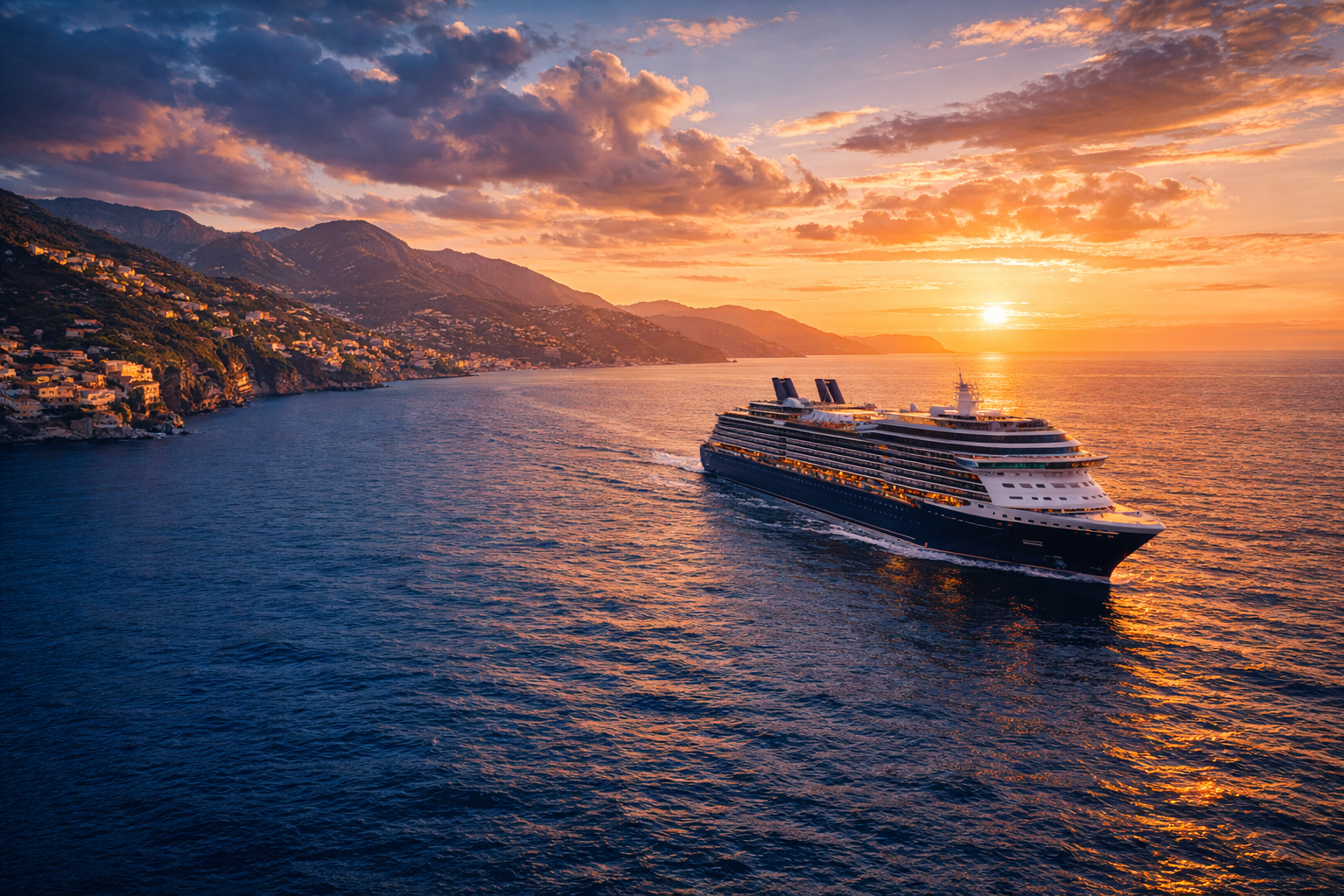
Few travel experiences capture the imagination quite like sailing through the Mediterranean. For centuries, the Mediterranean Sea has connected cultures, civilizations, and trade routes across Europe, North Africa, and the Middle East. Today, it remains one of the most captivating regions in the world for travelers seeking history, cuisine, architecture, and coastal beauty.
Mediterranean cruises offer an extraordinary way to explore this region because they combine multiple countries and iconic cities into a single journey. Instead of coordinating flights between destinations, managing multiple hotels, and navigating complex transportation networks, travelers can unpack once and allow the ship to carry them from port to port.
One morning might begin with coffee overlooking the cliffs of Santorini. The next day could involve exploring the ancient streets of Rome or wandering through colorful markets in Barcelona. Each port offers its own culture, language, flavors, and traditions, creating a travel experience that feels both diverse and deeply connected.
For travelers who enjoy combining relaxation with exploration, Mediterranean cruising offers an ideal balance. Days at sea provide time to rest, enjoy the ship, and watch the changing horizon, while port days deliver some of the most fascinating destinations in Europe.
Travelers who are still deciding whether cruising is the right travel style may want to begin with a broader overview of cruise travel in → The Complete Guide to Cruise Vacations: How to Choose the Right Cruise Experience.
This Mediterranean guide focuses specifically on the region itself. It will explore the different Mediterranean cruise routes, the most popular ports, the best times to sail, and what travelers should expect when planning a cruise through one of the most historically rich regions in the world.
Why Mediterranean Cruises Are So Popular
Mediterranean cruises consistently rank among the most sought-after cruise experiences for travelers interested in culture and history. Unlike tropical cruise regions that focus primarily on beaches and relaxation, Mediterranean itineraries often center on exploration.
This part of the world contains some of the most historically significant cities on Earth. Ancient ruins, medieval architecture, Renaissance art, and vibrant modern cultures coexist within short distances of one another.
Cruising allows travelers to access these locations efficiently.
Cities like Rome, Barcelona, Athens, and Dubrovnik would normally require extensive travel planning to visit in one trip. A cruise itinerary can connect these destinations seamlessly.
Another factor contributing to the popularity of Mediterranean cruising is the diversity of experiences available within the region. Travelers can explore ancient archaeological sites in Greece, wander through charming coastal villages in Italy, discover vibrant nightlife in Spain, and enjoy breathtaking scenery along the French Riviera.
Each port offers a different cultural perspective, yet the entire journey feels interconnected by the shared history of the Mediterranean world.
The region also appeals strongly to travelers who enjoy food and wine. Mediterranean cuisine is celebrated globally, and each destination offers its own distinctive culinary traditions.
From Italian pasta and Spanish tapas to Greek seafood and French pastries, the Mediterranean offers endless opportunities to explore flavors alongside historical landmarks.
Travelers considering Mediterranean itineraries may also find it helpful to compare different cruise regions by reading → The Complete Guide to Caribbean Cruises.
While Caribbean cruises emphasize tropical relaxation, Mediterranean cruises often focus on cultural discovery and historic exploration.
Western vs Eastern Mediterranean Cruises
The Mediterranean is a large and diverse region, and cruise itineraries typically focus on two primary areas: the Western Mediterranean and the Eastern Mediterranean.
Each region offers unique destinations and experiences.
Understanding these differences can help travelers select the itinerary that best matches their interests.
Western Mediterranean Cruises
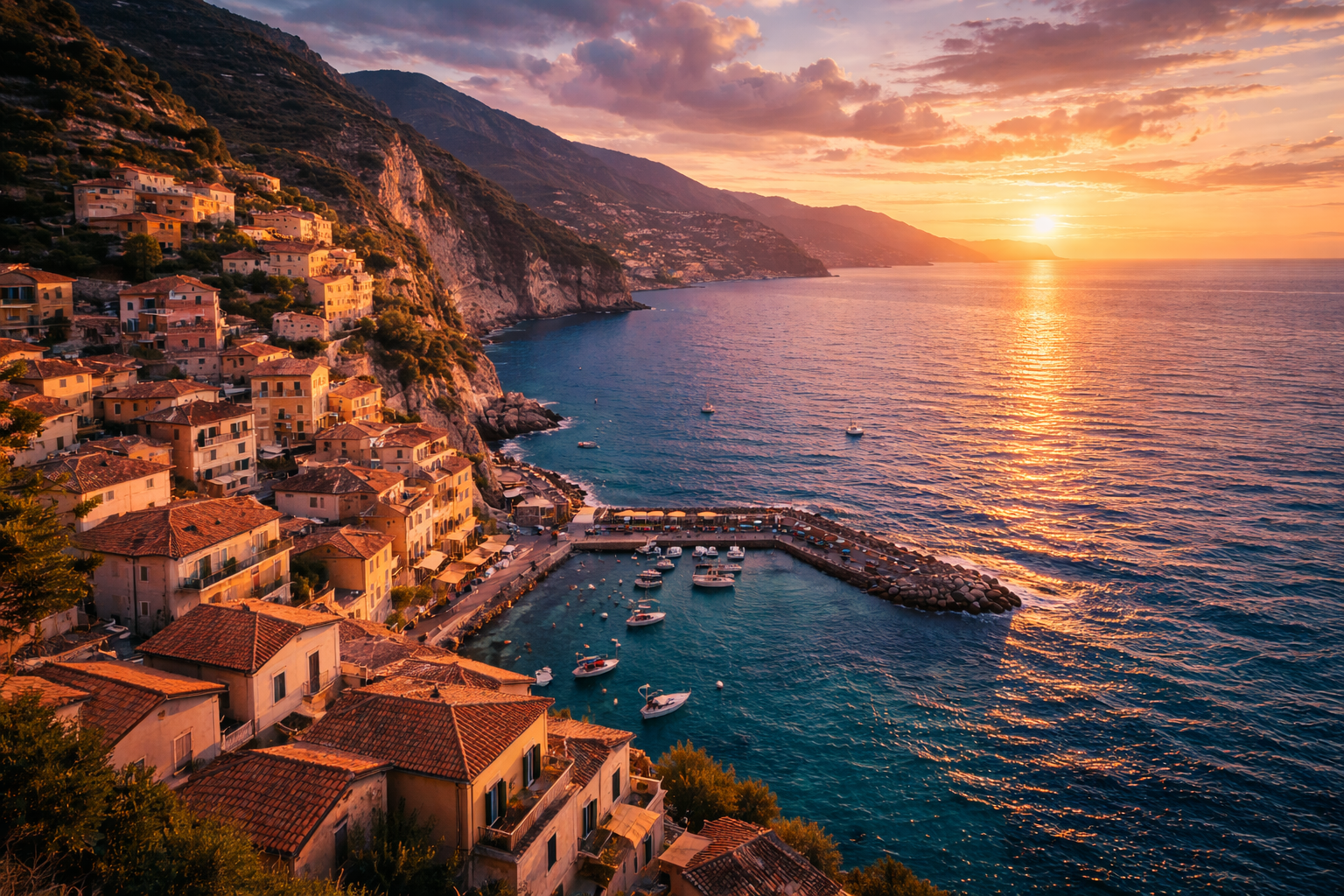
Western Mediterranean cruises typically focus on Spain, France, and Italy.
These itineraries often include major cultural capitals such as Barcelona, Rome, and Florence, along with scenic coastal destinations like the French Riviera and the Italian Riviera.
Travelers on Western Mediterranean itineraries frequently explore famous landmarks such as:
• the Colosseum in Rome
• the Sagrada Família in Barcelona
• the historic harbor of Nice
• the canals of Venice
• the art museums of Florence
The Western Mediterranean often appeals to travelers interested in iconic European cities, architecture, art, and cuisine.
These itineraries tend to combine large, culturally rich cities with picturesque coastal towns.
Eastern Mediterranean Cruises
Eastern Mediterranean itineraries explore destinations such as Greece, Turkey, Croatia, and sometimes parts of the Middle East.
These cruises often emphasize ancient history, archaeological wonders, and dramatic landscapes.
Popular ports in the Eastern Mediterranean may include:
• Athens
• Santorini
• Mykonos
• Dubrovnik
• Istanbul
• Kusadasi
Travelers in this region frequently explore ancient ruins such as the Acropolis in Athens or the ancient city of Ephesus near Kusadasi.
The Eastern Mediterranean also offers some of the most visually striking scenery in Europe. Cliffside villages, whitewashed buildings, and crystal-blue waters create unforgettable coastal views.
For travelers who love dramatic landscapes combined with ancient history, Eastern Mediterranean itineraries can be especially rewarding.
Iconic Mediterranean Cruise Ports
Mediterranean cruises visit some of the most recognizable travel destinations in the world. While each itinerary includes different combinations of ports, several cities appear frequently because of their historical importance and cultural appeal.
Barcelona
Barcelona is one of the most common embarkation ports for Mediterranean cruises and a destination many travelers choose to explore before or after their sailing.
The city blends historic architecture with modern artistic expression. Antoni Gaudí’s unique designs, including the famous Sagrada Família, define much of the city’s character.
Barcelona’s vibrant markets, waterfront promenades, and renowned cuisine make it a favorite starting point for Mediterranean adventures.
Rome
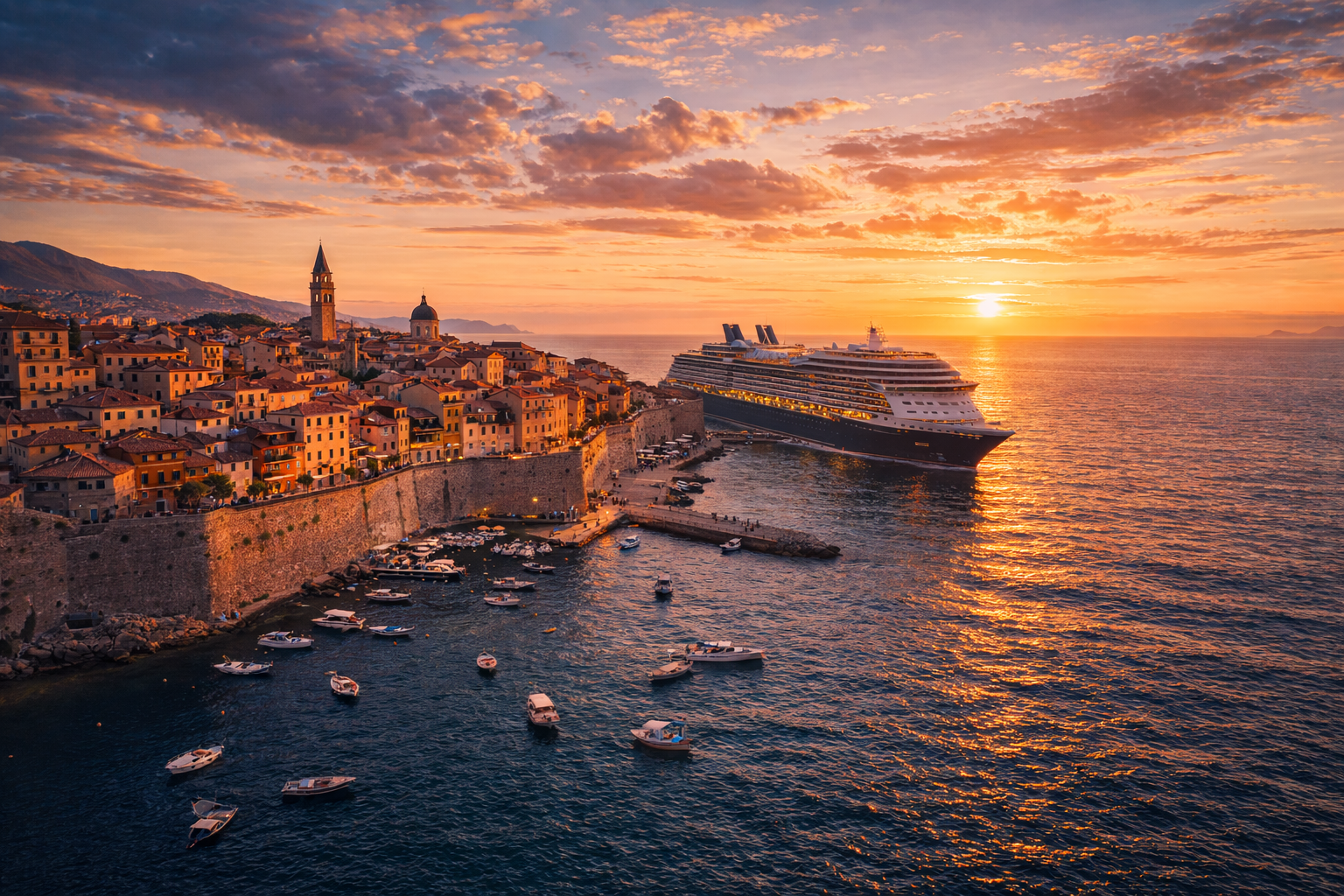
Rome is one of the most historically significant cities in the world.
Cruise ships typically dock in the nearby port of Civitavecchia, from which travelers can take excursions into the city. Visitors can explore iconic landmarks such as the
Colosseum, the Roman Forum, and Vatican City.
Walking through Rome feels like traveling through layers of history, where ancient ruins stand alongside Renaissance architecture and modern Italian life.
Santorini
Santorini is often considered one of the most beautiful destinations in the Mediterranean.
The island’s white buildings and blue-domed churches sit dramatically on volcanic cliffs overlooking the sea. Visitors can wander through narrow streets, enjoy panoramic views, and experience the relaxed atmosphere of traditional Greek island life.
Santorini is also famous for its sunsets, which draw visitors from around the world.
Dubrovnik
Located along Croatia’s Adriatic coast, Dubrovnik has become one of the most visually striking ports in the Mediterranean.
The city’s medieval walls, terracotta rooftops, and marble streets create a stunning setting for exploration. Dubrovnik’s Old Town is a UNESCO World Heritage Site and has gained additional popularity in recent years due to its appearance in film and television productions.
Walking along the ancient city walls provides breathtaking views of the sea and surrounding coastline.
Athens
Athens is one of the oldest cities in the world and the birthplace of democracy and Western philosophy.
Cruise ships typically dock in the nearby port of Piraeus, where travelers begin their journey into the city’s ancient landmarks.
The Acropolis, towering above the city, remains one of the most recognizable archaeological sites in the world. Visitors can also explore museums, bustling neighborhoods, and vibrant cafés throughout the city.
Florence and Pisa
Cruise ships visiting Florence typically dock in the port of Livorno.
From there, travelers can visit both Florence and Pisa. Florence is widely considered one of the greatest art cities in the world, home to masterpieces by Michelangelo, Leonardo da Vinci, and Botticelli.
Nearby Pisa offers the famous Leaning Tower, one of Italy’s most recognizable landmarks.
These destinations are often highlights for travelers interested in Renaissance art and architecture.
Best Time of Year to Take a Mediterranean Cruise
Timing can significantly shape the overall Mediterranean cruise experience. Unlike tropical cruise regions where weather remains fairly consistent year-round, the Mediterranean has distinct travel seasons that influence everything from crowd levels to sightseeing conditions.
Choosing the right season often depends on what travelers value most: comfortable weather, smaller crowds, or the lowest possible pricing.
Spring Mediterranean Cruises
Spring is one of the most appealing seasons for Mediterranean cruising. From April through early June, temperatures across Southern Europe begin to warm while crowds remain manageable compared to peak summer travel.
During this time, many Mediterranean cities are in full bloom, and outdoor cafés, markets, and historic squares begin filling with activity. Travelers often find spring ideal for sightseeing because the temperatures remain comfortable enough for walking tours, archaeological visits, and city exploration.
Spring itineraries are especially attractive for travelers who want to enjoy iconic destinations like Rome, Barcelona, and Athens without the intense heat and crowds that arrive later in the summer.
Summer Mediterranean Cruises
Summer represents the busiest and most energetic season for Mediterranean travel.
From June through August, cruise ships operate at full capacity, and popular destinations across Italy, Greece, Spain, and France welcome travelers from around the world.
The Mediterranean climate during summer is typically hot and sunny, which makes beach destinations particularly enjoyable. However, temperatures in major cities can become quite warm, especially during midday sightseeing excursions.
Despite the heat, summer remains incredibly popular because of the vibrant atmosphere throughout the region. Outdoor festivals, waterfront restaurants, and lively coastal towns create a festive travel experience that many travelers love.
Families often prefer summer sailings because school schedules allow for easier vacation planning.
Fall Mediterranean Cruises
Autumn is often considered one of the most underrated seasons for Mediterranean cruising. From September through October, many destinations enjoy warm weather while the peak summer crowds begin to diminish.
This season offers several advantages. Travelers may experience shorter lines at major attractions, easier reservations at restaurants, and a more relaxed pace overall.
The sea also remains warm well into the fall months, allowing travelers to continue enjoying coastal destinations and island excursions.
For travelers who want a Mediterranean cruise with fewer crowds but still pleasant weather, fall can be an excellent choice.
Winter Mediterranean Cruises
Winter cruising in the Mediterranean is less common but still available on certain itineraries.
Some cruise lines operate shorter cultural cruises focusing on major cities rather than beach destinations. These sailings may include ports such as Barcelona, Rome, and Athens, where historical attractions remain accessible year-round.
Winter cruises can offer unique opportunities to explore famous European cities with fewer tourists.
However, travelers should be aware that cooler temperatures and shorter daylight hours may limit certain outdoor activities.
What Mediterranean Cruise Itineraries Look Like
Mediterranean cruise itineraries tend to differ from tropical cruise routes in one key way: they are usually more destination-focused.
In many tropical itineraries, sea days play a large role in the vacation. Mediterranean cruises, however, often include more port days because the region contains so many culturally significant destinations located relatively close together.
A typical seven-day Mediterranean cruise might include four or five ports along with one or two sea days.
Because of this structure, travelers should prepare for active days exploring historic cities, archaeological sites, museums, and scenic coastal towns.
Many Mediterranean cruises also feature longer port stays or overnight stops in certain cities, allowing travelers more time to explore.
For travelers who enjoy history, architecture, and cultural experiences, this style of itinerary can be incredibly rewarding.
Those interested in comparing how cruise regions differ may find it helpful to read → The Complete Guide to Caribbean Cruises.
While Caribbean itineraries often emphasize beach relaxation, Mediterranean cruises typically revolve around cultural exploration and sightseeing.
Mediterranean Shore Excursions Travelers Love
One of the highlights of Mediterranean cruising is the opportunity to explore some of the most historically rich destinations in the world through guided excursions.
Each port offers unique experiences that reflect the region’s diverse cultures and landscapes.

Historic Landmarks and Archaeological Sites
Many Mediterranean ports provide access to world-famous historical landmarks.
Travelers may visit the Colosseum in Rome, explore the ruins of Pompeii, stand beneath the Acropolis in Athens, or walk through ancient amphitheaters and temples across Greece and Turkey.
These sites offer powerful glimpses into civilizations that shaped modern Europe and the Western world.
Guided excursions often provide expert historical context, helping travelers understand the significance of the sites they are visiting.
Cultural City Tours
Mediterranean cities are filled with vibrant neighborhoods, historic architecture, and local traditions.
City tours often include visits to famous landmarks, local markets, museums, and scenic viewpoints. Travelers may explore winding streets in medieval towns, visit famous art galleries, or enjoy panoramic views from hilltop fortresses.
These tours help travelers experience the personality of each destination beyond its most famous landmarks.
Culinary Experiences
Food is an essential part of Mediterranean culture, and culinary excursions have become increasingly popular among cruise travelers.
These experiences may include wine tastings in Italian vineyards, olive oil tastings in Greece, tapas tours in Spain, or cooking classes led by local chefs.
Food tours allow travelers to explore local traditions while enjoying authentic regional cuisine.
Coastal and Scenic Excursions
While Mediterranean cruises focus heavily on cities, the region also offers stunning natural landscapes.
Excursions may include boat tours along dramatic coastlines, scenic drives through countryside villages, or visits to beautiful coastal beaches.
Destinations such as the Amalfi Coast, the Greek Islands, and the French Riviera are famous for their breathtaking scenery.
Travelers who enjoy combining culture with natural beauty often find Mediterranean itineraries particularly rewarding.
How Much Mediterranean Cruises Cost
Mediterranean cruises typically fall within the mid-to-premium price range of cruise travel, although pricing varies widely depending on the cruise line, ship, itinerary, and cabin type.
The base cruise fare usually includes accommodations, transportation between ports, meals in the main dining venues, and onboard entertainment.
However, Mediterranean cruises often involve additional costs related to excursions and sightseeing.
Because many ports include historic landmarks located inland, travelers frequently book guided excursions to access these destinations.
Other potential expenses include specialty dining, beverage packages, Wi-Fi, gratuities, and optional onboard experiences.
Travelers should also consider travel costs associated with reaching European embarkation ports, such as airfare and pre-cruise hotel stays.
Despite these additional factors, many travelers find that Mediterranean cruises offer exceptional value because they allow visitors to experience multiple European countries within a single vacation.
Tips for Booking the Best Mediterranean Cruise
Planning a Mediterranean cruise requires slightly different considerations compared to tropical itineraries.
First, travelers should think carefully about itinerary pace. Because Mediterranean cruises often include multiple port days in a row, travelers who prefer a slower pace may want to choose itineraries with built-in sea days.
Second, travelers should research ports carefully. Some Mediterranean cruise ports require longer transfers to reach major cities. For example, ships docking in Civitavecchia require travel time to reach Rome.
Understanding these logistics helps travelers plan excursions and manage expectations.
Third, travelers should allow extra time before and after the cruise to explore embarkation cities.
Many Mediterranean cruise departures occur from culturally rich cities such as Barcelona, Venice, or Rome. Spending a few days exploring these destinations before or after the cruise can significantly enhance the overall experience.
Travelers who want help navigating cruise options may benefit from reading → How to Choose the Right Cruise Line for Your Travel Style.
Selecting the right cruise line and ship can dramatically influence the overall vacation atmosphere.
Why Mediterranean Cruises Feel Different From Caribbean Cruises
While both regions offer beautiful coastlines and memorable cruise experiences,
Mediterranean cruises often feel very different from Caribbean itineraries.
Caribbean cruises typically emphasize relaxation, beaches, and onboard entertainment.
Mediterranean cruises, on the other hand, tend to focus more heavily on history, architecture, and cultural exploration.
Travelers visiting Mediterranean ports often spend full days exploring cities, visiting museums, or touring historic sites. The pace of the vacation may feel more active than tropical cruises where beach time and ship activities dominate the schedule.
This difference does not mean one region is better than the other. Instead, it reflects two distinct styles of cruise travel.
Travelers who want relaxation and sunshine often gravitate toward Caribbean cruises.
Those interested in cultural discovery and historic destinations often find
Mediterranean cruises especially rewarding.

Planning Your Mediterranean Cruise with Travel With McNellis
Planning a Mediterranean cruise involves many decisions.
Travelers must choose the right itinerary, ship size, cruise line, cabin category, and excursion options. Each of these choices can significantly influence the overall travel experience.
Travel With McNellis specializes in helping travelers navigate these decisions with confidence.
Instead of sorting through hundreds of cruise options alone, travelers can receive personalized guidance designed to match their travel style, interests, and schedule.
Whether someone dreams of exploring ancient Greek ruins, strolling through Italian coastal towns, or enjoying sunset views across the Mediterranean Sea, careful planning can transform a good cruise into an unforgettable journey.
Key Takeaways
Mediterranean cruises offer one of the richest travel experiences available anywhere in the world.
The region combines ancient history, vibrant cultures, stunning coastal scenery, and world-renowned cuisine into a single journey.
Western Mediterranean itineraries typically highlight Spain, France, and Italy, while Eastern Mediterranean routes explore Greece, Turkey, and the Adriatic coastline.
Travelers who enjoy cultural exploration, architecture, art, and culinary traditions often find Mediterranean cruising especially rewarding.
With proper planning and the right itinerary, a Mediterranean cruise can become a journey through thousands of years of human history while enjoying the comfort and convenience of modern cruise travel.
Frequently Asked Questions
What is the best Mediterranean cruise for first-time travelers?
Seven-day Western Mediterranean cruises are often ideal for first-time visitors because they include several famous cities such as Barcelona, Rome, and Florence.
When is the best time to cruise the Mediterranean?
Spring and fall often provide the best balance between comfortable weather and manageable crowds.
Are Mediterranean cruises good for families?
Yes. Many cruise lines offer family-friendly programming while still providing access to historic and cultural destinations.
Do Mediterranean cruises include beach destinations?
Some itineraries include island stops or coastal towns with beaches, but the primary focus of Mediterranean cruising is typically sightseeing and cultural exploration.
How long should a Mediterranean cruise be?
Seven- to ten-day itineraries are common and allow travelers to visit multiple destinations without feeling rushed.