MARGE’S TRAVEL INSIGHTS
Why a Passport is Essential for Global Travel and Emergencies
Traveling internationally opens doors to new experiences, cultures, and opportunities. Yet, many travelers overlook one critical document: the passport.
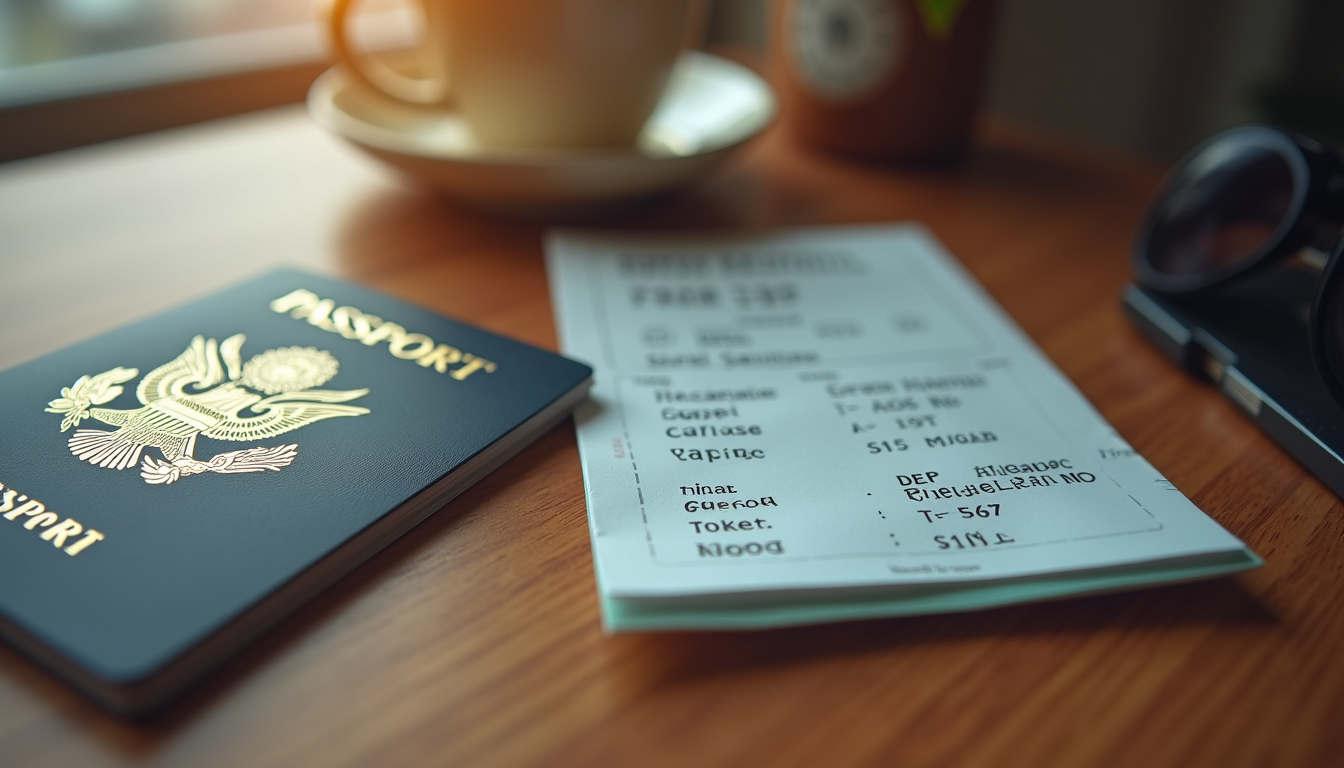
Traveling internationally opens doors to new experiences, cultures, and opportunities. Yet, many travelers overlook one critical document: the passport. Unlike a Real ID, which works only within the United States, a passport is the key to crossing borders worldwide. This post explains why having a passport is essential not only for travel but also for handling emergencies abroad.
Why a Real ID is Not Enough for International Travel
The Real ID is a form of identification accepted for domestic flights and certain federal purposes within the U.S. However, it does not grant entry into other countries. When booking international trips, travel agencies always ask if you have a passport because it is the only universally accepted travel document for crossing borders.
Without a passport, you cannot board international flights or enter foreign countries legally. This limitation can cause major disruptions if you plan to travel abroad or even if you have a layover in another country.
The Role of a Passport in Emergencies Abroad
Emergencies can happen anytime, anywhere. Imagine being stuck in a foreign country due to natural disasters, political unrest, or sudden illness. Without a passport, you may face serious challenges:
Identification issues: Local authorities and embassies require a passport to verify your identity.
Difficulty returning home: Airlines and border control need your passport to allow re-entry.
Limited access to consular help: Embassies provide assistance only to citizens who can prove their identity with a valid passport.
For example, during the 2010 earthquake in Haiti, many travelers without passports struggled to leave the country because they lacked proper identification. Having a passport ensures you can access emergency services and return home safely.

Why Travel Agencies Ask About Your Passport First
When you contact a travel agency to book an international trip, the first question often is: “Do you have a valid passport?” This is not just a formality. Travel agents need to confirm your travel documents to:
Avoid booking errors: Airlines require passport details for international tickets.
Ensure smooth check-in: Without a passport, you cannot check in for international flights.
Plan for visa requirements: Some countries require visas, which depend on your passport nationality.
If you don’t have a passport, travel agencies may advise you to apply for one before finalizing your booking. This step saves time, money, and stress later.
How to Get and Maintain Your Passport
Applying for a passport is straightforward but requires planning. Here are key tips:
Apply early: Processing times can vary from a few weeks to months.
Keep it valid: Many countries require your passport to be valid for at least six months beyond your travel dates.
Protect your passport: Store it safely and make digital copies in case of loss or theft.
Renew your passport well before it expires to avoid travel interruptions. Some countries also require blank pages for entry stamps, so check your passport’s condition regularly.

Final Thoughts on the Importance of a Passport
A passport is more than just a travel document. It is your global identity card, your ticket to explore the world, and your lifeline in emergencies abroad. Unlike a Real ID, it works everywhere and opens doors that no other ID can.