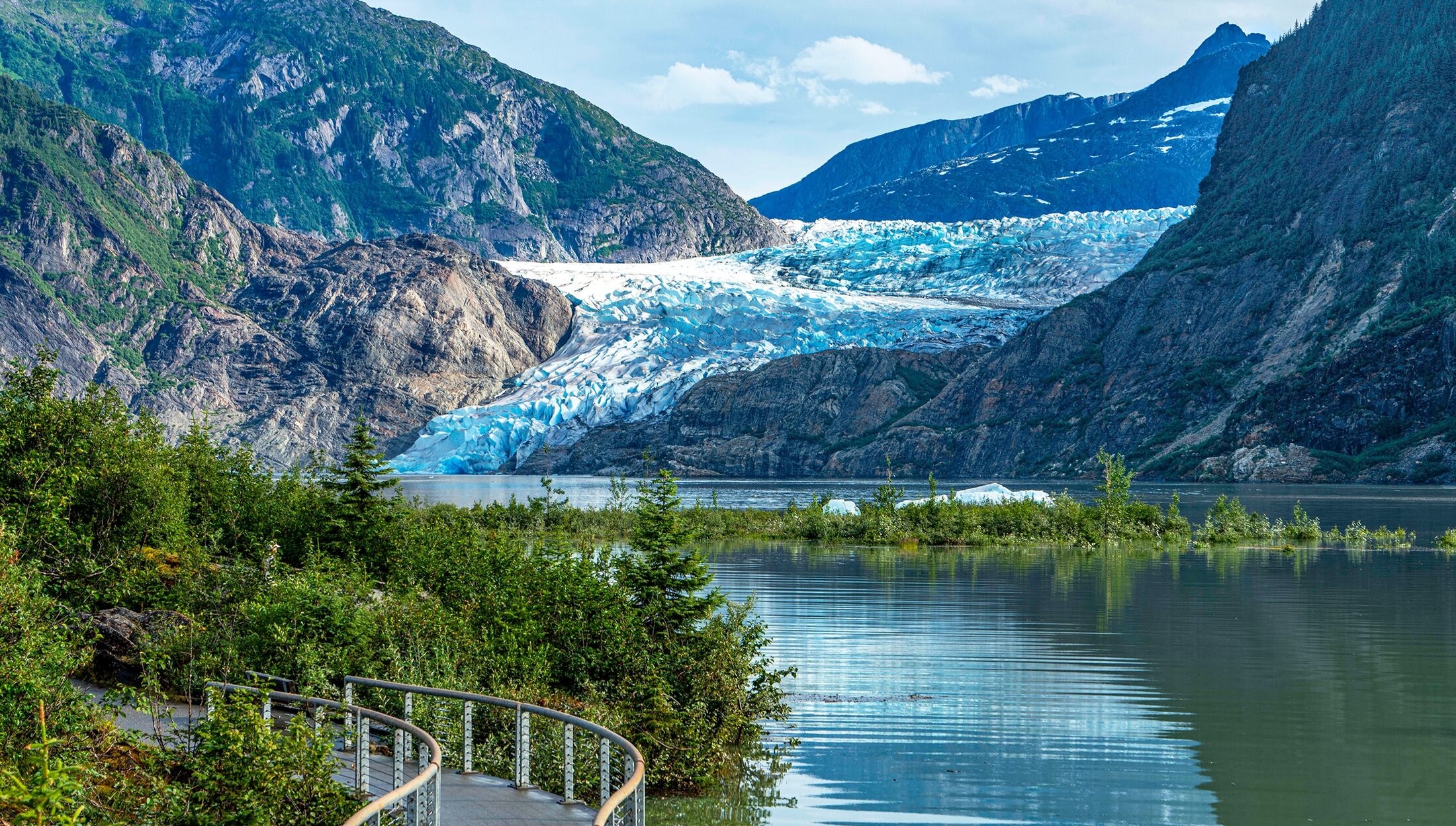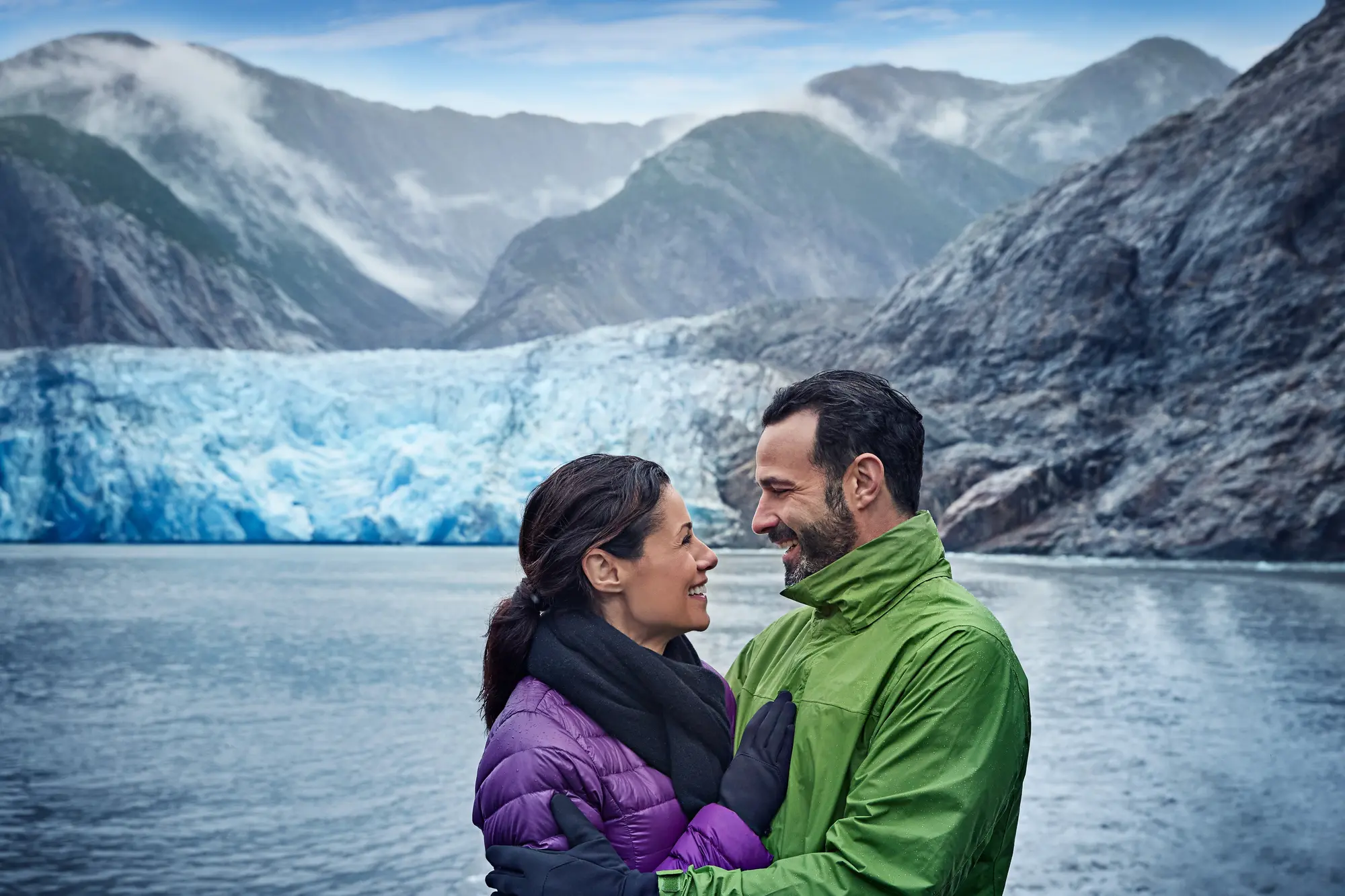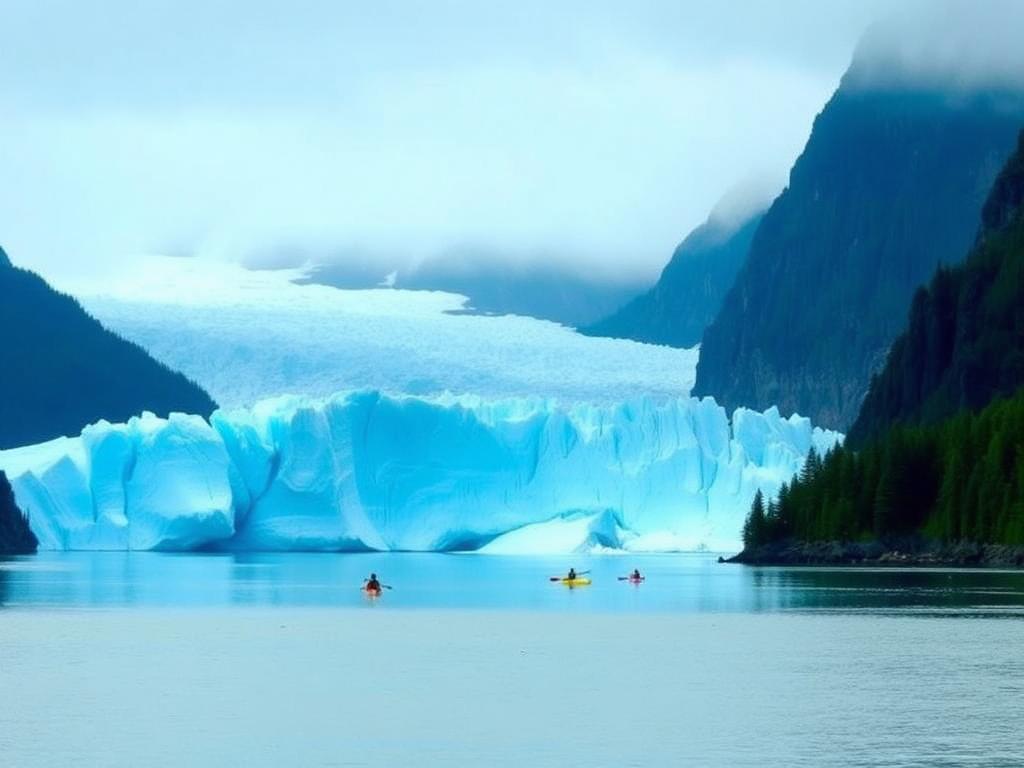
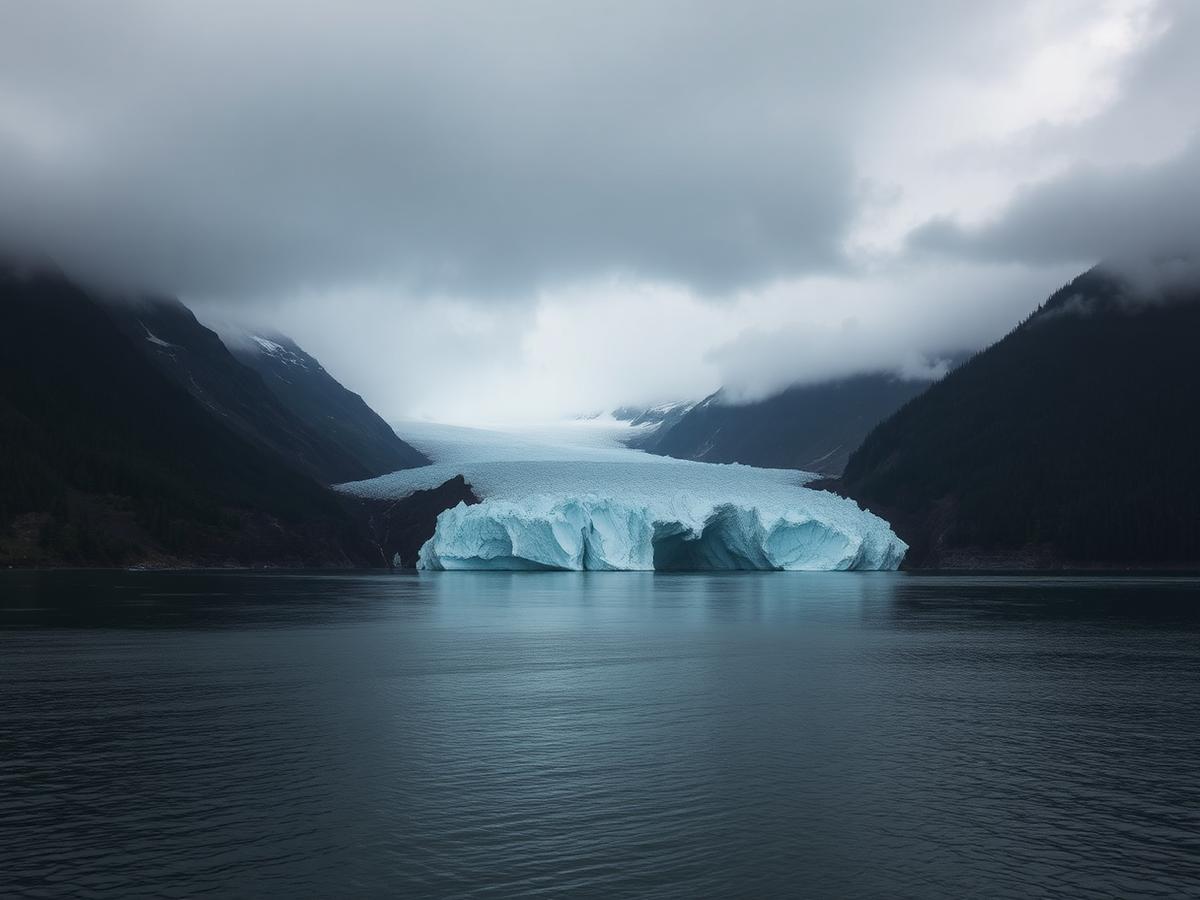
Alaska mountain range and glacier landscape above a pristine coastal waterway

ALASKA CRUISES, RAIL & VACATION PACKAGES

Alaska Cruises, Rail Journeys & Wilderness Vacations

Alaska brings tidewater glaciers, whale-rich channels, temperate rainforest, high tundra, national parks and remote communities into one extraordinary destination. Most first-time visitors arrive by Inside Passage cruise, yet the complete Alaska experience can also include Anchorage, Seward, the Alaska Railroad, Denali, Fairbanks or a remote wilderness lodge. Major cruise gateways include Seattle and Vancouver, while Anchorage and Fairbanks connect land itineraries by air. McNellis Travel compares ships, scenic routes, rail schedules, lodges, flights, transfers and excursions as one coordinated vacation—so you see more of Alaska without underestimating its immense distances.

Glaciers, Wildlife & National ParksCruise, Rail & Land PackagesInside Passage to Denali

REGIONS, PORTS & NATIONAL PARKS

Choose the Alaska Experience That Fits Your Trip

Alaska is larger than many countries, and its famous places are separated by water, mountains and long overland routes. Start with the region and travel style that matter most, then connect only the places that fit comfortably.

Alaska destination: Inside Passage: Juneau, Ketchikan & Skagway

Inside Passage: Juneau, Ketchikan & Skagway

Southeast Alaska is the classic introduction for cruise travelers. Protected waterways connect forested islands, glacier-carved fjords and communities that cannot all be reached by road. Juneau combines the state capital with Mendenhall Glacier, whale watching and flightseeing. Ketchikan is known for Alaska Native culture, rainforest, fishing and access to Misty Fjords. Skagway links Gold Rush history with the White Pass & Yukon Route. Sitka, Icy Strait Point, Haines and Wrangell add wildlife, culture and smaller-port character. Compare the hours in port, docking versus tendering, glacier-viewing day and excursion capacity—not simply the list of port names.
Alaska destination: Glacier Bay, Hubbard Glacier & College Fjord

Glacier Bay, Hubbard Glacier & College Fjord

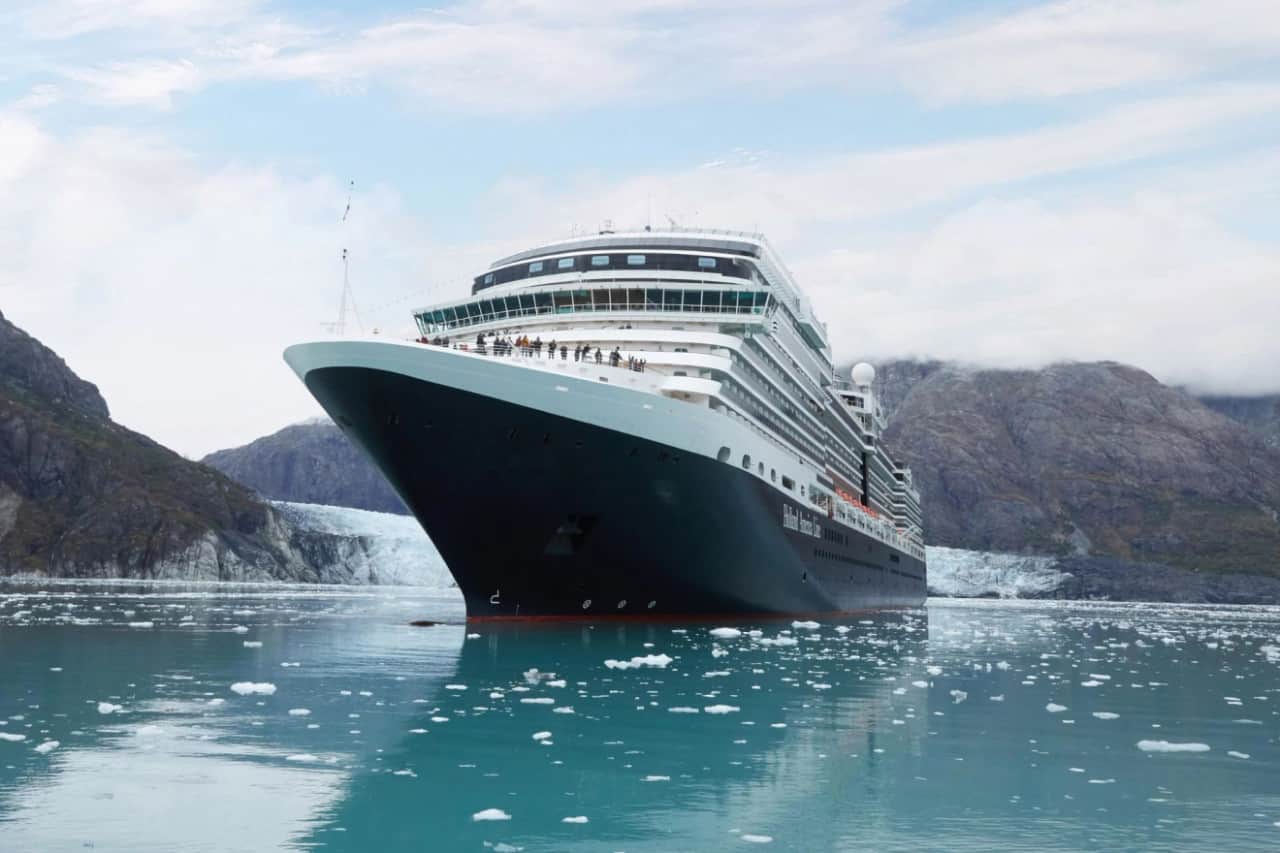
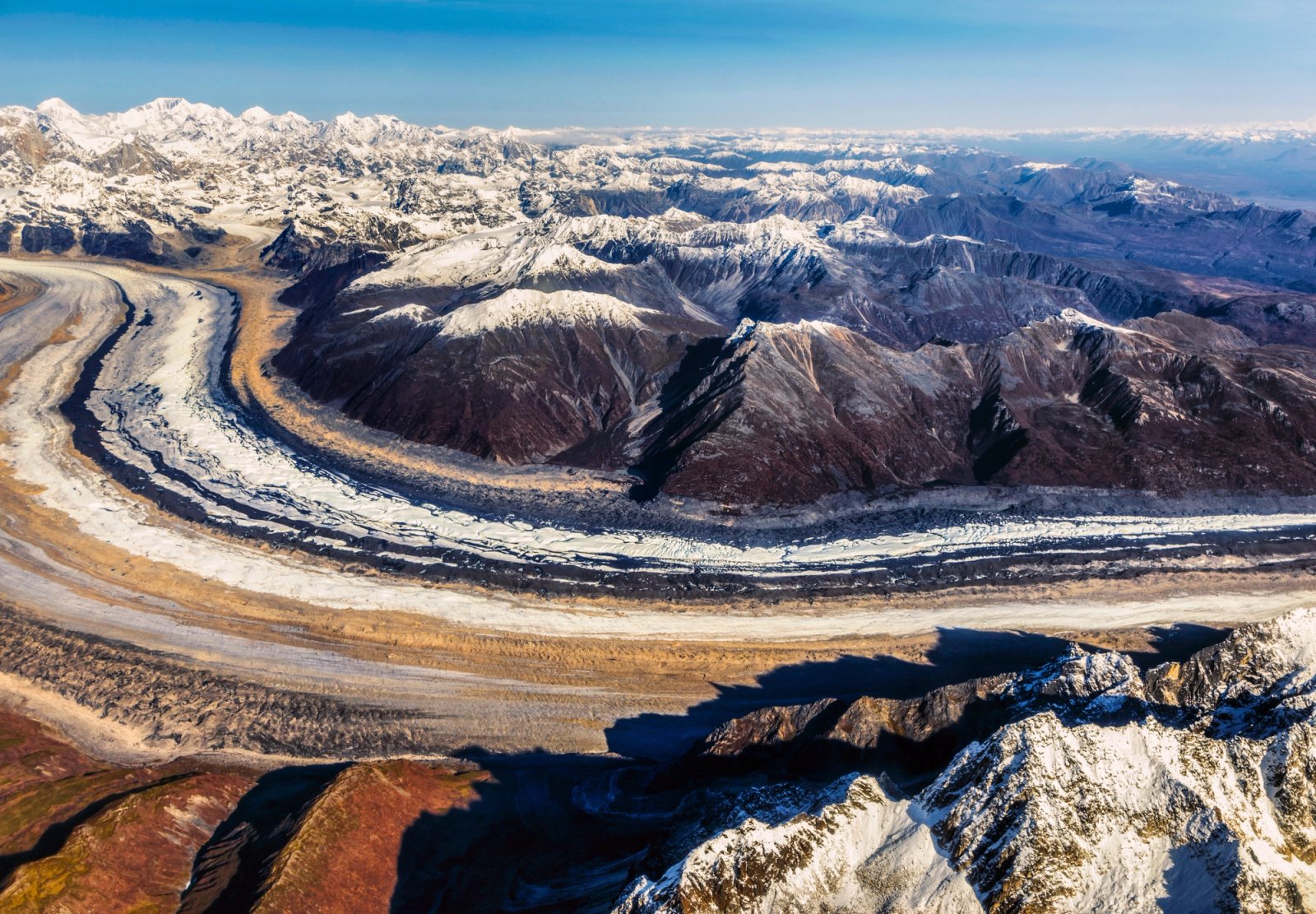
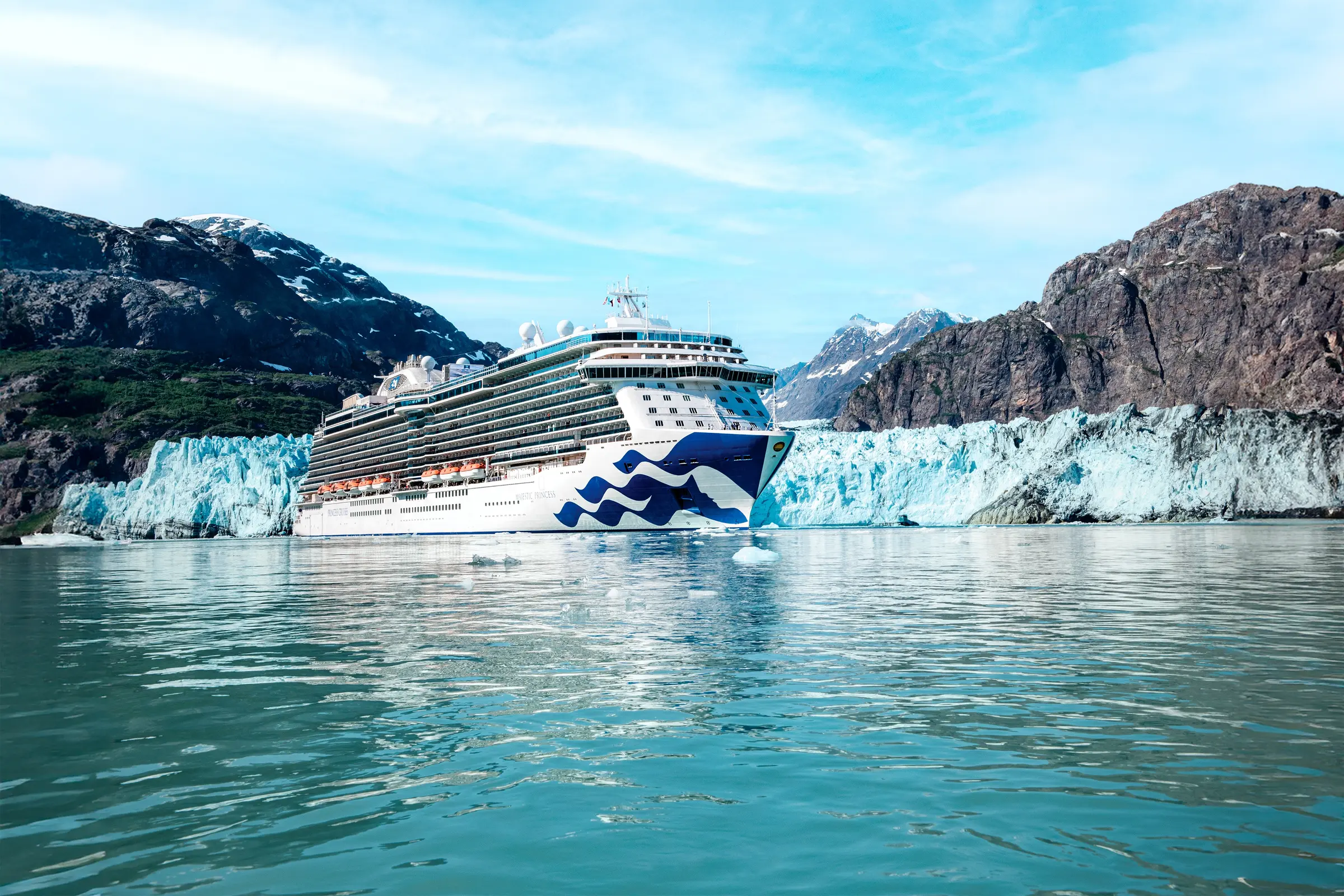
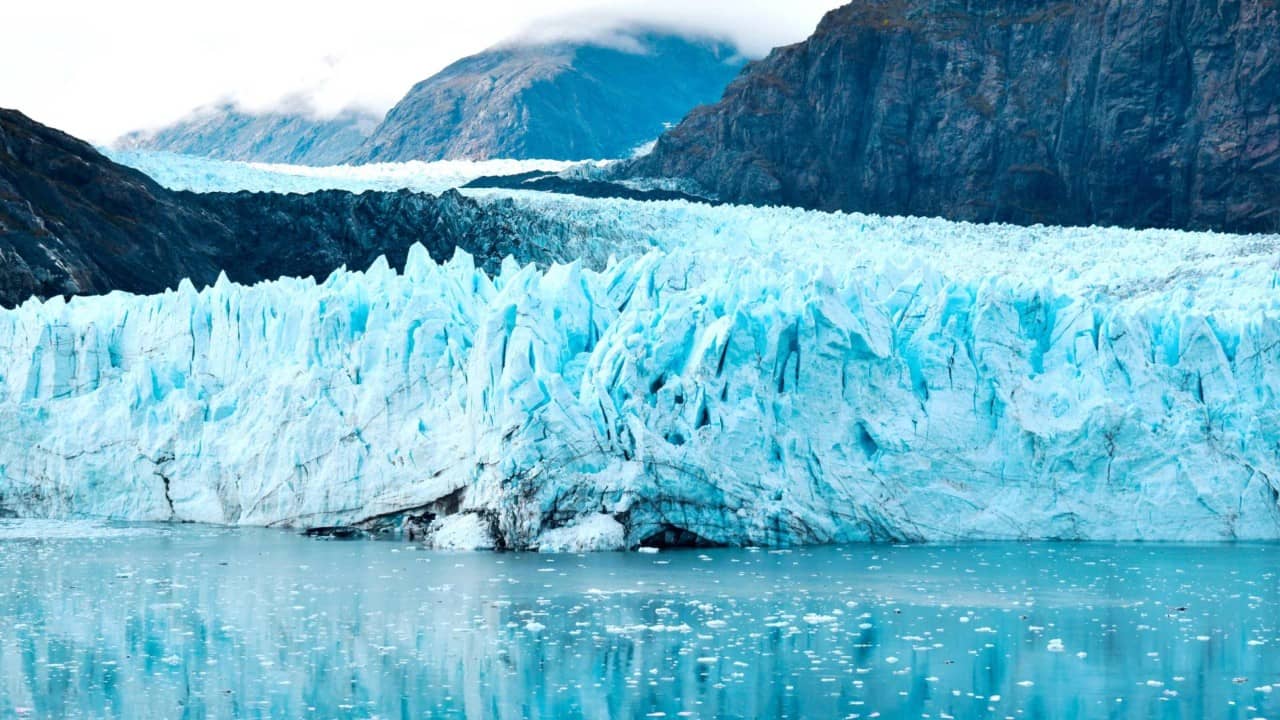
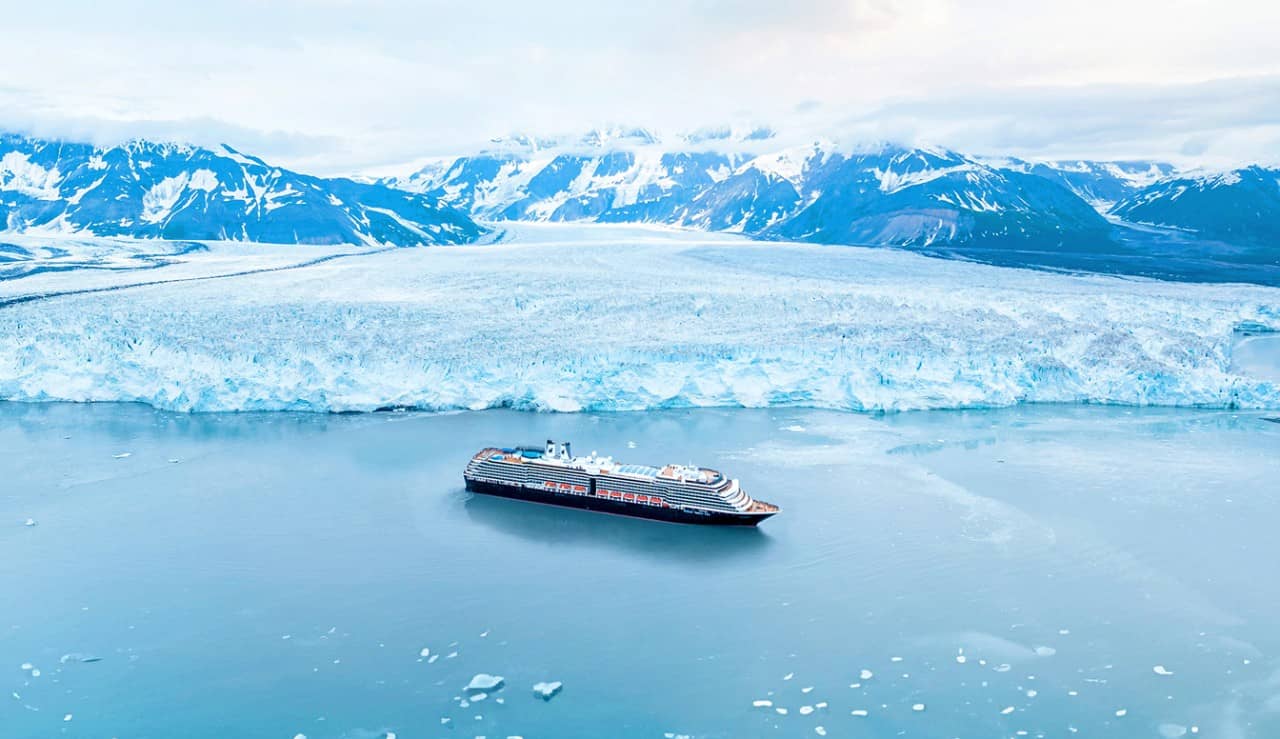
Alaska’s scenic cruising days are often the emotional center of a voyage, yet the experiences differ. Glacier Bay National Park combines tidewater glaciers, mountains, marine wildlife and cultural interpretation; ship access is regulated, so it must appear on the confirmed itinerary. Hubbard Glacier is an immense active tidewater glacier commonly viewed from Yakutat Bay, while College Fjord and Prince William Sound create another corridor of ice and peaks. Weather, ice and wildlife remain unpredictable, and captains adjust distance for safety. Travelers should choose a ship with useful outdoor decks and interior viewing areas, then treat every wildlife sighting or calving event as a privilege rather than a guaranteed performance.

Alaska destination: Southcentral: Anchorage, Seward & the Kenai Peninsula

Southcentral: Anchorage, Seward & the Kenai Peninsula

Anchorage is Alaska’s largest transportation hub and a practical starting point for rail, road and air connections. South of the city, the Alaska Railroad’s Coastal Classic reaches Seward through mountain and coastal scenery. Seward is the gateway to Kenai Fjords National Park, where boat tours seek glaciers, seabirds, whales, sea lions and otters. Whittier connects Prince William Sound cruises with Anchorage and one-way cruise itineraries. Girdwood adds resort lodging, tram views and access to the Turnagain Arm corridor. A Southcentral stay works well before or after a cruise, but transfer times, ship schedules and train inventory must be coordinated before flights are purchased.

Alaska destination: Interior Alaska: Denali, Talkeetna & Fairbanks

Interior Alaska: Denali, Talkeetna & Fairbanks

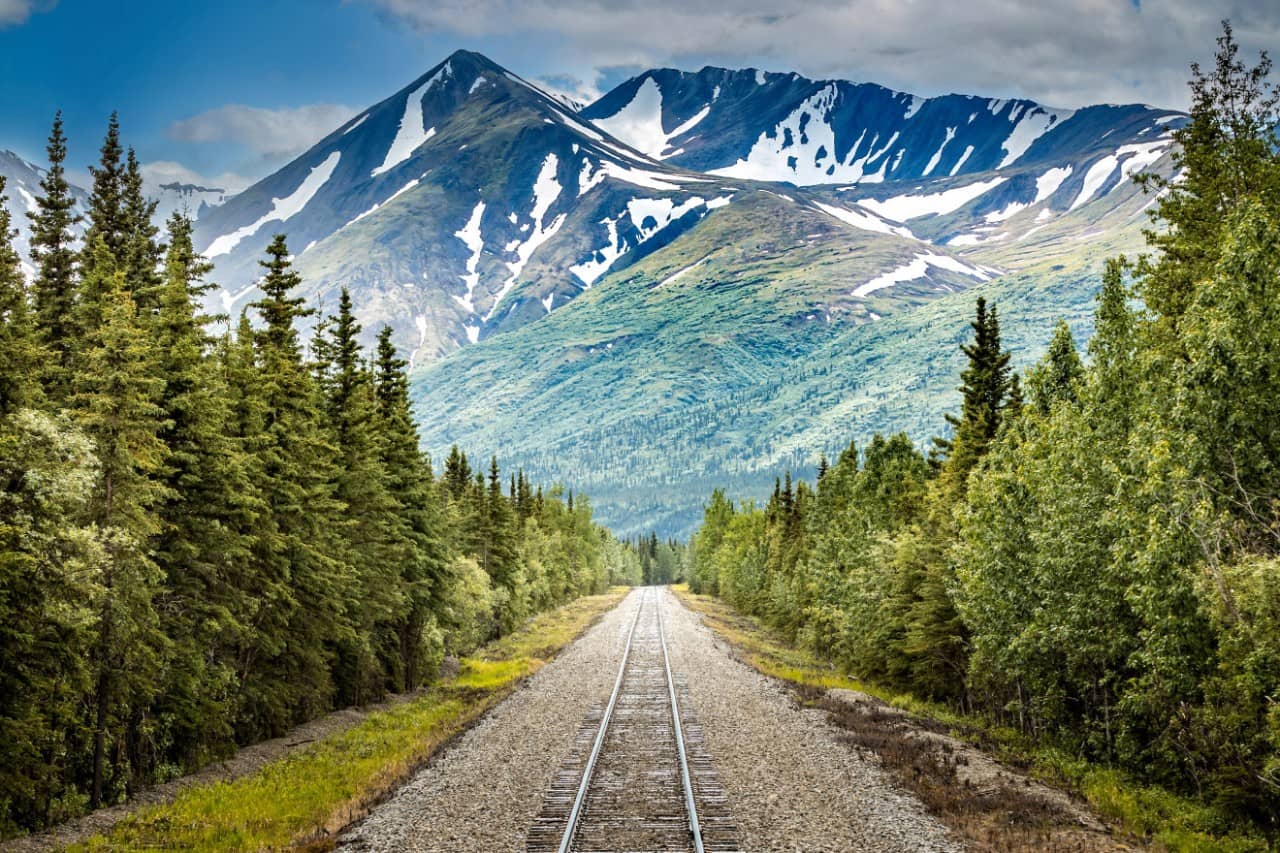
Interior Alaska provides the broad tundra, mountain scale and land-based wildlife experience many travelers imagine. Denali National Park protects six million acres surrounding North America’s highest peak. Park-road access is controlled and current construction can affect how far buses travel, so advertised tour names and distances must be checked for the selected season. Talkeetna offers flightseeing, river experiences and a lively small-town base south of the park. Fairbanks supports Interior touring, museums, river excursions and aurora-focused winter travel. Rail-and-lodge packages simplify transportation, while independent itineraries offer flexibility. Neither approach should be rushed: two or three nights near Denali creates a better weather buffer than a single overnight.

Alaska destination: Southwest Alaska & Katmai Country

Southwest Alaska & Katmai Country

Southwest Alaska is a remote region of tundra, rivers, volcanic landscapes and exceptional fishing and wildlife opportunities. Katmai National Park is famous for brown bears, including seasonal viewing around Brooks River, while Kodiak Island supports its own wildlife, maritime culture and working communities. Access commonly requires small aircraft, boats or specialized lodges, and weather can reshape the day quickly. These trips are best for travelers who accept higher costs, limited schedules and operational flexibility in exchange for intimate wilderness. Bear-viewing space, lodge rooms and charter flights can sell far in advance. Responsible operators, realistic mobility expectations and generous connection buffers are essential.

Alaska destination: Arctic Alaska & the Far North

Arctic Alaska & the Far North

The Arctic offers tundra, immense daylight in summer, Indigenous cultures, bird migration, caribou country and winter aurora possibilities. Fairbanks is the main gateway for many northbound journeys, with air or guided road access toward the Arctic Circle, Coldfoot, Gates of the Arctic region and communities along the Arctic coast. This is not a casual add-on to a seven-night cruise. Distances are vast, services limited and weather decisive. Travelers should choose established operators, respect community protocols and understand that wildlife, northern lights and road conditions cannot be guaranteed. The reward is a sense of scale and remoteness unlike the cruise corridor.

BEST TIME TO VISIT & WEATHER

Alaska Seasons, Daylight and Wildlife Timing

Alaska’s main visitor season runs from late spring through early fall. Conditions vary sharply between the rainy Southeast coast, Southcentral mountains and Interior tundra, and no month guarantees clear skies or wildlife.

May–Early June

Spring offers long days, snow on the mountains, smaller crowds and often attractive cruise value. Many animals become active and migrating whales return. Some trails, park roads and remote services may open gradually, while temperatures can remain cold near glaciers.

Mid-June–August

Peak summer provides the broadest rail, lodge, cruise and excursion schedules with very long daylight. July and August are popular for warmth and access, but rain remains possible—especially in Southeast Alaska. High-demand cabins and excursions require early reservations.

September–Winter

September can bring fall color, cooler nights, fewer visitors and enough darkness for possible aurora viewing in the Interior. Cruise and park services taper quickly. Winter favors northern lights, snow experiences and Fairbanks-based travel, not a conventional Inside Passage cruise itinerary.

Pack waterproof layers, insulating mid-layers, gloves, sun protection and supportive shoes in every season. Coastal weather changes rapidly, and the temperature on a glacier-viewing deck can feel much colder than it does in port.

TOP EXPERIENCES & TRAVEL STYLES

Explore Alaska by Ship, Rail, Trail and Air

Alaska travel experience: Large-Ship Alaska Cruises

Large-Ship Alaska Cruises

Large ships make Alaska accessible with broad dining, entertainment, children’s programs and multiple cabin categories. Round-trip Seattle voyages are convenient, while Vancouver departures often provide an efficient Inside Passage route. One-way voyages between Vancouver and Whittier or Seward connect naturally with rail and Denali extensions. Compare Glacier Bay access, port time, ship size, outdoor viewing space and the real cost of excursions. A balcony is appealing, but a well-located ocean-view or interior cabin can preserve budget for flightseeing, whale watching and rail touring.

Alaska travel experience: Small-Ship & Expedition Voyages

Small-Ship & Expedition Voyages

Small ships emphasize close-to-water exploration, flexible landings, kayaking, naturalist interpretation and less-visited channels. They may explore the Inside Passage, Glacier Bay, Prince William Sound, Kenai Fjords or more remote regions. Cabins and entertainment are usually simpler than on resort-style ships, while the expedition program becomes the primary attraction. Activity level, transfer arrangements, wet landings, included gear, alcohol, gratuities and charter flights vary. These journeys suit travelers who value nature and access more than nightlife or a long list of restaurants.

Alaska travel experience: Rail Journeys & Cruise-Tours

Rail Journeys & Cruise-Tours

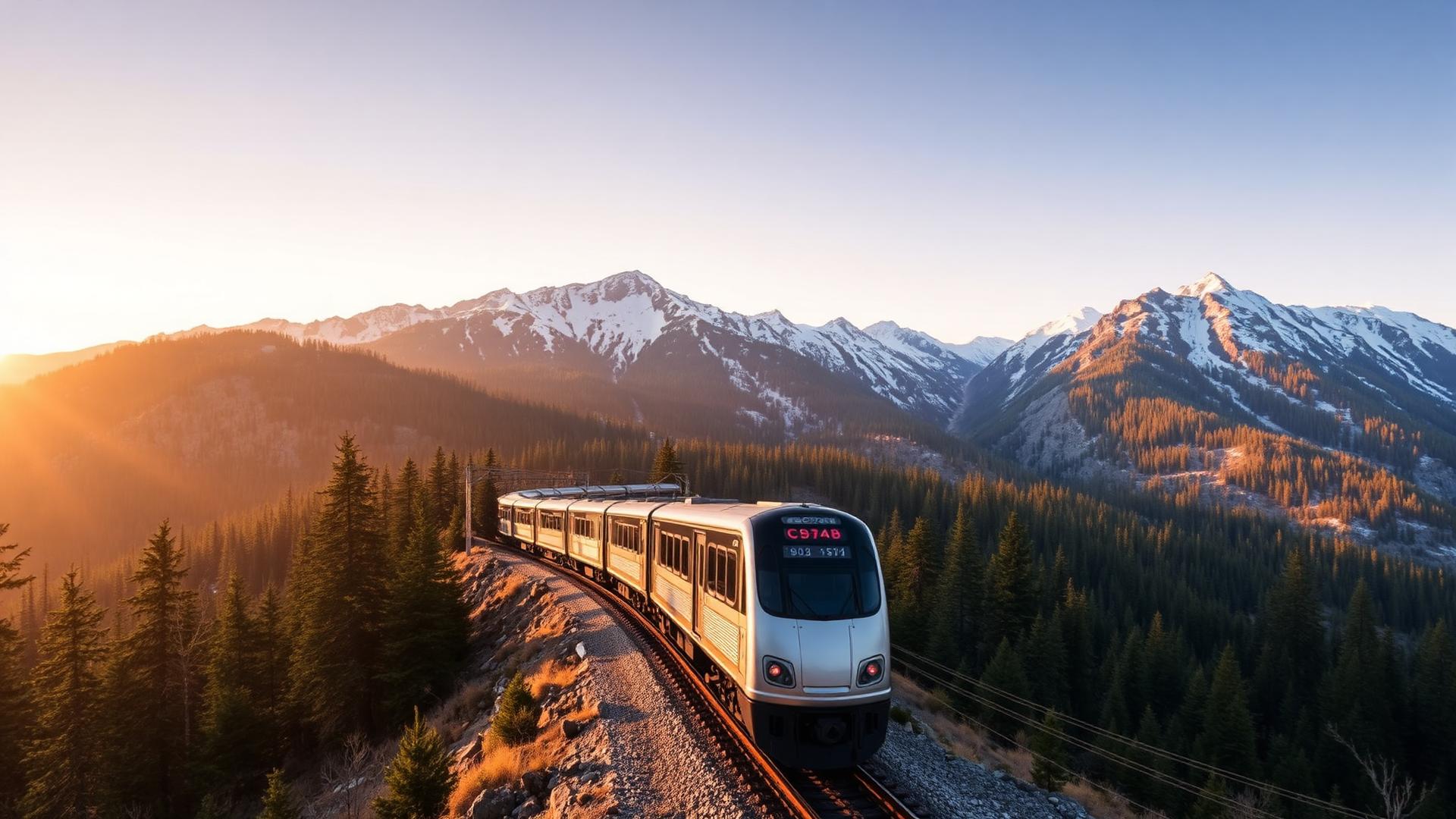
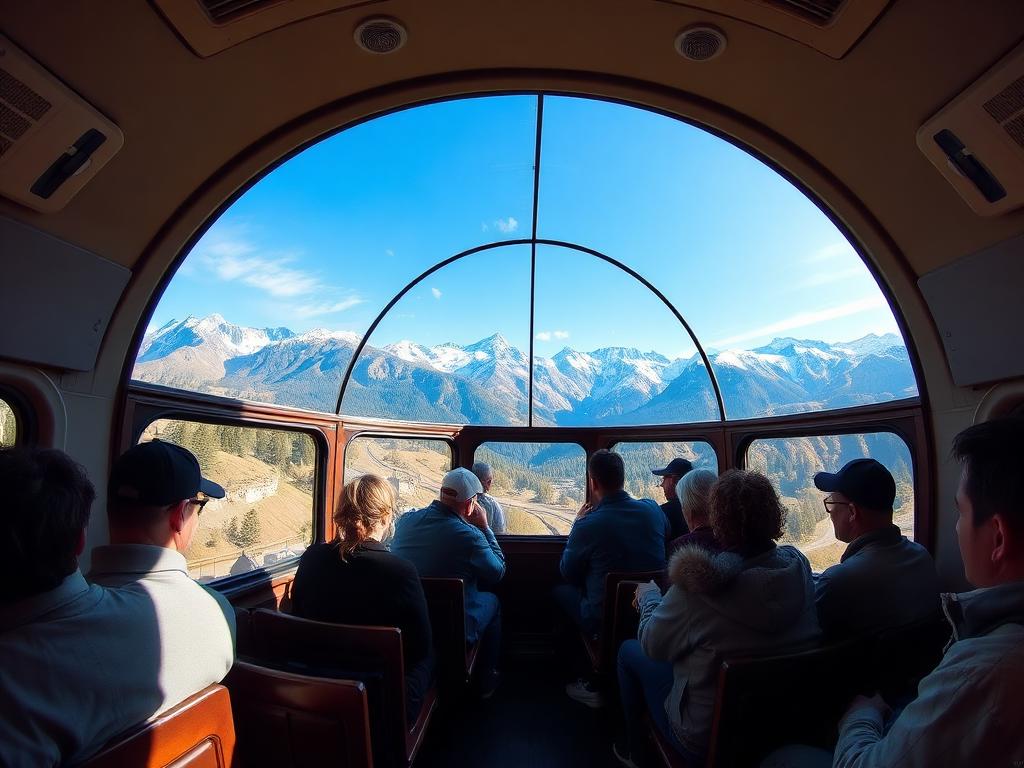
The Alaska Railroad connects key Southcentral and Interior destinations through routes such as the Coastal Classic, Denali Star and Glacier Discovery. Cruise lines also operate or contract dome cars and motorcoaches within packaged land programs. Rail travel is scenic, but it is transportation rather than a continuous sightseeing stop; a full Anchorage-to-Denali day takes time. Cruise-tours simplify luggage and logistics, while independent rail plans allow more choice in hotels and activities. McNellis Travel compares schedule, seat class, meal service, baggage handling and the exact park experience included.

Alaska travel experience: Wildlife, Glaciers & Flightseeing

Wildlife, Glaciers & Flightseeing

Whale watching, bear viewing, glacier walks, helicopter landings, scenic flights, dog-sled experiences and marine-wildlife cruises can become trip highlights. They are also weather-dependent and often expensive. Book the highest-priority excursion early, understand cancellation rules and avoid scheduling a critical independent tour too close to all-aboard time. Wildlife is never guaranteed. Ethical viewing maintains distance, follows park and operator rules and avoids pressuring animals for photographs. Travelers with mobility concerns should ask about steps, uneven docks, small aircraft and transfer vehicles before payment.

Alaska travel experience: Alaska Native Culture & Local Communities

Alaska Native Culture & Local Communities

Alaska is home to many distinct Indigenous peoples, languages and cultural traditions. Museums, cultural centers, carving demonstrations, dance, storytelling, locally led tours and community-owned experiences can add depth beyond scenery. Look for programs that accurately identify the people and place rather than presenting Alaska Native culture as one generic story. In ports and Interior communities, local guides also explain fishing, subsistence, mining, aviation and contemporary life. Thoughtful travelers ask permission before photographing people, respect restricted spaces and purchase authentic work directly from artists when possible.

SHIPS, LODGES & ACCOMMODATION TYPES

Choose Alaska Accommodations Around the Journey

In Alaska, location and transportation can matter more than a familiar hotel label. The right ship, lodge or gateway hotel protects connections and gives you practical access to the experiences you traveled to see.

Alaska accommodation: Cruise Ship Staterooms & Suites

Cruise Ship Staterooms & Suites

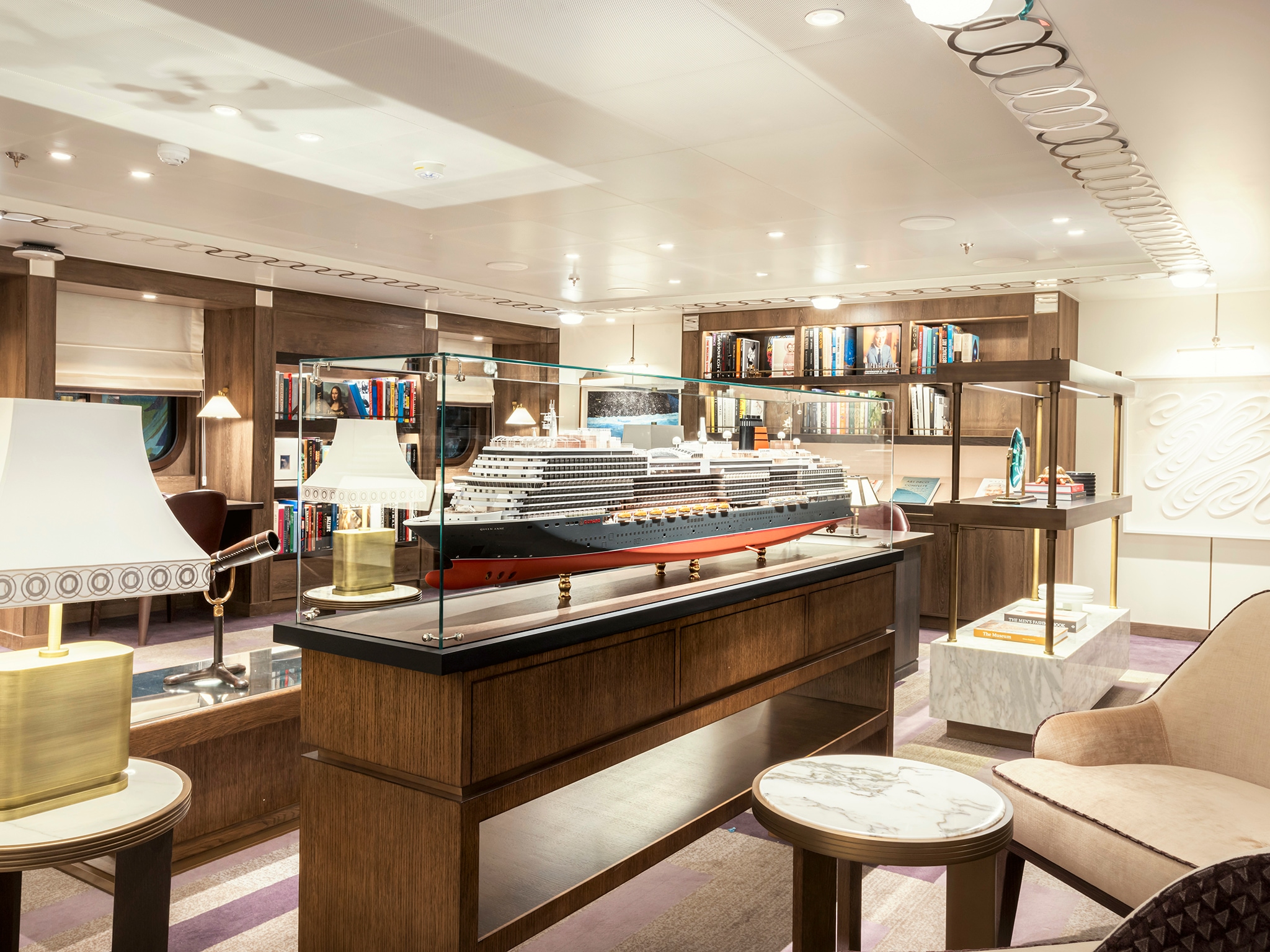
Cabin selection affects an Alaska voyage more than a simple inside-versus-balcony decision. Consider covered versus exposed balconies, forward motion, elevators, observation lounges, connecting doors and access to open decks. On one-way sailings, one side may face land more often, but ships maneuver and scenic viewing occurs on both sides. Families should verify occupancy and bedding rather than assuming a suite title guarantees privacy. The best value balances room comfort with the budget needed for Alaska’s premium excursions.

Alaska accommodation: Denali & Wilderness Lodges

Denali & Wilderness Lodges

Lodges near Denali, Talkeetna, Kenai Fjords and remote rivers range from full-service cruise-tour properties to intimate wilderness operations. A beautiful lodge may sit far from town or park transportation, so meal access and shuttles matter. Remote properties can bundle guiding, meals and transfers, while roadside hotels may require more independent planning. Ask about stairs, walking distances, room cooling, blackout curtains, Wi-Fi, dining reservations and luggage handling. In peak summer, the strongest locations and room categories can sell out long before flights.

Alaska accommodation: Anchorage, Fairbanks & Gateway Hotels

Anchorage, Fairbanks & Gateway Hotels

Gateway hotels are practical components of a complex trip. In Anchorage, location affects access to rail depots, rental cars, restaurants and airport transfers. Fairbanks properties vary between downtown convenience, river settings and aurora-oriented lodges outside city lights. A hotel night before an early train or after a late flight protects the itinerary. Travelers should not select solely by star rating; shuttle hours, breakfast timing, air conditioning, elevator access and the cost of reaching the next departure point can be more important.

Alaska accommodation: Remote Adventure Lodges

Remote Adventure Lodges

Fly-in bear-viewing, fishing and wilderness lodges create deeply immersive Alaska experiences, often with small guest counts and guided daily activities. Rates can appear high because air transfers, meals, equipment and guiding may be bundled. Confirm exactly what is included, how weather delays are handled, luggage limits on small aircraft and whether travel insurance covers the specific activities. These stays work best when travelers can accept operational changes and limited connectivity. A buffer night in Anchorage or another gateway reduces the risk of an international or cruise connection collapsing after a weather delay.

LOGISTICS & ENTRY REQUIREMENTS

Plan Flights, Passports, Ports, Rail and Transfers

Documents & Border Rules

U.S. citizens flying directly to Alaska from another U.S. state do not cross an international border. Cruises are different: many sail from Vancouver or call in Canada, and documentation depends on citizenship, itinerary and cruise-line policy. A qualifying closed-loop cruise may have different U.S. document rules than a one-way sailing. The U.S. Department of State strongly recommends a passport book for cruise passengers because an emergency flight home from Canada requires appropriate international air documents. Non-U.S. travelers must also verify U.S. and Canadian entry requirements.

Gateways, Transportation & Timing

Seattle and Vancouver are major cruise gateways; Anchorage and Fairbanks handle most long-haul land-trip flights. Seward and Whittier are cruise ports connected to Anchorage by rail, motorcoach or private transfer. Juneau, Ketchikan and many Southeast communities are reached primarily by air or water. Alaska uses U.S. currency, and credit cards are widely accepted, though remote operators may have limited connectivity. Distances are long, rental cars limited and one-way drop fees significant. Build buffer nights around cruises, trains and small-aircraft connections.

Entry requirements, park access, road construction and operating schedules can change. McNellis Travel verifies the confirmed cruise, citizenship, transportation and supplier rules before final payment and departure.

SAMPLE ITINERARIES & TRIP LENGTHS

Give Alaska Enough Time to Feel Immense

These sample Alaska itineraries are planning frameworks. Final routes depend on ship schedules, rail operating days, park access, lodge inventory and the pace that suits your group.

Alaska itinerary: Seven Nights: Classic Inside Passage Cruise

Seven Nights: Classic Inside Passage Cruise

Sail round trip from Seattle or Vancouver with calls such as Juneau, Ketchikan and Skagway plus a confirmed glacier-viewing experience. Arrive at least one night early—two nights is better when flying across the continent. Select one priority excursion, one cultural or community experience and enough free time to explore a port independently. This format is the easiest first Alaska trip, but it does not include Denali or the Interior.

Alaska itinerary: Ten to Twelve Nights: Cruise, Rail & Denali

Ten to Twelve Nights: Cruise, Rail & Denali

Combine a one-way seven-night cruise with Anchorage and two or three nights near Denali. Travel between the coast and Interior by scenic rail or a coordinated cruise-tour. Use Whittier or Seward according to the ship itinerary and avoid same-day long-haul flights after an overland transfer. Two nights at Denali is the practical minimum; three adds weather flexibility and time for a park tour, flightseeing or a slower lodge day.

Alaska itinerary: Fourteen Nights: Complete Land-and-Sea Alaska

Fourteen Nights: Complete Land-and-Sea Alaska

Two weeks supports a one-way cruise, Southcentral exploration and an Interior extension without racing. Spend time in Seward or the Kenai Peninsula, travel through Anchorage and Talkeetna, stay several nights at Denali and finish in Fairbanks—or reverse the route. Add a small-ship excursion, rail segment and meaningful cultural experience. Protect a final buffer night before the flight home, especially when remote lodges, small aircraft or weather-sensitive activities are involved.

ALASKA VACATION FAQ

Answers Before You Head North

McNellis Travel compares Alaska ships, cruise-tours, rail schedules, lodges, flights and excursions around your dates, mobility, budget and must-see experiences.

Request an Alaska Vacation Quote
What is the best month to visit Alaska?

June through August offers the longest days and broadest visitor services. May can bring snowier mountain views, fewer crowds and strong wildlife opportunities, while September offers fall color and possible aurora darkness but cooler, wetter weather and reduced schedules. The best month depends on whether your priority is cruising, wildlife, hiking, fishing, value or northern lights.

Do I need a passport for an Alaska cruise?

Alaska is part of the United States, but many cruises visit Canada or begin or end in Vancouver. Documentation depends on citizenship, itinerary and cruise-line rules. Some U.S. citizens on qualifying closed-loop cruises may use approved proof of citizenship and photo identification, but the U.S. Department of State strongly recommends a passport book for cruise travelers in case an emergency requires international air travel. McNellis Travel verifies the exact requirements before booking.

Is an Alaska cruise-tour worth adding?

A cruise-tour is worthwhile when you want Denali or Interior Alaska and prefer coordinated rail, motorcoach, hotels and luggage handling. Independent land planning provides more flexibility but requires careful timing. Compare the exact park tour, number of nights, transportation class and hotel locations; packages with similar names can deliver very different experiences.

How far ahead should I book an Alaska vacation?

For peak summer dates, desirable balcony cabins, family rooms, rail seats, Denali lodges and limited-capacity excursions can fill many months in advance. Booking roughly nine to fifteen months ahead often provides stronger choice, especially for groups or cruise-and-land combinations. Later bookings can work, but flexibility on date, ship, cabin and hotel becomes more important.