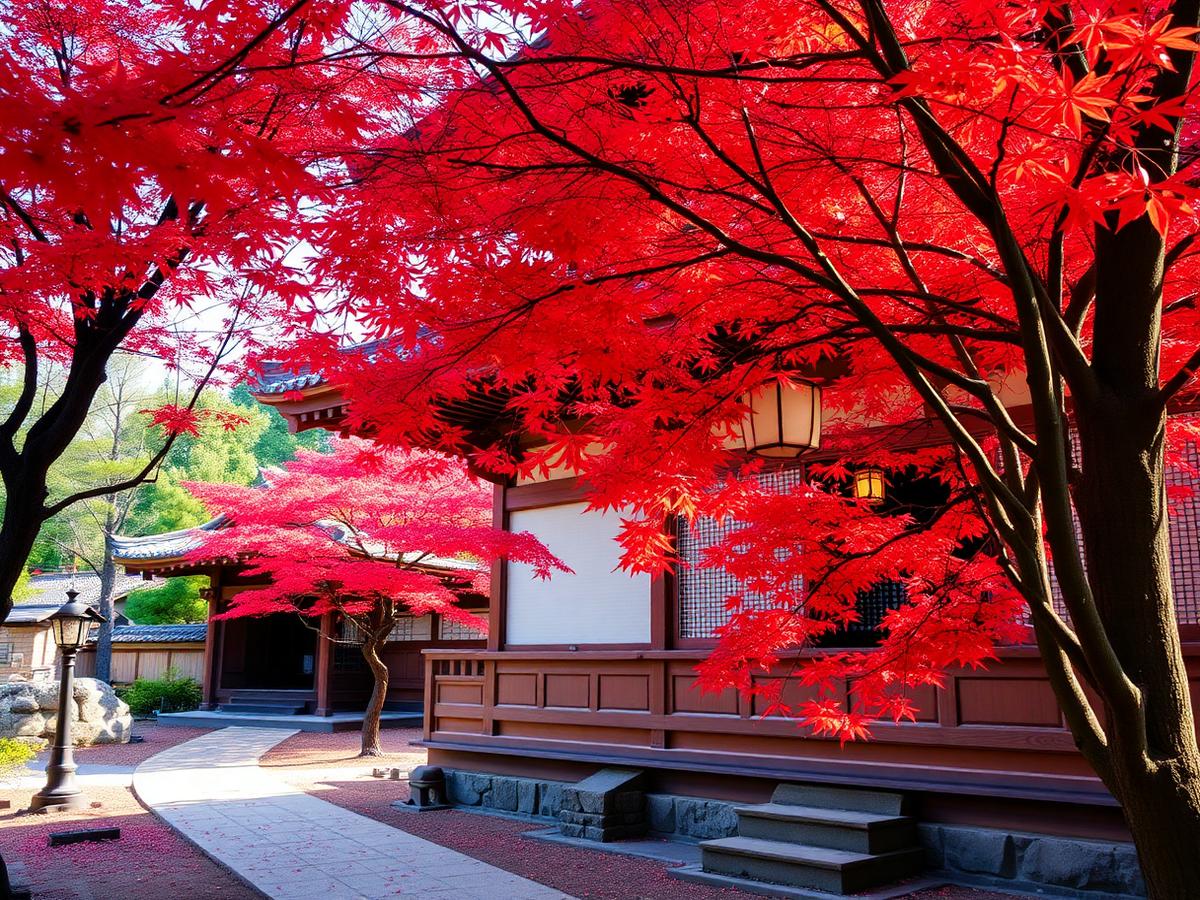

Traditional Japanese architecture framed by brilliant red maple trees

ASIA TOURS, CRUISES & VACATION PACKAGES

Asia Vacations, Cultural Journeys & Cruises

Asia is not one destination—it is a continent of distinct cultures, climates, cities, landscapes and travel styles. A successful trip might connect Tokyo and Kyoto by rail, explore Vietnam and Cambodia with local guides, sail between Japan and Korea, cruise the Mekong, or pair Bali’s temples with a carefully chosen beach resort. McNellis Travel compares flights, hotels, tours, cruises, transfers and entry requirements as one complete journey, creating an itinerary with enough structure to feel confident and enough time to experience each place.

Japan, Korea & Southeast AsiaCruises, Tours & RailCulture, Cuisine & Beaches

REGIONS & KEY DESTINATIONS

Choose the Right Part of Asia for Your Travel Style

Geography, climate, entry rules and pace vary sharply. Start with the experience you want, then build a route that respects distance.

Asia destination region: Japan

Japan

Japan works beautifully for first-time Asia travelers who want cultural depth with dependable transportation. Tokyo brings neighborhoods, cuisine and contemporary energy; Kyoto adds temples, gardens and traditional districts; Osaka is lively and food-focused. Hiroshima, Kanazawa, Hakone, Hokkaido and Kyushu create very different extensions. Rail is efficient, but the fastest itinerary is not always the best one. Hotel location, luggage forwarding, seasonal crowds and realistic station transfers determine whether a multi-city trip feels effortless or rushed.


Asia destination region: South Korea

South Korea

Seoul combines palaces, markets, design, nightlife and exceptional public transportation. Busan adds beaches, seafood and a major port, while Gyeongju provides historic sites and Jeju offers volcanic scenery and resort stays. Korea can stand alone for seven to ten days or pair with Japan when flight and ferry schedules make sense. Travelers should leave time for neighborhood exploration rather than treating Seoul as a short connection. Seasonal color, winter temperatures and major holidays influence both atmosphere and availability.

Asia destination region: China, Hong Kong & Taiwan

China, Hong Kong & Taiwan

Beijing, Shanghai, Xi’an, Hong Kong and Taipei each deliver a different urban and cultural experience. China’s scale favors carefully selected regions rather than an exhausting checklist. Hong Kong works as a compact city stay or cruise gateway, while Taiwan balances food, temples, cities, mountains and rail. Entry rules, payment platforms, connectivity and guided-tour requirements can change, so planning must be specific to nationality and exact itinerary. Local holidays can dramatically affect rail tickets, attractions and hotel pricing.

Asia destination region: Thailand, Vietnam & Cambodia

Thailand, Vietnam & Cambodia

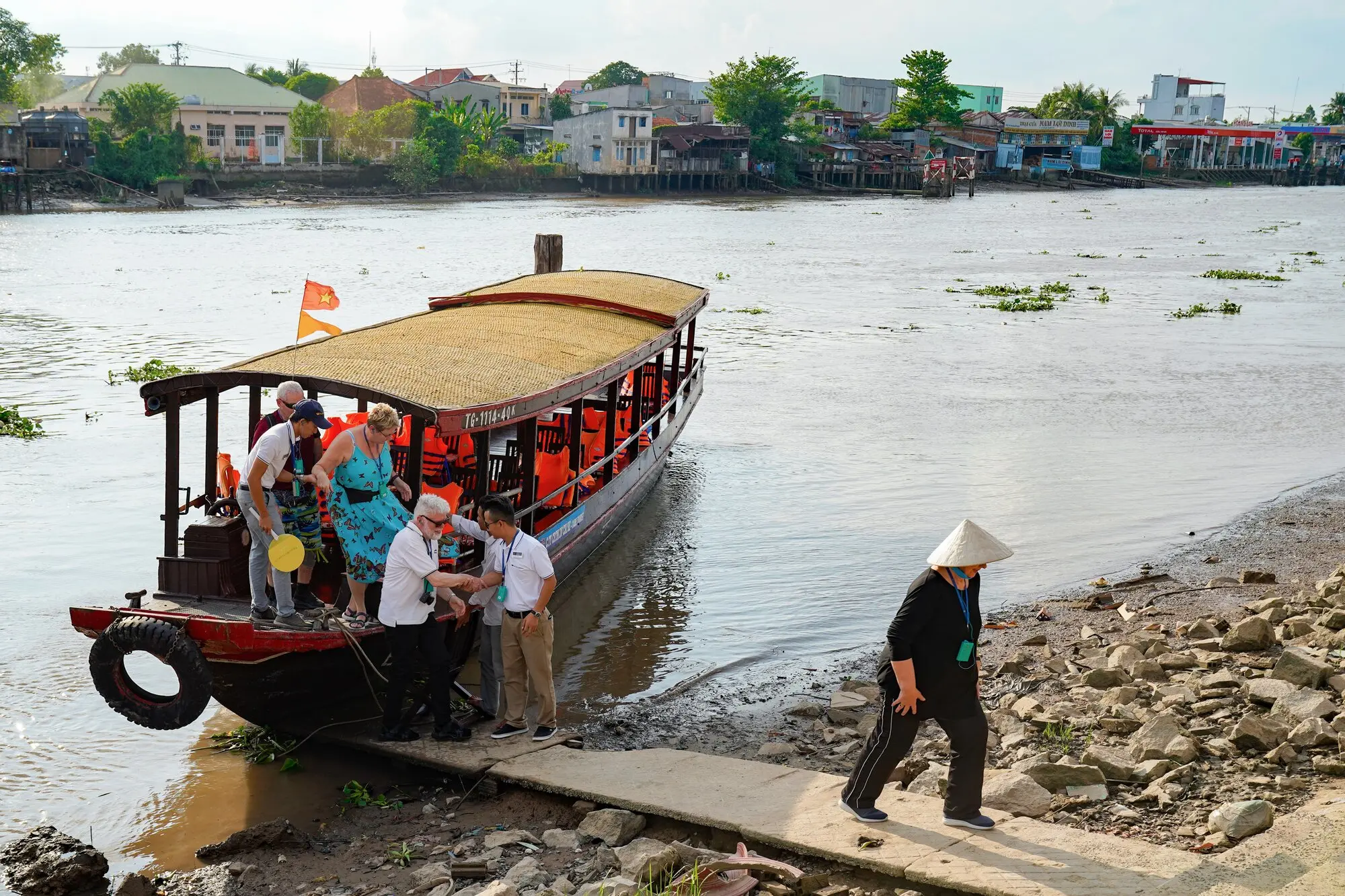
Mainland Southeast Asia supports an extraordinary combination of cities, temples, food, landscapes and rivers. Bangkok and northern Thailand contrast with the southern islands; Vietnam stretches from Hanoi and Ha Long Bay through central heritage cities to Ho Chi Minh City and the Mekong; Cambodia’s Angkor complex deserves more than a rushed day. These countries can be combined, but border formalities and internal flights consume time. A thoughtful itinerary usually chooses two countries or one country in depth rather than racing through every famous stop.

Asia destination region: Singapore & Malaysia

Singapore & Malaysia

Singapore is an accessible gateway with excellent air service, diverse neighborhoods, renowned dining and cruise connections. Malaysia adds Kuala Lumpur, Penang, Malacca, highlands, rainforests and island resorts. Together they create a strong city, culture and food itinerary with comparatively straightforward transportation. Tropical heat and rain are year-round realities, while regional haze may affect some periods. Travelers should compare a land journey with a cruise or resort extension instead of assuming one style fits every destination.

Asia destination region: Indonesia & Bali

Indonesia & Bali

Bali combines temples, rice landscapes, wellness, beaches and a wide range of villas and resorts, but traffic makes map distances deceptive. Ubud, the southern beach zones and quieter coastal regions have distinct personalities. Indonesia extends far beyond Bali to Java, Komodo, Lombok and numerous diving destinations. Domestic flights and boats need buffers. Resort standards, beach conditions and seasonal currents vary. Choosing fewer bases creates more time for culture and relaxation and less time sitting in transfers.

Asia destination region: India, Sri Lanka & the Himalayas

India, Sri Lanka & the Himalayas

South Asia rewards travelers who embrace depth, contrast and guided context. India may focus on the Golden Triangle, Rajasthan, Kerala, wildlife, spiritual traditions or cuisine; trying to combine them all creates excessive transit. Sri Lanka offers a compact circuit of cultural sites, tea country, wildlife and coast. Nepal and Bhutan emphasize Himalayan landscapes and distinct touring requirements. Climate varies sharply by region and altitude, so the correct season depends on the exact route—not a single Asia-wide calendar.

BEST TIME TO VISIT & WEATHER

Plan Around Regional Seasons—not an Asia-Wide Rule

Asia spans tropical islands, temperate cities, deserts and high mountains. The best season depends on every stop.

Spring & Autumn

Japan and Korea are especially popular for blossoms and fall color. Pleasant temperatures bring crowds and higher prices, so hotels, guides and rail planning should begin early.

Dry & Monsoon Patterns

Southeast Asian rainfall varies by country and even by coast. A dry period in one beach region can be wet elsewhere. Heat and humidity are year-round planning factors.

Holidays & Regional Events

Lunar New Year, Golden Week, Diwali, local festivals and national holidays can enrich a trip while also closing businesses and straining flights, rail and attractions.

Weather disruption, typhoons, haze and extreme heat are possible. Flexible protection and realistic connections matter.

TOP EXPERIENCES & TRAVEL STYLES

Build an Asia Journey Around What Excites You

Asia travel experience: Cultural & Historical Touring

Cultural & Historical Touring

Temples, palaces, historic districts, museums and living traditions become more meaningful with qualified local guides. Strong touring balances landmark context with markets, neighborhoods and unscheduled discovery. Dress rules, photography restrictions and sacred-space etiquette differ. McNellis Travel compares private, small-group and escorted options so travelers receive the right support without losing independence.

Asia travel experience: Food, Markets & Culinary Travel

Food, Markets & Culinary Travel

Asia’s culinary variety is one of its greatest attractions. Street-food walks, market visits, tea traditions and chef-led experiences can anchor an itinerary, but hygiene, allergies and dietary communication require preparation. Food should not be treated as one generic regional category: Japanese, Thai, Vietnamese, Korean, Indian, Sri Lankan and Malaysian cuisines have their own histories and local specialties.

Asia travel experience: Ocean & River Cruises

Ocean & River Cruises

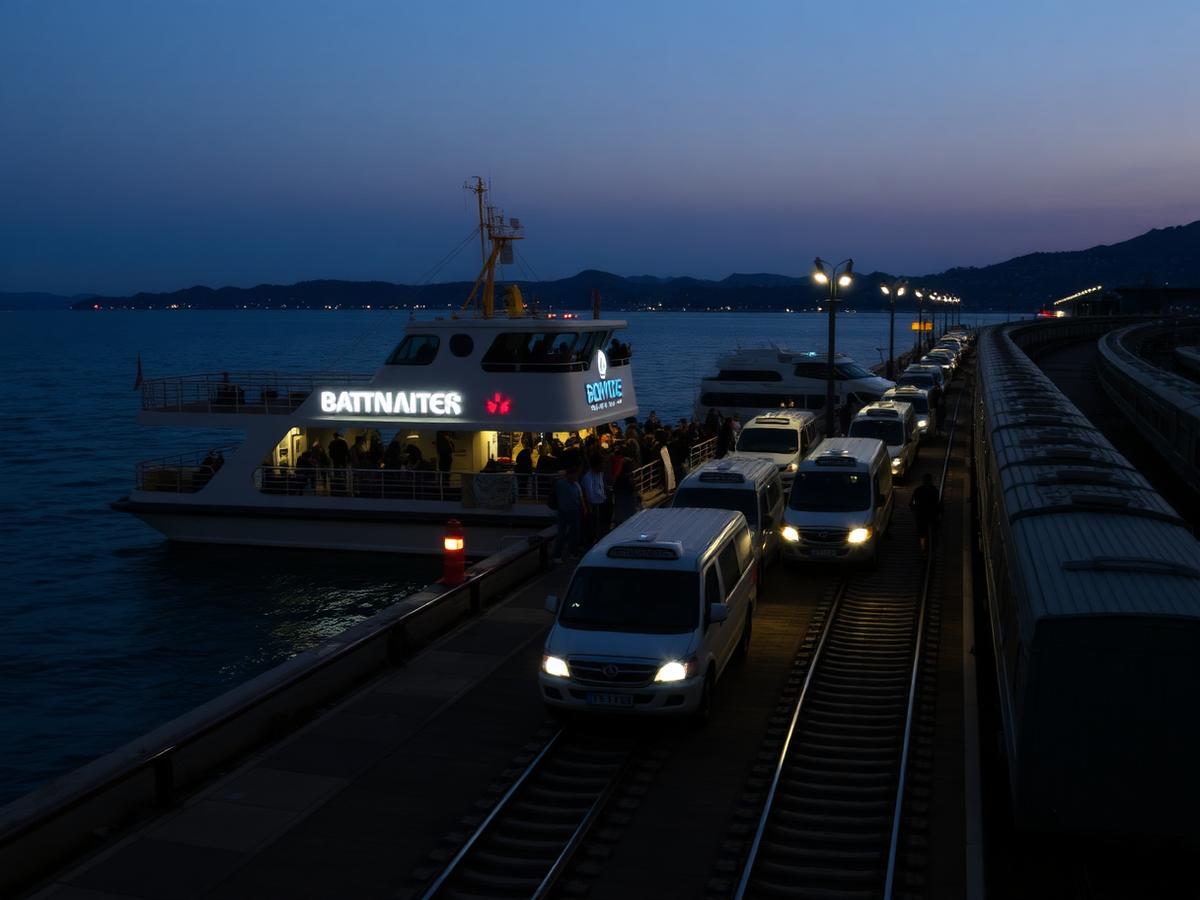
Ocean cruises connect Japan, Korea, Southeast Asia and major gateways without repeated hotel changes. River journeys on the Mekong provide access to communities and landscapes that road itineraries handle differently. Compare port time, overnight calls, included excursions, visa handling and pre- or post-cruise hotels. A cruise samples the region; a land extension adds the depth many travelers expect.

Asia travel experience: Rail & Multi-City Journeys

Rail & Multi-City Journeys

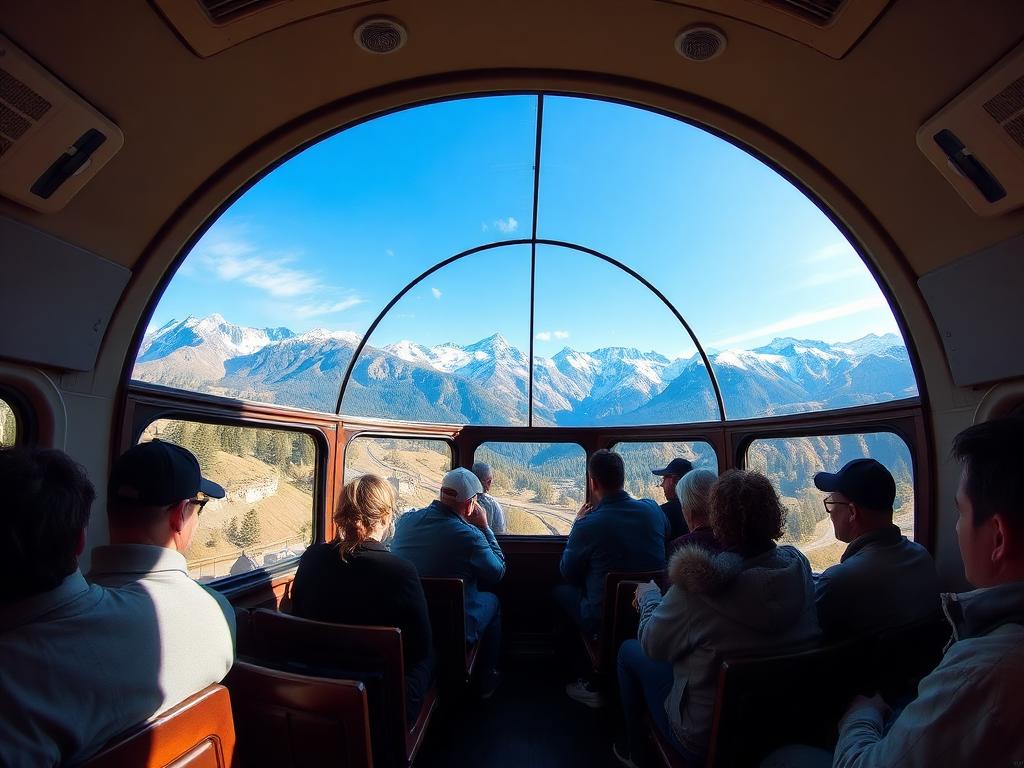
Japan, Korea, China and Taiwan have extensive rail systems, but tickets, luggage rules, station size and peak-period demand still require planning. Rail passes are not automatically the lowest-cost option. A well-designed route groups cities geographically, protects check-in times and uses luggage forwarding or reserved seats when helpful. Overnight trains elsewhere in Asia vary considerably in comfort and reliability.

Asia travel experience: Beaches, Wellness & Nature

Beaches, Wellness & Nature

Bali, Thailand, Vietnam, Malaysia, Sri Lanka and the Philippines can add beaches after an active cultural journey. Choose by season, flight access and desired atmosphere rather than by a generic tropical image. Monsoons affect coasts differently, and some beaches are better for swimming than others. Wellness retreats, wildlife, hiking and diving should use responsible operators and realistic safety standards.

FEATURED HOTELS & ACCOMMODATION TYPES

Choose Stays That Strengthen the Route

Location, room configuration, cultural expectations and transportation access shape the experience as much as star rating.

Asia accommodation style: City Hotels & Luxury Towers

City Hotels & Luxury Towers

City hotels range from compact, transit-friendly rooms to landmark luxury properties. Neighborhood is often more important than brand: proximity to rail, restaurants and evening activity saves time. Confirm bed configuration, room size, breakfast, lounge access and late-arrival procedures. In Tokyo, Seoul, Singapore and Hong Kong, a lower-category room in the right district may create the stronger trip.

Asia accommodation style: Ryokans, Heritage Hotels & Local Stays

Ryokans, Heritage Hotels & Local Stays

Traditional inns and heritage properties can become a highlight rather than just a bed. A Japanese ryokan may include tatami rooms, communal bathing and elaborate meals; historic hotels elsewhere may have stairs, older layouts or limited accessibility. Cultural customs, meal times and footwear rules should be understood in advance. One or two nights often provide the right balance within a broader itinerary.

Asia accommodation style: Beach Resorts & Private Villas

Beach Resorts & Private Villas

Resorts in Bali, Thailand, Vietnam, Malaysia and Sri Lanka range from family complexes to adults-focused wellness retreats and private-pool villas. Verify beach quality, swimmability, dining access, transportation and whether a villa is professionally managed. All-inclusive plans are less universal than in the Caribbean, so local dining and resort meal pricing should be included in the budget.

Asia accommodation style: Cruise Cabins & Escorted Tours

Cruise Cabins & Escorted Tours

Cruises and escorted tours simplify complex transportation, but inclusions differ. Compare cabin position, hotel category, group size, meals, gratuities, optional excursions and the amount of free time. A premium tour may offer better guide access and pacing, while a cruise reduces packing. The right format depends on mobility, confidence and how deeply travelers want to explore each place.

LOGISTICS & ENTRY REQUIREMENTS

Coordinate Passports, Visas, Flights and Local Transportation

Documents & Digital Forms

Asian countries do not share one entry policy. Visa exemptions depend on nationality and length of stay. Thailand uses a digital arrival card for foreign travelers; Vietnam and Indonesia have official electronic visa systems for eligible visitors; Japan’s requirements vary by nationality. China, India, Sri Lanka, Cambodia and other destinations maintain separate rules. Transit countries may impose additional requirements. Verify passports, visas, arrival forms and permitted entry points for the exact itinerary.

Gateways, Rail & Internal Flights

Tokyo, Seoul, Singapore, Bangkok, Hong Kong, Delhi and other hubs connect international and regional routes. Airport transfers can be long, and cities may have multiple airports. High-speed rail is excellent in selected countries, while regional flights remain essential elsewhere. Luggage limits on local carriers may be lower than long-haul allowances. Currency and payment practices vary; travelers should carry more than one payment method and understand local connectivity before arrival.

Entry rules change. McNellis Travel checks current official guidance for the confirmed citizenship, dates, transit points and destinations.

SAMPLE ITINERARIES & TRIP LENGTHS

Travel Farther by Choosing a Smarter Pace

These planning frameworks leave room for culture, food and independent discovery instead of counting countries.

Asia sample itinerary: Nine Days: Tokyo, Hakone & Kyoto

Nine Days: Tokyo, Hakone & Kyoto

Spend four nights in Tokyo, one in Hakone or another scenic stop and three or four in Kyoto. Add Osaka as a day trip or departure point rather than another rushed hotel change. Reserve time for one guided cultural day, one food-focused experience and independent neighborhood exploration. Spring blossoms and autumn color require early booking, while other seasons can offer better value and breathing room.

Asia sample itinerary: Twelve Days: Vietnam & Cambodia

Twelve Days: Vietnam & Cambodia

Combine Hanoi and northern scenery with central or southern Vietnam, then finish with three nights in Siem Reap for Angkor. Limit one-night stays and avoid scheduling an international connection immediately after a regional flight. A Mekong cruise can replace part of the land itinerary when travelers prefer unpacking once. Visa validity and permitted entry points must match the confirmed route.

Asia sample itinerary: Fourteen Days: Thailand, Singapore & Bali

Fourteen Days: Thailand, Singapore & Bali

Use Bangkok and northern or southern Thailand as the first focus, add two or three nights in Singapore, then finish with a carefully chosen Bali base. This itinerary combines culture, food, city energy and relaxation, but it includes flights and should not add more countries. Match the beach segment to monsoon patterns and allow extra transfer time in Bali because traffic is unpredictable.

ASIA VACATION FAQ

Answers Before Your Journey Across Asia

McNellis Travel compares Asia tours, cruises, hotels, flights and transfers around your dates, budget, comfort and interests.

Request an Asia Vacation Quote
Which Asian destination is best for a first visit?

Japan is highly approachable for travelers who value efficient transportation, safety, food and a blend of modern and traditional culture. Thailand is strong for value, cuisine and beaches, while Singapore is an easy gateway. The best choice depends on flight time, weather, mobility, budget and desired pace.

When is the best time to travel to Asia?

There is no single best month for an entire continent. Japan and Korea have four distinct seasons; Southeast Asia has regional wet and dry patterns; India and Sri Lanka vary by coast and elevation. Start with the exact route, then compare temperature, rainfall, holidays, air quality and crowd levels.

Do I need visas or digital arrival forms for Asia?

Requirements depend on citizenship, destination and transit points. Thailand requires foreign travelers to submit its digital arrival card, while Vietnam and Indonesia operate official electronic visa systems for eligible travelers. Japan’s visa requirements vary by nationality. Rules change, so every country and entry point must be verified before departure.

How long should an Asia vacation be?

Ten to fourteen nights is a useful minimum for most long-haul Asia trips. Seven to nine nights can work for one country and a compact route. Combining several countries usually needs two to three weeks. Fewer bases create deeper experiences and protect the trip from delays.