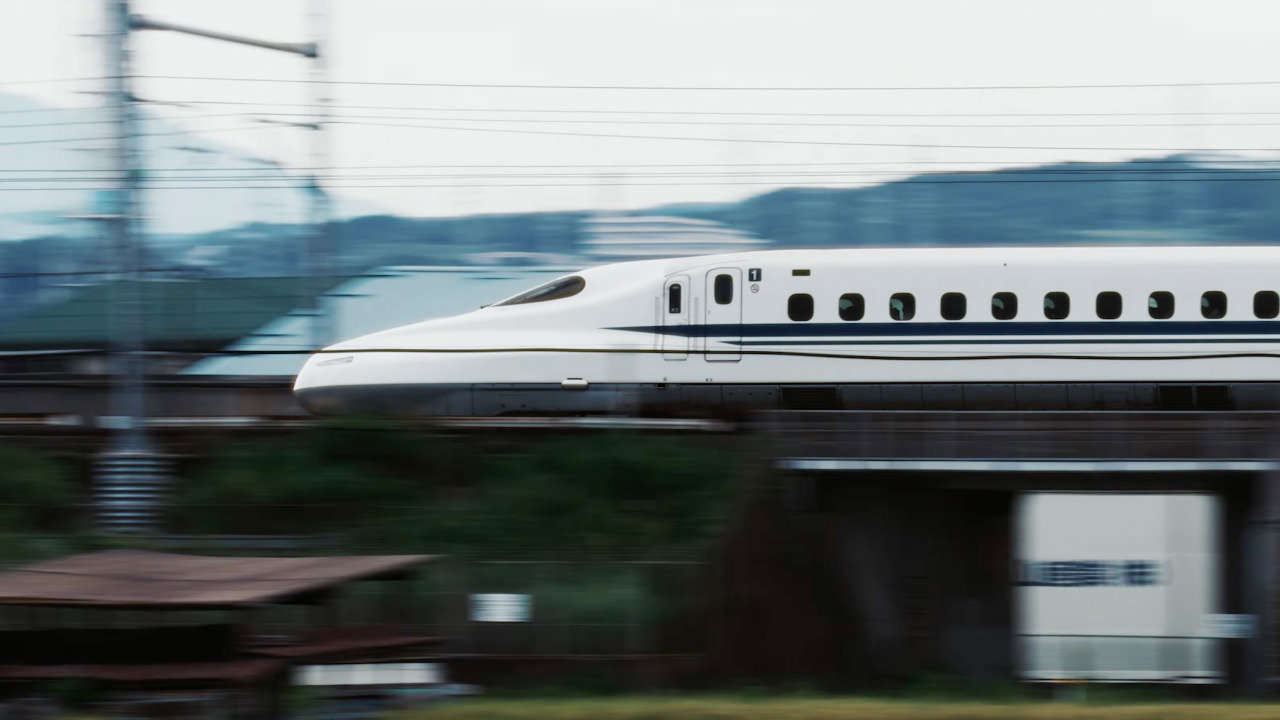
Official Tokaido Shinkansen high-speed train traveling through Japan

JAPAN AT HIGH-SPEED

Japan Bullet Train Packages and Shinkansen Travel

Japan’s Shinkansen is not one train but a national family of high-speed lines linking Tokyo with Kyoto, Osaka, Hiroshima, Kanazawa, Sendai, northern Honshu and Kyushu. Frequency and station-center access make it the practical backbone of a multi-city trip, while immaculate operations turn transportation into an experience. McNellis Travel selects the right trains, seats, luggage strategy, hotels and pass—or proves that individual tickets are better.

SECTION 2 · CLASS & ONBOARD EXPERIENCE

Shinkansen Ordinary, Green Car and GranClass Seats

Class availability depends on the exact line and train. Ordinary and Green cars cover the widest network. GranClass belongs to selected eastern and northern services, so it cannot be used as a generic upgrade on every bullet-train itinerary.

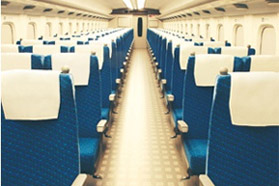
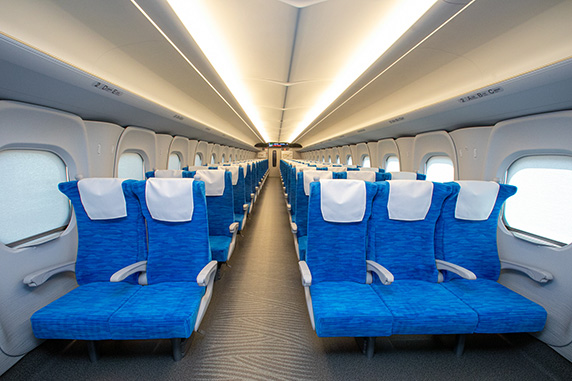
Official Ordinary Car seating aboard the Tokaido Shinkansen
EFFICIENT STANDARD

Ordinary Car

Ordinary cars commonly use a two-plus-three seating layout on the Tokaido and provide clean, comfortable reclining seats, tray tables, power on current equipment and reserved or non-reserved options where offered. It is sufficient for most two- to four-hour journeys.

  • Reserved and selected non-reserved seating
  • Broadest pass compatibility
  • Two-plus-three seating on Tokaido trains
  • Best-value choice for most travelers
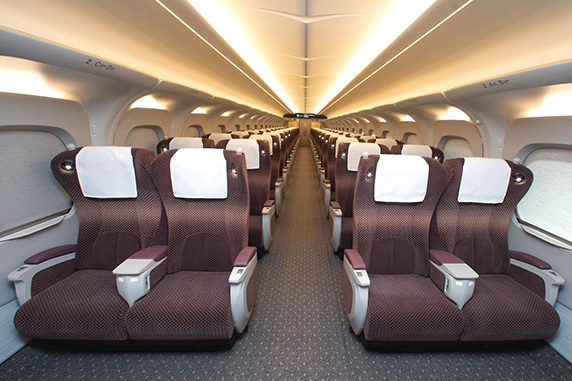
Official Green Car seating aboard the Tokaido Shinkansen
QUIETER UPGRADE

Green Car

Green Car uses wider two-plus-two seating on many routes, with greater pitch, quieter cabins and a more relaxed environment. A Green Japan Rail Pass or the appropriate Green ticket is required; the child Green surcharge does not receive the same discount as basic child fare.

  • Two-plus-two seating on key routes
  • More width and legroom
  • Reserved seating
  • Available across many Shinkansen lines
Official Japanese high-speed rail onboard hospitality experience
SELECT NORTHERN LINES

GranClass

GranClass provides an 18-seat premium cabin on selected Tohoku, Hokkaido, Hokuriku and Joetsu trains. Some services include an attendant, refreshments and beverages; others are explicitly sold without meal or beverage service. It is not available on Tokyo–Kyoto Tokaido trains.

  • One-plus-two premium seating
  • Deep electric recline
  • Service varies by train
  • Not generally covered as a pass inclusion

SECTION 3 · ROUTES & PACING

Japan Bullet Train Routes: Tokaido, Sanyo and Tohoku

Train names, operating companies and pass coverage change as the itinerary moves across regions. The fastest departure is not always the best when it skips your station, requires a surcharge or creates an awkward hotel arrival.

TokyoKyoto / OsakaJapan Beyond
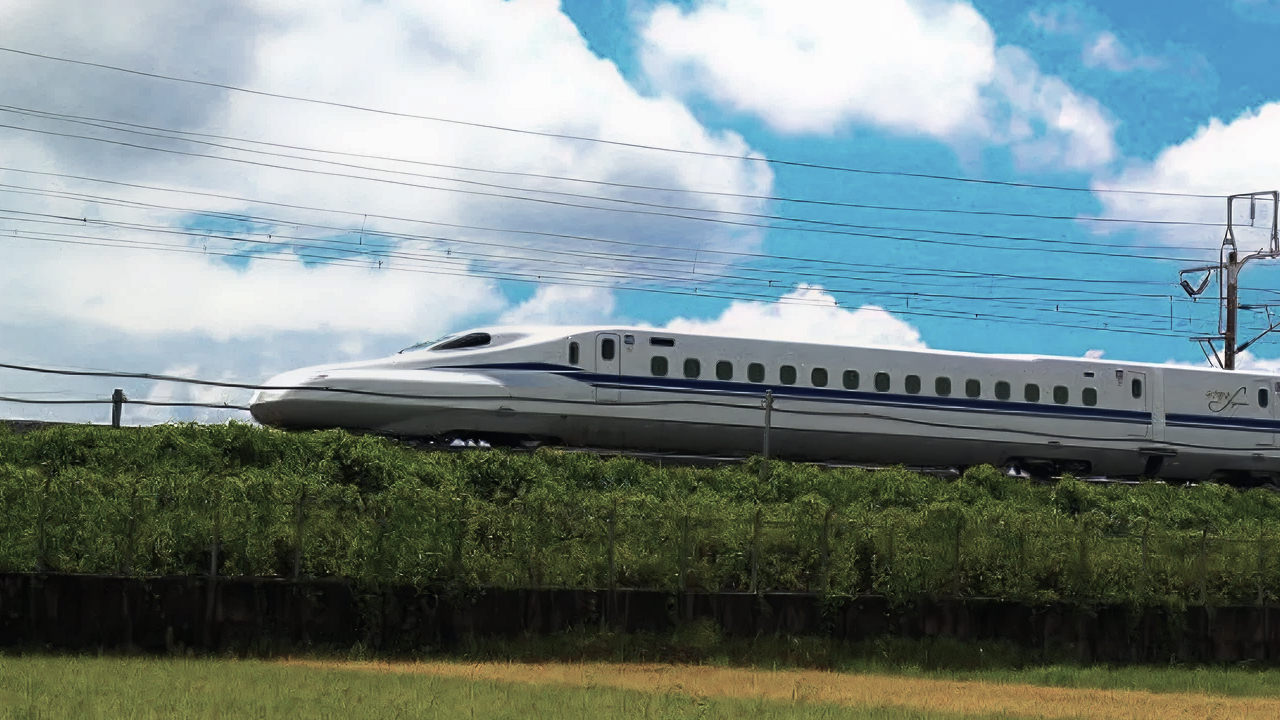
Official Tokaido Shinkansen traveling near Mount Fuji
GOLDEN ROUTE

Tokyo—Kyoto—Shin-Osaka

Nozomi is the fastest and most frequent pattern, Hikari makes additional stops and Kodama serves every station. Reserve the Fuji side if available, but weather—not seat choice—controls whether the mountain appears.

Official Sanyo Shinkansen Ordinary Car interior
WESTERN JAPAN

Osaka—Hiroshima—Hakata

The Sanyo line extends the high-speed journey through Kobe, Himeji and Hiroshima toward Fukuoka, connecting onward to Kyushu. Nozomi, Mizuho, Sakura and Kodama patterns have different stopping and pass rules.

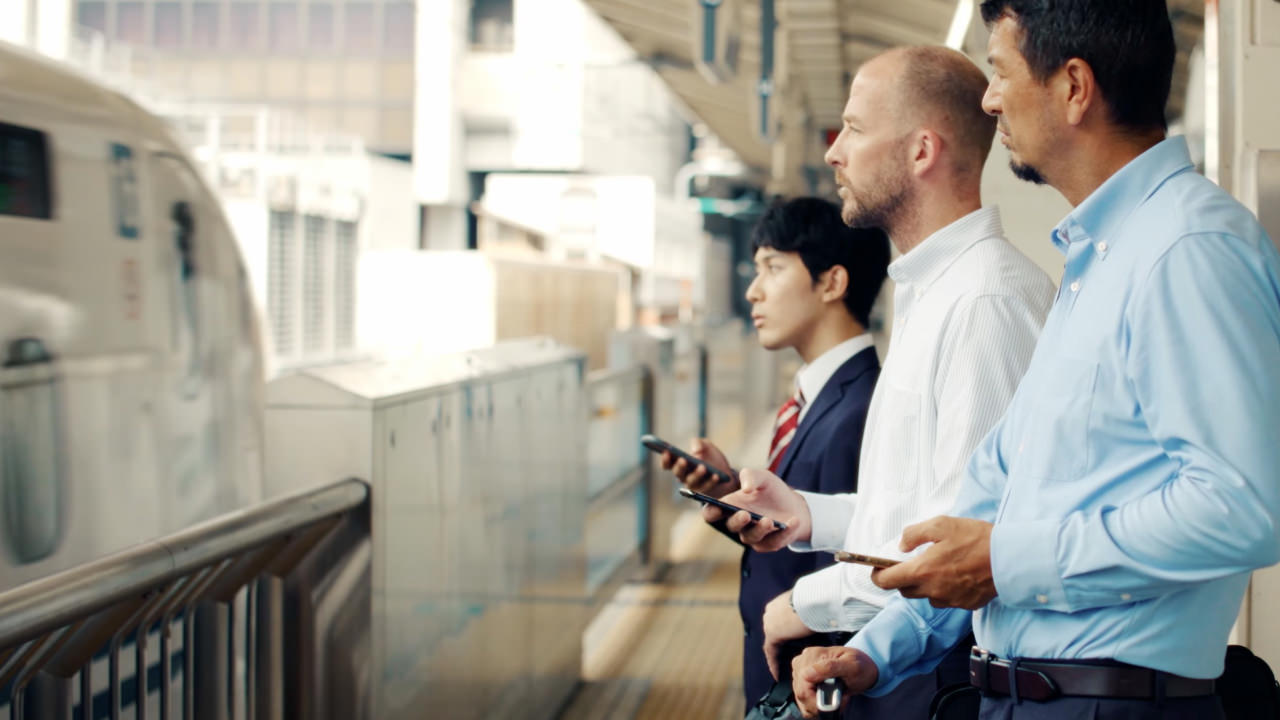
International travelers preparing to board Japan high-speed rail
NORTHERN JAPAN

Tokyo—Sendai—Aomori / Hokkaido

Hayabusa services provide reserved-only high-speed travel north, with selected GranClass. Winter conditions, coupling or splitting trains and long onward journeys make precise car and station instructions especially valuable.

SECTION 4 · TICKETS, LUGGAGE & FINE PRINT

Shinkansen Tickets, Seat Reservations and Rail Pass Rules

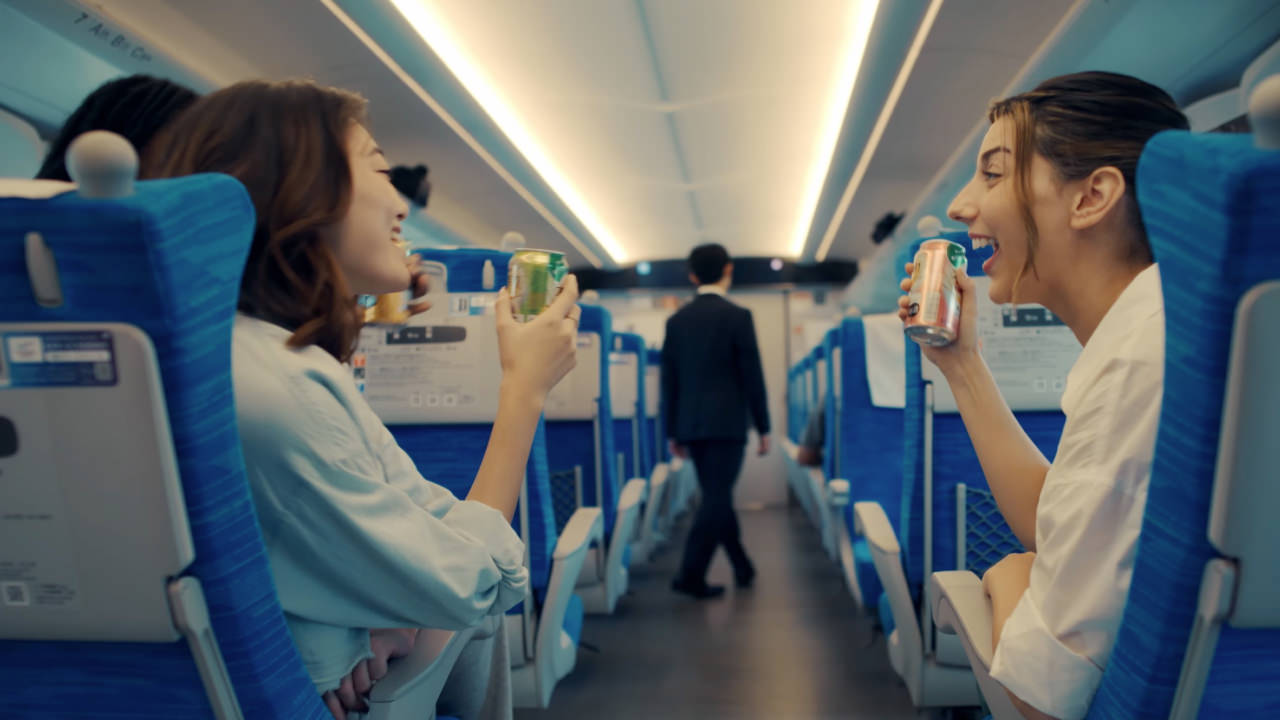
Official Tokaido Shinkansen passenger carriage

Ticket Structure

A Shinkansen journey generally combines a basic fare with a limited-express charge, plus reservation or class supplements where applicable. Booking platforms may display them together even though the railway calculates components.

Oversized Baggage

On Tokaido, Sanyo and Kyushu services, bags totaling 160–250 cm require a reserved seat with an oversized-baggage area. Arriving without the correct reservation can trigger a fee and relocation.

Food & Stations

Onboard sales are limited or absent on some trains. Buy an ekiben meal and drinks before boarding, then be ready at the marked platform position because stops can be brief.

SECTION 5 · BEST TIME TO TRAVEL

Best Time for a Japan Bullet Train Vacation

The Shinkansen operates through every season, but national holidays, cherry blossoms, autumn foliage and winter storms affect seat demand. Japan’s seasonal beauty is valuable only when reservations and hotel geography remain workable.

Choose My Japan Rail Plan
MAR–MAY

Spring & Golden Week

Cherry-blossom timing shifts by region. Late-April and early-May Golden Week creates exceptional demand and all-reserved Nozomi periods.

JUN–AUG

Rain, Heat & Festivals

Rainy season and summer heat make station-center travel appealing. Obon in August is a peak domestic travel period requiring early reservations.

SEP–FEB

Autumn & Winter

Foliage demand moves south over time. Northern snow can affect operations, while winter provides strong city value outside New Year travel.

SECTION 6 · TICKET VS. PASS PRICING

Shinkansen Fares, JR Passes and Package Costs

The nationwide Japan Rail Pass currently costs ¥50,000 Ordinary or ¥70,000 Green for seven days when purchased online. Fourteen-day prices are ¥80,000 and ¥110,000; 21-day prices are ¥100,000 and ¥140,000. Overseas exchange-order prices rise on October 1, 2026.

FOCUSED ITINERARY

Point-to-Point Tickets

Tokyo, Kyoto and Osaka alone often favor individual tickets. This approach also gives unrestricted access to the frequent Nozomi schedule without a passholder supplement.

REGIONAL EXPLORATION

Regional JR Pass

A JR East, JR West, Kyushu or other regional product may outperform the nationwide pass when travel concentrates in one area. Coverage boundaries and train exclusions remain decisive.

MULTI-REGION TRAVEL

Nationwide Japan Rail Pass

The pass can work for multiple long-distance journeys within seven, 14 or 21 consecutive days. Nozomi and Mizuho require a separate passholder-only ticket.

Pass prices and rules were verified against official information available August 25, 2026. McNellis Travel recalculates actual trains, regional products, special tickets, class and exchange-order timing before purchase.

SECTION 7 · FAQ & PRE-TRIP LOGISTICS

Shinkansen Luggage Rules, Stations and Japan Itinerary Planning

Tokyo has multiple Shinkansen boarding stations, while Kyoto uses Kyoto Station and Osaka services use Shin-Osaka—not Osaka Station. Arrive early enough to locate the correct gate, platform, car and luggage position. Keep ticket media together, allow transfer time in enormous stations and forward large suitcases between hotels when practical.

What is the difference between Nozomi, Hikari and Kodama?

On the Tokaido Shinkansen, Nozomi makes the fewest stops and offers the greatest frequency, Hikari makes more stops, and Kodama stops at every station. They use the same core railway but produce different journey times and pass rules.

Can Japan Rail Pass holders ride Nozomi or Mizuho?

The nationwide pass alone does not cover Nozomi or Mizuho. A passholder may use them only after buying the designated NOZOMI MIZUHO Ticket for the chosen train or journey, subject to the pass and ticket conditions.

Do I need to reserve oversized luggage?

On the Tokaido, Sanyo and Kyushu Shinkansen, baggage totaling more than 160 cm and up to 250 cm across length, width and height requires an advance seat reservation with an oversized-baggage area.

Is Green Car the same as GranClass?

No. Green Car is the broadly available first-class-style upgrade. GranClass is a still higher premium cabin offered on selected JR East and connecting Shinkansen lines, not on the Tokaido route between Tokyo and Kyoto.

Should every Japan traveler buy a nationwide rail pass?

No. The pass is valuable only when the covered tickets and convenience exceed its cost. A Tokyo–Kyoto–Osaka itinerary may cost less with point-to-point tickets, while longer multi-region travel may favor a regional or nationwide pass.