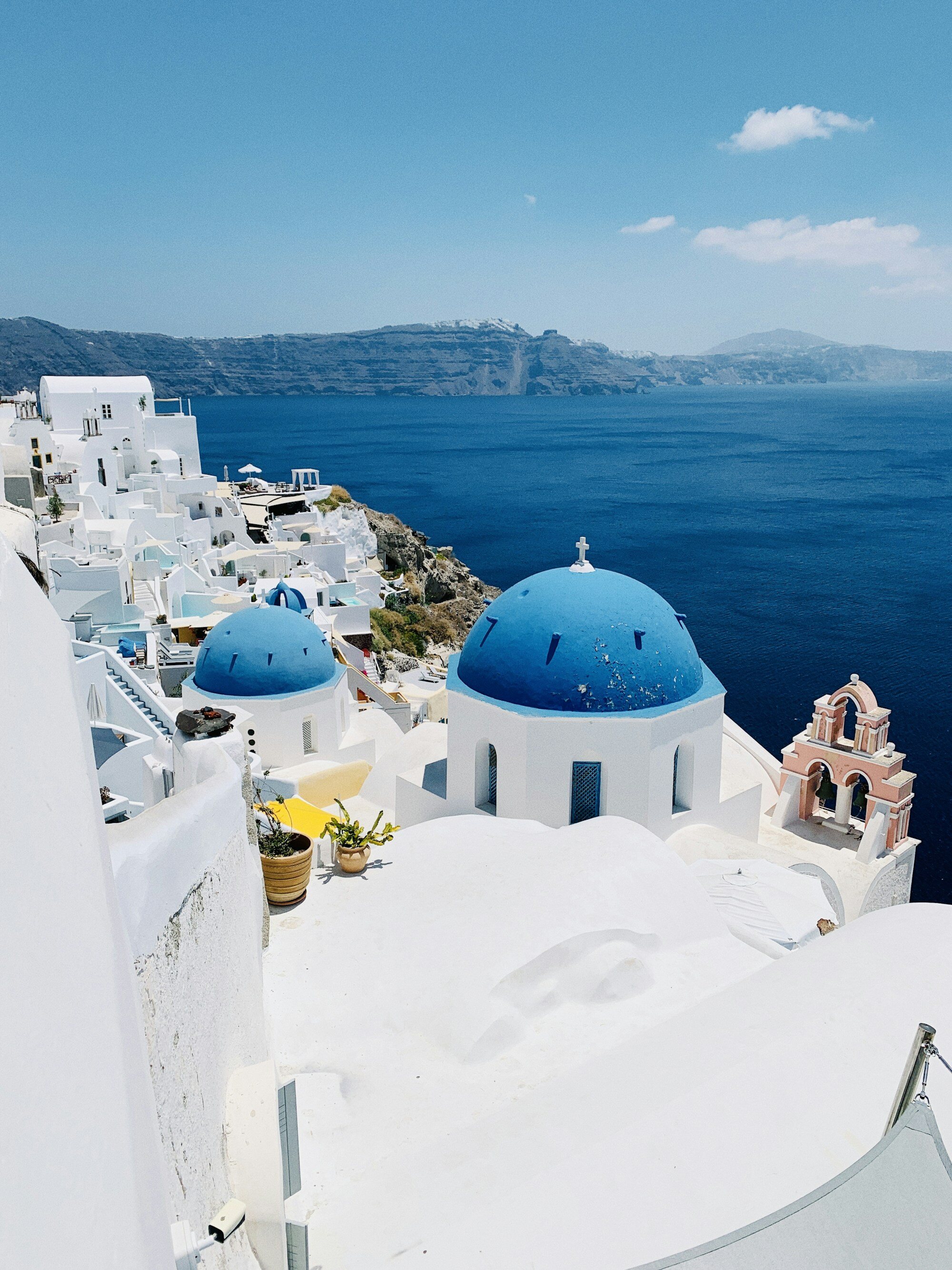
Whitewashed Santorini buildings above the blue Aegean Sea

MEDITERRANEAN CRUISES & VACATION PACKAGES

Mediterranean Cruises, Islands & Cultural Vacations

The Mediterranean brings ancient cities, sunlit islands, celebrated food, resort coastlines and extraordinary cruise routes into one richly connected region. Explore Barcelona and the Balearics, the French Riviera, Rome and the Italian coast, Athens and the Greek Islands, Croatia’s Adriatic ports, Malta or Türkiye. Overnight transatlantic flights and broad one-stop access from major North American hubs make the region practical, but the best trip depends on thoughtful pacing. McNellis Travel compares Mediterranean cruises, hotels, flights, ferries, transfers and experiences as one complete vacation—so your itinerary feels expansive without becoming exhausting.

20+ Coastal CountriesCruises, Islands & ResortsCulture, Cuisine & Beaches

SUB-REGIONS & KEY DESTINATIONS

Choose the Right Mediterranean Coast

Mediterranean vacation packages can combine countries quickly, but every coastline has a different balance of culture, beaches, resorts, ports and transportation. Begin with the experience you want, then build a route that respects real travel time.

Mediterranean destination: Spain & the Balearic Islands

Spain & the Balearic Islands

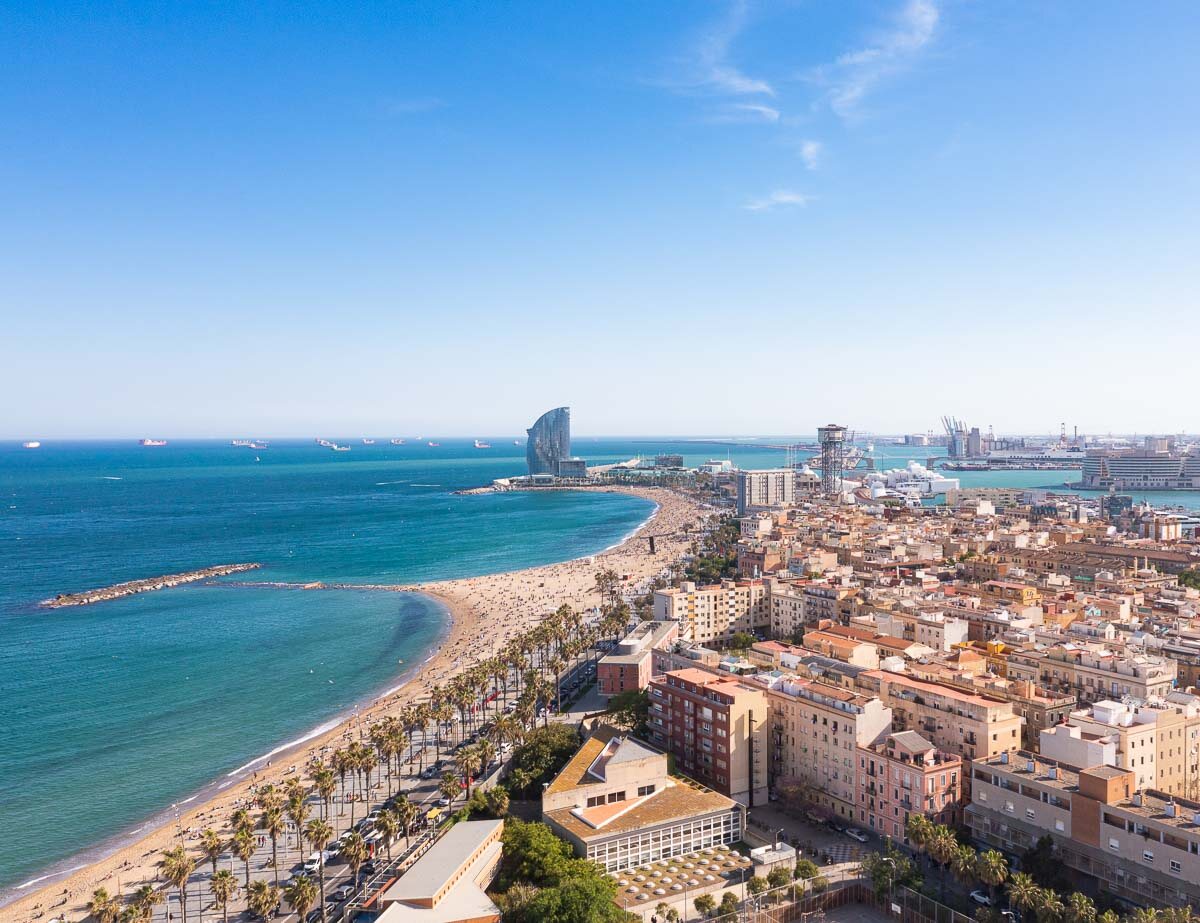
Barcelona is both a major Mediterranean cruise gateway and a rewarding city stay, combining modernist architecture, markets, beaches and convenient rail links. Farther south, Valencia and the Costa del Sol add seaside time, while Mallorca, Menorca and Ibiza offer very different Balearic Island personalities. Mallorca balances coves, mountain drives, villages and resort areas; Menorca is quieter and nature-focused; Ibiza pairs celebrated nightlife with peaceful northern beaches. Spain works especially well for travelers who want food, art and city energy before a cruise or a relaxed island extension afterward. Hotel location matters because a beachfront stay and a historic-center stay create completely different daily rhythms.
Mediterranean destination: French Riviera & Provence

French Riviera & Provence

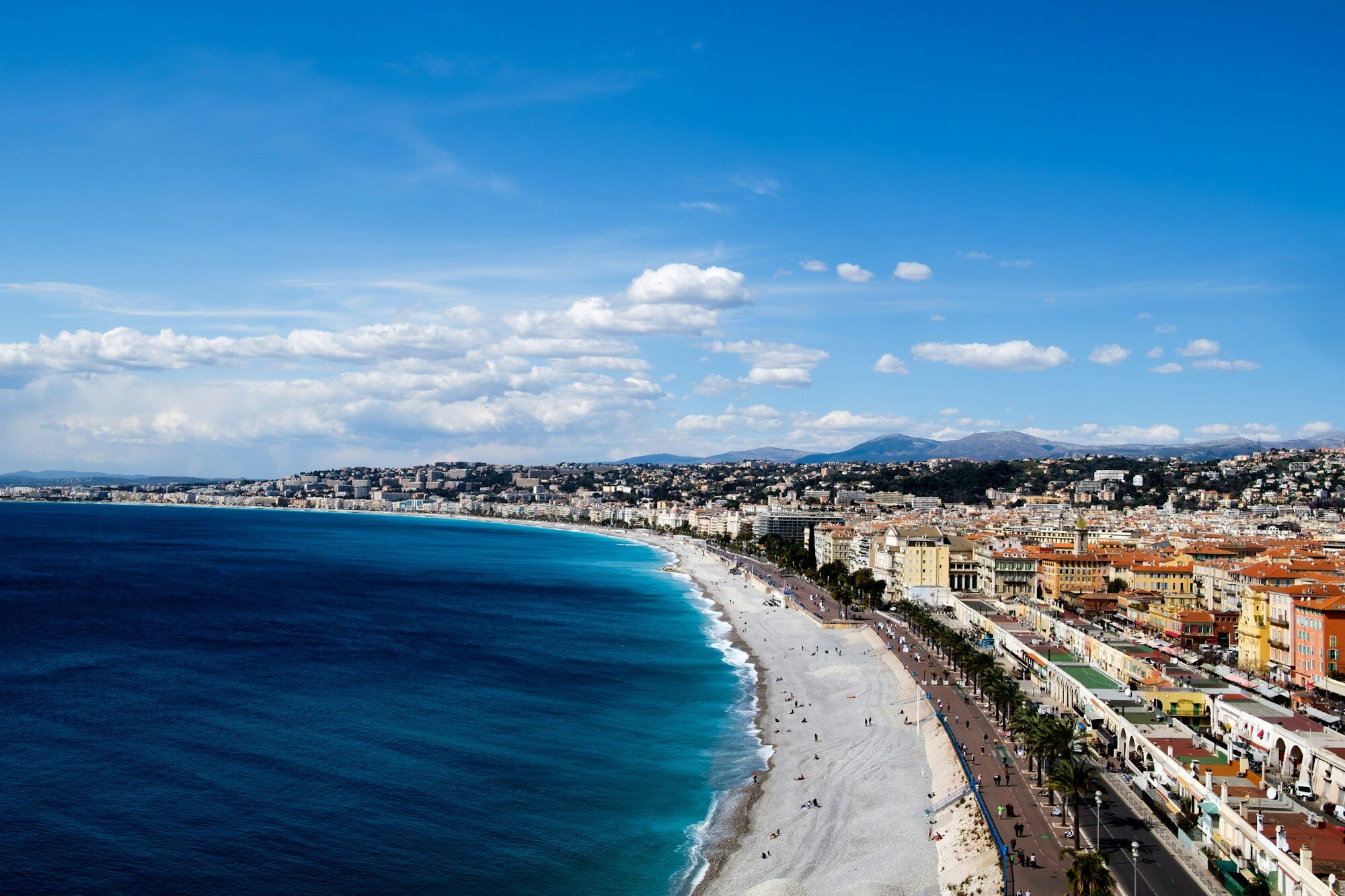
Nice provides a practical base for the Côte d’Azur, with rail access toward Cannes, Antibes, Monaco and smaller coastal communities. The Riviera suits travelers who enjoy polished seaside hotels, museums, markets, scenic drives and restaurant-led evenings. Provence adds hill towns, vineyards, Roman history, lavender landscapes in season and a slower countryside pace. Marseille is an important cruise port and a useful gateway to Aix-en-Provence and the Calanques. Distances may look short on a map, but summer traffic and popular event periods can reshape a day. A well-planned French Mediterranean itinerary balances one central base with selected excursions rather than changing hotels every night.

Mediterranean destination: Italy: Rome, Amalfi, Sicily & Sardinia

Italy: Rome, Amalfi, Sicily & Sardinia

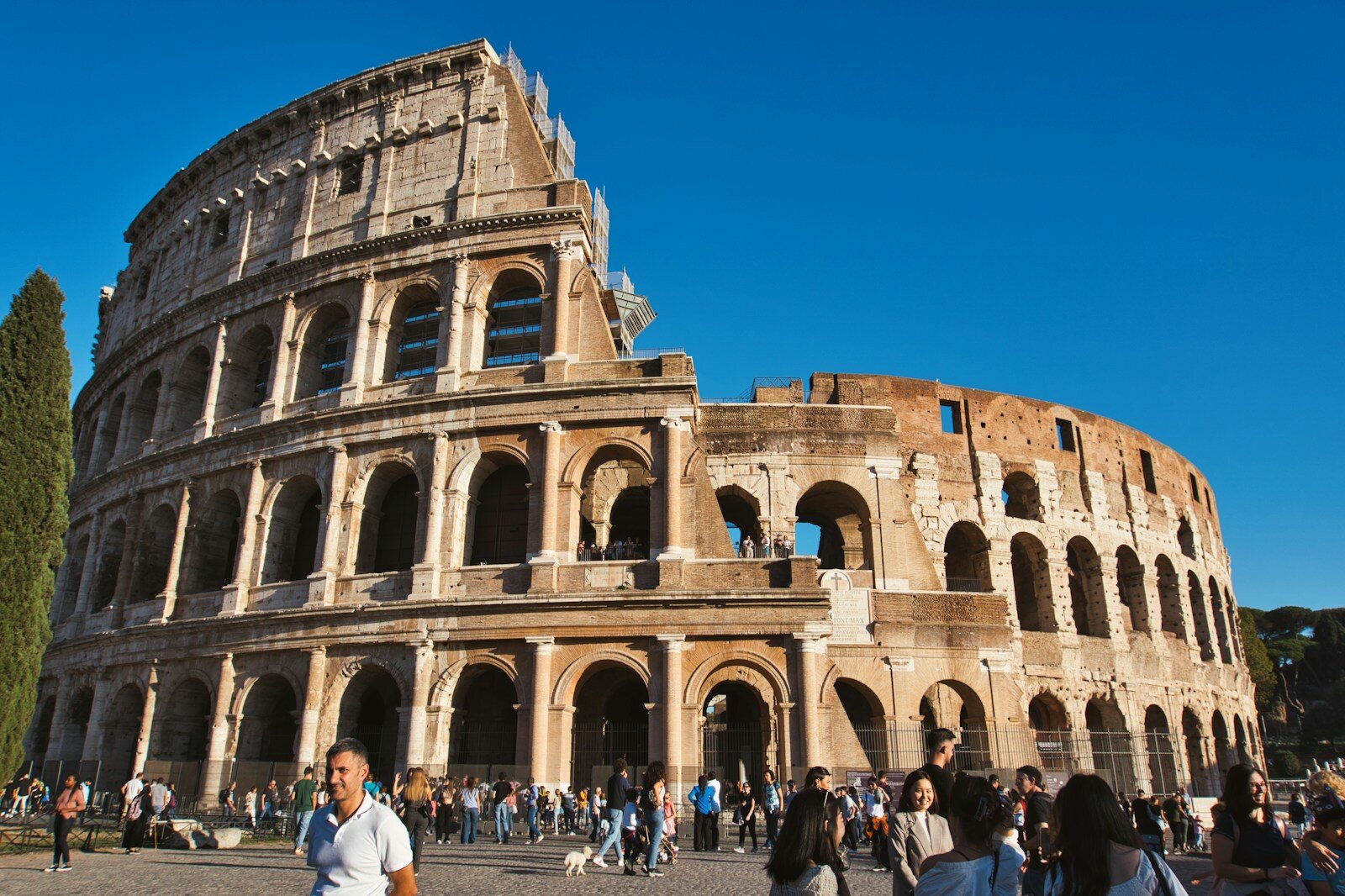
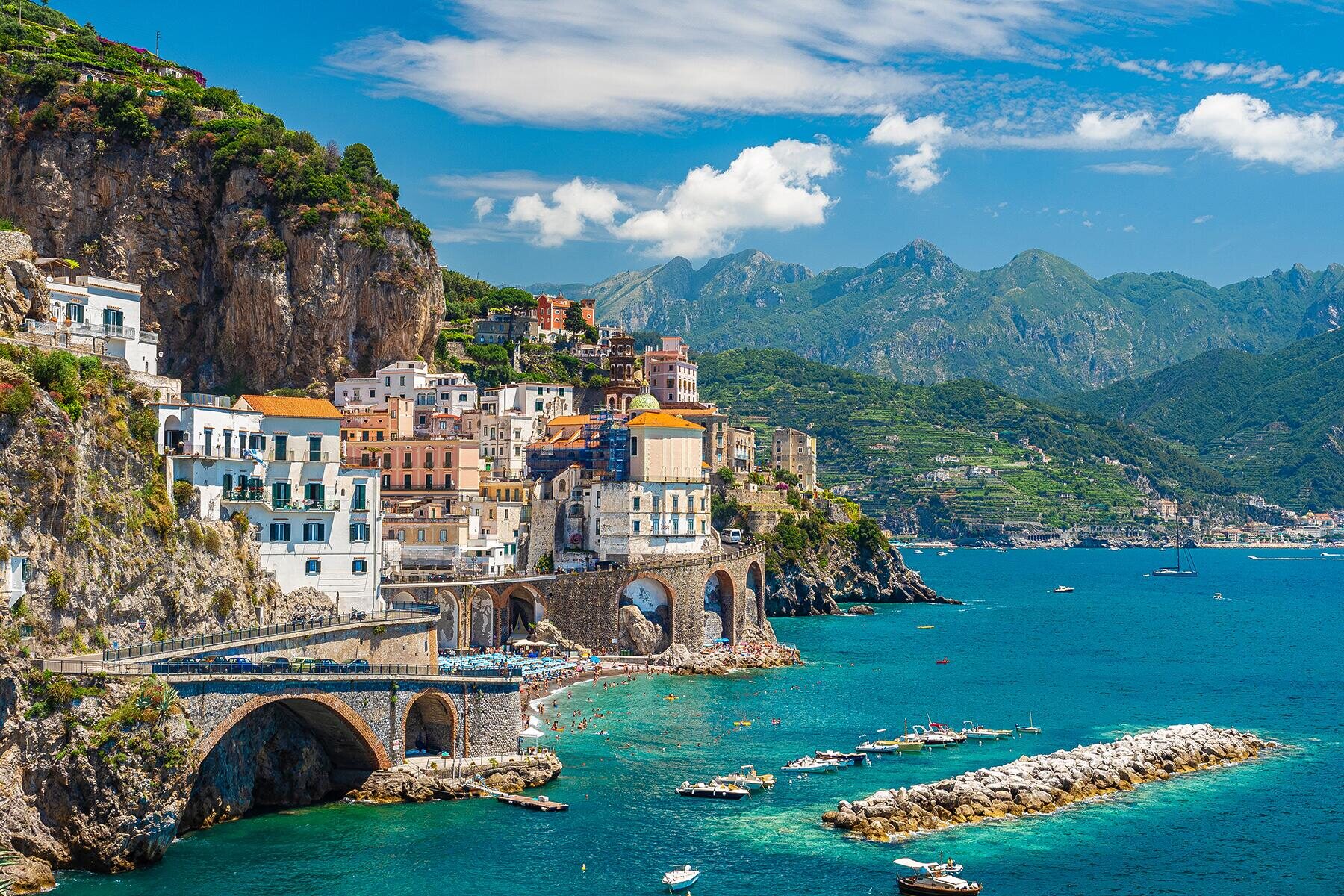
Italy’s Mediterranean choices stretch from major cultural cities to cliffside coasts and large islands. Rome is a natural pre- or post-cruise stay for departures from Civitavecchia, but the port sits well outside the city. Naples opens access to Pompeii, Capri, Ischia and the Amalfi Coast, where road and ferry logistics require realistic timing. Sicily combines Greek temples, Baroque towns, volcano landscapes, beaches and distinctive cuisine. Sardinia is prized for coves and upscale coastal resorts but often works best with a car or carefully arranged transfers. Italy rewards travelers who select fewer bases and allow time for meals, local neighborhoods and unplanned discoveries instead of treating every famous place as a checklist stop.

Mediterranean destination: Greece: Athens, Cyclades & Crete

Greece: Athens, Cyclades & Crete

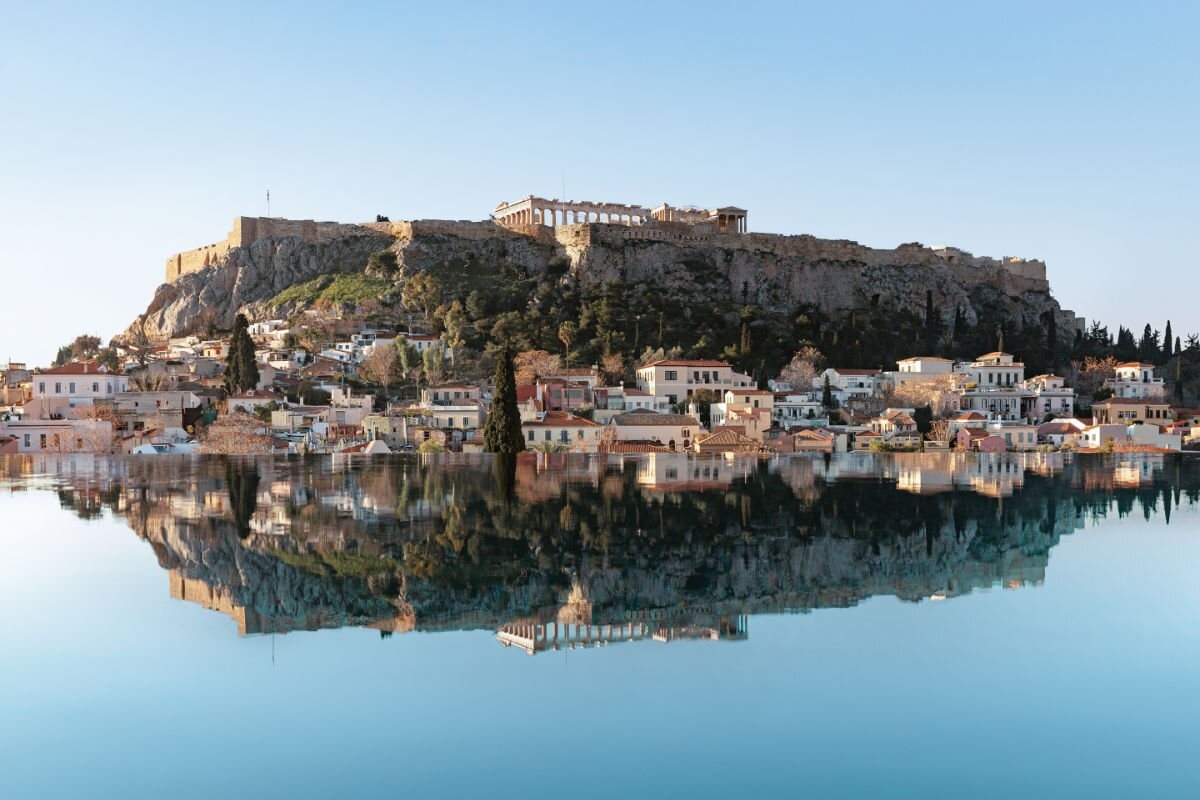
Athens anchors Greek itineraries with the Acropolis, museums, lively neighborhoods and the ports of Piraeus and Rafina. Santorini and Mykonos are iconic, yet the Cyclades also include quieter islands such as Naxos, Paros, Milos and Sifnos. Crete is large enough for a full vacation, pairing historic cities, archaeological sites, mountain scenery, beaches and regional food. The Ionian Islands create another route with greener landscapes and Venetian influence. Ferry schedules, wind and port location affect island combinations, so two thoughtfully chosen islands usually feel better than four rushed stops. Greece suits honeymooners, families, culture seekers, sailors and travelers who want a cruise introduction followed by a longer island stay.

Mediterranean destination: Croatia & the Adriatic

Croatia & the Adriatic

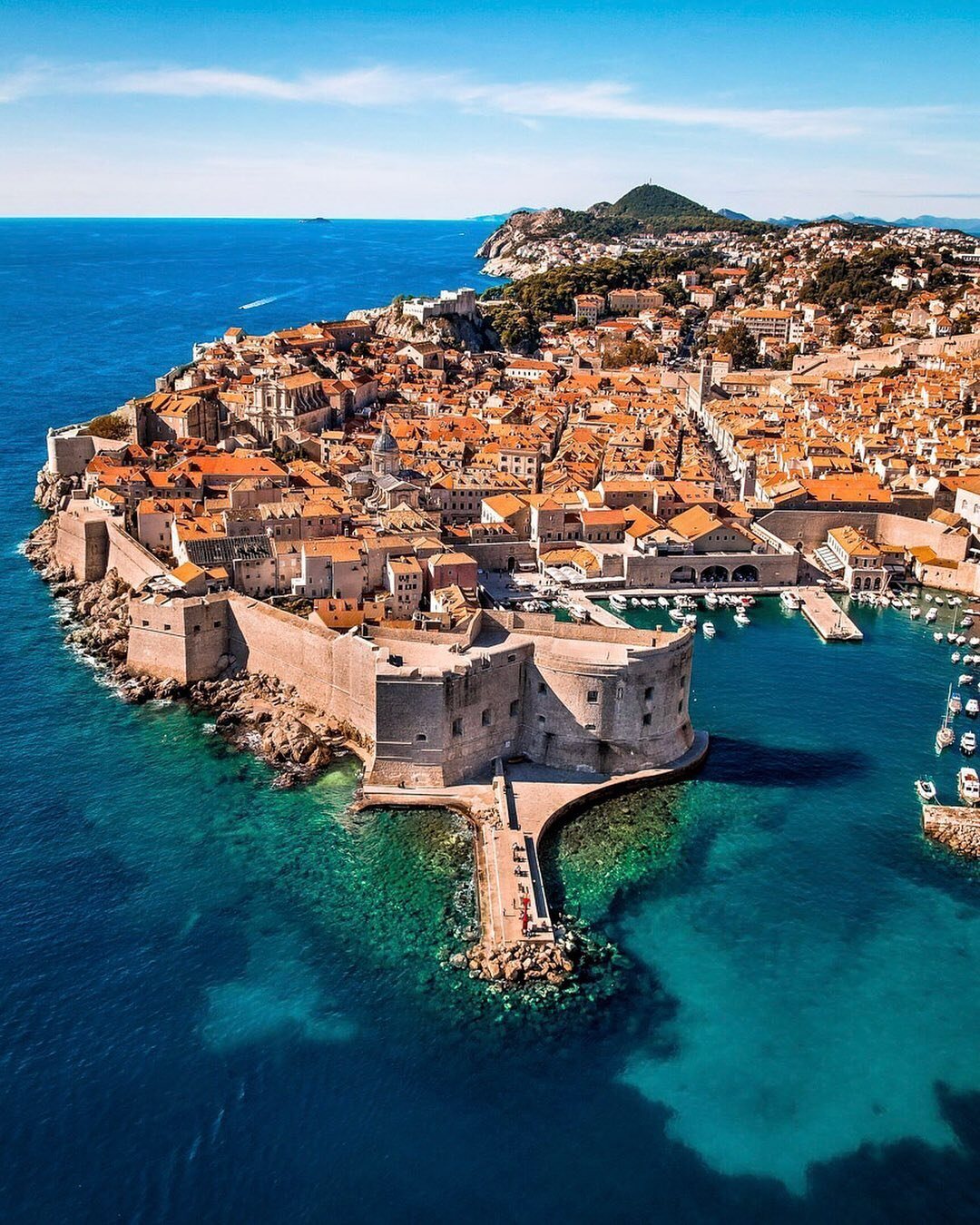
Croatia’s Adriatic coast blends fortified cities, clear water, islands and small-ship cruising. Dubrovnik delivers dramatic walls and historic streets but becomes busiest when multiple ships call. Split combines Roman heritage with ferry access to Hvar, Brač, Vis and other islands. Farther north, Zadar, Šibenik and Istria provide additional culinary and cultural routes. Croatia is excellent for sailing, boutique hotels, villas and multi-stop coastal trips, but summer ferries and desirable accommodations can fill early. Travelers should decide whether the priority is a land itinerary, island hopping or a small-ship cruise; combining all three can work when arrival ports, luggage transfers and weather buffers are planned as one continuous journey.

Mediterranean destination: Malta, Türkiye & the Eastern Mediterranean

Malta, Türkiye & the Eastern Mediterranean

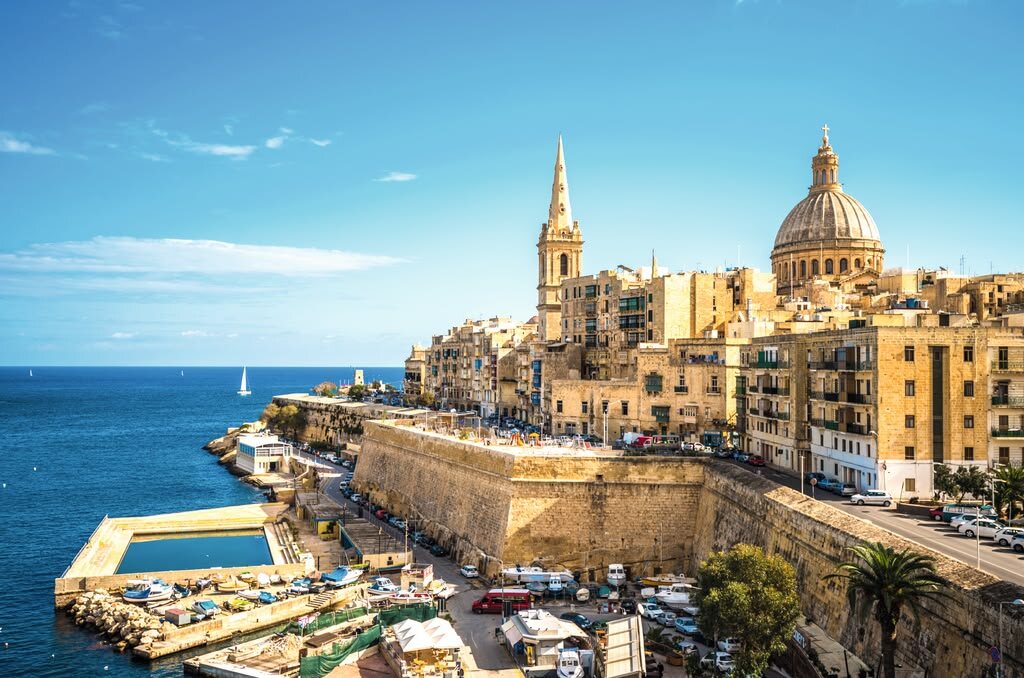
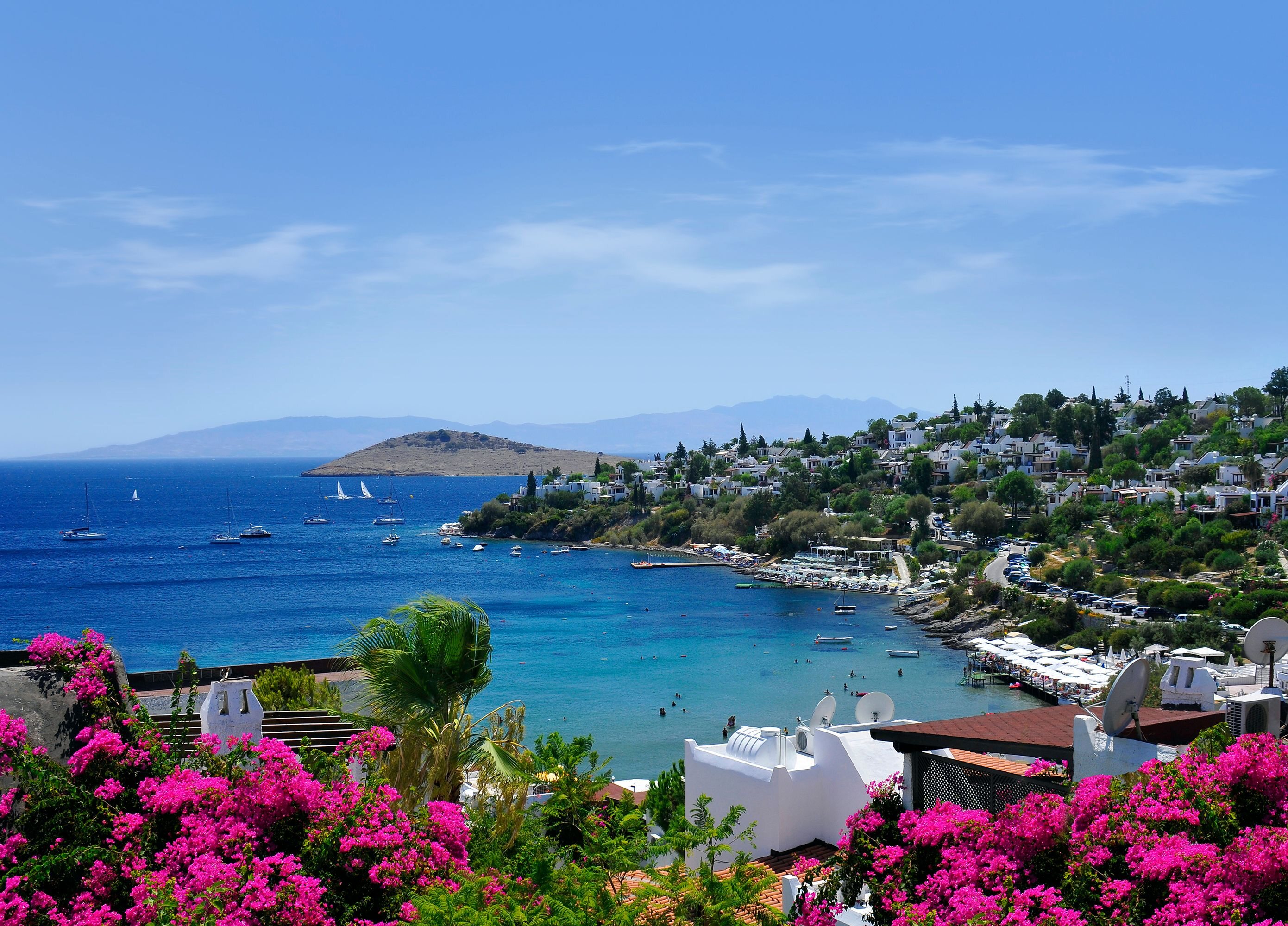
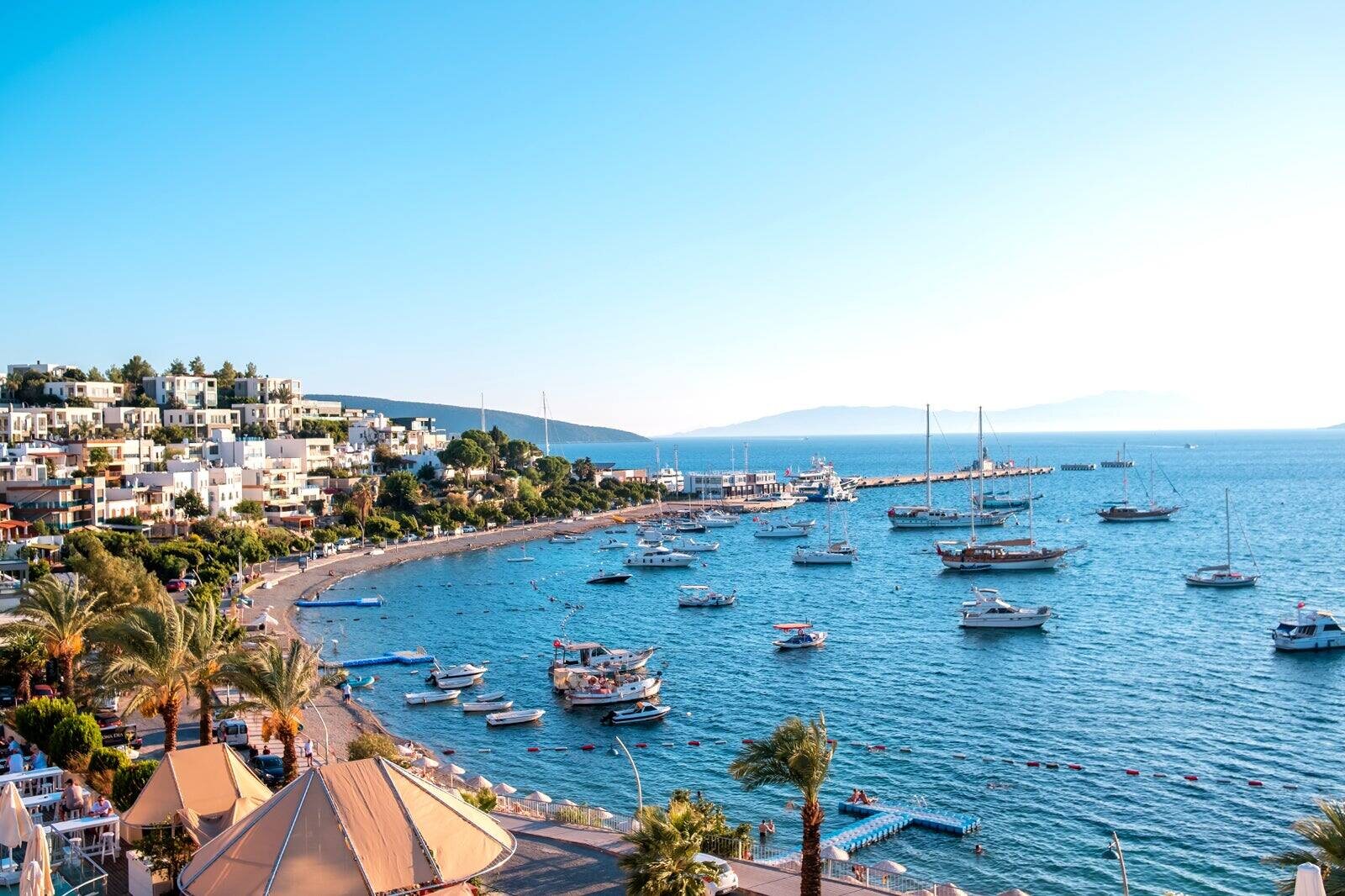
Malta concentrates fortified cities, prehistoric sites, limestone architecture and swimming coves into a compact destination. Valletta makes a strong cultural base, while Gozo adds a quieter island contrast. Türkiye’s Aegean and Mediterranean coasts connect classical sites, bazaars, marinas, beaches and resort towns such as Bodrum and Antalya; Istanbul is not on the Mediterranean proper but remains a powerful gateway or cultural extension. Cyprus can add beaches, villages and archaeological history. Entry rules and currencies differ beyond the Schengen core, and regional ferry links are not always as simple as the map suggests. These destinations reward travelers who want history and hospitality alongside warm-water relaxation.

BEST TIME TO VISIT & WEATHER

Mediterranean Seasons, Crowds and Coastal Weather

The region is not one climate. Conditions vary between Spain, the Adriatic, the Aegean and the eastern Mediterranean, while sea temperatures and seasonal services often lag behind air temperatures.

Spring: April–May

Spring favors city touring, archaeological sites, hiking and gardens. Temperatures are usually comfortable and crowds lighter than summer, although rain and cool sea water remain possible. Island hotels, beach clubs and ferries may operate reduced schedules early in the season.

Summer: June–August

Summer delivers the warmest water, longest days and fullest resort schedules. July and August can bring intense heat, crowded ports, high prices and wildfire risk. Reserve priority hotels, ferries and timed attractions early, then plan sightseeing for mornings and evenings.

Fall & Winter: September–March

September and early October often provide warm seas with fewer families, making them prized shoulder-season months. Later fall brings more rain and changing ferry schedules. Winter is excellent for major cities and museums but many island resorts and seasonal restaurants close.

For many travelers, late May, June, September and early October provide the strongest balance. Weather can disrupt ferries and outdoor plans in any season, so keep critical connections flexible.

TOP EXPERIENCES & TRAVEL STYLES

Experience the Mediterranean Your Way

Mediterranean travel experience: Mediterranean Cruises

Mediterranean Cruises

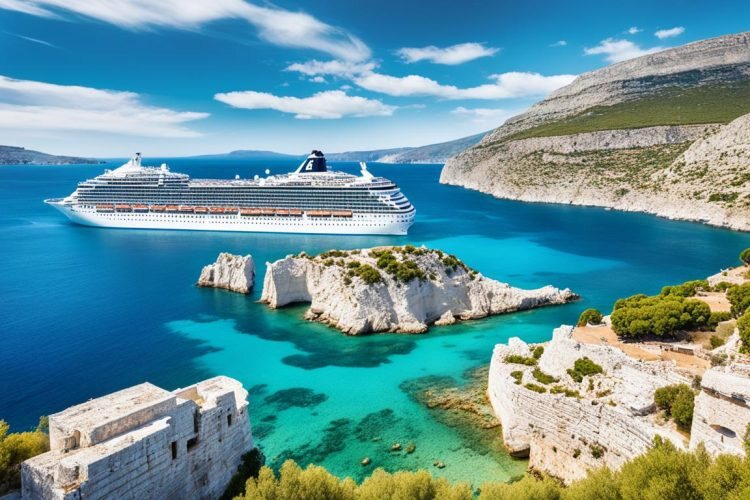
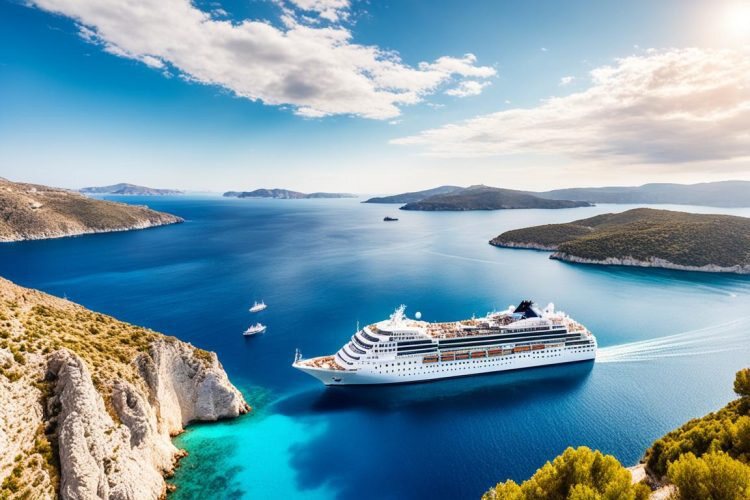
A Mediterranean cruise can connect Barcelona, Marseille, Rome, Naples, the Greek Islands, Malta, Dubrovnik and Türkiye without repeated hotel changes. Large contemporary ships deliver broad dining and entertainment, luxury lines emphasize service and longer port calls, and small ships reach intimate harbors. Compare arrival and departure ports, time ashore, tender requirements and overnight calls—not only the destination list. Add at least two hotel nights before embarkation when crossing the Atlantic so flight disruption does not put the cruise at risk.

Mediterranean travel experience: Food, Wine & Market Journeys

Food, Wine & Market Journeys

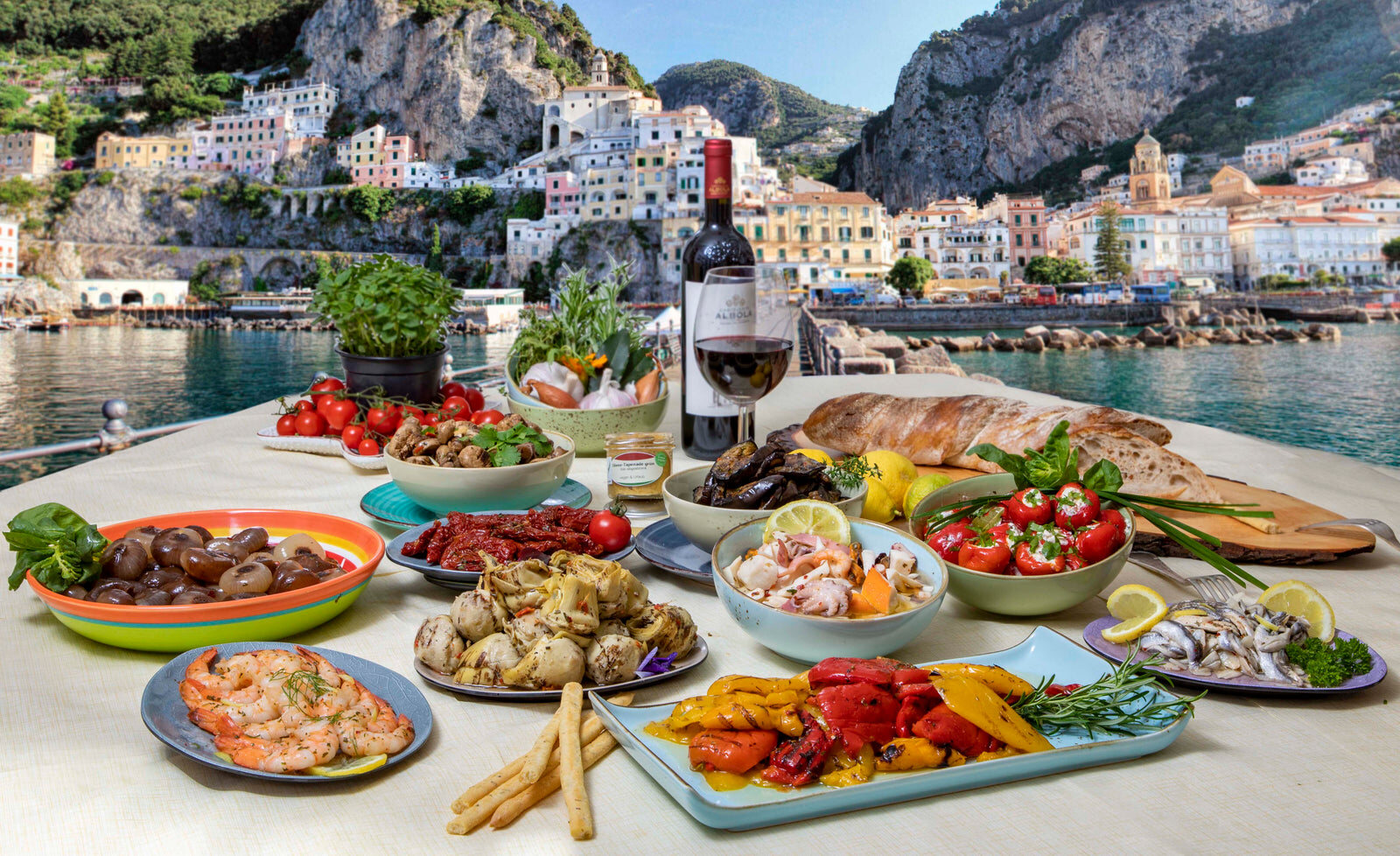
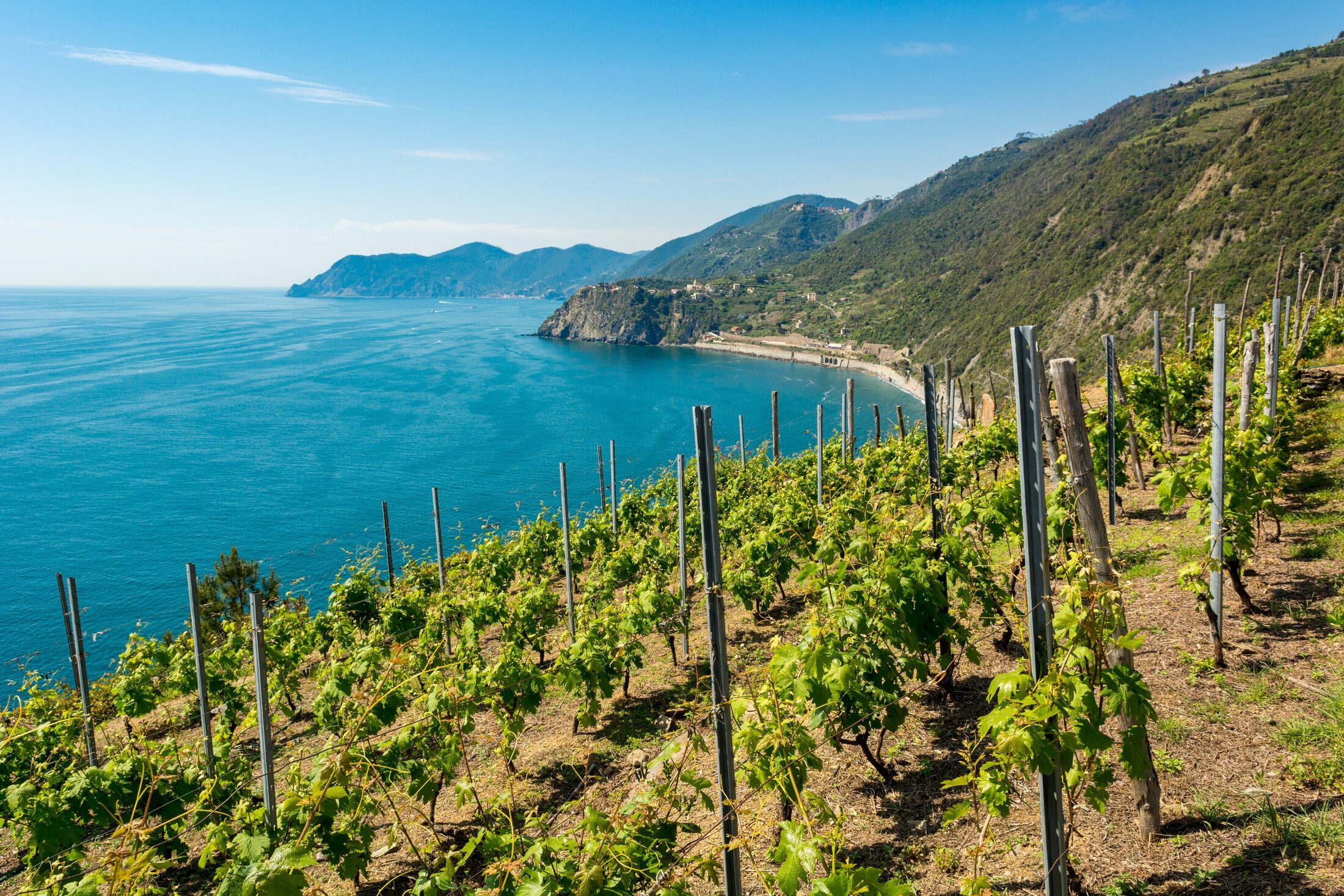
Mediterranean travel is naturally culinary, but each coast has its own ingredients and rituals. Build time for Spanish tapas, Provençal markets, Italian regional pasta, Greek tavernas, Croatian seafood, Maltese specialties and Turkish meze. Vineyard visits, olive-oil tastings, cooking classes and guided market walks add context. Resort meal plans can be convenient, yet an isolated property may limit local dining. Travelers motivated by food should choose walkable neighborhoods, reserve only the hardest tables in advance and leave room for spontaneous recommendations.

Mediterranean travel experience: Ancient History & Living Culture

Ancient History & Living Culture

Greek temples, Roman cities, medieval walls, Renaissance art, Ottoman heritage and contemporary neighborhoods can coexist within one itinerary. The strongest cultural plans pair headline landmarks with smaller museums, local guides and unscheduled street life. Timed tickets are often essential at major attractions, especially in summer. Early starts reduce heat and crowds, while private or small-group guides can turn complex sites into memorable stories. Respectful dress may be required in churches, monasteries and mosques, and opening hours can change around holidays or religious observances.

Mediterranean travel experience: Sailing, Beaches & Active Adventure

Sailing, Beaches & Active Adventure

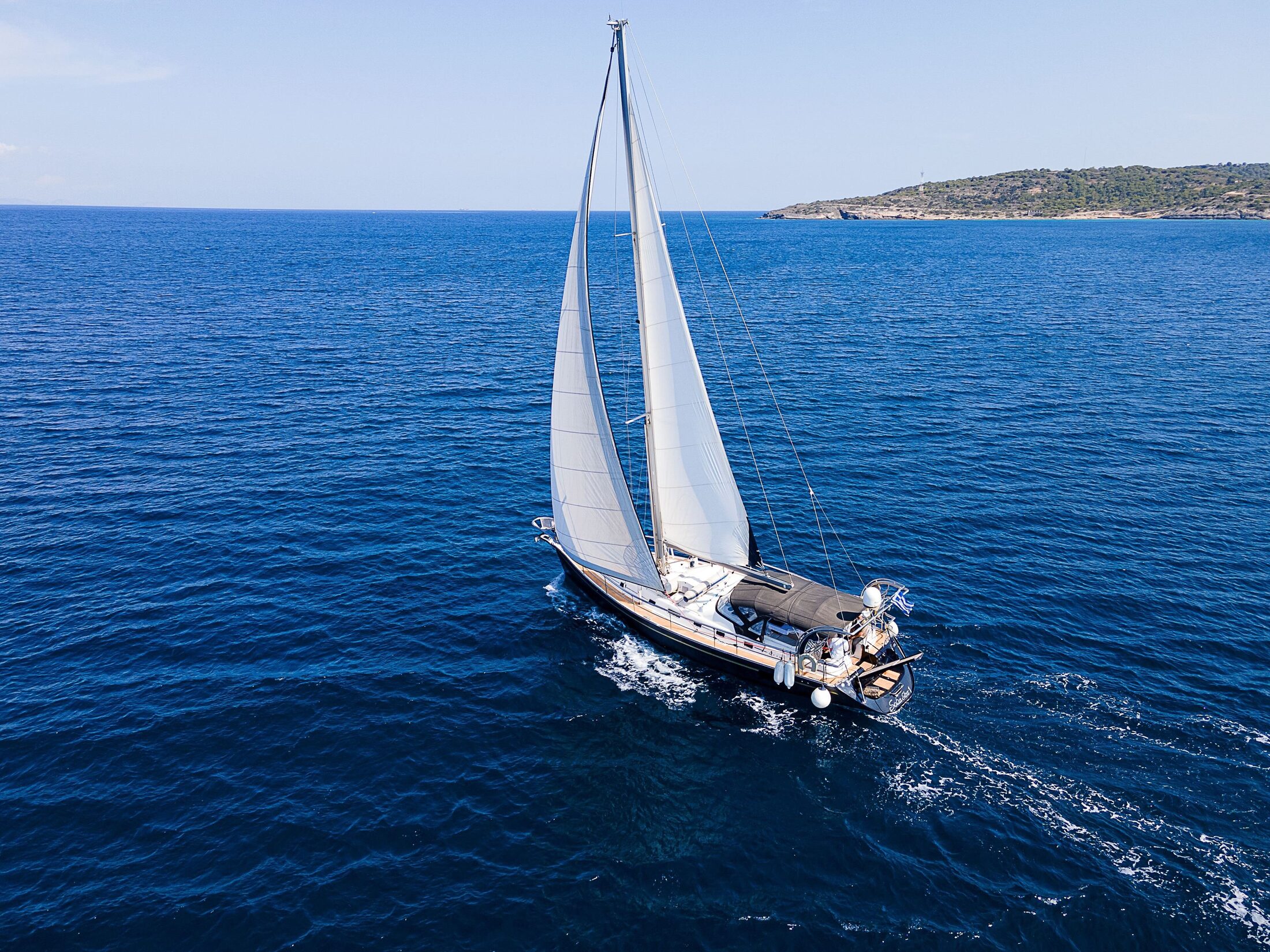
The Mediterranean supports yacht charters, island ferries, kayaking, diving, coastal hiking and beach days, but not every famous shoreline is sandy. Greece and Croatia are strong for sailing; Mallorca, Sardinia, Crete and Türkiye offer varied water sports; the Amalfi Coast and French Calanques reward scenic boat trips. Summer winds and sea conditions can alter schedules. Choose excursions that match swimming ability and mobility, confirm whether beach clubs require reservations and pack supportive footwear for stone streets and rugged coastal paths.

Mediterranean travel experience: Romance, Luxury & Slow Travel

Romance, Luxury & Slow Travel

Private terraces, cliffside hotels, vineyard estates, converted palaces, spa resorts and crewed yachts make the Mediterranean a natural setting for honeymoons and milestone trips. Luxury is most valuable when it improves location, quiet, transfer ease or access—not simply when it adds a grand room name. A slower plan might combine three nights in Rome, four along the coast and several nights on an island. Longer stays create space for sunset dinners and spontaneous days without sacrificing the essential cultural experiences that made the destination appealing.

FEATURED RESORTS & ACCOMMODATION TYPES

Choose a Mediterranean Stay That Supports the Itinerary

The right accommodation is more than a room. Location, transfer access, meal plan, stairs, seasonal operation and proximity to the experiences you value can change the entire trip.

Mediterranean accommodation: Historic City Hotels

Historic City Hotels

A central hotel in Barcelona, Rome, Athens, Nice, Valletta or Dubrovnik places restaurants and landmarks within reach and makes a strong cruise extension. Compare pedestrian access, elevator availability, room size, street noise and vehicle drop-off points. Historic buildings may have character but limited accessibility. A harbor view is attractive, yet the most convenient neighborhood may sit several streets inland. McNellis Travel weighs the actual daily plan against the hotel address so guests are not spending their vacation commuting across the city.

Mediterranean accommodation: Boutique Coastal Retreats & Villas

Boutique Coastal Retreats & Villas

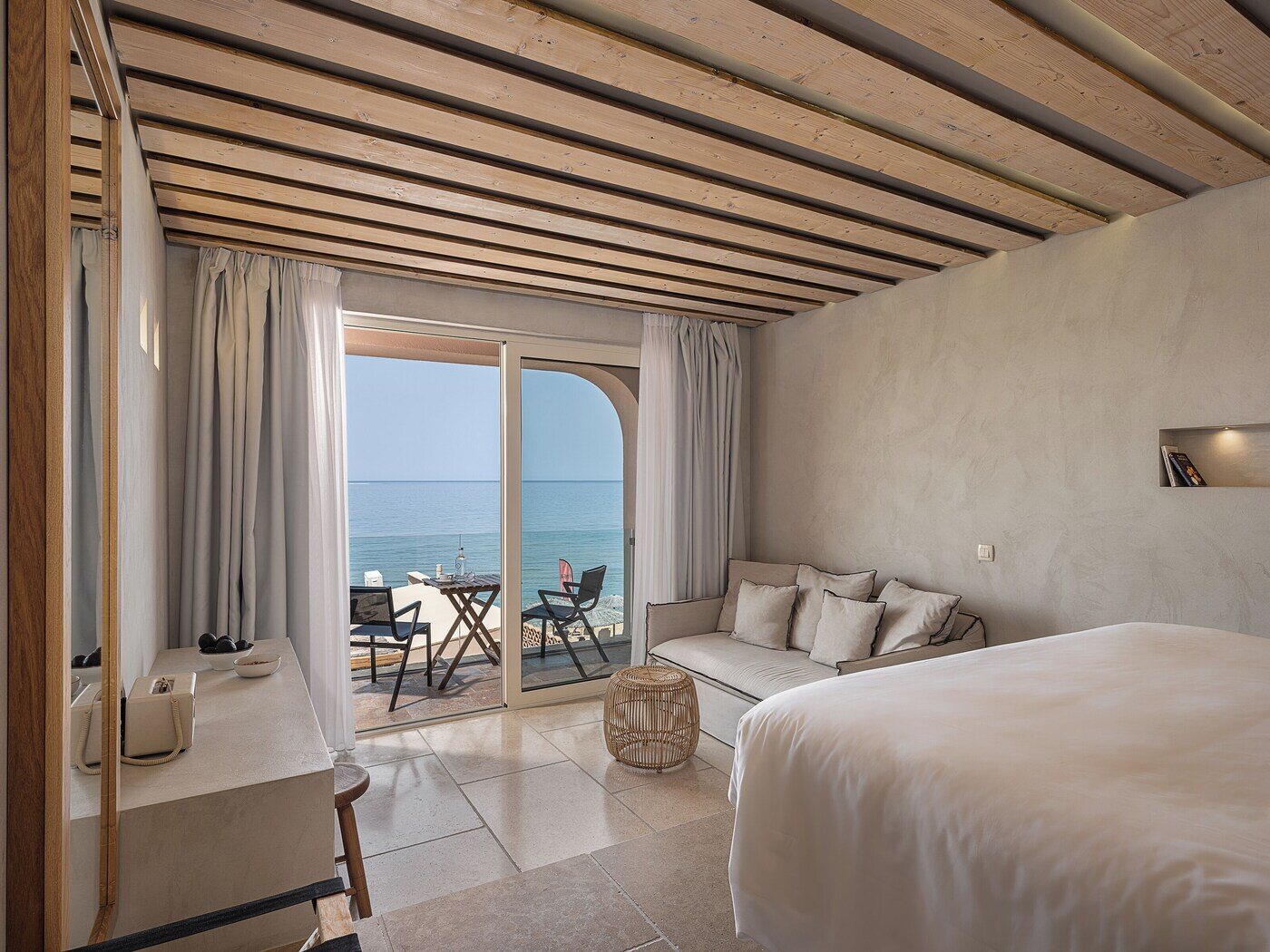
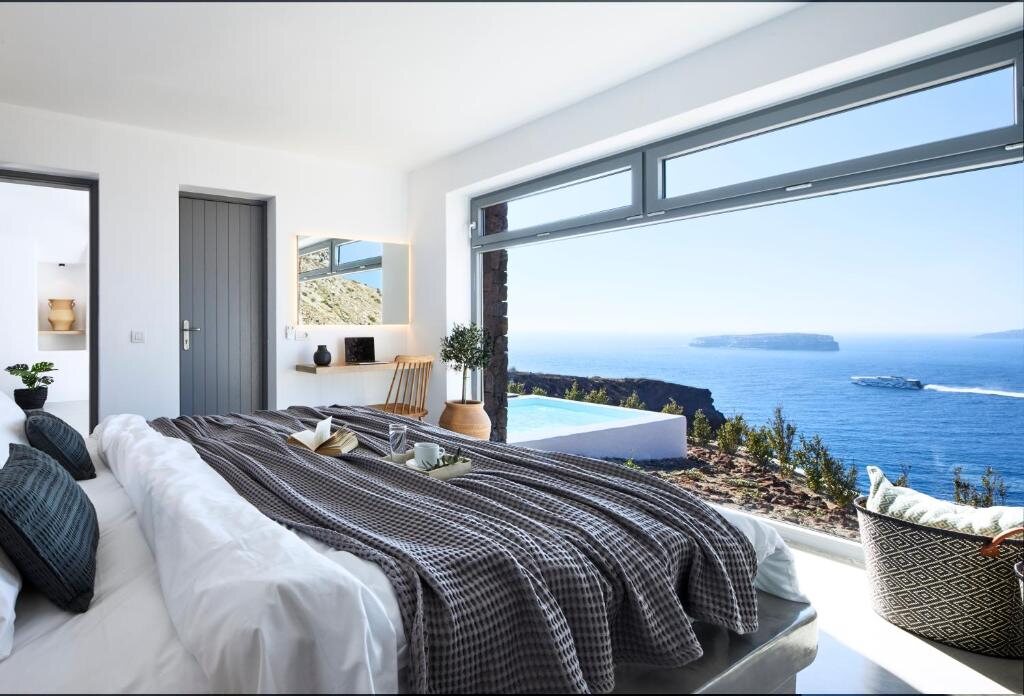
Boutique hotels and villas suit travelers who value atmosphere, privacy and local surroundings. They range from whitewashed Cycladic rooms to Amalfi terraces, Croatian stone houses and Provençal estates. Villas can work beautifully for families or friends when bedroom configuration and shared space matter, but housekeeping, meals, pool heating, parking and local support vary. Steep paths and stairs are common in scenic coastal communities. Confirm luggage access and cancellation terms before selecting a view that may require a demanding climb every day.

Mediterranean accommodation: Luxury Beach & Spa Resorts

Luxury Beach & Spa Resorts

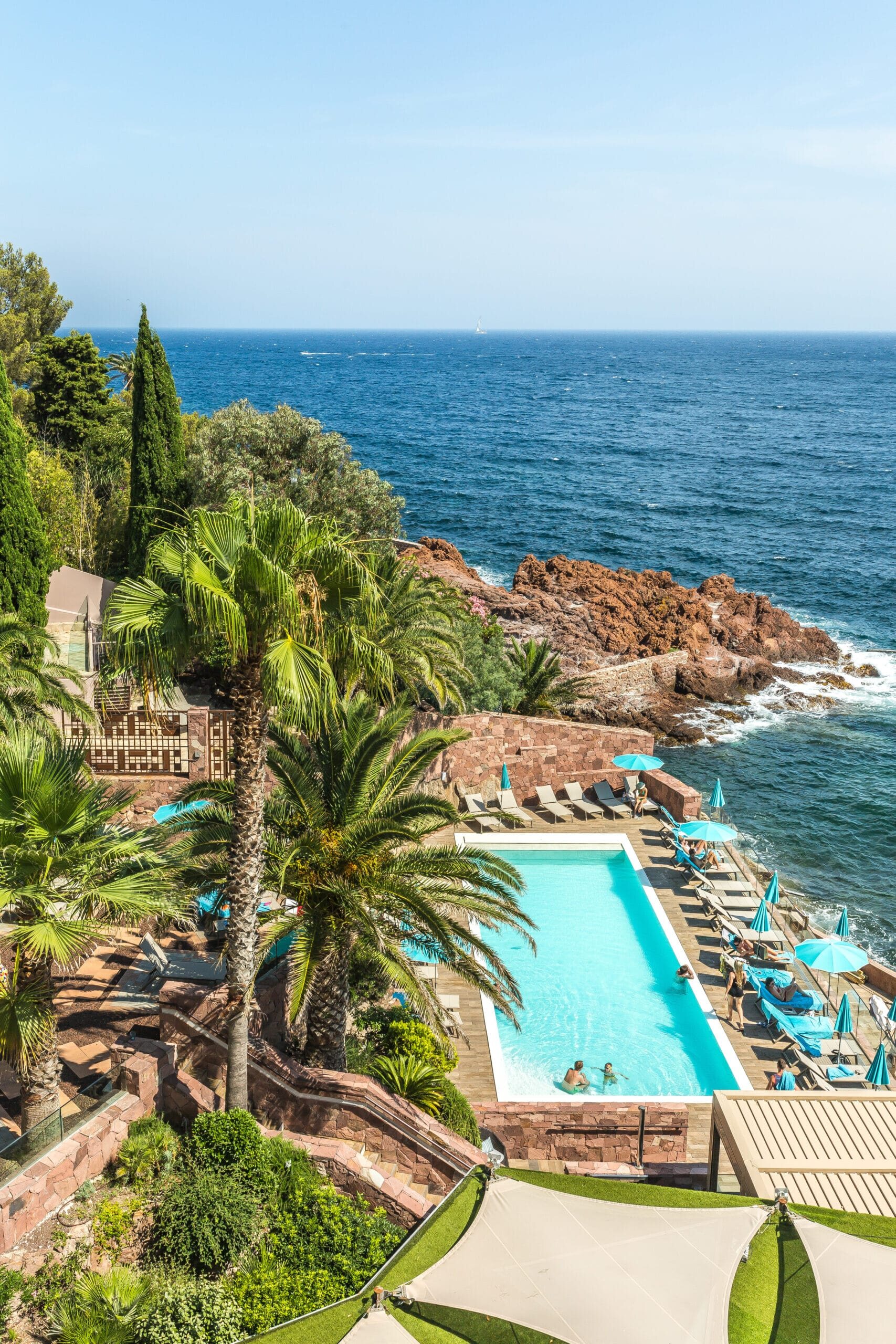
Resort stays are strongest in destinations such as Mallorca, Sardinia, Crete, Cyprus, Malta and the Turkish coast. Some include meals, clubs and extensive pools; others operate like luxury hotels with dining charged separately. Beach quality, access, children’s facilities, seasonal opening dates and distance from cultural sites should be verified. A secluded resort is ideal for intentional relaxation but may be a poor base for daily sightseeing. Consider splitting the trip between a city hotel and a resort rather than forcing one property to serve both purposes.

Mediterranean accommodation: Cruise Plus Pre- or Post-Cruise Stay

Cruise Plus Pre- or Post-Cruise Stay

A Mediterranean cruise becomes more satisfying when the departure city is treated as a destination rather than an airport transfer. Barcelona, Rome and Athens deserve multiple nights, and a post-cruise island or countryside stay can create a restful finish. Arriving early protects the voyage from airline disruption and helps travelers adjust to the time change. Packages may combine air, hotels, private transfers and the cruise fare, but every component should be reviewed for baggage rules, cancellation terms and responsibility when separate suppliers are involved.

LOGISTICS & ENTRY REQUIREMENTS

Plan Passports, Airports, Rail, Ferries and Transfers

Documents & Border Rules

For short tourism visits, U.S. citizens may generally stay in the Schengen Area for up to 90 days within a 180-day period. Passports must normally remain valid at least three months beyond the planned Schengen departure and be issued within the previous ten years. The Entry/Exit System is being introduced at participating borders. ETIAS is not operating yet; the European Union currently expects it to begin in the last quarter of 2026 and says no traveler action is required now. Türkiye, Cyprus and non-Schengen destinations have separate requirements.

Gateways, Currency & Transportation

Major gateways include Barcelona, Madrid, Nice, Rome, Milan, Venice, Athens, Istanbul and Lisbon, with Dubrovnik, Naples, Malta and island airports supporting regional routes. High-speed rail works well within parts of Spain, France and Italy; ferries are essential for many islands; short flights bridge longer distances. The euro is used across much of the region, but not everywhere. Türkiye uses the lira, and currency, driving and transfer practices vary. Avoid unprotected same-day connections between ferries, separate flights and cruises.

Entry systems and transportation schedules can change. McNellis Travel verifies current official requirements for each traveler’s citizenship and confirmed route before departure.

SAMPLE ITINERARIES & TRIP LENGTHS

Build a Mediterranean Route with Breathing Room

A successful itinerary protects time for meals, weather and discovery. These examples are planning frameworks rather than fixed packages.

Mediterranean itinerary: Seven Nights: One Country, Two Bases

Seven Nights: One Country, Two Bases

Choose one country and combine a cultural city with a coast or island. Examples include Rome plus the Amalfi area, Athens plus one Greek island, or Barcelona plus Mallorca. Spend at least three nights in each base, protect transfer days and schedule only one major activity per day during summer heat. This format delivers meaningful contrast without losing half the week to airports, ferries and hotel check-ins.

Mediterranean itinerary: Ten Nights: City, Coast & Island

Ten Nights: City, Coast & Island

Ten nights can support a three-part journey when connections are direct. Pair Barcelona, the French Riviera and Mallorca; combine Athens, Crete and Santorini; or explore Rome, Naples and Sicily. Use rail or nonstop flights where practical, and avoid same-day ferry-to-international-flight combinations. A private transfer can be worthwhile at difficult ports or cliffside hotels. Build a light day after every major move so the itinerary still feels like a vacation.

Mediterranean itinerary: Fourteen Nights: Cruise & Land Combination

Fourteen Nights: Cruise & Land Combination

Two weeks allows a seven-night cruise with meaningful pre- and post-cruise stays, or a slower multi-country land itinerary. Arrive three nights early in the embarkation city, sail a complementary route and finish with three or four nights in one island or coastal destination. Avoid duplicating cruise ports on the land portion unless you specifically want deeper exploration. Travel insurance, flight buffers and coordinated transfers become especially important as the number of suppliers increases.

MEDITERRANEAN VACATION FAQ

Answers Before You Cross the Atlantic

McNellis Travel compares Mediterranean cruises, islands, cities, resorts, flights and transfers around your dates, pace and priorities.

Request a Mediterranean Vacation Quote
What is the best month for a Mediterranean vacation?

May, June, September and early October often balance warm weather, open seasonal services and more manageable crowds. July and August bring the hottest temperatures and highest demand, while spring and late fall favor culture and value over guaranteed beach weather. The best month depends on the exact coast, islands and travel style.

Is a Mediterranean cruise better than a land vacation?

A cruise is excellent for sampling several countries with one room, while a land itinerary provides longer evenings, deeper cultural experiences and more flexibility. First-time visitors often enjoy a cruise with hotel nights before or after. The right answer depends on desired pace, mobility, ship preferences and how much time you want in each destination.

How many days do I need in the Mediterranean?

Seven nights works well for one country and two bases. Ten to fourteen nights supports a cruise plus land stay or a carefully paced multi-country trip. Changing destinations every one or two nights usually creates more transit than enjoyment, especially when ferries and airports are involved.

Do U.S. travelers need a visa or ETIAS for Mediterranean Europe?

U.S. citizens may generally visit the Schengen Area for up to 90 days in a 180-day period without a tourist visa. ETIAS is not operating yet and the EU says it is expected in the last quarter of 2026; no application is currently required. Passport and entry rules differ for Türkiye, Cyprus and other countries, so verify the exact itinerary before travel.