Historic European city skyline and river at golden hour

EUROPE TOURS, RAIL & VACATION PACKAGES

Europe Rail Journeys, River Cruises & Cultural Vacations

Europe connects historic cities, alpine landscapes, celebrated food regions, river valleys, coastlines and dozens of distinct cultures through one of the world’s richest travel networks. Direct overnight flights from major North American gateways reach London, Paris, Amsterdam, Frankfurt, Rome, Madrid and other hubs, while rail, short flights, ferries and cruises continue the journey. The challenge is not finding enough to see—it is choosing a route that feels rewarding rather than rushed. McNellis Travel compares European vacation packages, trains, hotels, cruises, transfers and guided experiences as one itinerary, with realistic pacing from arrival through the flight home.

Rail, River Cruise & Guided ToursHistoric Cities & Scenic RegionsIndependent or Fully Coordinated

REGIONS, COUNTRIES & KEY DESTINATIONS

Choose a European Route That Makes Geographic Sense

Europe looks compact on a map, but travel time, station changes, borders and hotel moves still shape the experience. Start with one connected region, then select cities and countryside stops that complement one another.

European destination: British Isles: England, Scotland & Ireland

British Isles: England, Scotland & Ireland

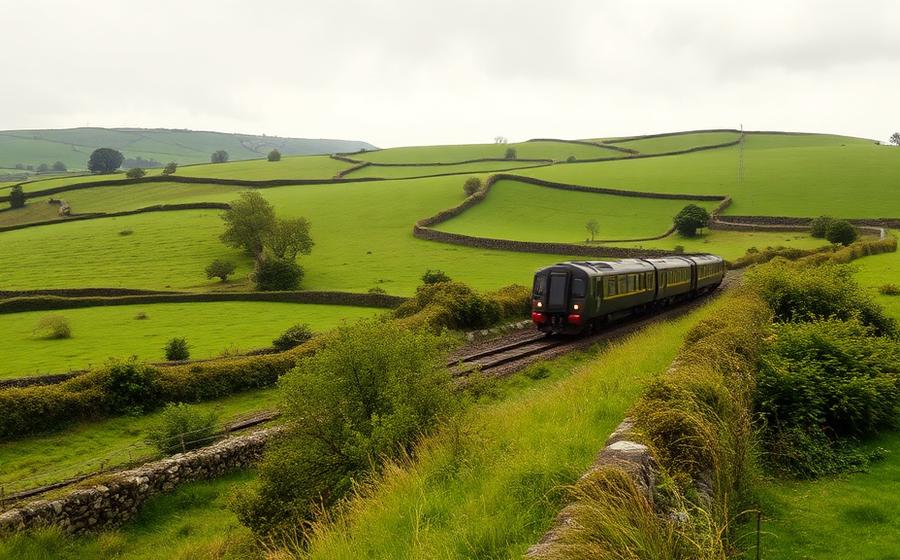
London is a powerful first European gateway, with theatre, museums, royal landmarks and direct rail links across England and onward to Paris. Scotland adds Edinburgh, Highland scenery, whisky regions and island routes; Ireland combines Dublin, coastal drives, historic towns and warm pub culture. Wales and Northern Ireland create rewarding extensions that are often overlooked. Rail works well between major cities, while rural routes may require a car, driver or guided tour. Travelers should resist trying to circle both Great Britain and Ireland in one short week. Choose two or three bases and allow weather flexibility, especially when islands, ferries or scenic drives matter.
European destination: France, Belgium & the Netherlands

France, Belgium & the Netherlands

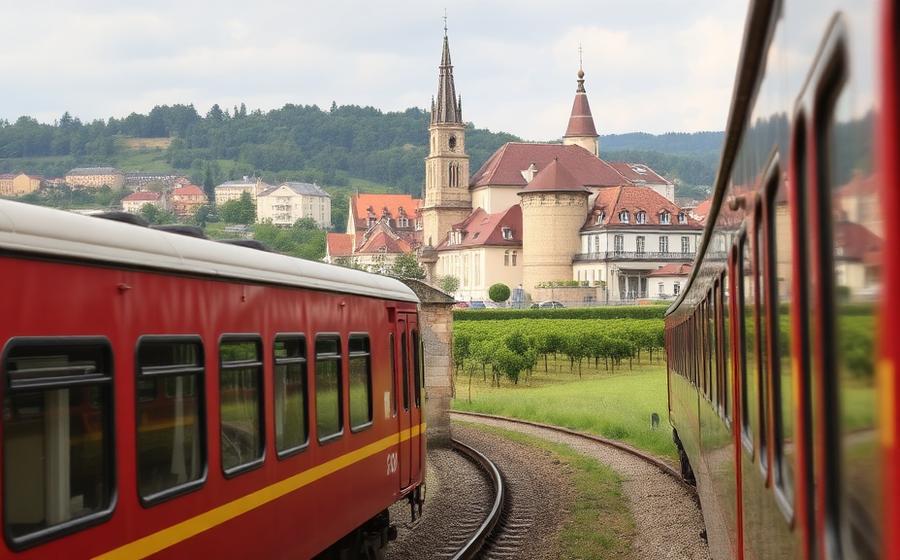
Paris anchors art, cuisine and rail connections, but France becomes more memorable when paired with Normandy, the Loire Valley, Burgundy, Provence, Alsace or the Atlantic coast. Belgium adds Brussels, Bruges, Ghent and celebrated food traditions within compact rail distances. Amsterdam connects canals, museums and easy day trips, while the Netherlands rewards slower exploration beyond the capital. High-speed trains make Paris–Brussels–Amsterdam practical, yet station transfers and advance reservations still matter. A river cruise on the Seine, Rhône, Saône or Dutch and Belgian waterways can simplify logistics for travelers who prefer unpacking once.

European destination: Germany, Austria, Switzerland & Central Europe

Germany, Austria, Switzerland & Central Europe

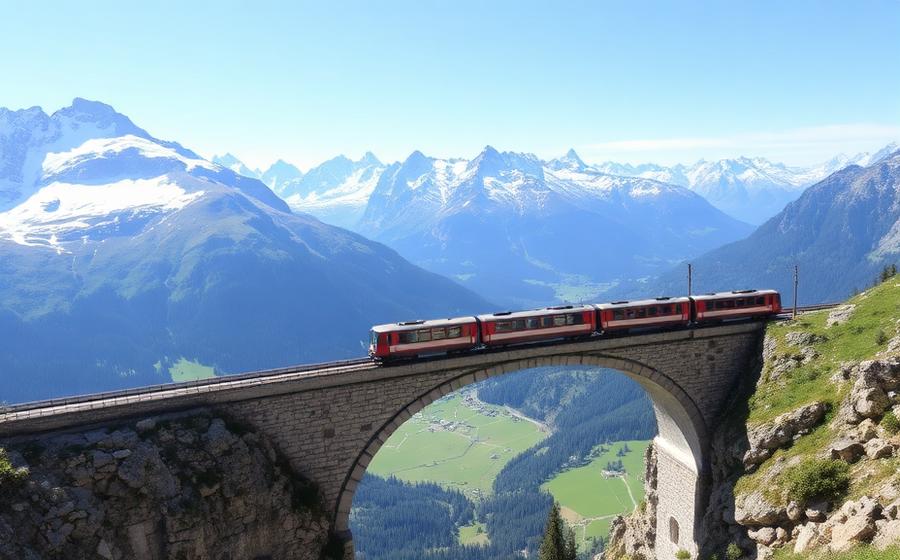
Central Europe combines efficient rail, imperial cities, alpine scenery, castles and river routes. Munich, Berlin, Vienna and Zurich serve as major gateways, while Salzburg, Lucerne, Innsbruck, Prague and Budapest create compelling multi-city combinations. The Rhine, Main, Moselle and Danube support river cruises through vineyard towns and historic capitals. Switzerland is exceptionally scenic but expensive, and panoramic trains require careful seat and pass planning. Germany and Austria work well for Christmas markets, music and regional food. Prague and Budapest add strong value and architectural depth. The best itinerary connects neighboring places instead of zigzagging across the map for a famous checklist.

European destination: Italy: Cities, Countryside & Coasts

Italy: Cities, Countryside & Coasts

Italy can fill several vacations. Rome, Florence and Venice form a classic rail route, while Milan opens the lakes and northern connections. Tuscany, Umbria and Piedmont reward food-and-wine travelers; Naples, Sicily and Puglia offer distinct southern character; the Amalfi Coast and islands require realistic transfer planning. Fast trains connect major cities efficiently, but historic centers involve stairs, cobblestones and restricted vehicle access. First-time visitors often enjoy three nights in each of two or three bases. A villa, agriturismo or coastal stay can follow city touring, creating the contrast that makes Italy feel like a vacation instead of a museum marathon.

European destination: Spain & Portugal

Spain & Portugal

Madrid and Barcelona anchor Spain’s high-speed rail network, while Seville, Granada, Valencia, San Sebastián and the northern pilgrimage routes reveal different regional identities. Portugal pairs Lisbon and Porto with the Douro Valley, coastal towns and island extensions to Madeira or the Azores. Iberia is ideal for food, wine, architecture, beaches and long evenings, but dining hours and summer heat require a different daily rhythm. Rail is strong on core routes, while some rural and cross-border combinations are easier with flights, private transfers or a guided itinerary. Avoid treating Spain and Portugal as interchangeable; each deserves time beyond its capital.

European destination: Nordic Europe & the Baltic

Nordic Europe & the Baltic

Denmark, Norway, Sweden, Finland and Iceland combine design-led cities with fjords, islands, Arctic light and outdoor adventure. Copenhagen and Stockholm pair beautifully, while Norway’s rail-and-fjord routes require coordinated trains, boats and buses. Helsinki connects naturally with Tallinn by ferry. Iceland is geographically separate and best treated as its own stopover or dedicated road trip. Baltic capitals—Tallinn, Riga and Vilnius—offer compact historic centers and strong cultural value. Summer brings long daylight and peak demand; winter supports northern lights and festive city stays. Weather and seasonal transportation can change quickly, so ambitious outdoor plans need backup options.

European destination: Eastern Europe & the Balkans

Eastern Europe & the Balkans

Poland, Czechia, Hungary, Romania, Slovenia, Croatia and the broader Balkans offer layered history, varied landscapes and excellent food at costs that can be lower than Western Europe. Kraków, Warsaw, Prague and Budapest connect well by rail, while Ljubljana and Lake Bled provide a compact nature-and-city combination. Balkan routes may require buses, drivers or short flights where rail is limited. Border rules, currencies and infrastructure vary, particularly outside the European Union and Schengen Area. Travelers gain more by selecting one coherent corridor than by collecting countries. Local guides are especially valuable where twentieth-century history, religious heritage and contemporary identity intersect.

BEST TIME TO VISIT & WEATHER

European Seasons, Crowds and Regional Weather

There is no single best month for an entire continent. Northern daylight, Mediterranean heat, Alpine access, school holidays and cultural events all affect the right timing.

Spring: March–May

Spring favors cities, gardens and cultural touring with lighter crowds than summer. Weather changes quickly and higher Alpine routes may remain snowy. Easter holidays increase demand in some destinations, while coastal and island services may open gradually.

Summer: June–August

Summer brings the longest days, broad schedules and peak family travel. Northern Europe and mountain regions shine, but famous cities and Mediterranean destinations can be hot, crowded and expensive. Reserve high-demand trains, hotels and attractions early.

Fall & Winter: September–February

September and October support wine regions, cities and comfortable touring. Winter brings Christmas markets, skiing, theatre and lower demand in some capitals, but short daylight and seasonal closures affect rural routes. Holiday periods and major festivals can still command premium prices.

Shoulder season often offers the strongest balance, but the exact route matters more than a broad rule. Pack layers, comfortable waterproof shoes and a compact rain shell even when the forecast looks settled.

TOP EXPERIENCES & TRAVEL STYLES

Travel Through Europe Your Way

European travel experience: Independent City & Rail Journeys

Independent City & Rail Journeys

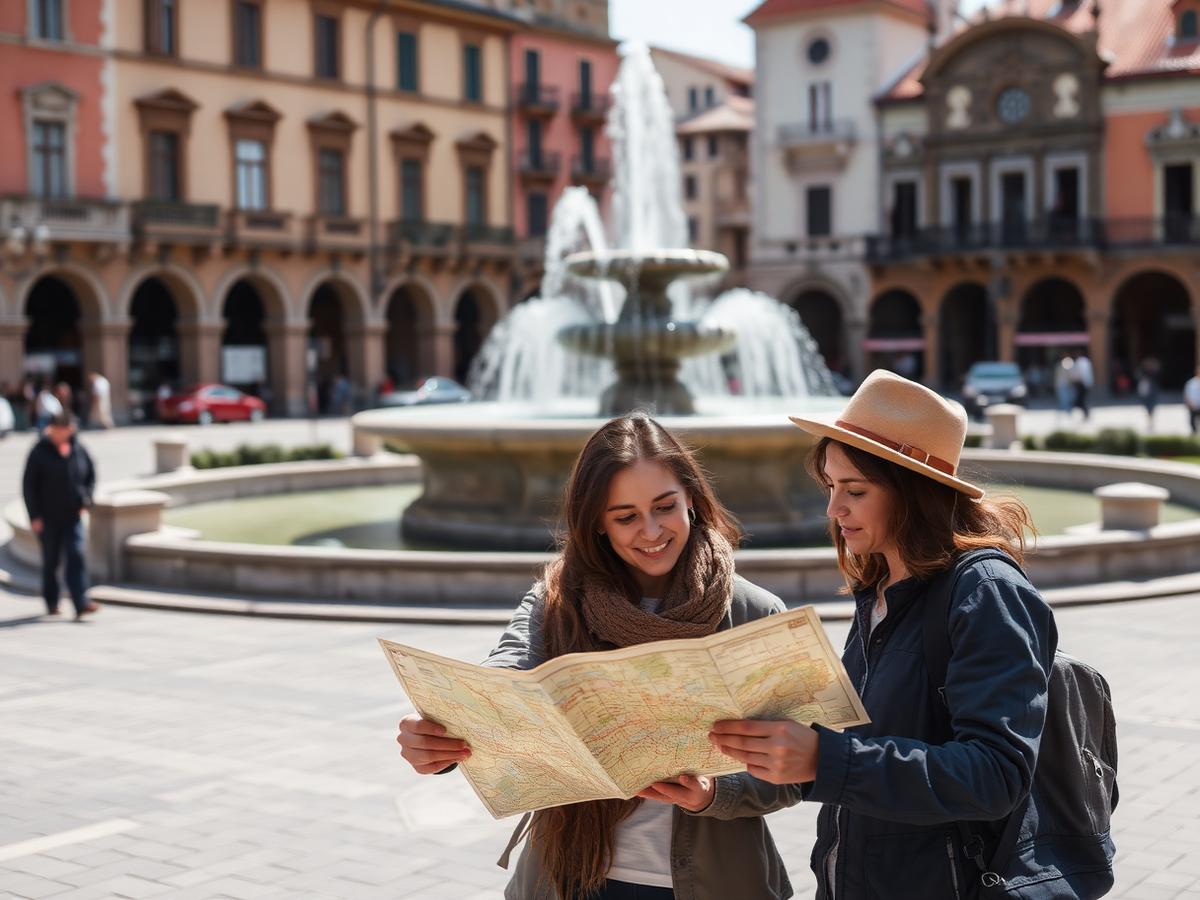
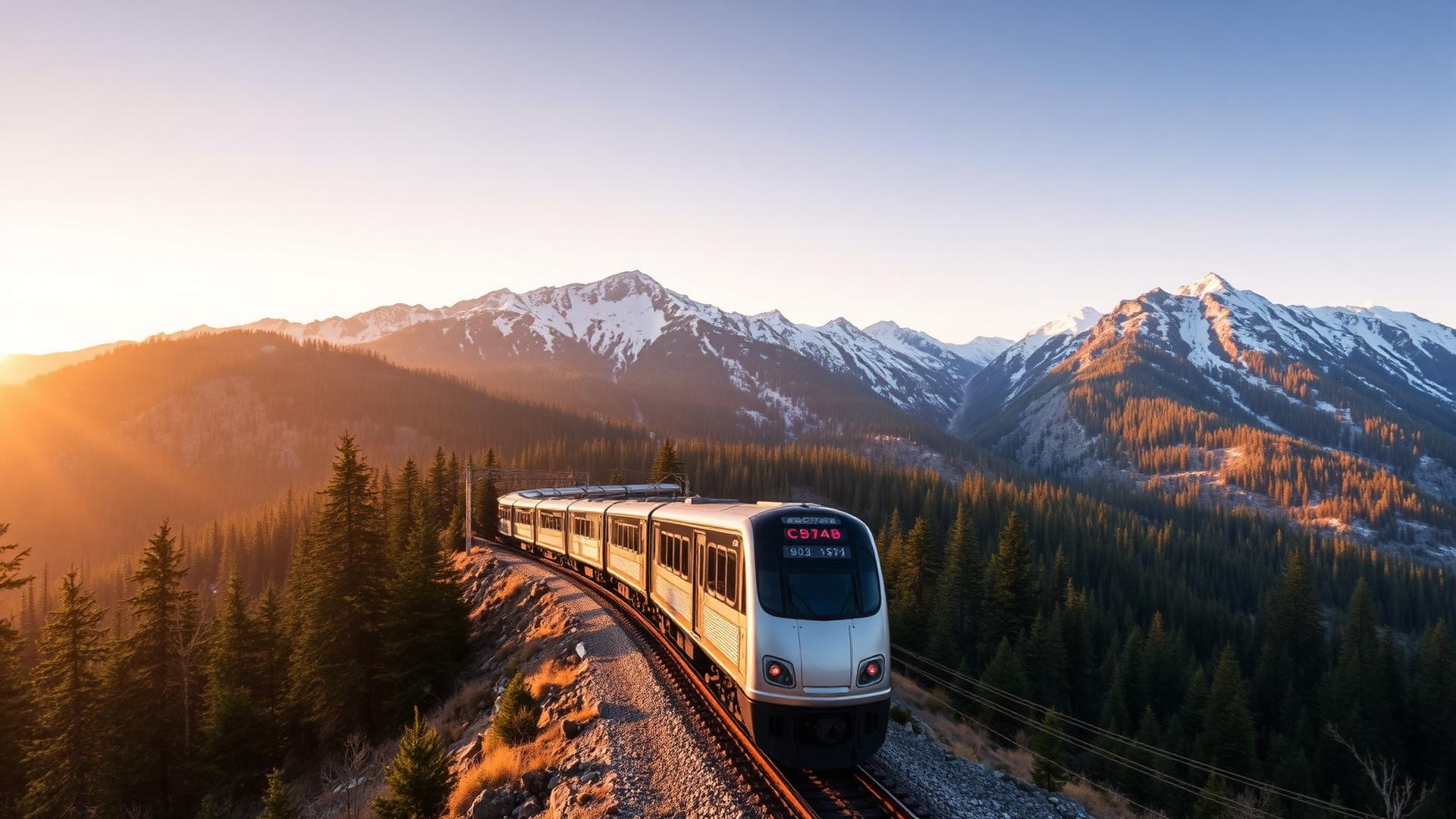
Rail is one of Europe’s strongest planning tools. Fast trains connect routes such as London–Paris, Paris–Amsterdam, Madrid–Barcelona, Rome–Florence and Vienna–Budapest, while scenic services cross the Alps. Independent travel provides freedom, but every transfer adds luggage handling, platform navigation and check-in time. Point-to-point tickets may beat a rail pass when the route is fixed; passes can add flexibility but still require reservations on many premium trains. McNellis Travel compares the complete routing rather than assuming one product is always best.

European travel experience: River Cruises

River Cruises

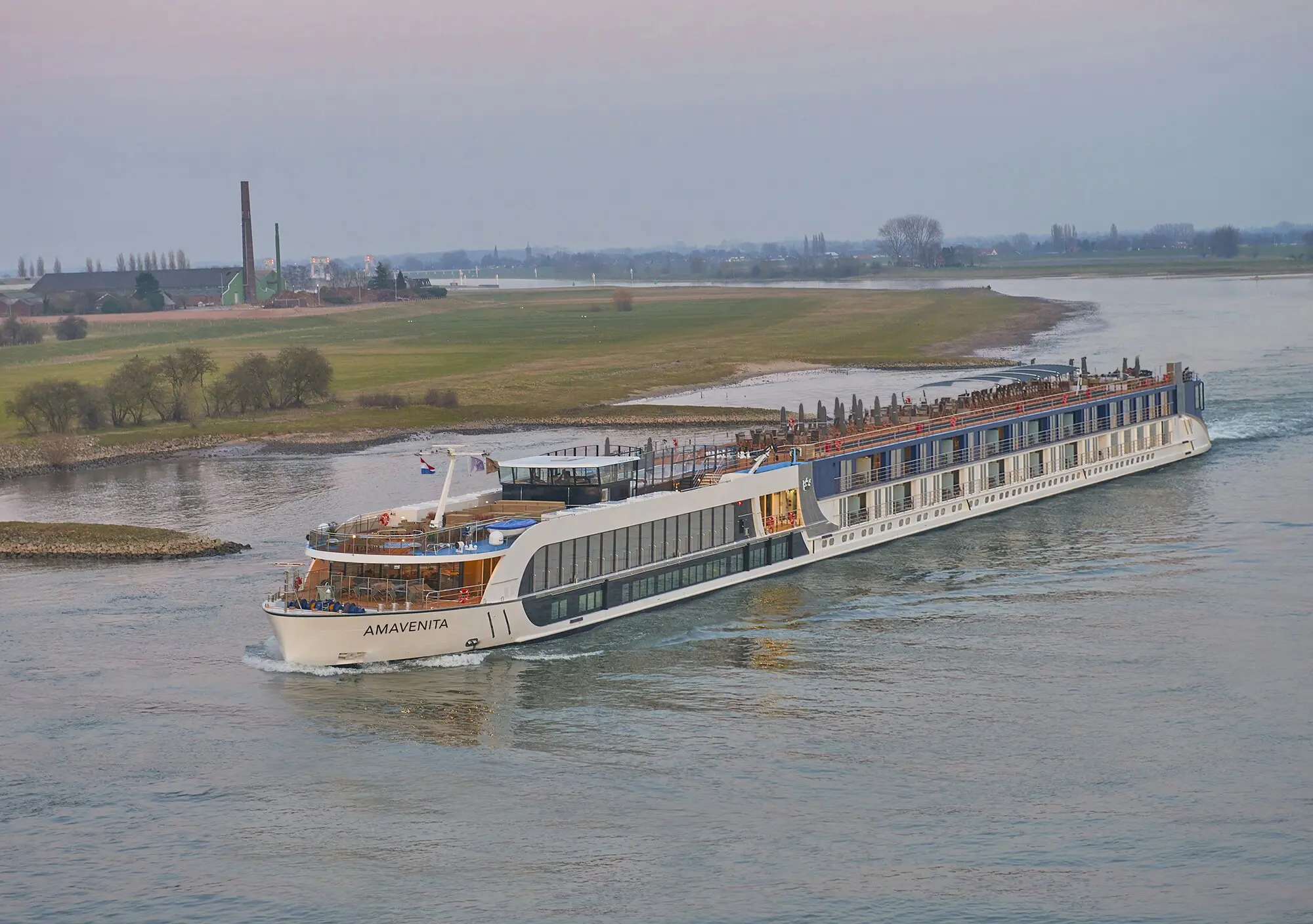
European river cruises connect historic centers along the Rhine, Danube, Seine, Rhône, Douro, Moselle and other waterways. They suit travelers who value guided touring, compact ships and unpacking once. Cabin position, balcony design, excursion pace and included beverages differ by line. Water levels can force ship swaps, motorcoach substitutions or itinerary changes, so flexibility is essential. Add hotel nights before embarkation to protect the sailing from transatlantic flight disruption and to experience the gateway city beyond an included panoramic tour.

European travel experience: Ocean Cruises & Northern Voyages

Ocean Cruises & Northern Voyages

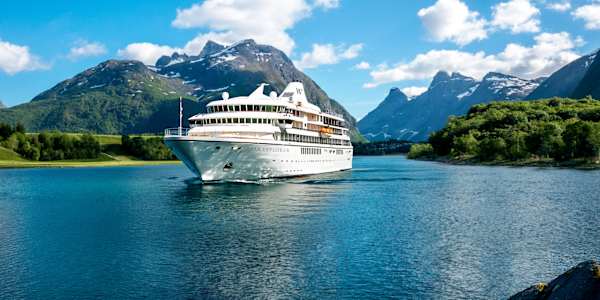
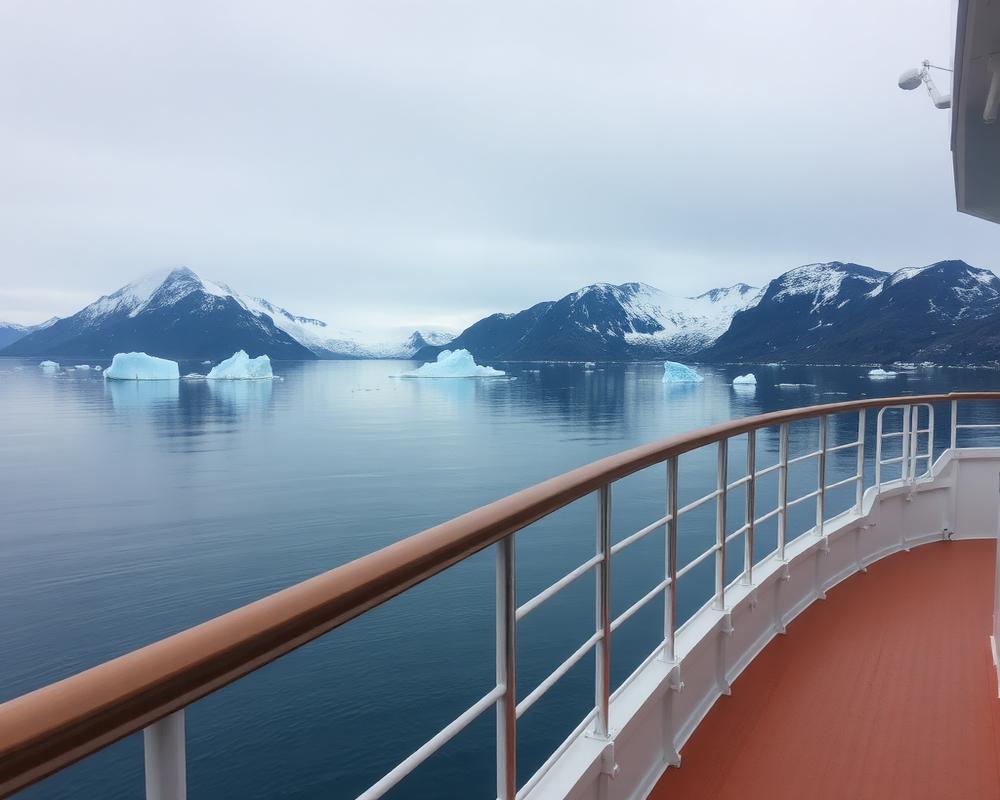
Ocean itineraries can sample the British Isles, Norwegian fjords, Iceland, Baltic ports, Atlantic coasts and Mediterranean gateways. Cruise travel reduces hotel changes, but port time is limited and some headline cities sit far from their terminals. Compare overnight calls, tender ports, travel time from the pier and whether the ship experience matches the destination intensity. Smaller ships may reach intimate ports, while larger ships provide broader dining and family amenities. A cruise works best as a regional introduction, followed by a focused land stay.

European travel experience: Food, Wine, History & the Arts

Food, Wine, History & the Arts

Europe rewards interest-led travel. Build around Burgundy wine, Italian cooking, Belgian beer, Austrian music, Spanish art, British theatre, Christmas markets or family heritage. Timed museum and monument tickets are increasingly important in major cities. Private guides add value when context matters, while market tours and neighborhood walks create a more personal scale. Avoid scheduling every meal and hour. The best trips protect room for a café, local recommendation or unexpected festival while reserving only the experiences that would truly disappoint you to miss.

European travel experience: Active, Alpine & Scenic Travel

Active, Alpine & Scenic Travel

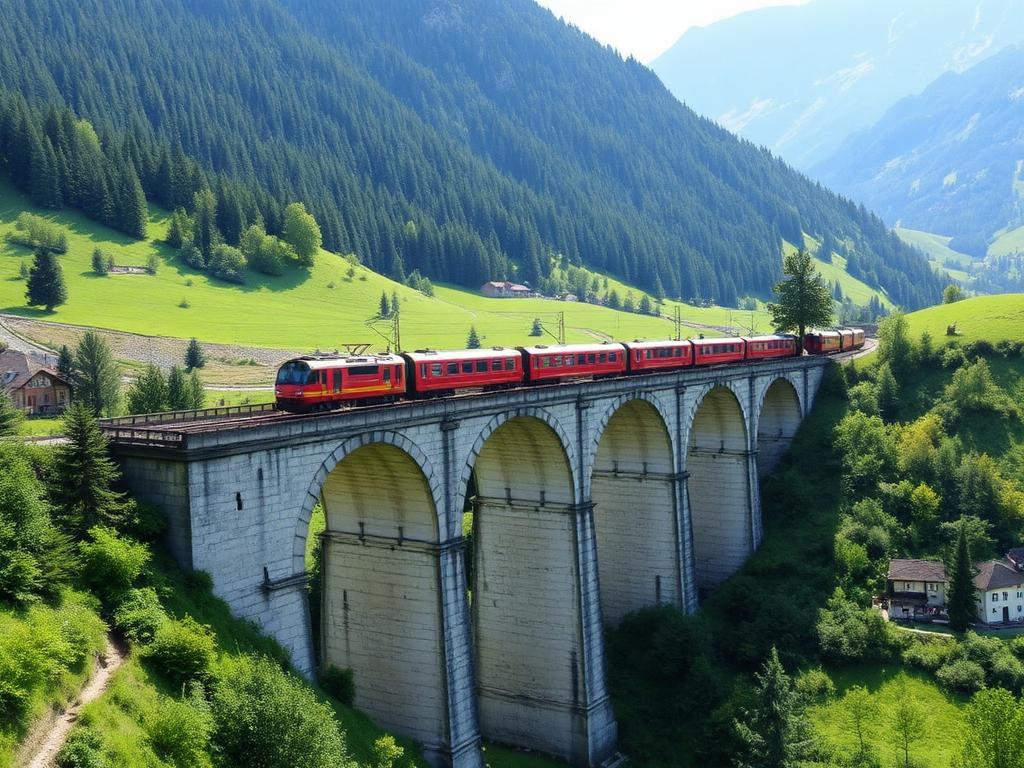
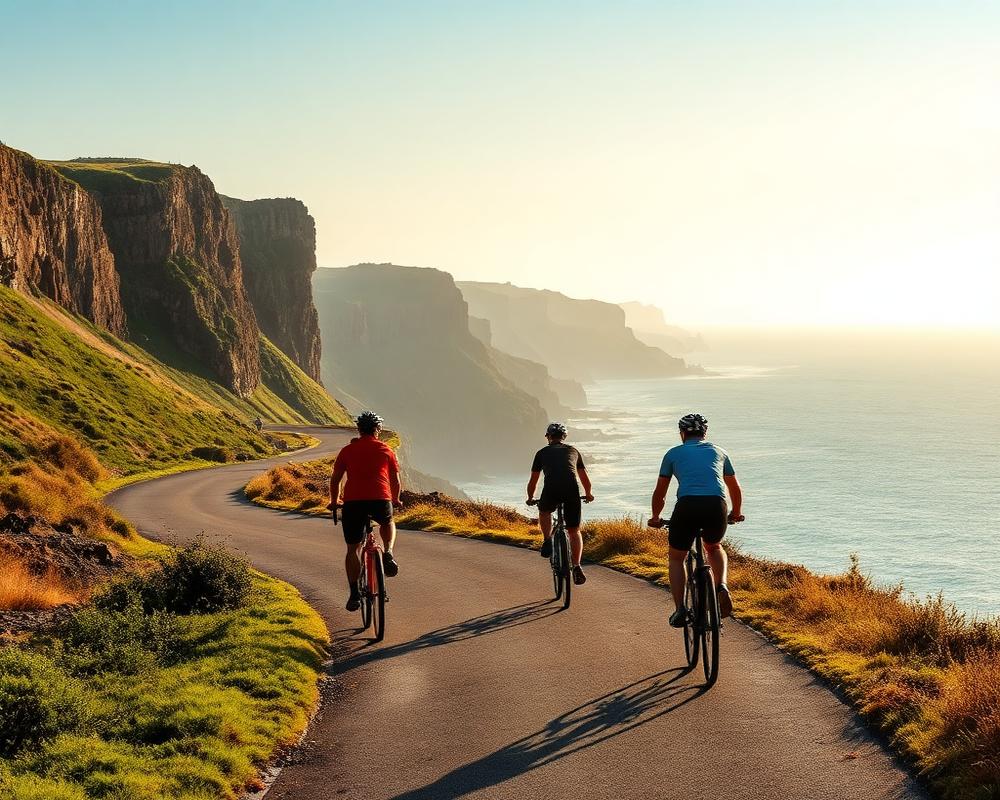
Hiking, cycling, skiing, lake journeys and panoramic rail can shape a European vacation. The Alps cross several countries, each with different village character, transport and costs. Coastal walks, pilgrimage routes and island trails broaden the options beyond mountains. Seasonal lifts, hut availability and weather determine access. Travelers should match the activity to real fitness and mobility, confirm luggage-transfer options and allow a weather day. A scenic route is most satisfying when it leads somewhere you genuinely want to stay—not when it becomes an exhausting detour for one photograph.

FEATURED STAYS & ACCOMMODATION TYPES

Choose European Accommodations Around the Itinerary

The strongest hotel is not always the most luxurious. Neighborhood, station access, stairs, climate control and transfer practicality can change the value of every night.

European accommodation: Historic City Hotels

Historic City Hotels

Central hotels put major sights, evening dining and rail stations within reach, but historic buildings can have small rooms, steps, limited elevators and street noise. Neighborhood choice matters more than a generic star rating. A hotel beside the station may simplify a one-night connection; a quieter residential district may be better for a five-night stay. McNellis Travel weighs walking distance, transit, vehicle access, bedding, air conditioning and accessibility against the actual itinerary.

European accommodation: Countryside Estates, Villas & Agriturismi

Countryside Estates, Villas & Agriturismi

Country houses, vineyard stays, villas, castles and farm properties create space and regional immersion. They are ideal for families, friends, honeymoons and food-focused travel when transportation is solved in advance. Some include breakfast or cooking, while others operate as self-catering rentals. Confirm bedroom layouts, stairs, pool season, heating or air conditioning, housekeeping and grocery access. A remote property without a car or driver can turn peaceful isolation into a logistical burden.

European accommodation: Alpine & Lakeside Resorts

Alpine & Lakeside Resorts

Switzerland, Austria, northern Italy, France and Germany offer mountain and lakeside hotels ranging from family-run inns to luxury spa resorts. Location relative to rail stations, lifts and villages affects daily convenience. Summer hiking and winter skiing follow different operating calendars, and shoulder seasons can bring extensive closures. Half-board may add value in a secluded resort. Travelers should verify altitude, walking gradients, wellness access, children’s programs and whether the scenery is visible from the selected room category—not merely from the hotel website.

European accommodation: Guided Tours & Cruise Extensions

Guided Tours & Cruise Extensions

Escorted tours simplify transportation, guides, luggage and admission planning, while private touring provides more control over pace. River and ocean cruises often offer pre- or post-cruise extensions that bundle hotels and transfers. Convenience does not automatically equal value: compare group size, hotel location, free time, meals, mobility expectations and cancellation terms. A hybrid itinerary—guided for a complex region and independent in a favorite city—can provide structure without making the entire vacation feel scheduled.

LOGISTICS & ENTRY REQUIREMENTS

Plan Passports, Borders, Rail, Flights and Local Transportation

Schengen, EES & ETIAS

Many European countries belong to the Schengen Area, where eligible short stays are generally limited to 90 days in any 180-day period. The Entry/Exit System is fully operational and digitally records participating non-EU travelers at external borders. ETIAS is not operating as of August 2026; the European Union expects it in the last quarter of 2026 and says no applications are currently being collected. The United Kingdom, Ireland and several Balkan countries maintain separate rules. Passport validity, visa and authorization requirements depend on citizenship and route.

Gateways, Currency & Getting Around

Major gateways include London, Paris, Amsterdam, Frankfurt, Munich, Zurich, Rome, Madrid, Lisbon, Vienna and Copenhagen. The euro is widely used but not universal; the United Kingdom, Switzerland, Hungary, Czechia and others use different currencies. Contactless payment is common, yet some cash remains useful. Rail excels between connected cities, while flights save time across long distances. Ferry, metro and regional reservations vary. Separate tickets may not protect missed connections, so build buffers around international trains, cruises and transatlantic flights.

Border systems and transportation schedules can change. McNellis Travel verifies current official entry rules for each traveler’s citizenship and confirmed itinerary before departure.

SAMPLE ITINERARIES & TRIP LENGTHS

Build a European Vacation with Breathing Room

These sample routes are planning frameworks. Final schedules depend on trains, flights, cruises, seasonal operations and the pace that suits your group.

Europe itinerary: Seven Nights: Two Cities, One Direct Connection

Seven Nights: Two Cities, One Direct Connection

Choose a pair such as London and Paris, Rome and Florence, Madrid and Barcelona, or Vienna and Budapest. Spend at least three nights in each city and travel by a direct train when practical. Reserve one major attraction per day, keep arrival day light and stay centrally enough to enjoy evenings on foot. This structure provides contrast without turning a short vacation into a luggage relay.

Europe itinerary: Ten Nights: Three Stops in One Region

Ten Nights: Three Stops in One Region

Ten nights can support three connected bases: Amsterdam–Bruges–Paris, Munich–Salzburg–Vienna, Rome–Florence–Venice or Lisbon–Porto–Douro Valley. Keep transfers short and protect one unscheduled day. If the third stop requires a flight, consider whether it belongs on a future trip. A regional journey usually feels richer than crossing the continent for famous names.

Europe itinerary: Fourteen Nights: Cruise, Rail & Land Combination

Fourteen Nights: Cruise, Rail & Land Combination

Two weeks allows a seven-night river or ocean cruise with meaningful hotel stays before and after, or a slower independent rail route. Arrive two or three nights early in the embarkation city, sail a complementary region and finish with one countryside or city base. Coordinate separate tickets carefully and add travel insurance. The goal is not the maximum number of countries; it is a complete journey with enough time to absorb each place.

EUROPE VACATION FAQ

Answers Before You Cross the Atlantic

McNellis Travel compares European flights, trains, hotels, cruises and guided experiences around your dates, budget, pace and priorities.

Request a Europe Vacation Quote
How many countries should I visit on a two-week Europe trip?

For most travelers, two to four countries or one coherent region provides a satisfying pace. Direct rail routes make some borders feel easy, but every hotel change still consumes time. Fewer bases allow evenings, day trips and recovery from jet lag without sacrificing the places you care about most.

Is a European rail pass always cheaper?

No. Advance point-to-point fares can cost less when dates and routes are fixed, while a pass may provide flexibility or value across frequent travel days. Many high-speed, sleeper and scenic trains still require paid reservations. The right choice depends on the complete itinerary, traveler age, class, booking timing and willingness to commit.

Do U.S. travelers need ETIAS for Europe now?

ETIAS is not operating as of August 2026, and the European Union says no applications are currently being collected. It is scheduled for the last quarter of 2026, with the exact date to be announced officially. The Entry/Exit System is fully operational for participating countries. Travelers should check current official rules shortly before departure.

What is the best season for a Europe vacation?

April through June and September through October often balance weather, open services and manageable crowds, but Europe is highly regional. Summer favors northern landscapes and family travel; winter supports cities, skiing and Christmas markets. Mediterranean heat, Alpine operating seasons and major events should be assessed for the exact route.