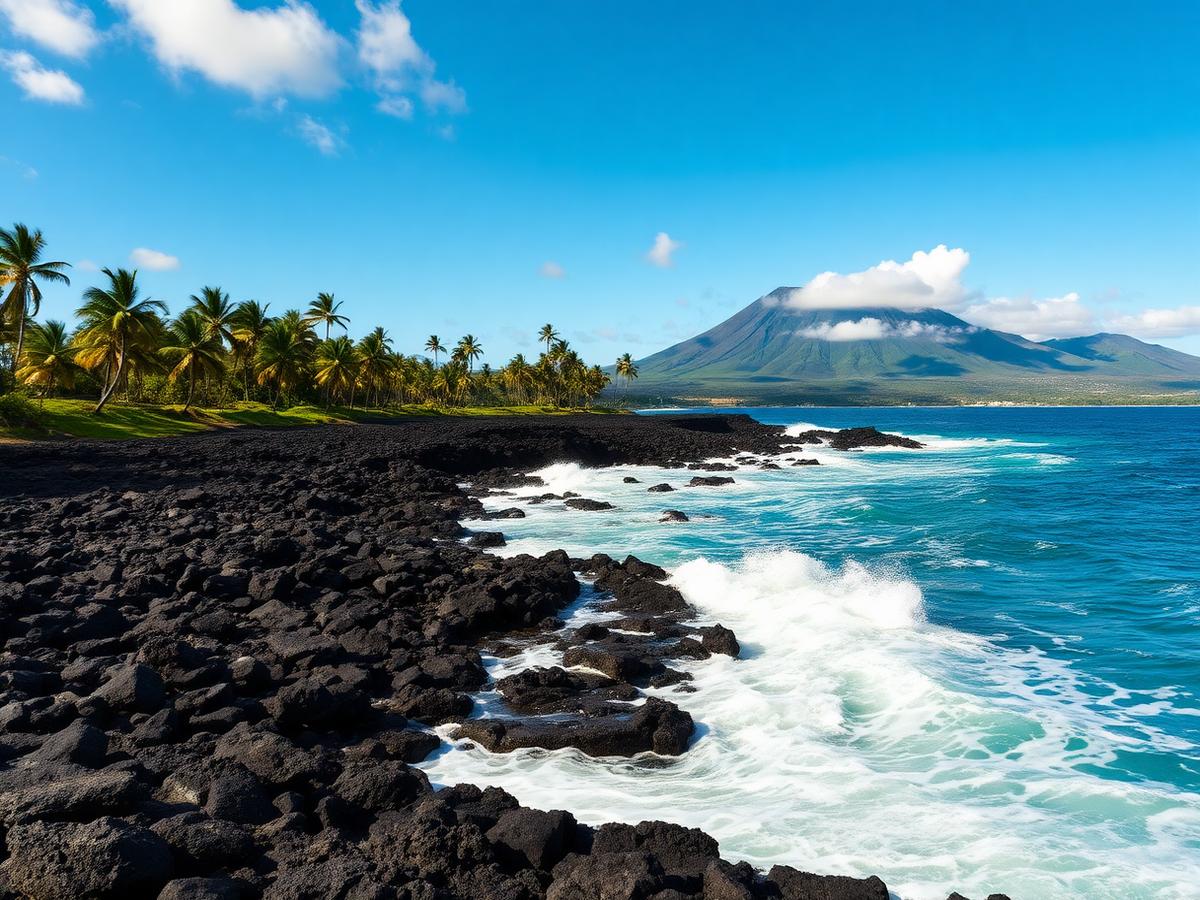
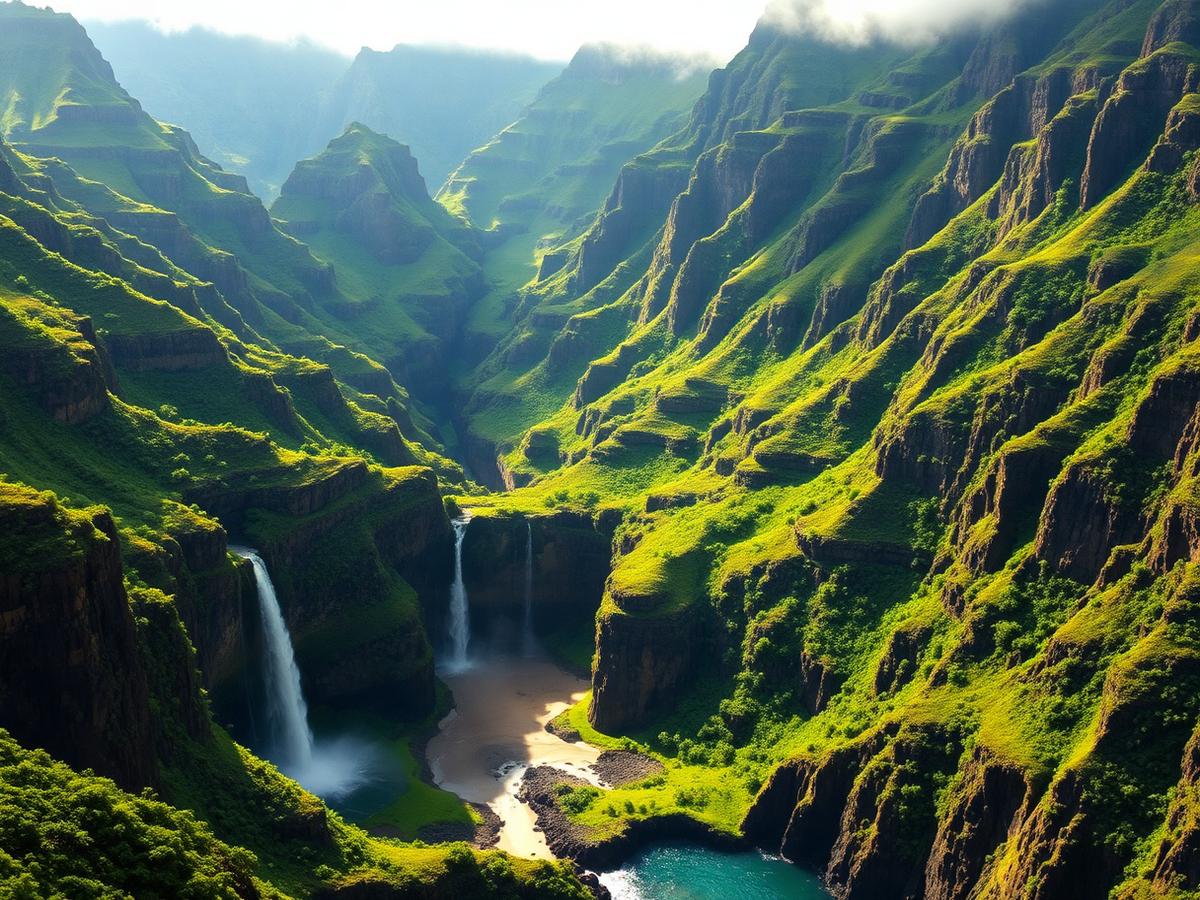
Hawaiian coastline with tropical mountains and blue Pacific water

HAWAII RESORTS & ISLAND VACATION PACKAGES

Hawaii Island Vacations, Resorts & Scenic Adventures

Hawaii combines volcanic landscapes, warm Pacific water, living Hawaiian culture, distinctive island communities and resort experiences within the United States. Oʻahu, Maui, Hawaiʻi Island and Kauaʻi each support a complete vacation, while Lānaʻi and Molokaʻi offer more specialized travel. Nonstop flights reach Honolulu, Kahului, Kona and other gateways from major North American cities, but inter-island travel still consumes time. McNellis Travel compares Hawaii vacation packages, flights, resorts, rental cars, transfers and activities as one coordinated trip—so you choose the right island before choosing the hotel.

Six Distinct Visitor IslandsResorts, Culture & AdventureFamilies, Couples & Groups

ISLANDS & KEY DESTINATIONS

Choose the Hawaiian Island That Fits Your Trip

Each island has its own geography, culture, transportation and resort personality. Start with the island experience, then select the hotel and room category that supports it.

Hawaii destination: Oʻahu: Waikīkī, Honolulu & the North Shore

Oʻahu: Waikīkī, Honolulu & the North Shore

Oʻahu combines Hawaii’s largest city with beaches, history, food, nightlife and the broadest air access. Waikīkī suits first-time visitors who want walkability, restaurants and easy tours. Ko Olina offers a quieter resort setting west of Honolulu, while the North Shore brings legendary surf, smaller communities and a more relaxed pace. Pearl Harbor, ʻIolani Palace, Diamond Head and cultural institutions add depth beyond the beach. Traffic can reshape touring time, and parking costs affect hotel value. A rental car may be useful for selected days rather than the entire stay.
Hawaii destination: Maui: Wailea, Kāʻanapali & Upcountry

Maui: Wailea, Kāʻanapali & Upcountry

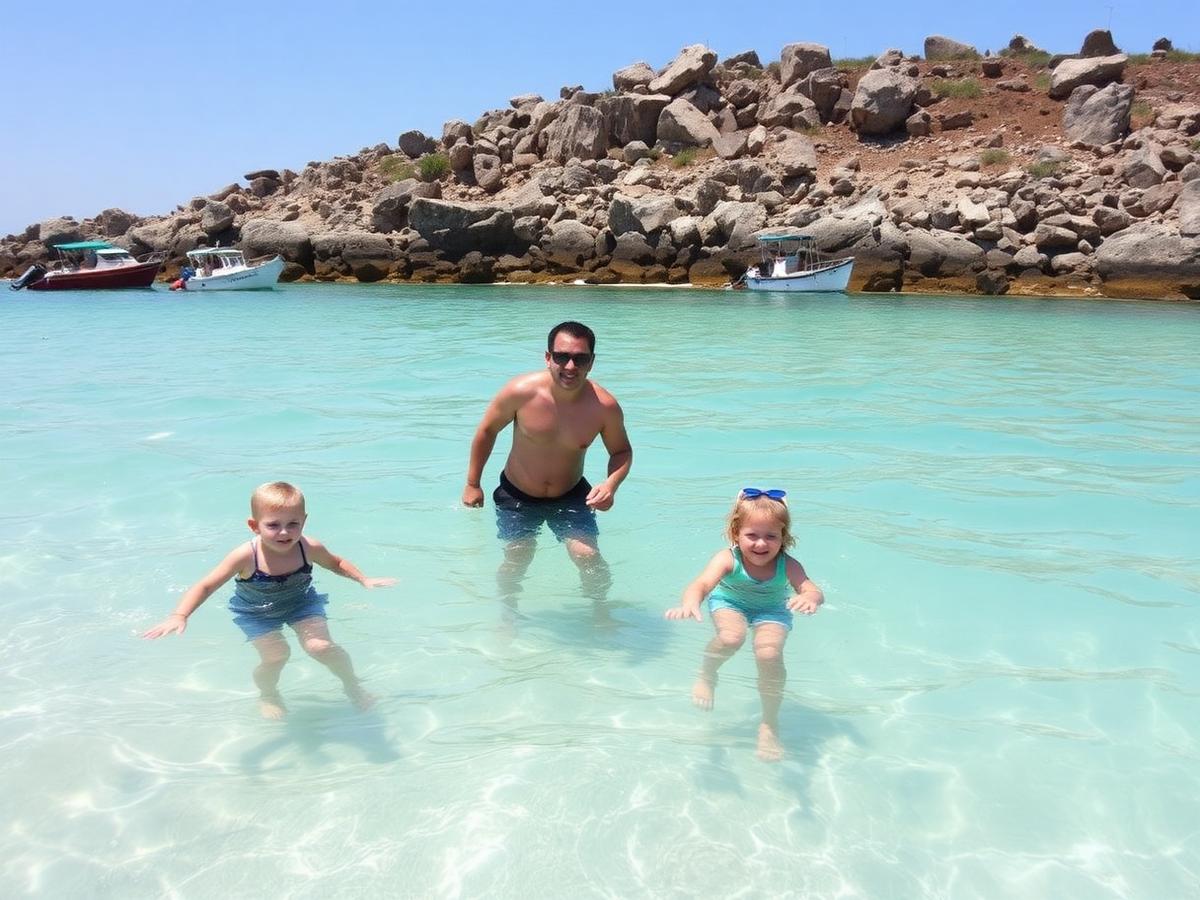
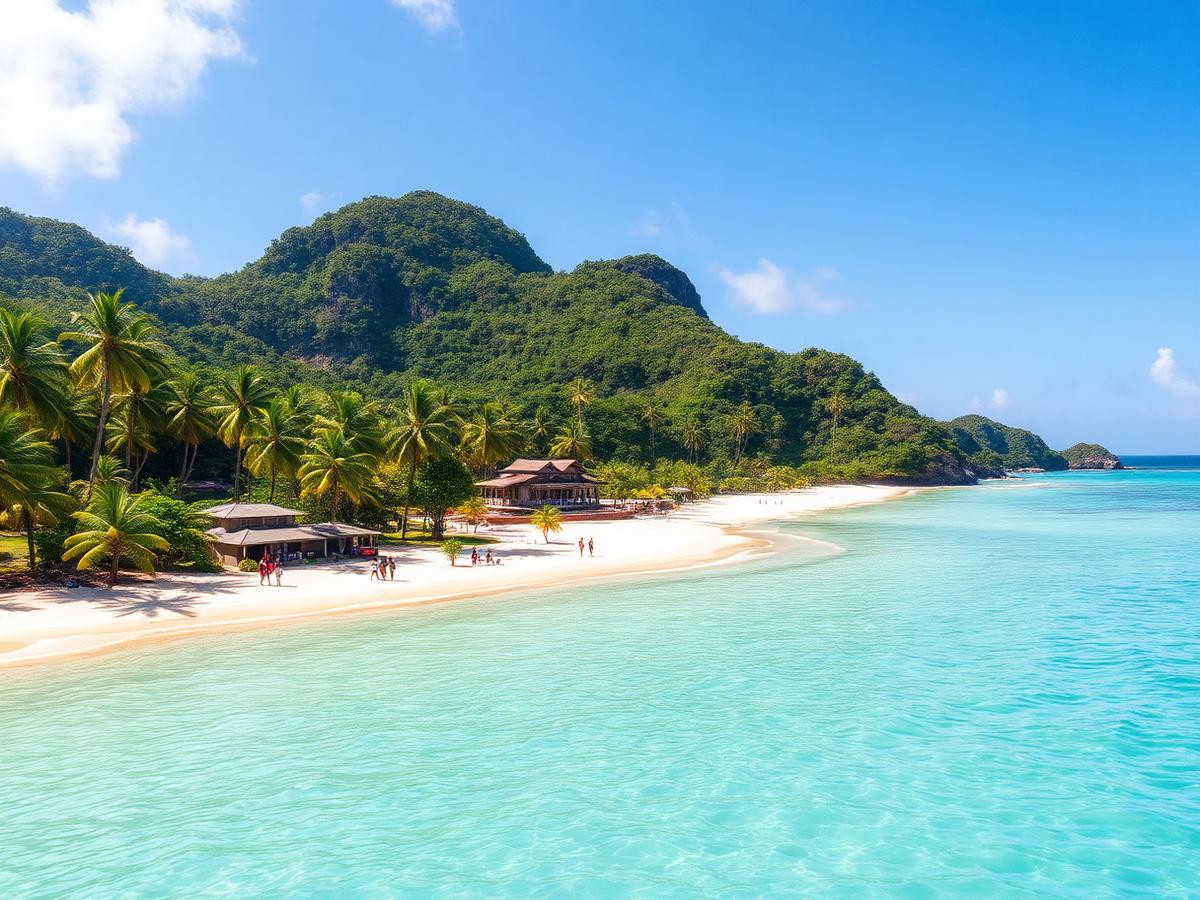
Maui balances resort beaches with Haleakalā, Upcountry farms, marine experiences and the Road to Hāna. Wailea emphasizes polished resorts and quieter evenings; Kāʻanapali provides a long-established resort corridor with beach access and dining; Kapalua feels secluded and scenic. West Maui communities continue to recover from the 2023 fires, and respectful travel means following current local guidance and supporting open businesses without treating affected areas as attractions. Drive times, ocean conditions and sunrise reservations require advance planning. Maui rewards travelers who schedule fewer major outings and protect genuine beach time.

Hawaii destination: Hawaiʻi Island: Volcanoes, Kona & Kohala

Hawaiʻi Island: Volcanoes, Kona & Kohala

The Island of Hawaiʻi is the largest and most geographically diverse. Kona and the Kohala Coast support resorts, coffee country and manta-ray experiences, while Hilo provides access to rainforests, waterfalls and Hawaiʻi Volcanoes National Park. Driving between coasts takes time, and a single resort base cannot make every attraction convenient. Splitting the stay can reduce backtracking. Volcanic activity, road conditions and park access change, so official updates matter. This island suits travelers who value landscapes, stargazing, culture and active exploration as much as beach time.

Hawaii destination: Kauaʻi: Poʻipū, Princeville & the Nāpali Coast

Kauaʻi: Poʻipū, Princeville & the Nāpali Coast

Kauaʻi offers dramatic cliffs, green valleys, beaches and a slower rhythm. Poʻipū is generally sunnier and supports established resorts; Princeville and the North Shore feel lush and scenic but receive more rain. The Nāpali Coast is viewed by boat, air or demanding trail, with weather and ocean conditions controlling access. Waimea Canyon and Kōkeʻe reward driving and hiking. Hāʻena State Park and other protected areas can require advance reservations. Kauaʻi works best when travelers accept weather flexibility and avoid over-scheduling long drives on its limited road network.

Hawaii destination: Lānaʻi: Seclusion & Luxury

Lānaʻi: Seclusion & Luxury

Lānaʻi offers a quiet, high-end escape with limited visitor infrastructure, rugged landscapes and a strong sense of separation from larger resort islands. Most visitors arrive by short flight or ferry from Maui when operating. Luxury resorts provide extensive on-property experiences, while off-road touring reaches more remote scenery. Transportation, dining and activity choices are narrower than on Oʻahu or Maui, so planning matters. Lānaʻi is strongest as a focused retreat or a carefully arranged second-island stay rather than an improvised day trip.

Hawaii destination: Molokaʻi: Community, Culture & Quiet

Molokaʻi: Community, Culture & Quiet

Molokaʻi is not a conventional resort destination. Its small communities, Native Hawaiian culture and limited tourism infrastructure call for humility and advance preparation. Travelers come for quiet landscapes, local history and a slower pace, not nightlife or a catalog of polished attractions. Flights, rental vehicles, restaurants and lodging can be limited. Visitors should respect private land, community requests and culturally significant places. Molokaʻi is appropriate for independent travelers who value simplicity and are willing to plan around local realities rather than expecting another version of Maui.

BEST TIME TO VISIT & WEATHER

Hawaii Seasons, Surf and Island Microclimates

Hawaii is warm year-round, but rainfall, surf, wind and temperature vary between islands, elevations and even opposite coasts.

Winter: December–March

Winter brings peak holiday demand, larger north-shore surf and prime humpback-whale season. Resort areas remain warm, while high elevations can be cold. Rain is more frequent on some windward coasts, and ocean conditions may limit swimming.

Spring & Fall

April through early June and September through early December often provide a strong balance outside major holidays. Demand can be more moderate, but festivals, school breaks and conventions still affect rates. Weather remains locally variable.

Summer: June–August

Summer supports family travel, generally calmer north-shore water and long days. Temperatures and humidity rise, and popular resorts fill during school vacations. South-facing surf can strengthen. Reserve rental cars and protected-site access early.

Check daily ocean warnings and obey lifeguards. Hawaii’s beautiful water can be dangerous, and beach conditions matter more than a seasonal generalization.

TOP EXPERIENCES & TRAVEL STYLES

Experience Hawaii with Curiosity and Respect

Hawaii travel experience: Beaches, Snorkeling & Ocean Time

Beaches, Snorkeling & Ocean Time

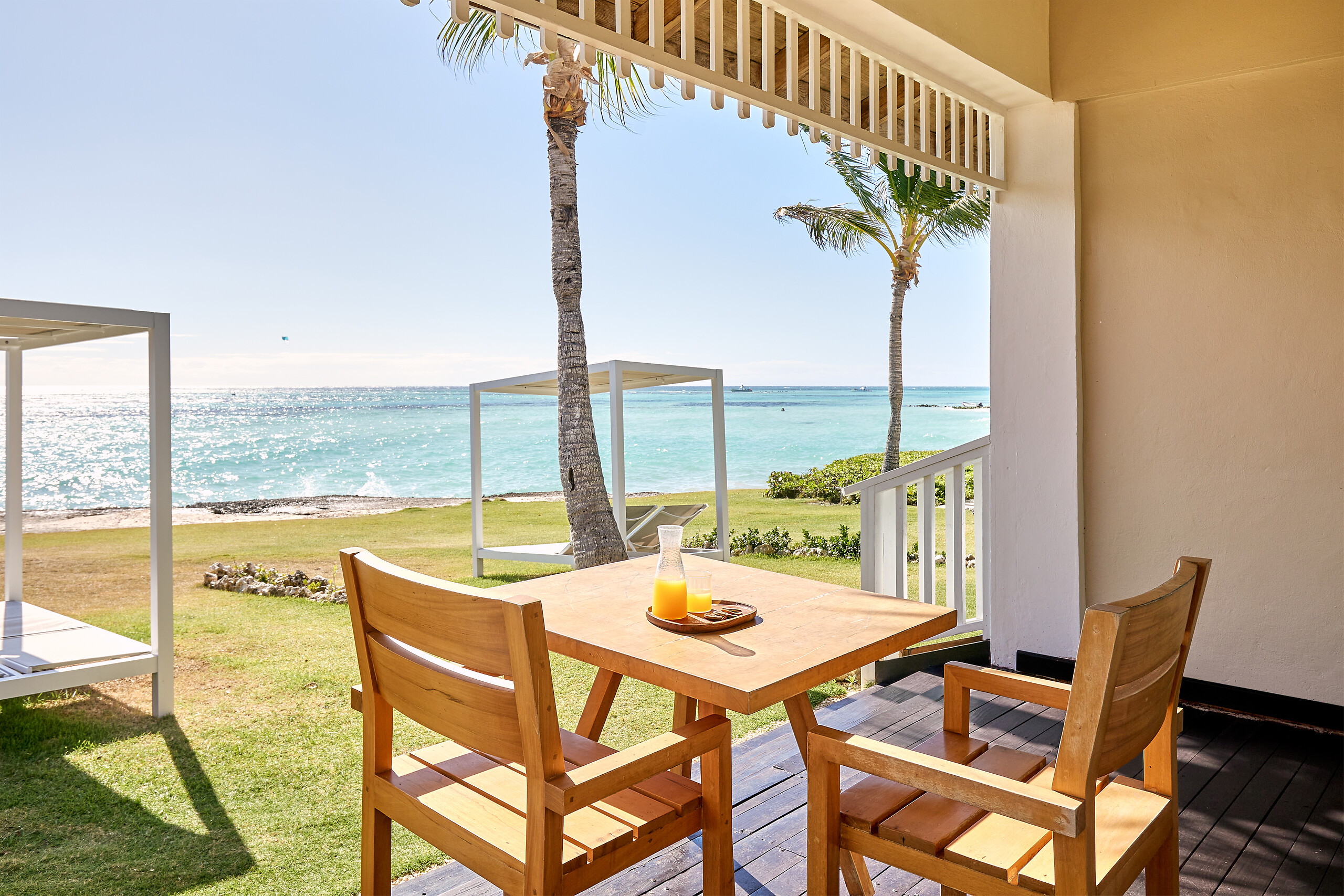
Hawaii’s beaches differ by island, coast and season. A calm summer bay can carry powerful winter surf, and lifeguard coverage varies. Snorkeling, surfing, paddling and sailing should be matched to current conditions and ability. Choose responsible operators, never touch coral or wildlife and follow posted closures. A resort’s beach quality deserves direct verification; the word beachfront does not guarantee easy swimming every day.

Hawaii travel experience: Volcanoes, Waterfalls & Scenic Drives

Volcanoes, Waterfalls & Scenic Drives

Haleakalā, Hawaiʻi Volcanoes National Park, Waimea Canyon, the Road to Hāna and Oʻahu’s mountain corridors reveal the islands’ geological scale. These experiences require more than a pin on a map. Sunrise permits, road closures, weather, parking and drive time can change the plan. Start early, carry water and avoid trespassing for a photograph. A guided tour can reduce driving stress and add cultural or scientific context.

Hawaii travel experience: Hawaiian Culture & Local Food

Hawaiian Culture & Local Food

Hawaii is a living homeland, not a theme. Museums, cultural centers, historic sites, hula, music, language and community-led programs help visitors understand the islands beyond resort entertainment. Food experiences range from plate lunch and farmers markets to chef-led regional cuisine. Ask before photographing people or ceremonies, learn correct place names and support locally owned businesses. Respectful travel includes listening when communities set boundaries.

Hawaii travel experience: Whale Watching & Wildlife

Whale Watching & Wildlife

Humpback whales are most associated with winter and early spring, especially around Maui, though timing and sightings vary. Dolphins, monk seals, sea turtles and seabirds are protected and must be given space. Ethical operators follow approach rules and do not promise contact. Wildlife should never be touched, fed or crowded for a photo. Travelers should also understand that boat trips can be rough and weather cancellations are part of responsible operations.

Hawaii travel experience: Romance, Wellness & Island Luxury

Romance, Wellness & Island Luxury

Oceanfront suites, private lanais, spa rituals, sunset sails and intimate dining make Hawaii a natural honeymoon or milestone destination. Luxury is most valuable when it improves location, privacy or service. Resort fees, parking, cabanas and dining can add significantly to the package. McNellis Travel compares the real total and confirms honeymoon amenities rather than presenting them as automatic.

FEATURED RESORTS & ACCOMMODATION TYPES

Choose a Hawaii Stay Around the Island Plan

Resort fees, parking, beach access, neighborhood and room condition all affect the real value of a Hawaii package.

Hawaii accommodation: Full-Service Beach Resorts

Full-Service Beach Resorts

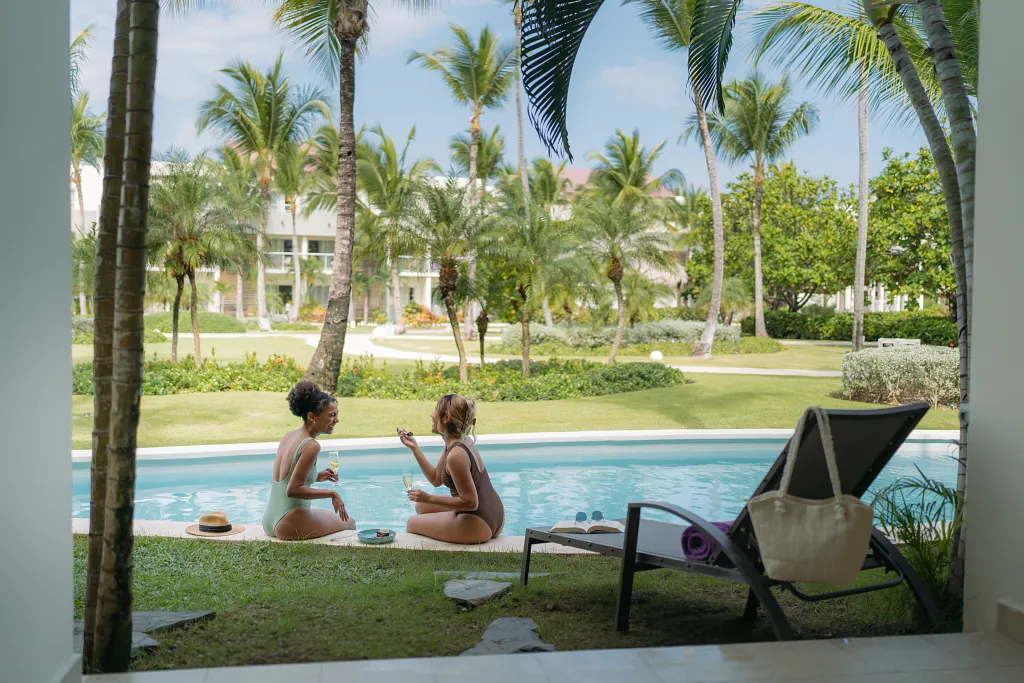
Large resorts provide pools, restaurants, children’s programs and organized activities. They suit families and first-time visitors who value convenience. Compare beach swimmability, resort fees, parking, room renovation, pool crowding and walkability to nearby dining. A beautiful property may be far from the island experiences you plan to visit, so location must support the itinerary.

Hawaii accommodation: Luxury Retreats & Villas

Luxury Retreats & Villas

Wailea, Kohala, Kapalua, Lānaʻi and other resort regions support luxury hotels, residences and villas. Villas benefit families or groups when bedroom layouts, kitchens and laundry matter, but housekeeping and hotel privileges vary. Confirm beach access, staffing, groceries, parking, cancellation terms and whether the unit’s view is guaranteed. Private does not always mean close to restaurants or attractions.

Hawaii accommodation: Boutique Hotels & Condominiums

Boutique Hotels & Condominiums

Boutique hotels offer personality and smaller scale, while condominiums provide kitchens and living space. Condo quality can vary by unit, and daily housekeeping may not be included. Review air conditioning, elevator access, renovation, management support and legal rental status. A kitchen can reduce meal costs, but only if the location and vacation style make cooking realistic.

Hawaii accommodation: Cruise Between the Islands

Cruise Between the Islands

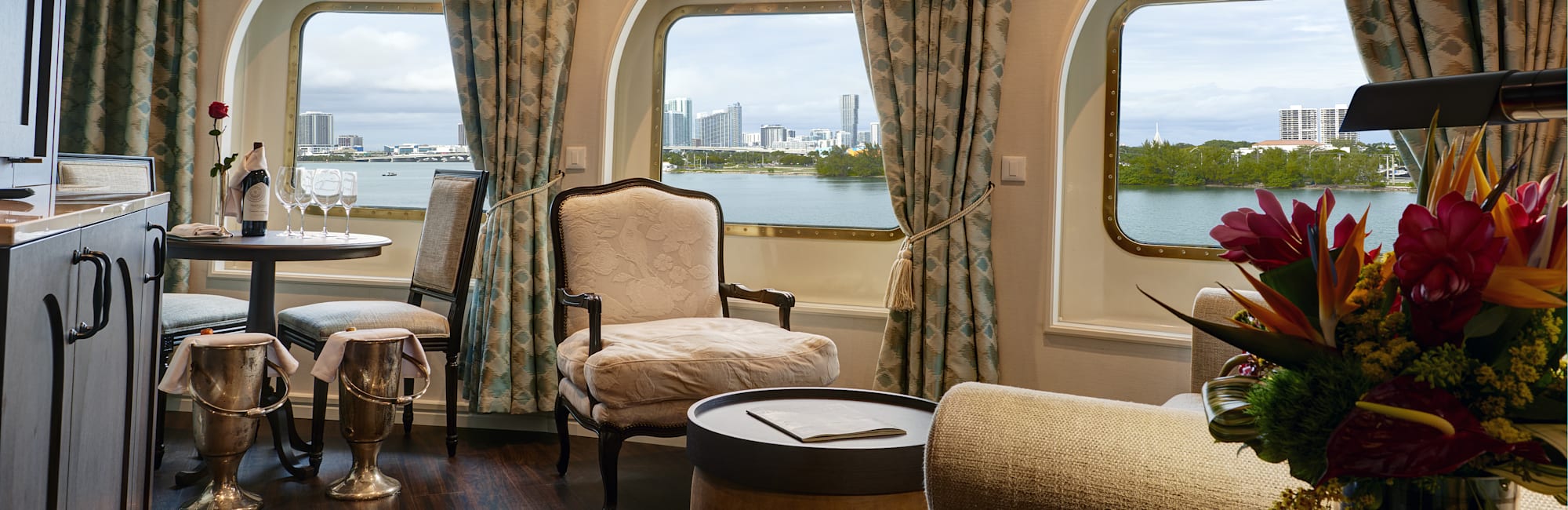
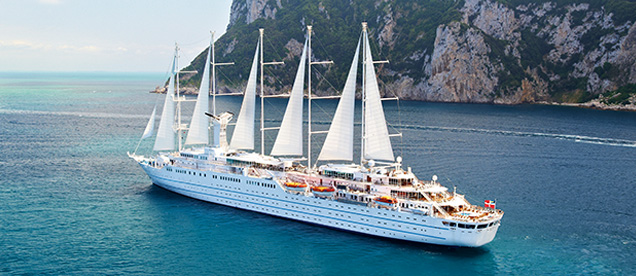
A Hawaii cruise can introduce several islands without repeated flights and hotel changes. Port time, overnight calls, ship atmosphere and tendering determine the experience. A cruise is efficient but cannot provide the same depth as a week on one island. Arrive early on Oʻahu, verify inter-island itinerary details and consider a resort stay before or after the sailing for balance.

LOGISTICS & ENTRY REQUIREMENTS

Plan Flights, Rental Cars, Reservations and Island Connections

Documents & Agricultural Rules

U.S. citizens flying directly from another U.S. state do not need a passport, but adults need TSA-accepted identification. International visitors must meet U.S. entry rules. Hawaii protects its agriculture and ecosystems through inspection and declaration requirements; restrictions can apply to plants, produce, soil and animals. Travelers should review current airline, TSA and Hawaii agriculture rules before packing and before taking items home.

Gateways & Inter-Island Transportation

Honolulu is the largest gateway, with major airports also serving Maui, Kona, Hilo, Kauaʻi and smaller islands. Inter-island travel is mainly by air; flight time is short, but airport and rental-car steps make it a substantial transfer day. Rental cars are valuable on Maui, Kauaʻi and Hawaiʻi Island, while Oʻahu offers more transit and rideshare options. Popular parks, sunrise experiences and protected areas may require timed reservations. Never assume same-day inventory.

Access rules, recovery conditions and reservations can change. McNellis Travel verifies the confirmed islands, transportation and supplier requirements before departure.

SAMPLE ITINERARIES & TRIP LENGTHS

Give Each Hawaiian Island Enough Time

These examples are planning frameworks. Final routes depend on flights, rental cars, reservations and the pace that suits your group.

Hawaii itinerary: Five Nights: One-Island Introduction

Five Nights: One-Island Introduction

Choose Oʻahu for variety and air access, Maui for a resort-and-scenery balance, Hawaiʻi Island for volcanoes and landscapes, or Kauaʻi for nature and a slower pace. Stay in one well-located base, schedule one major outing every other day and protect arrival and departure time. A five-night trip is too short for casual island hopping.

Hawaii itinerary: Seven Nights: One Island in Depth

Seven Nights: One Island in Depth

A full week supports a resort stay plus three or four meaningful experiences. On Maui, combine Haleakalā, one scenic drive and ocean time. On Hawaiʻi Island, consider split bases between Kona or Kohala and Hilo or Volcano. On Oʻahu, balance Waikīkī with cultural sites and a North Shore day. Leave at least two unscheduled days.

Hawaii itinerary: Ten to Fourteen Nights: Two Islands

Ten to Fourteen Nights: Two Islands

Pair islands that provide contrast: Oʻahu and Kauaʻi, Maui and Hawaiʻi Island, or Oʻahu and Maui. Allocate at least four nights per island and treat the inter-island flight as a travel day. Use separate rental cars and review baggage fees. Avoid three islands in ten nights unless frequent packing is genuinely part of the desired pace.

HAWAII VACATION FAQ

Answers Before You Choose an Island

McNellis Travel compares Hawaii flights, resorts, rental cars and activities around your dates, budget and travel style.

Request a Hawaii Vacation Quote
Which Hawaiian island is best for a first visit?

Oʻahu offers the broadest combination of beaches, culture, dining and air access. Maui balances resorts and scenic touring, Kauaʻi emphasizes nature, and Hawaiʻi Island provides volcanoes and geographic variety. The best choice depends on pace, budget, preferred activities and flight schedule—not a universal ranking.

Do U.S. travelers need a passport for Hawaii?

U.S. citizens traveling directly between Hawaii and another U.S. state do not need a passport, but adults need identification accepted by TSA for domestic flights. International travelers must meet U.S. entry requirements. A passport may still be needed when a Hawaii trip includes another country or an international cruise itinerary.

What is the best time to visit Hawaii?

Hawaii is a year-round destination. April through early June and September through early December often balance demand and weather outside holidays. Winter brings larger north-shore surf and whale season, while summer tends to be calmer on many northern beaches. Rain and conditions vary by island and coast.

Should I visit more than one island?

Island hopping makes sense with at least ten nights and a clear reason for the second island. Flights are short, but airports, rental cars and hotel changes consume much of a day. For seven nights or fewer, one island usually creates a more relaxing and complete vacation.