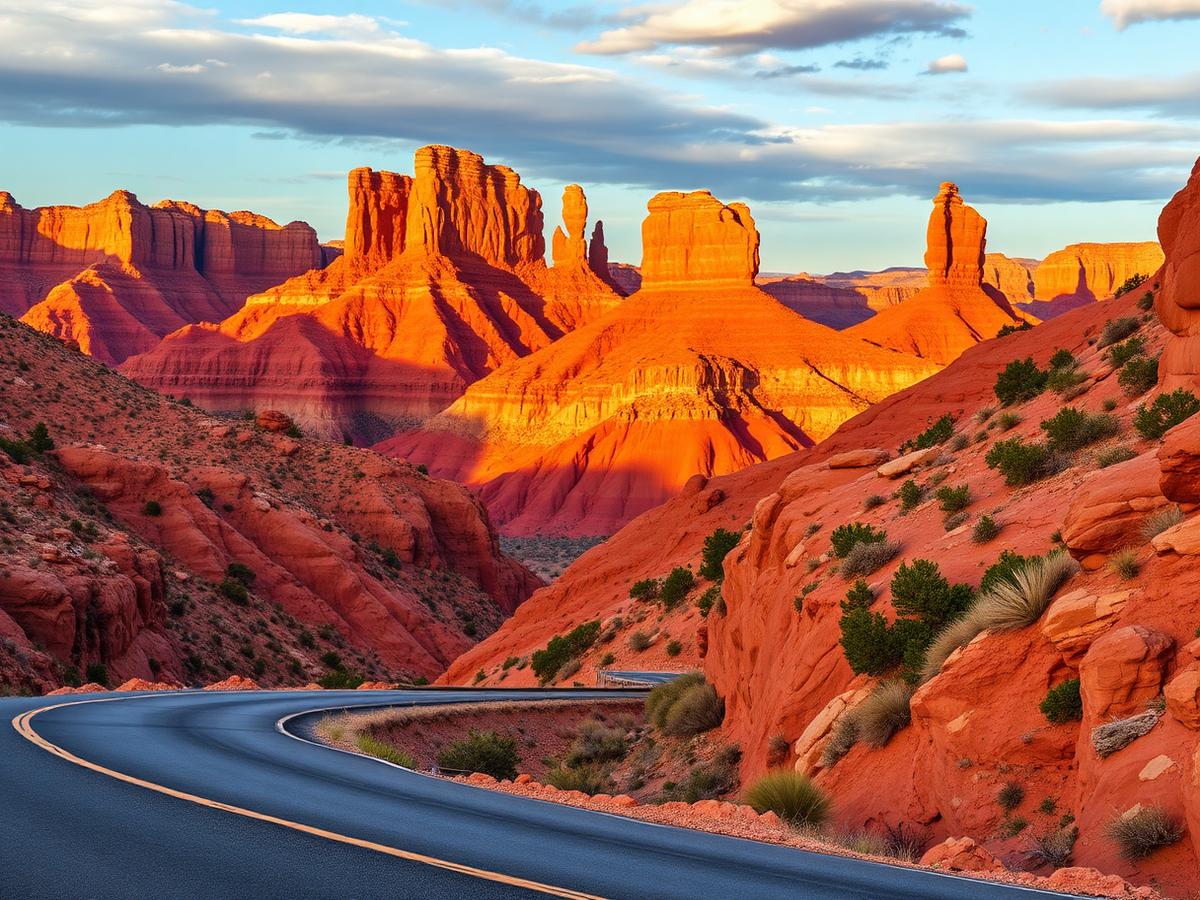
Dramatic American national park landscape beneath a wide sky

USA TOURS, RAIL & VACATION PACKAGES

USA National Parks, Cities, Rail Journeys & Road Trips

The United States brings world-class cities, national parks, beaches, music regions, theme parks, scenic railways and legendary road trips into one vast domestic destination. Direct flights connect major hubs, but the strongest vacation depends on choosing a realistic region rather than underestimating continental distances. McNellis Travel compares U.S. vacation packages, hotels, rail, cruises, rental cars and experiences as one coordinated trip—whether you want a five-night city escape, a family resort, a national-park route or a multi-week journey.

Cities, Parks & Scenic RoutesRail, Road Trips & CruisesFamilies, Couples & Groups

REGIONS, CITIES & SCENIC CORRIDORS

Choose a U.S. Region That Fits Your Vacation

Start with a connected region and travel style, then select cities, parks and overnight stops that work together.

USA destination: Northeast & New England

Northeast & New England

New York City, Boston, Philadelphia and Washington, D.C. create a strong urban and historical corridor linked by frequent rail. New England adds coastal towns, mountains, fall foliage and smaller cities from Connecticut through Maine. City hotels can be expensive and compact, while rural routes often require a car. Autumn color is beautiful but not guaranteed on one exact weekend. Use rail between major cities and slow down for regional driving rather than forcing both styles into the same day.


USA destination: Florida & the Southeast Coast

Florida & the Southeast Coast

Florida combines Orlando theme parks, Miami culture and nightlife, Gulf and Atlantic beaches, the Keys and major cruise gateways. Georgia and the Carolinas add historic cities, barrier islands, mountains and culinary traditions. Weather, hurricane season, spring break and major events affect pricing. Theme-park vacations require advance systems and realistic rest, while coastal road trips need fewer hotel changes than the map suggests. Cruise travelers should arrive at least one night early.

USA destination: The South: Music, Food & Heritage

The South: Music, Food & Heritage

New Orleans, Nashville, Memphis, Atlanta, Charleston and Savannah connect music, food, civil-rights history and distinctive neighborhoods. The region works for city combinations, river cruises and road trips, but distances are significant and public transportation varies. Festivals, football weekends and conventions reshape hotel demand. Local guides add essential context at historic sites. Build enough time for live music and meals instead of scheduling the South as a rapid checklist.

USA destination: Great Lakes & the Midwest

Great Lakes & the Midwest

Chicago anchors architecture, museums, food and rail travel, while the Great Lakes support waterfront cities, islands, beaches and scenic drives. Detroit, Cleveland, Milwaukee, Minneapolis–Saint Paul and St. Louis add music, sports and regional history. Summer and early fall favor lake travel; winter supports city breaks and snow activities but can disrupt transportation. Rail and flights connect major centers, while national lakeshores and rural routes generally require a car.

USA destination: Rocky Mountains & Mountain West

Rocky Mountains & Mountain West

Colorado, Wyoming, Montana and Idaho bring alpine towns, ranch country, national parks, skiing and scenic highways. Denver and Salt Lake City are important gateways. Yellowstone, Grand Teton, Glacier and Rocky Mountain national parks require advance lodging and careful driving plans; roads and services are seasonal. Altitude affects many visitors, and mountain weather changes quickly. Choose one park cluster or mountain state rather than attempting every iconic landscape in one week.

USA destination: Southwest Deserts & Canyon Country

Southwest Deserts & Canyon Country

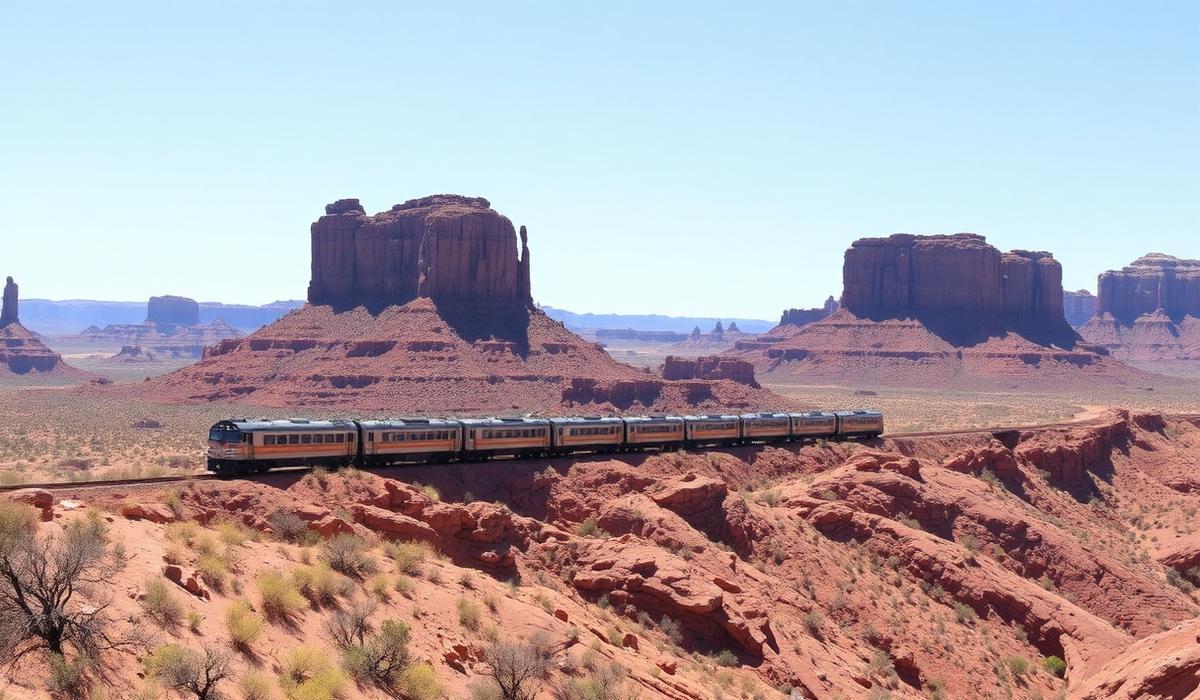
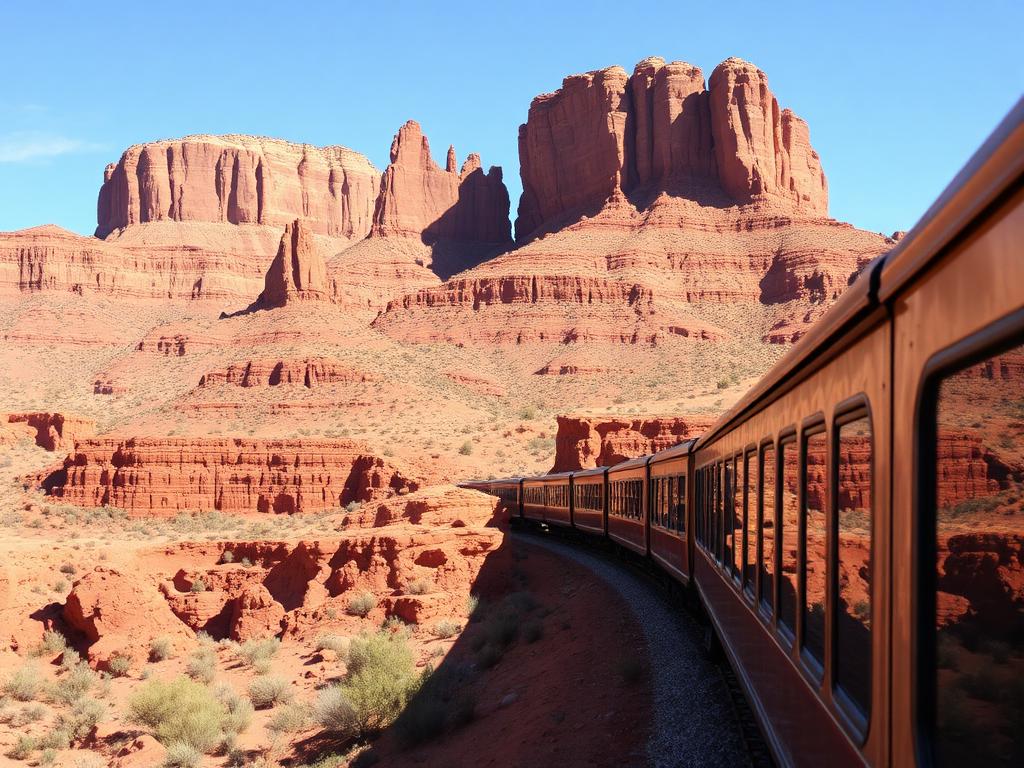
Arizona, Utah, New Mexico and Nevada combine red-rock landscapes, desert cities, Indigenous cultures and celebrated parks. Grand Canyon, Zion, Bryce Canyon and Arches can require shuttles, timed systems or early starts. Summer heat is dangerous in exposed terrain, while winter brings snow at elevation. Travelers should respect tribal lands, follow photography rules and use community-authorized guides where appropriate.

USA destination: California

California

California supports several different vacations: San Francisco and wine country, Los Angeles and the coast, San Diego, Yosemite, redwood forests, desert parks and the Pacific Coast Highway. Traffic, wildfire conditions, mountain snow and road closures alter routes. A north-to-south road trip needs more than a week if parks and cities both matter. Open-jaw flights can prevent backtracking. Choose two connected regions and allow time for neighborhoods, meals and scenic stops.

USA destination: Pacific Northwest

Pacific Northwest

Washington and Oregon pair Seattle and Portland with islands, volcanoes, forests, wine regions and rugged Pacific coastline. Alaska cruise departures make Seattle a natural pre-cruise stay. Ferries, park reservations and seasonal mountain access affect routes. Rain is part of the landscape, but summers can be dry and affected by wildfire smoke. Combine one city with one coastal or mountain region instead of covering every famous site in a few days.

BEST TIME TO VISIT & WEATHER

U.S. Seasons, Regional Climate and Natural Hazards

A single month can mean desert heat, mountain snow, tropical storms and perfect city weather in different regions.

Spring: March–May

Spring favors cities, gardens, desert parks and southern road trips. Mountain roads may remain closed, while severe weather affects parts of the Plains and South. School-break and festival dates raise demand.

Summer: June–August

Summer supports northern parks, coasts and family travel but brings crowds, wildfire risk and dangerous desert heat. Reserve park lodges, rental cars and timed attractions early.

Fall & Winter

Fall brings foliage and comfortable touring, while hurricanes remain possible on Atlantic and Gulf coasts. Winter favors Florida, deserts, skiing and festive cities. Snow can disrupt northern road and rail plans.

Travel insurance and flexible routing matter when hurricanes, wildfire smoke, flooding, heat or winter storms could affect the confirmed region.

TOP EXPERIENCES & TRAVEL STYLES

Explore the United States Your Way

USA travel experience: National Parks & Scenic Landscapes

National Parks & Scenic Landscapes

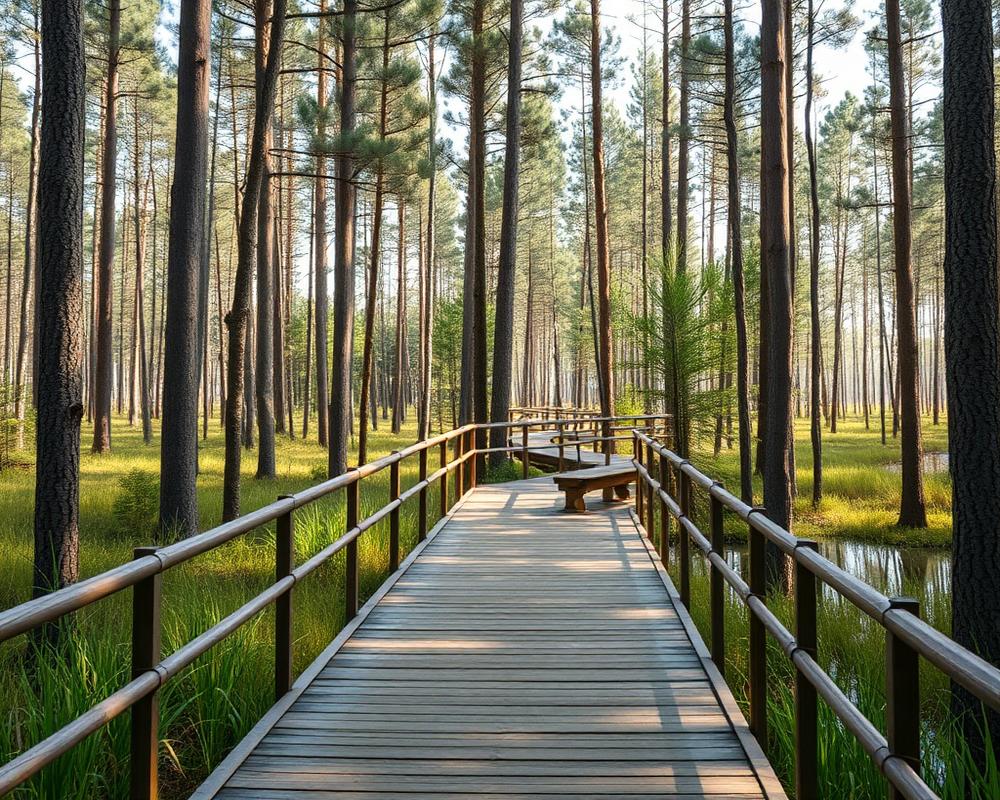
U.S. parks range from desert canyons and alpine peaks to wetlands, coastlines and historic sites. Popular parks may use timed entry, shuttles or limited parking, and gateway lodging can fill a year ahead. Review the official park page for the confirmed date rather than relying on last season’s rules. Pack for elevation and heat, respect wildlife distance and avoid building every day around long drives.

USA travel experience: City Breaks, Culture & Entertainment

City Breaks, Culture & Entertainment

New York, Chicago, Washington, New Orleans, Nashville, Miami, Los Angeles and San Francisco support food, museums, theatre, sports and neighborhood exploration. Hotel location changes the trip more than a generic star rating. Compare transit, destination fees, parking and late-night transportation. Reserve only the hardest attractions and leave space for local recommendations.

USA travel experience: Rail Journeys

Rail Journeys

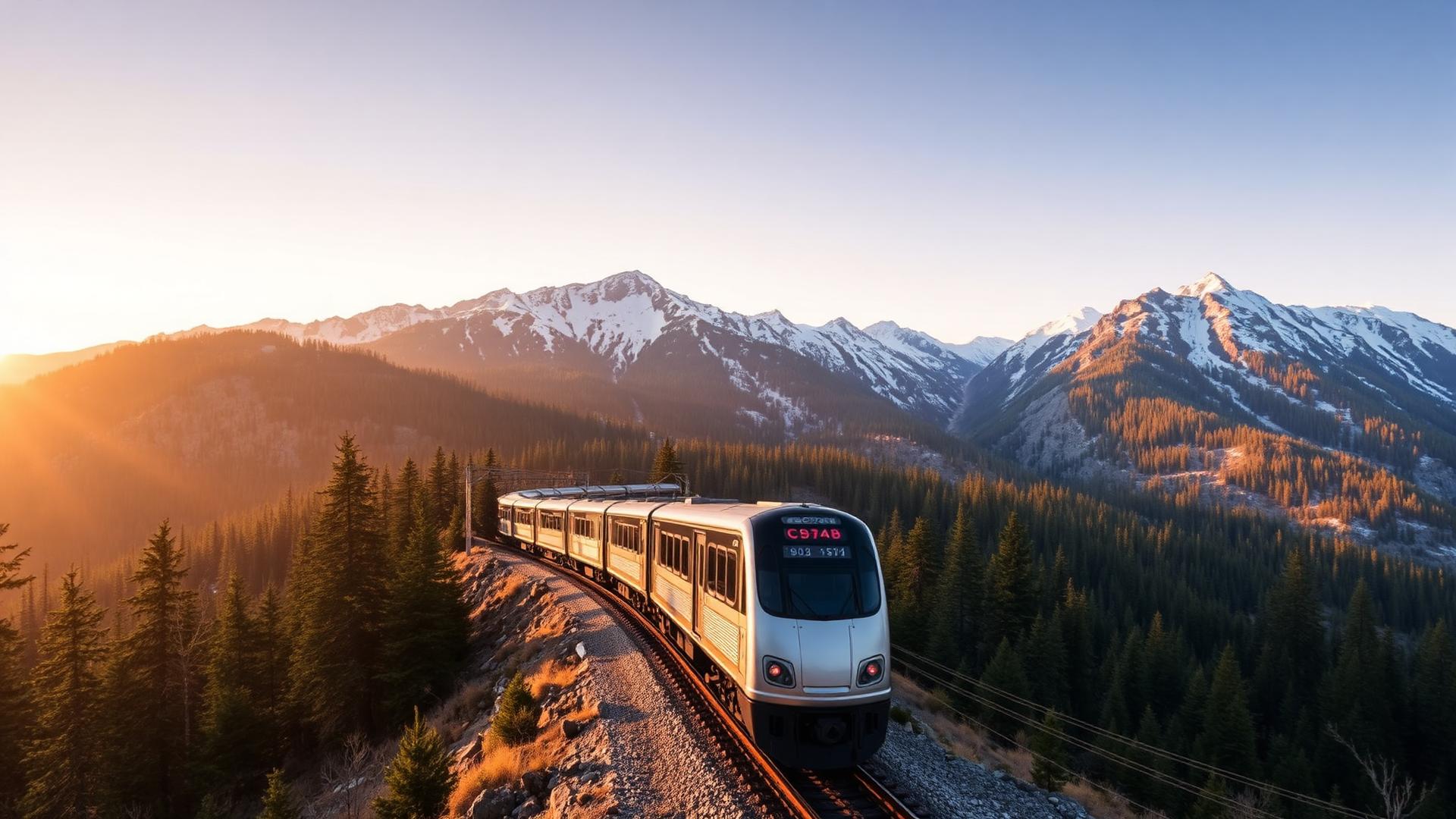
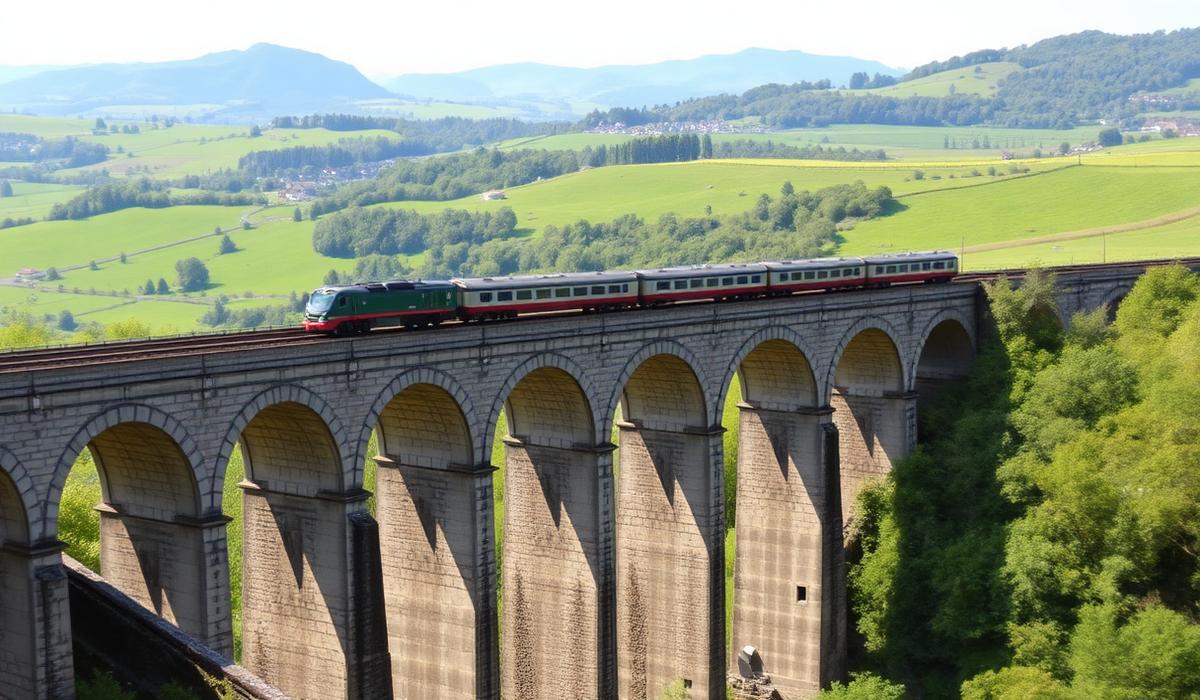
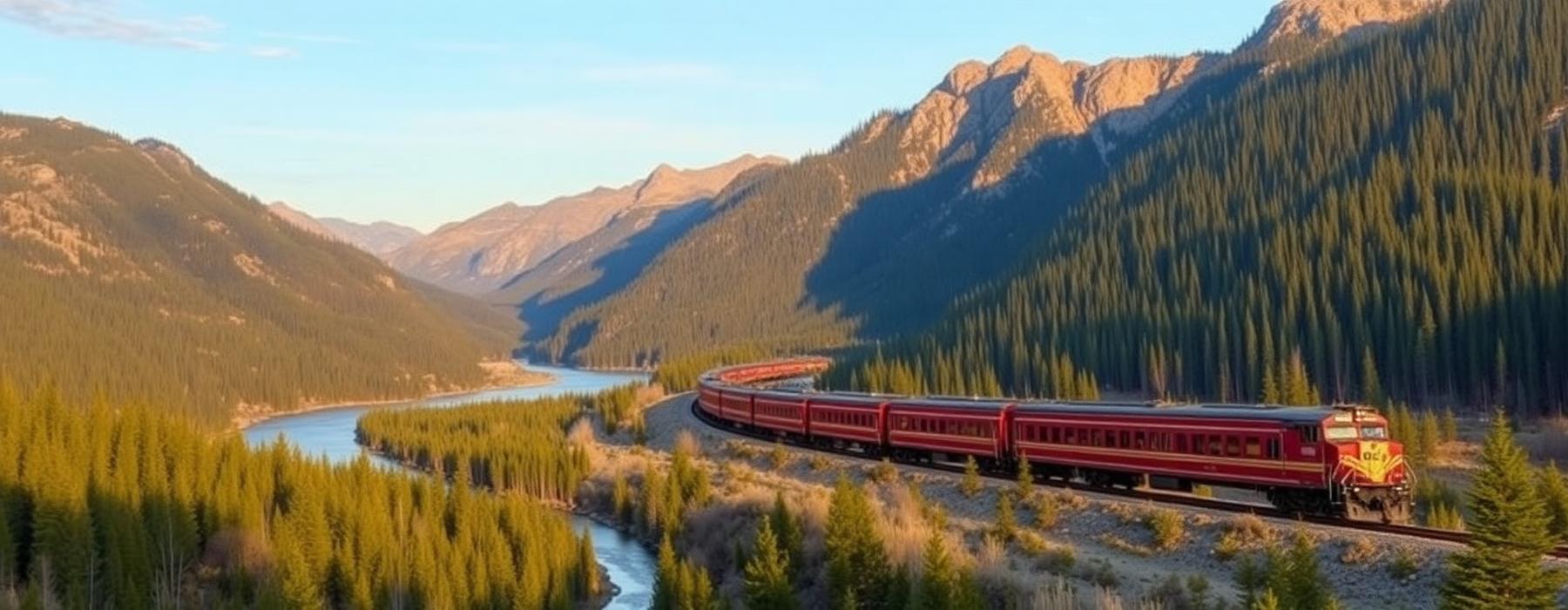
Rail can connect Northeast cities or become a scenic journey across the Rockies, Pacific Coast and other long-distance corridors. It is slower than flying and delays can occur, but private rooms and observation scenery create a distinctive experience. Compare coach versus sleeper comfort, meals, baggage and the true arrival time. Rail works best when the journey itself is part of the vacation.

USA travel experience: Road Trips

Road Trips

Road trips offer freedom across parks, coastlines and small towns, yet overly ambitious mileage turns the vehicle into the main attraction. Plan around daylight, seasonal roads, charging or fuel access and one-way rental fees. Avoid chaining several six-hour drives together. A strong route has two- or three-night bases, a realistic rest day and flexibility for weather or roadside discoveries.

USA travel experience: Cruises, Beaches & Island Escapes

Cruises, Beaches & Island Escapes

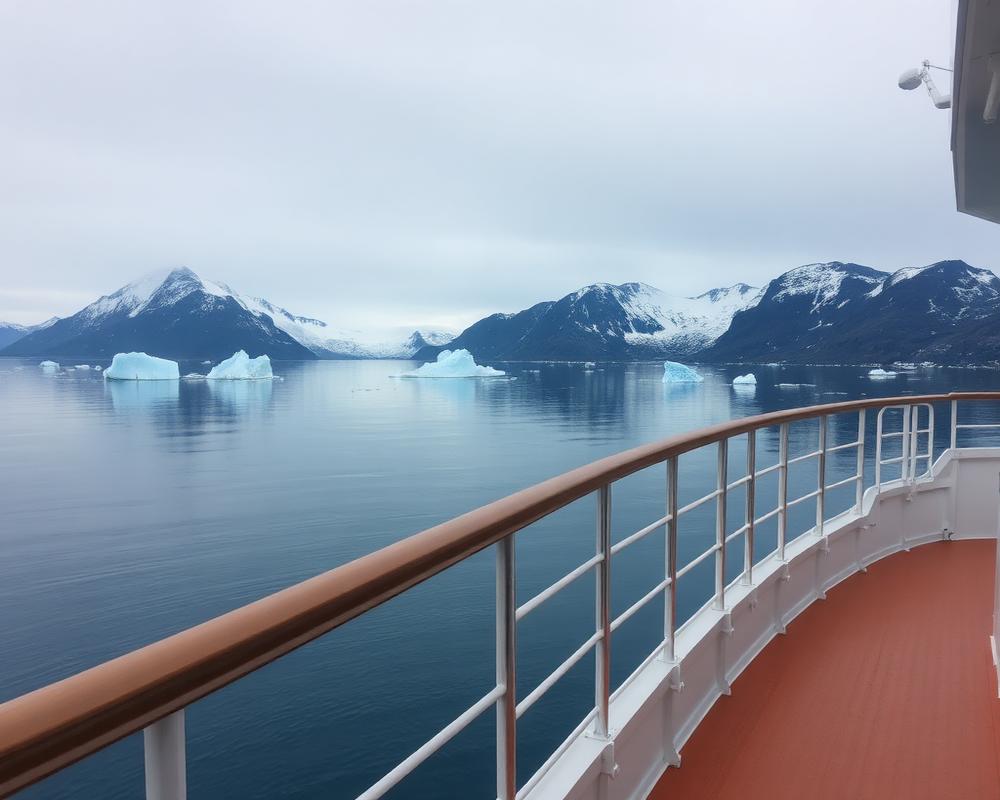
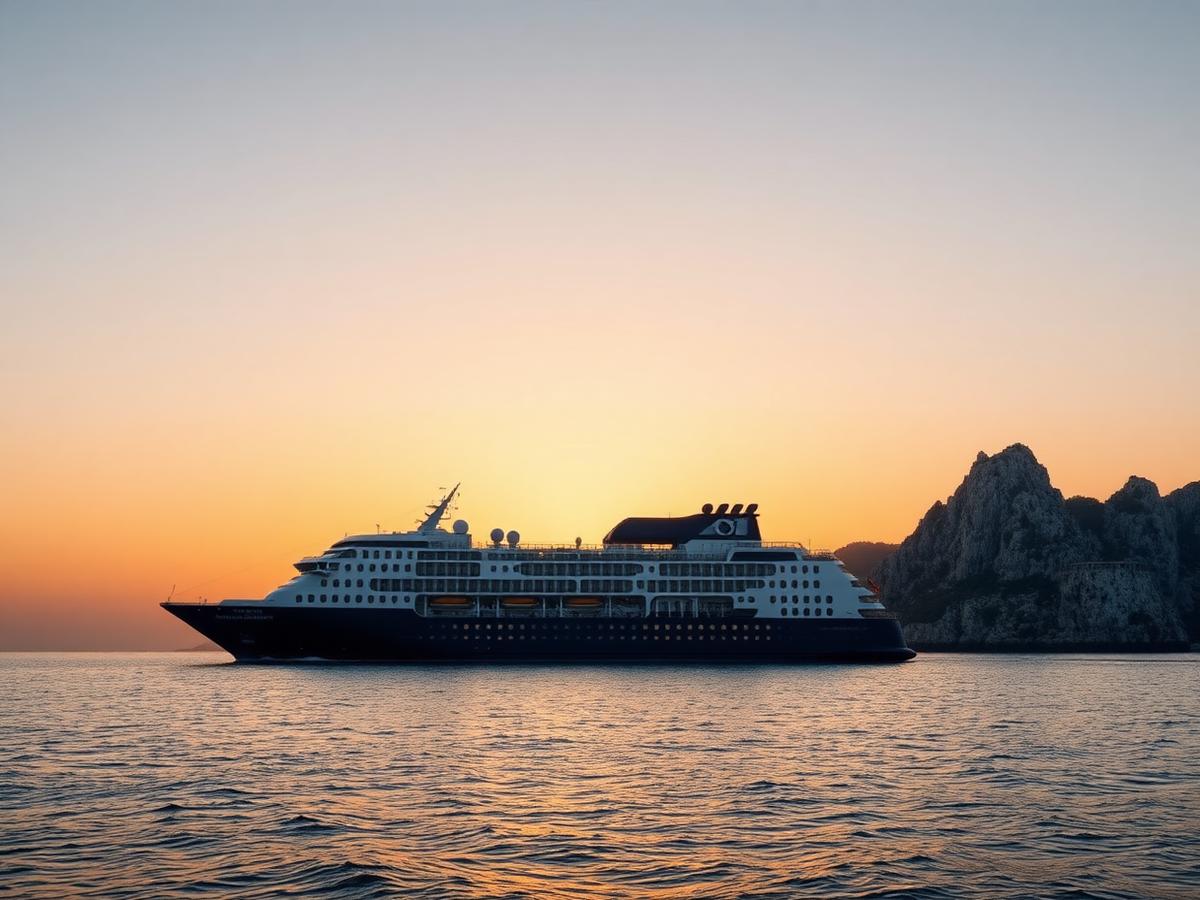
Florida, California, New York, Seattle, New Orleans and other ports launch ocean cruises, while U.S. river cruises explore inland waterways. Domestic beach trips range from Florida and the Carolinas to California and island destinations. Water temperature, surf, storm season and local access vary. Cruise packages require clear coordination between flights, hotel, port and ship.

FEATURED STAYS & ACCOMMODATION TYPES

Choose Accommodations Around the Itinerary

Location, parking, resort fees, seasonal access and transportation often matter more than a familiar label.

USA accommodation: Downtown & Neighborhood Hotels

Downtown & Neighborhood Hotels

Central hotels support walking and transit but may add parking, destination or facility fees. Neighborhood properties can provide character and value if connections remain convenient. Compare room size, noise, breakfast, accessibility and total taxes. In major cities, paying more for the right location can reduce transportation costs and recover valuable vacation time.

USA accommodation: National Park Lodges & Gateway Stays

National Park Lodges & Gateway Stays

In-park lodges provide extraordinary location but can be rustic, expensive and difficult to secure. Gateway hotels offer more dining and room choices but add driving or shuttle time. Verify seasonal opening, air conditioning, elevators, meal reservations and cancellation terms. The closest property is not always the best fit for mobility, budget or comfort.

USA accommodation: Beach Resorts & Family Properties

Beach Resorts & Family Properties

Beach resorts, theme-park hotels and family properties can bundle pools, activities and transportation. Resort fees, parking and premium-view rooms affect the total. Theme-park benefits and shuttle schedules can change. Families should verify bedding, connecting rooms, children’s programs and the walking required across large properties before choosing by brand alone.

USA accommodation: Ranches, Cabins & Vacation Rentals

Ranches, Cabins & Vacation Rentals

Ranches, cabins and vacation rentals create space and immersion for groups or rural travel. Confirm legal operation, road access, cleaning fees, climate control, fire restrictions and emergency support. A remote cabin may require groceries and a suitable vehicle. Cancellation and damage terms deserve close review, particularly for wildfire, snow or hurricane-prone regions.

LOGISTICS & ENTRY REQUIREMENTS

Plan Identification, Flights, Rail, Cars and Park Access

Domestic & International Documents

U.S. citizens traveling domestically do not need a passport, but adults flying need identification accepted by TSA. State-issued licenses used at airport security must meet current federal requirements, while passports and other accepted documents remain alternatives. International visitors must meet U.S. passport, visa or travel-authorization rules. Cruises visiting foreign ports can require additional documents.

Transportation & Reservations

Major hubs connect regions efficiently, while smaller airports can reduce driving at a higher fare. Rail is strongest in selected corridors and as a scenic experience; rental cars remain essential across parks and rural routes. One-way fees, parking and tolls affect cost. Popular parks, monuments, theme parks and events may require timed reservations. Confirm current official access before purchasing nonrefundable transportation.

Identification, park access and transportation systems can change. McNellis Travel verifies the confirmed route and supplier requirements.

SAMPLE ITINERARIES & TRIP LENGTHS

Build a U.S. Vacation with Realistic Distances

These examples are planning frameworks shaped by flights, roads, rail schedules and park access.

USA itinerary: Five Days: Focused City or Region

Five Days: Focused City or Region

Choose one city and one nearby excursion, or one compact region such as Washington and Shenandoah, Miami and the Keys, or Chicago and a Great Lakes community. Use a nonstop flight when possible, avoid changing hotels more than once and reserve one headline experience per day. This structure creates a meaningful getaway without losing half the trip in transit.

USA itinerary: Seven Days: One Park Cluster or Coast

Seven Days: One Park Cluster or Coast

Build around one geographic cluster: Yellowstone and Grand Teton, a Utah parks pair, Northern California, New England coast and mountains, or a Florida city-and-beach combination. Limit long driving days and spend two nights near the highest-priority destination. Open-jaw flights can eliminate unnecessary backtracking.

USA itinerary: Fourteen Days: Rail, Road or Cruise

Fourteen Days: Rail, Road or Cruise

Two weeks can support a scenic rail journey with city stays, a carefully paced multi-state road trip, or a cruise with meaningful nights before and after. Combine transportation styles only when each adds value. Protect connections, include a rest day and avoid adding another state simply because it appears close on a national map.

USA VACATION FAQ

Answers Before You Explore America

McNellis Travel compares U.S. flights, hotels, rail, cruises, cars and experiences around your dates, budget and travel style.

Request a USA Vacation Quote
What identification do U.S. travelers need for domestic flights?

Adults need identification accepted by TSA. REAL ID enforcement applies to state-issued licenses and identification used at airport security, while passports and other federally accepted documents remain valid alternatives. Requirements and identity-verification procedures can change, so review current TSA guidance before departure.

How far ahead should I book a national park vacation?

High-demand park lodges, gateway hotels, rental cars and timed activities can fill many months ahead, particularly for summer and holidays. Booking nine to twelve months early often improves choice, while some reservations open on specific rolling schedules. Always verify official park and supplier timelines.

Is rail practical for a USA vacation?

Rail is practical in the Northeast corridor and useful on selected regional routes. Long-distance trains are best treated as scenic journeys rather than the fastest transportation. Schedules, room inventory and possible delays must fit the itinerary. A combination of rail and flights often works better than crossing every distance by train.

What is the best season for a USA vacation?

The best season depends on the region. Spring and fall favor many cities and road trips; summer supports northern parks, coasts and family travel; winter suits Florida, desert regions, skiing and city events. Hurricane, wildfire, snow and extreme-heat seasons should be evaluated for the exact route.