Canadian Rockies surrounding a turquoise alpine lake

CANADA RAIL, TOURS & VACATION PACKAGES

Canada Rail Journeys, Rockies & Coastal Vacations

Canada combines sophisticated cities, immense wilderness, mountain railways, Atlantic communities, Pacific coastlines and Arctic landscapes across the world’s second-largest country. Major gateways include Vancouver, Calgary, Toronto, Montréal and Halifax, but realistic planning depends on selecting one connected region rather than underestimating distances. McNellis Travel compares Canada vacation packages, rail, cruises, hotels, rental cars, flights and guided experiences as one complete trip—whether you want the Canadian Rockies, Québec culture, Atlantic scenery or a northern wildlife journey.

Rail, Cruises & Road TripsCities, Rockies & CoastlinesWildlife, Culture & Adventure

PROVINCES, REGIONS & KEY DESTINATIONS

Choose a Canadian Region That Fits Your Trip

Canada rewards focus. Start with one connected region, then choose rail, road, cruise and hotel components that work together.

Canada destination: British Columbia & the Pacific Coast

British Columbia & the Pacific Coast

Vancouver combines food, neighborhoods, mountains and one of North America’s busiest Alaska cruise gateways. Vancouver Island adds Victoria, gardens, coastal communities and wildlife, while Whistler and the Sea-to-Sky corridor bring mountain adventure. Farther inland, wine regions and lakes create another British Columbia experience. Ferries, cruise schedules, rental cars and mountain roads require coordination. A Vancouver hotel stay before an Alaska cruise protects the sailing and gives the city proper time instead of reducing it to an airport transfer.
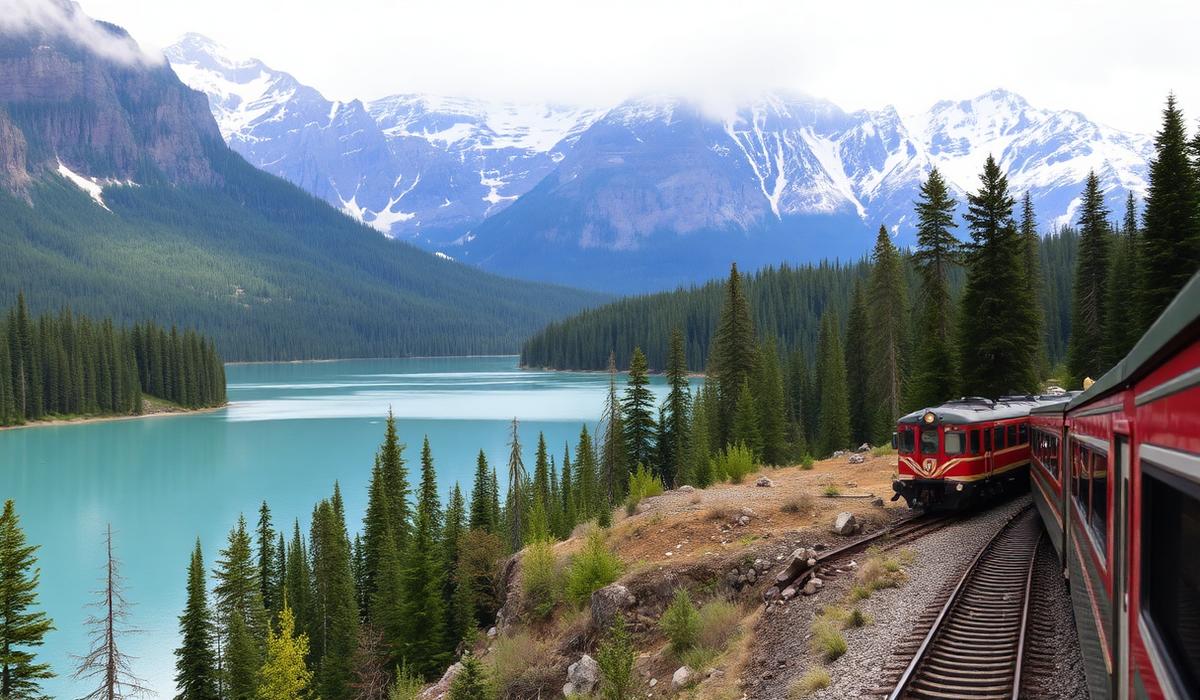
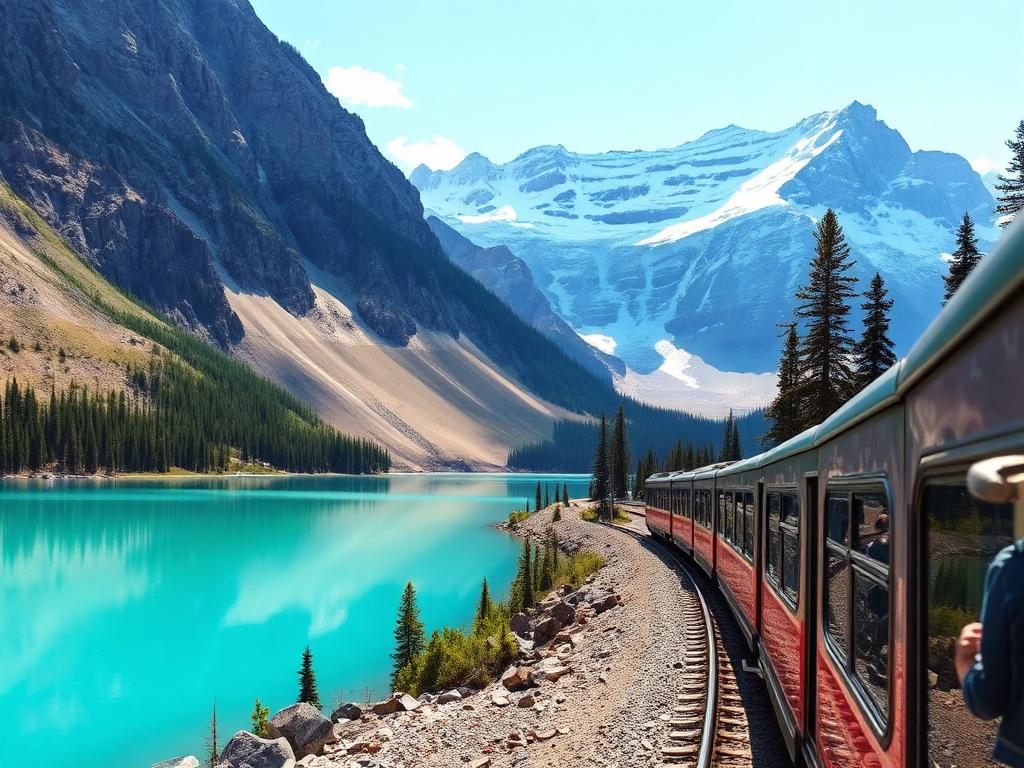
Canada destination: Canadian Rockies: Banff, Lake Louise & Jasper

Canadian Rockies: Banff, Lake Louise & Jasper

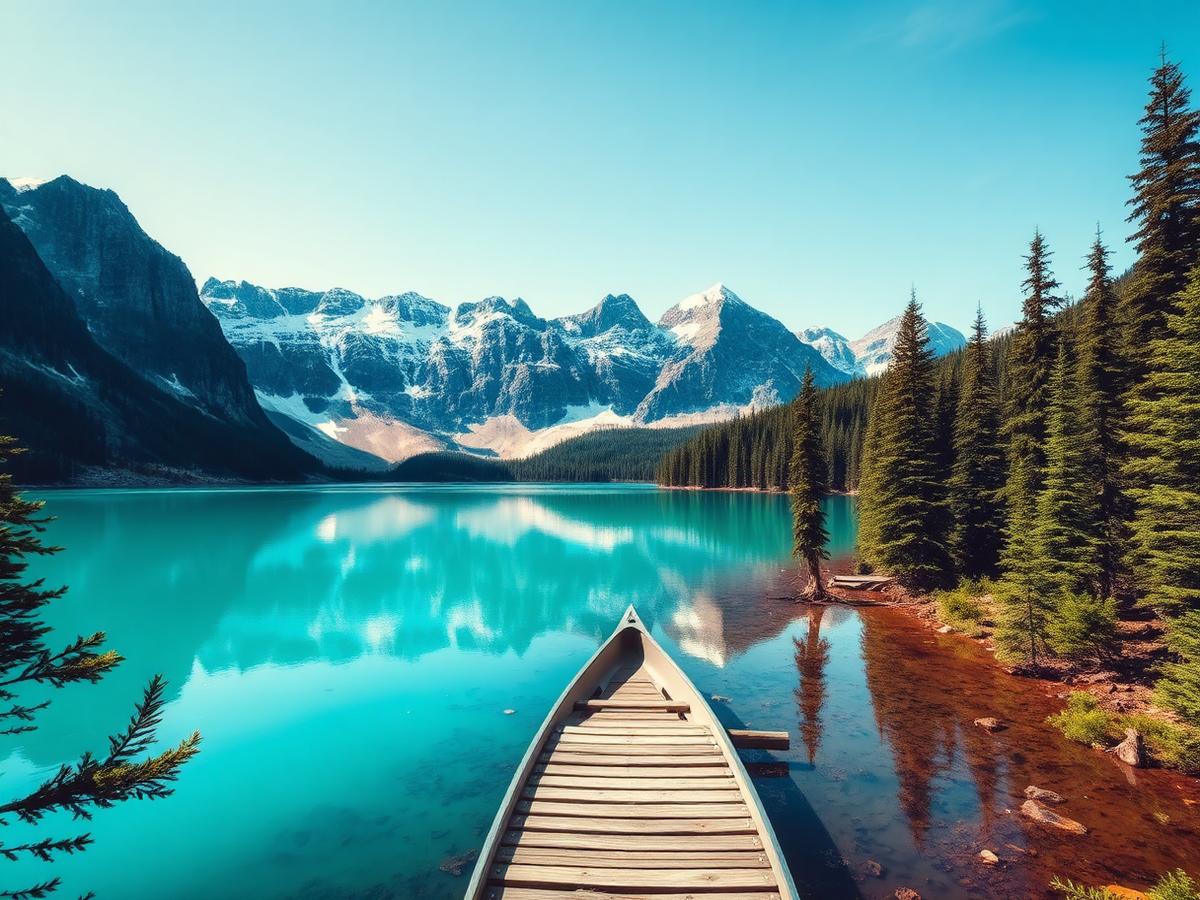
The Rockies connect alpine towns, turquoise lakes, glaciers and one of the world’s great scenic highways. Calgary is the main air gateway for Banff and Lake Louise; Edmonton can support northern approaches. Jasper access and services continue to evolve following the 2024 wildfire, so current conditions must be checked. Summer demand is intense, while winter supports skiing and quieter landscapes. Parking restrictions, shuttles and seasonal roads affect touring. A rail journey can complement the region, but trains do not replace the local transportation needed to explore parks and viewpoints.

Canada destination: Prairies, Badlands & Central Canada

Prairies, Badlands & Central Canada

Alberta’s badlands, Saskatchewan’s open landscapes and Manitoba’s lakes and cultural centers create a Canada many visitors miss. Drumheller and dinosaur country contrast with Calgary’s western heritage. Winnipeg offers museums, food and a major transcontinental rail stop, while Churchill is known for highly seasonal polar-bear and beluga experiences reached by specialized arrangements. Distances are vast and services limited outside cities. Prairie travel is strongest when built around one clear theme—wildlife, rail, history or a family road trip—rather than used as a rushed gap between coasts.

Canada destination: Ontario: Toronto, Niagara, Ottawa & the Lakes

Ontario: Toronto, Niagara, Ottawa & the Lakes

Toronto provides Canada’s largest urban experience, with diverse neighborhoods, theatre, sports and a major international gateway. Niagara Falls is close enough for an extension but deserves thoughtful timing beyond a quick photograph. Ottawa adds national museums and waterways, while cottage country and the Great Lakes offer summer escapes. Rail connects Toronto, Ottawa and Montréal effectively. City traffic, parking and event calendars affect hotel value. Travelers can create a strong week by pairing Toronto with Niagara or Ottawa instead of attempting the whole province by car.

Canada destination: Québec: Montréal, Québec City & Charlevoix

Québec: Montréal, Québec City & Charlevoix

Québec combines French language and culture with celebrated dining, historic districts and striking seasonal landscapes. Montréal is energetic and contemporary; Québec City provides a compact historic core; Charlevoix adds river scenery, villages and resort experiences. Rail links Montréal and Québec City, while regional touring may require a car or transfer. Winter festivals and Christmas markets create a distinct trip, and summer brings outdoor dining and peak demand. Travelers should approach Québec as its own culture rather than as a European substitute.

Canada destination: Atlantic Canada

Atlantic Canada

Nova Scotia, New Brunswick, Prince Edward Island and Newfoundland and Labrador offer coastal roads, fishing communities, seafood, national parks and deeply rooted local cultures. Halifax is a practical gateway and cruise port. The Cabot Trail, Bay of Fundy, PEI beaches and Newfoundland landscapes each require separate time. Ferries and flights are not casual connections, and fog or weather can affect plans. A good Atlantic itinerary chooses one or two provinces and allows unhurried drives, rather than racing between every famous lighthouse.

Canada destination: Northern Canada

Northern Canada

Yukon, Northwest Territories and Nunavut offer aurora, midnight sun, tundra, wildlife and Indigenous cultures on a scale unlike southern Canada. Whitehorse and Yellowknife are common gateways, while more remote journeys require specialized flights, guides or lodges. Weather, limited services and high costs are part of the reality. Northern lights are never guaranteed, and responsible wildlife travel maintains distance. Community protocols, local ownership and cultural respect should shape the itinerary from the beginning.

BEST TIME TO VISIT & WEATHER

Canada Seasons, Wildfire, Snow and Daylight

Conditions vary sharply between Pacific rainforests, prairie winters, Atlantic coasts, mountain elevations and the Arctic.

Spring: April–May

Spring favors cities and lower-elevation touring, but mountain roads, lakes and trails may remain affected by snow. Atlantic weather can be cool and changeable. Seasonal visitor services open gradually.

Summer: June–August

Summer provides the broadest park, rail, cruise and road-trip access with long daylight. It is also peak demand. Wildfire and smoke can affect western and northern routes, while coastal weather remains variable.

Fall & Winter

September supports fall color and shoulder-season touring. October brings foliage in the East but reduced mountain services. Winter is ideal for skiing, aurora and festivals, though storms and extreme cold require dedicated planning.

Pack layers and build flexibility. Wildfire, ferry changes, mountain snow and Atlantic weather can affect a carefully planned route in any season.

TOP EXPERIENCES & TRAVEL STYLES

Explore Canada by Rail, Road, Sea and Trail

Canada travel experience: Scenic Rail Journeys

Scenic Rail Journeys

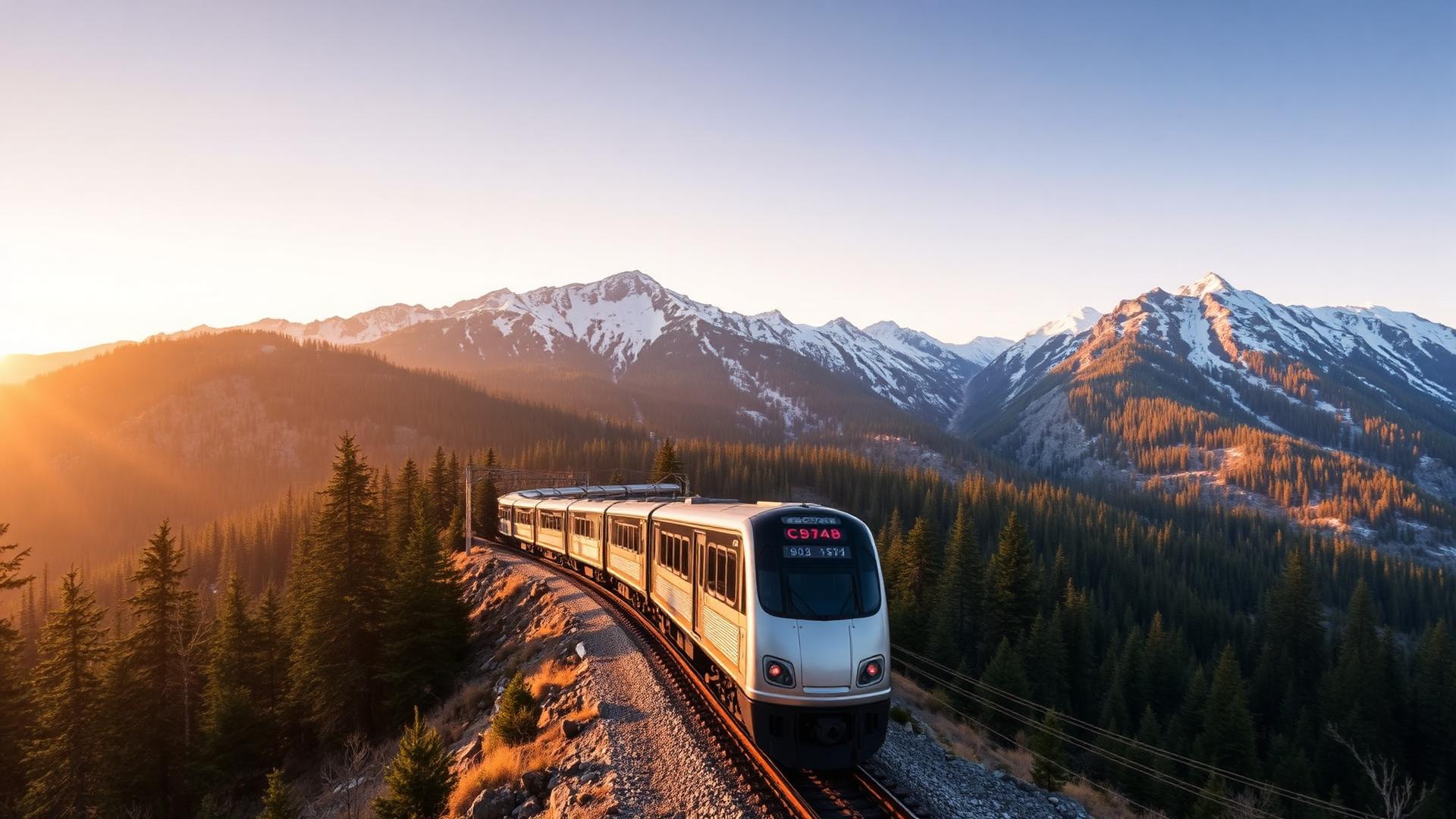
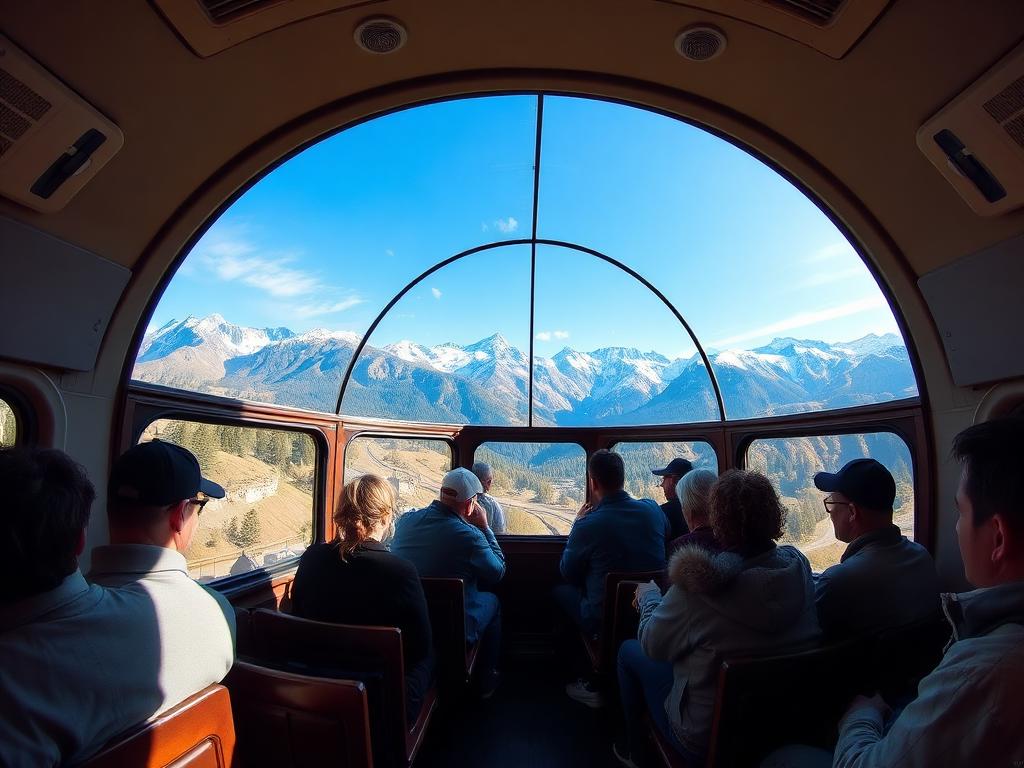
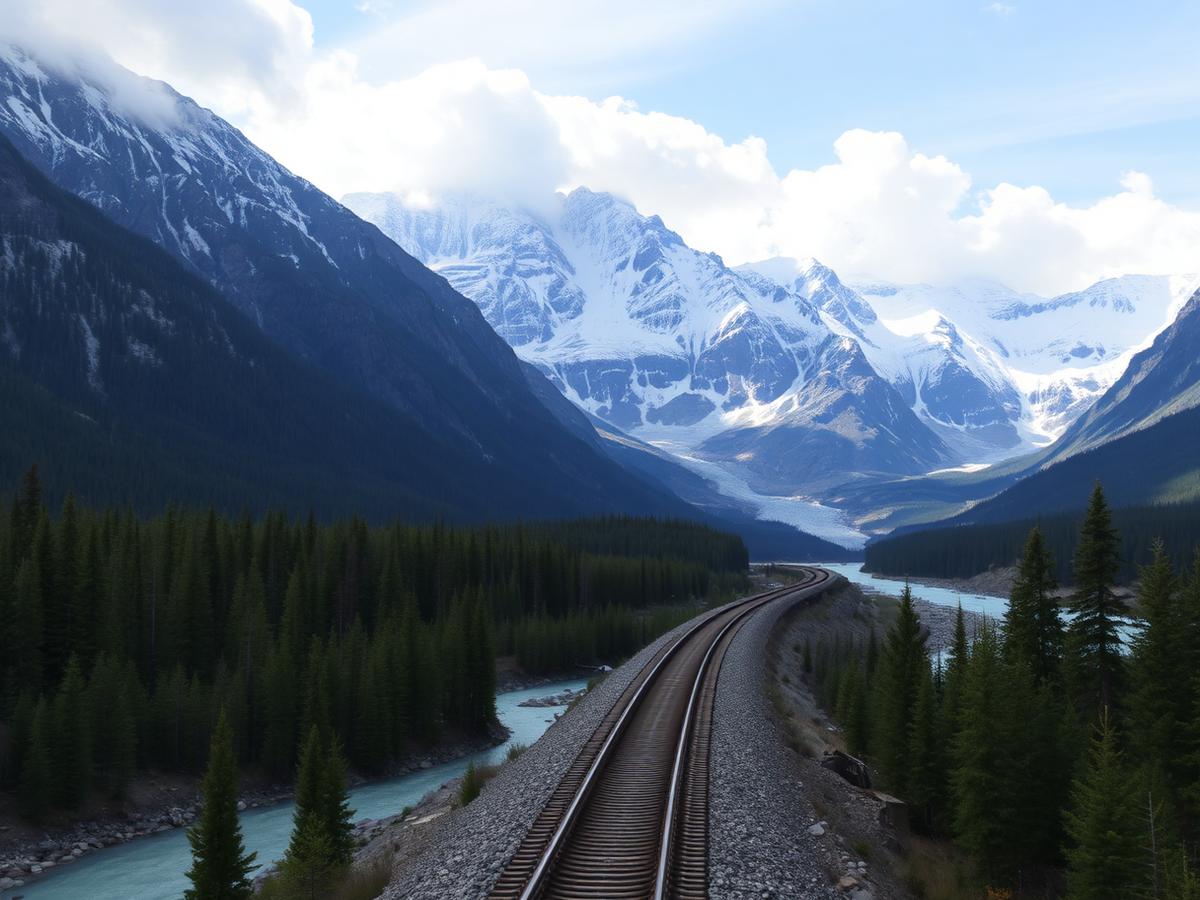
Canada’s rail experiences range from luxury daylight journeys through the Rockies to VIA Rail routes connecting major cities and crossing long distances. Each product serves a different purpose. Compare sleeping accommodations, dome or observation access, meals, hotel nights, transfer points and whether scenery occurs in daylight. Delays are possible on long-distance routes. Rail works best when the journey itself matters and hotel stays are placed thoughtfully before and after.

Canada travel experience: National Parks & Wildlife

National Parks & Wildlife

Banff, Jasper, Pacific Rim, Gros Morne, Cape Breton Highlands and many other parks protect mountains, coasts and forests. Wildlife may include bears, whales, elk, moose and marine mammals, but sightings are never guaranteed. Popular parks can require shuttles, reservations or restricted parking. Follow official closures, maintain wildlife distance and never create traffic or risk for a photograph. Guided experiences add safety and context.

Canada travel experience: Cities, Culture & Cuisine

Cities, Culture & Cuisine

Vancouver, Calgary, Toronto, Ottawa, Montréal, Québec City and Halifax support architecture, museums, sports, festivals and distinctive dining. A central hotel reduces transportation time, while neighborhood choice shapes the evening experience. Reserve high-demand events but leave room for markets and local recommendations. Indigenous cultural institutions and community-led programs provide essential context across the country.

Canada travel experience: Ocean, River & Expedition Cruises

Ocean, River & Expedition Cruises

Canada appears on Alaska cruises, Canada–New England itineraries, Saint Lawrence voyages, Great Lakes routes and Arctic expeditions. Port access, tendering, seasonal weather and immigration rules vary. Cruise travel provides reach but limited time ashore. Add hotel nights in Vancouver, Montréal, Québec City or Halifax when possible. Expedition itineraries require particular attention to charter flights, gear, activity level and weather-driven changes.

Canada travel experience: Road Trips & Outdoor Adventure

Road Trips & Outdoor Adventure

The Icefields Parkway, Cabot Trail, Sea-to-Sky Highway and Atlantic coastal routes reward drivers, but Canadian distances are easy to underestimate. Mountain snow, wildfire, ferry schedules and wildlife can reshape the day. Plan two-night bases, refuel early and download offline maps. Hiking, kayaking, skiing and cycling should match ability and seasonal conditions. A road trip becomes more memorable when the daily distance leaves room to stop.

FEATURED STAYS & ACCOMMODATION TYPES

Choose Canadian Accommodations Around the Journey

Location, season, transportation and access matter as much as the hotel category.

Canada accommodation: Mountain Lodges & Resort Hotels

Mountain Lodges & Resort Hotels

Rockies and mountain properties range from historic grand hotels to ski resorts and smaller lodges. Location can reduce driving, but resort fees, parking and dining costs affect value. Confirm air conditioning, elevator access, shuttle schedules, construction and the exact view category. In peak season, desirable rooms sell early; in shoulder season, some lifts and restaurants may close.

Canada accommodation: City Hotels & Boutique Stays

City Hotels & Boutique Stays

Downtown hotels support transit and walking but can carry high parking costs. Boutique properties add character in Montréal, Québec City, Victoria and other cities, though historic buildings may have stairs or compact rooms. Compare neighborhood, noise, climate control, breakfast and station access against the daily plan. One well-located hotel often outperforms a larger room far from the experiences you value.

Canada accommodation: Wilderness Lodges & Cabins

Wilderness Lodges & Cabins

Remote fishing, wildlife and aurora lodges may bundle guiding, meals and transportation. Rates can be high because logistics are substantial. Confirm charter flights, baggage limits, activity inclusions, medical support and weather-delay policies. Cabins and rentals require scrutiny of road access, heating, groceries and cancellation terms. Remote stays benefit from buffer nights at the gateway.

Canada accommodation: Cruise, Rail & Tour Packages

Cruise, Rail & Tour Packages

Packaged journeys can combine rail, hotels, motorcoaches, cruises and guided sightseeing. Convenience varies with the quality of the exact components. Compare group size, hotel location, luggage handling, included meals, free time and cancellation rules. An independent city stay before a guided Rockies or Atlantic segment can provide flexibility without making the whole vacation operationally complex.

LOGISTICS & ENTRY REQUIREMENTS

Plan Passports, Airports, Rail, Ferries and Cars

Documents & Border Rules

U.S. citizens flying to Canada need a valid passport and do not need an eTA. Approved documents for land or sea entry differ, and cruise lines may impose their own requirements. Many other visa-exempt foreign nationals flying to or transiting Canada generally need an eTA unless exempt, while some travelers require a visa. Verify citizenship, route, cruise and minor-child documentation before departure.

Gateways & Transportation

Vancouver, Calgary, Toronto, Montréal and Halifax are major gateways, with regional airports supporting parks, coasts and the North. Rail excels on selected corridors and scenic routes; rental cars remain essential for many parks and Atlantic itineraries. Ferries require advance planning, and one-way rentals can be expensive. Canada uses the Canadian dollar, cards are common and remote areas may have limited service.

Entry, park-access and transportation rules can change. McNellis Travel verifies current requirements for the confirmed itinerary.

SAMPLE ITINERARIES & TRIP LENGTHS

Build a Canadian Vacation with Realistic Distances

These examples are planning frameworks shaped by rail, roads, ferries, seasonal access and weather.

Canada itinerary: Seven Nights: City & Regional Escape

Seven Nights: City & Regional Escape

Pair Toronto with Niagara, Montréal with Québec City, or Vancouver with Victoria. Use rail or ferry where it reduces stress, limit the trip to two hotels and reserve one major experience per day. This format creates meaningful contrast without treating Canada’s immense geography as a weekend itinerary.

Canada itinerary: Ten Nights: Canadian Rockies Journey

Ten Nights: Canadian Rockies Journey

Begin in Calgary, spend time in Banff and Lake Louise, continue along the Icefields Parkway according to current access and finish with rail or a western-city stay. Use at least two nights in each major base and avoid a same-day mountain transfer to an international flight. A rail segment should complement—not compress—the park experience.

Canada itinerary: Fourteen Nights: Rail, Cruise or Coastal Road Trip

Fourteen Nights: Rail, Cruise or Coastal Road Trip

Two weeks supports a Rockies rail-and-land combination, an Alaska cruise with British Columbia stays, or a focused Atlantic Canada road trip. Choose one national corridor rather than crossing the entire country only to collect provinces. Protect connections, add a weather buffer and include at least one unscheduled day for scenery and local discoveries.

CANADA VACATION FAQ

Answers Before You Head North

McNellis Travel compares Canadian flights, rail, hotels, cruises and road trips around your dates, budget and travel style.

Request a Canada Vacation Quote
Do U.S. citizens need a passport to visit Canada?

U.S. citizens flying to Canada need a valid passport. Land and sea entry can accept certain other Western Hemisphere Travel Initiative documents, but airline, cruise and traveler circumstances differ. U.S. citizens do not need an eTA. Other visa-exempt foreign nationals flying to or transiting Canada generally require an eTA unless exempt. Verify official rules for the exact citizenship and route.

What is the best month for a Canadian Rockies vacation?

July through September offers the broadest high-elevation access, though demand is highest and wildfire smoke can occur. June brings long days and lingering snow, while late September may offer fall color with colder weather and reduced services. Winter is a separate ski and snow experience. The best timing depends on roads, hikes and rail products.

Is a Canada rail vacation worth it?

Yes when scenery, relaxed travel and the train experience are priorities. Rail is not always the fastest or cheapest transportation, and different products range from luxury daylight service to practical intercity routes. Compare cabin, meals, daylight, delays and how many hotel nights remain at the destinations.

How many days do I need for Canada?

Seven nights works for one city pair or compact region. Ten to fourteen nights supports the Rockies, Atlantic road travel or a rail-and-cruise combination. Crossing Canada from coast to coast requires substantially more time if you want meaningful destination stays rather than watching most of the country through a window.