MARGE’S TRAVEL INSIGHTS
Best Wedding Venues in the World: Top Global Destinations and Planning Tips
Discover the best wedding venues in the world, from Caribbean beaches and South Pacific resorts to European estates, vineyards, castles, and private villas.
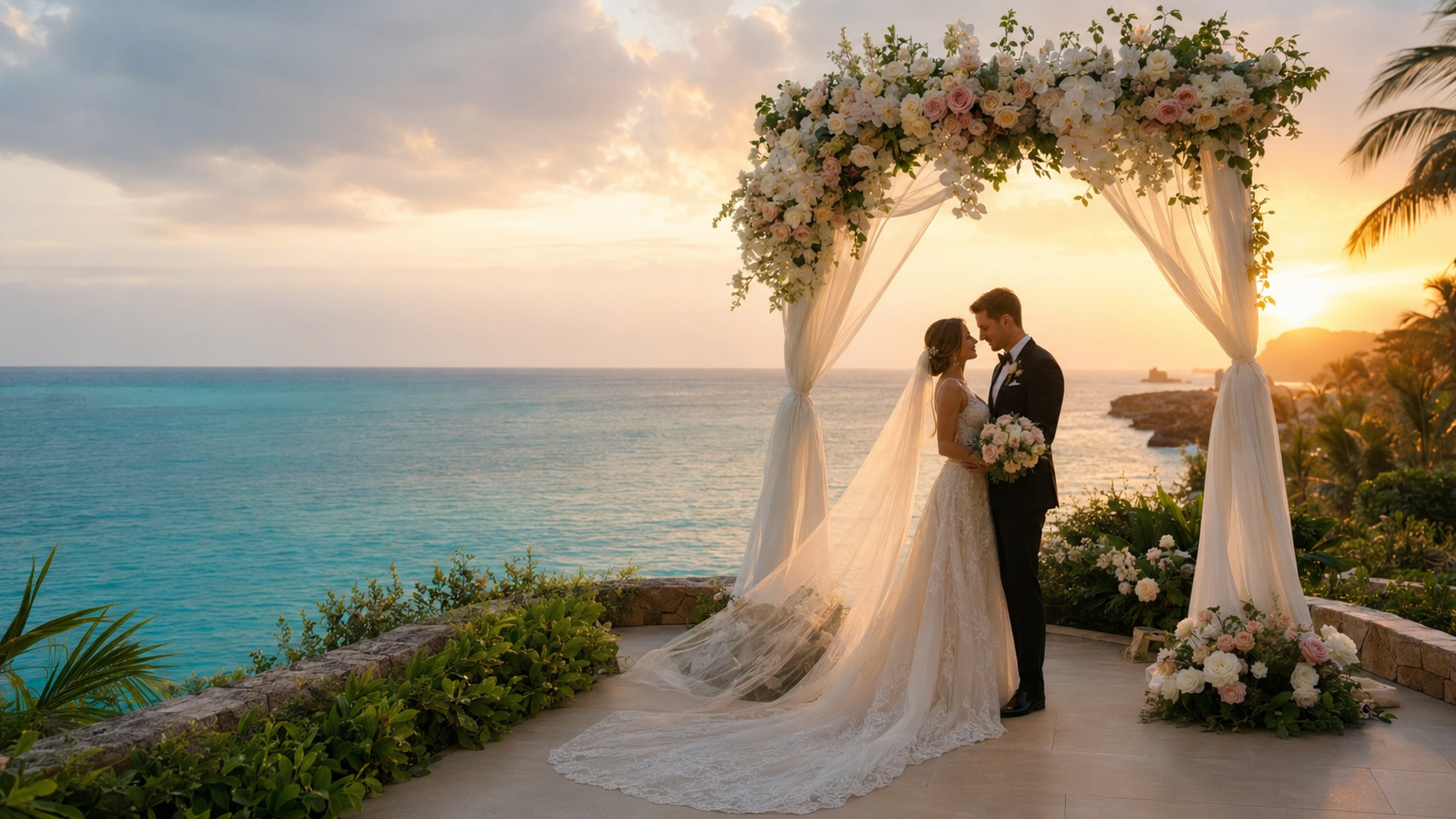
Choosing the right wedding venue sets the tone for your entire celebration. It shapes the atmosphere, influences the guest experience, determines many of your planning decisions, and becomes the backdrop for memories you will carry for the rest of your life.
For some couples, the dream is exchanging vows at a historic European estate surrounded by formal gardens and centuries-old architecture. Others imagine a barefoot ceremony on a secluded island, an elegant reception overlooking a vineyard, or an intimate celebration at a private mountain villa.
The best wedding venue in the world is not necessarily the most famous or expensive. It is the one that reflects your relationship, works for your guests, fits your budget, and allows you to enjoy the experience instead of worrying about complicated logistics.
This guide explores some of the world’s most memorable wedding settings while helping you understand what to consider before reserving an international venue.
What Makes an Exceptional Destination Wedding Venue?
A spectacular setting may capture your attention, but beautiful photographs are only part of the decision.
An exceptional destination wedding venue should combine scenery with experienced planning support, dependable local vendors, comfortable accommodations, convenient transportation, and realistic alternatives if the weather changes.
Before committing to a venue, consider:
Ceremony and reception capacity
On-site or nearby guest accommodations
Distance from the nearest airport
Airport and venue transportation
Indoor alternatives for rain, heat, or wind
Local marriage requirements
Venue and vendor restrictions
Music and reception curfews
Accessibility for older guests
The total cost after taxes, service charges, and required packages
The perfect venue should not only look extraordinary. It should also make the celebration comfortable and enjoyable for you and the people traveling to share it with you.
Iconic Global Wedding Destinations
Historic European Estates
Europe is home to centuries-old villas, castles, châteaux, abbeys, and countryside estates that create an unmistakably romantic atmosphere.
Couples can marry inside a French château, beneath the cypress trees of a Tuscan villa, within the gardens of an English manor, or in a restored Spanish estate overlooking the surrounding countryside.
Many historic properties provide several settings within the same venue. You might hold the ceremony in a formal garden, welcome guests with cocktails on a terrace, serve dinner in a stone courtyard, and move into an elegant ballroom for dancing.
Original architectural details such as frescoed ceilings, dramatic staircases, antique chandeliers, arched doorways, and manicured gardens often mean the venue needs very little additional decoration.
What to Consider Before Booking a Historic Estate
Historic venues may operate under preservation restrictions. The venue may limit candles, hanging decorations, heavy equipment, open flames, amplified music, or changes to protected interiors.
Many estates also require couples to use approved caterers, florists, lighting companies, or event coordinators who already understand the property.
Before booking, ask about:
Exclusive-use fees
Minimum-stay requirements
Approved vendor policies
Décor and heritage restrictions
Music curfews
Guest accommodations
Transportation from nearby hotels
Accessibility throughout the property
Indoor ceremony and reception alternatives
Spring and early autumn are often ideal for European weddings because temperatures are generally comfortable and the surrounding landscapes are especially beautiful.
Summer remains popular, but it can bring larger crowds, higher travel costs, and warmer temperatures.
Tropical Island Paradises
Few wedding settings feel as naturally romantic as a tropical island. White-sand beaches, turquoise water, palm trees, and glowing sunsets create an atmosphere that requires very little additional decoration.
Couples can choose between lively all-inclusive resorts, private island retreats, adults-only properties, family-friendly resorts, boutique hotels, and secluded overwater villas.
Caribbean Destination Weddings
The Caribbean remains one of the world’s most popular destination wedding regions because it offers tremendous variety. Couples can choose the laid-back atmosphere of Jamaica, the dramatic scenery of St. Lucia, the sophisticated resorts of Antigua, the clear water of Turks and Caicos, or the extensive resort selections found in the Dominican Republic and Mexico.
If a Caribbean celebration is part of your vision, our Ultimate Guide to Destination Weddings in the Caribbean explores wedding styles, budgets, seasonal considerations, islands, resorts, and the decisions couples should make before selecting a destination.
Caribbean resorts frequently offer wedding packages that combine several important services, including:
An on-site wedding coordinator
Ceremony setup
Floral arrangements
Catering and bar service
Wedding cake
Photography
Entertainment
Reception space
Guest accommodations
Honeymoon amenities
This can simplify the planning process, but couples should never assume every service is included. Review the package carefully and ask about upgrades, private-event fees, outside-vendor charges, room-block requirements, and reception time limits.
South Pacific Wedding Destinations
Couples searching for privacy, natural beauty, and a once-in-a-lifetime setting may be drawn to Fiji, Tahiti, Bora Bora, the Cook Islands, or another South Pacific destination.
The region is known for overwater bungalows, volcanic mountains, turquoise lagoons, coral reefs, and intimate island resorts. These destinations are especially appealing to couples who want to combine their wedding and honeymoon in one extraordinary journey.
Because each island and property offers a different style of experience, our guide to the Top South Pacific Vacation Resorts can help you begin comparing luxury retreats, romantic accommodations, and island environments.
South Pacific weddings require additional travel planning because flights may be longer, inter-island transportation can be limited, and some resorts are reached by boat or small aircraft. Couples should consider whether the destination is realistic for their guest list before reserving a venue.
For a smaller wedding, elopement, or intimate celebration, however, the South Pacific can provide an unforgettable level of beauty and seclusion.
Important Island Wedding Considerations
Weather patterns vary by destination. Research rainy seasons, hurricane or cyclone seasons, average temperatures, humidity, and sunset times before selecting your date.
You should also confirm:
Beach ceremony permits
Whether the ceremony location is public or private
Rain alternatives
Airport transfer options
Ferry or charter schedules
Resort guest minimums
Day-pass requirements
Child policies
Vendor exclusivity
Photography and videography fees
Reception curfews
Travel-document requirements
A beautiful island can create an extraordinary celebration, but the location must also work for the people traveling with you.
Urban Luxury Venues
A destination wedding does not need to take place on a beach or in the countryside. Major cities offer landmark hotels, rooftop terraces, museums, historic ballrooms, private clubs, and sophisticated restaurants.
Cities such as Paris, Rome, Barcelona, London, New York, Dubai, and Singapore combine luxury hospitality with culture, dining, entertainment, and convenient international transportation.
Urban venues can be especially practical for larger guest lists because major cities usually offer:
Direct international flights
A wide selection of hotels
Established transportation systems
Experienced event professionals
Reliable technology and infrastructure
Extensive dining and entertainment choices
Activities before and after the wedding
Five-star hotels are particularly convenient because guests can stay, prepare, celebrate, and return to their rooms without requiring additional transportation.
Urban venues often come with higher per-person costs, firm event timelines, and strict noise restrictions. However, couples gain access to professional hospitality teams, established vendor networks, dependable catering, and indoor spaces that are not dependent on the weather.
Award-Winning Venues and Exceptional Guest Experiences
Renowned Design and Architecture
Award-winning wedding venues often stand out because of their architecture and surroundings.
A restored Renaissance villa may offer frescoed ceilings and formal gardens. A Victorian manor may feature original plasterwork and sweeping staircases. A contemporary resort may use glass walls and open-air terraces to place the ocean or mountains at the center of the experience.
Architecture affects more than photographs. It determines how guests move between the ceremony, cocktail hour, dinner, and reception.
Ask the venue for:
Detailed floor plans
Maximum capacity for each space
Lighting information
Electrical access
Equipment restrictions
Setup and teardown times
Accessible routes
Rain alternatives
If the property has protected or heritage status, confirm what can and cannot be changed before developing your décor plan.
Signature Guest Experiences
The best destination wedding venues think beyond the ceremony.
They create an experience that begins when guests arrive and continues throughout the celebration. Depending on the property, this may include private airport transfers, welcome amenities, spa treatments, wine tastings, cultural performances, private dinners, sailing excursions, or farewell brunches.
Luxury properties may also provide:
Full-resort or full-property buyouts
Dedicated wedding concierges
On-site accommodations
Customized menus
Private excursions
Welcome receptions
Couples’ spa experiences
Personalized guest gifts
Childcare services
Honeymoon upgrades
Verify how many guests the property can accommodate overnight and whether additional hotels are available nearby. A venue may be able to host 150 people for dinner while providing accommodations for only 20.
Romantic Outdoor Wedding Settings
Vineyard and Winery Locations
Vineyards offer rolling hills, organized rows of vines, stone buildings, tasting rooms, and terraces overlooking the countryside.
Couples may hold the ceremony between the vines, move to a shaded courtyard for cocktails, and enjoy dinner beneath string lights as the sun sets over the property.
Popular vineyard wedding regions include Tuscany, Provence, Portugal, Spain, California, South Africa, Australia, Argentina, and New Zealand.
Questions to Ask a Vineyard Venue
Before booking, confirm whether the property provides:
Indoor alternatives
On-site accommodations
Transportation from nearby towns
Stable flooring for dining and dancing
Evening lighting
Heating or cooling options
Wine-pairing menus
Corkage policies
Restrooms near the event space
Late-night transportation
Ground conditions deserve special attention. Gravel paths, uneven lawns, and sloping terrain can be difficult for guests wearing formal shoes or using mobility aids.
Late-afternoon ceremonies are often ideal because temperatures begin to cool and the softer light is especially flattering for wedding photography.
Coastal and Beachfront Retreats
Beachfront venues provide ocean views, glowing sunsets, and a relaxed atmosphere.
However, tides, wind, heat, humidity, and local regulations can affect the ceremony.
Before reserving a coastal venue, review tide schedules and confirm whether the beach requires a permit. Ask if amplified sound, temporary structures, or private events are restricted.
Guest comfort is equally important. Consider providing:
Shaded seating areas
Water stations
Non-slip walkways
Footwear guidance
Sunscreen
Insect repellent
Fans or cooling towels
Transportation from accommodations
Lightweight floral arrangements and decorations must be secured against the wind.
Vendors should also have experience protecting sound, lighting, and photography equipment from sand and salt air.
Exclusive Private Villas and Boutique Properties
Intimate Mountain Escapes
Mountain villas, forest lodges, alpine chalets, and private cabins offer a peaceful alternative to beach and city venues.
Couples may exchange vows overlooking snow-covered peaks, beside a mountain lake, within an evergreen forest, or on a terrace above a dramatic valley.
These venues work especially well for intimate weddings in which most guests stay on or near the property.
Before booking, consider:
Elevation
Seasonal road conditions
Airport and town transfers
Parking capacity
Vendor access
Heating for indoor and outdoor spaces
Backup power
Mobile and internet reliability
Emergency planning
Weather cancellation policies
Mountain weather can change quickly. The venue should have an attractive indoor ceremony area and a sheltered reception space capable of accommodating every guest.
Secluded Countryside Manors
A countryside manor can provide privacy, formal gardens, elegant interiors, and several days of shared celebration.
Depending on the property, couples may have access to a courtyard, barn, ballroom, lawn, guesthouse, pool, or private dining room.
A full-property buyout allows you to control arrival times, activities, and the atmosphere of the celebration. However, it may also make you responsible for more of the logistics.
Confirm:
The permitted event capacity
Bedroom numbers and layouts
Catering facilities
Vendor access
Parking and shuttle arrangements
Alcohol licensing
Music restrictions
Event insurance
Security requirements
Setup and cleanup responsibilities
Many historic countryside properties have neighbors, conservation restrictions, or narrow access roads that affect late-night music and vendor deliveries.
Cultural and Heritage-Rich Wedding Locations
Traditional Castle Celebrations
Castles in Scotland, Ireland, France, Italy, and other parts of Europe create a dramatic setting for couples who love history.
Many include private chapels, walled gardens, grand staircases, banquet halls, stone courtyards, and original architectural details. These surroundings often require very little additional décor.
Ask about accommodation capacity because many castles provide only a limited number of guest rooms. The venue may work with nearby manor houses, inns, or boutique hotels to accommodate additional guests.
You should also confirm:
Preferred vendor requirements
Security policies
Equipment access
Noise curfews
Heating and cooling
Accessibility
Open-flame restrictions
Photography limitations
Local musicians, regional cuisine, traditional florals, and handcrafted décor can help connect the celebration to the destination without making it feel like a themed event.
Temples, Palaces, and Culturally Significant Venues
Palaces, temples, and heritage properties in destinations such as Rajasthan, Kyoto, Marrakech, and Bali offer extraordinary architecture and cultural meaning.
These venues may operate according to religious, cultural, or governmental protocols.
Dress codes, photography restrictions, alcohol rules, ceremony timing, and guest behavior may be regulated.
Couples should work with a planner who understands local traditions and can coordinate with venue custodians, religious authorities, and government offices.
Meaningful cultural elements may include:
Regional cuisine
Local floral designs
Traditional music
Ceremonial customs
Locally made guest gifts
Destination-inspired welcome events
Every element should be approached respectfully. The goal is to honor the destination rather than use its traditions as decoration.
Sustainable and Eco-Friendly Wedding Options
Couples increasingly want celebrations that respect the environment and support the communities welcoming them.
Sustainable venues may use renewable energy, conserve water, reduce food waste, eliminate single-use plastics, protect wildlife habitats, and purchase food and materials from local suppliers.
Look for recognized certifications such as LEED, Green Key, or ISO 20121. Certification is not the only measure of sustainability, but it gives couples a clearer way to evaluate a venue’s environmental practices.
Ask about:
Renewable-energy use
Water-conservation programs
Waste diversion and composting
Local and seasonal catering
Reusable décor
Sustainable transportation
Wildlife protection
Plastic-reduction policies
Community partnerships
Choosing one property for the ceremony, reception, and accommodations can reduce transportation. Group shuttles, digital invitations, local flowers, seasonal menus, and reusable decorations can also reduce the wedding’s environmental impact.
Tips for Booking an International Wedding Venue
Establish a Realistic Budget
Set a firm budget before contacting venues.
The advertised rental price rarely represents the complete cost. Your budget should account for:
Venue rental
Catering and beverage minimums
Taxes and service charges
Wedding-planning fees
Required room blocks
Transportation
Photography and videography
Entertainment
Floral design and décor
Equipment rentals
Legal documents and translations
Travel insurance
Currency fluctuations
Keep approximately 10–15% of your budget available for unexpected expenses.
Request a complete written breakdown before paying a deposit. It should explain what is included, which services are optional, and which outside vendors you will need to hire.
Understand Seasonal Pricing
High season generally brings better weather, greater demand, and higher prices. Low season may offer better value but can include heavier rain, extreme heat, seasonal closures, or limited vendor availability.
Research historical weather patterns for the specific destination and month. Ask the venue about:
Average temperature
Rainfall
Humidity
Wind
Sunset time
Seasonal transportation
Backup spaces
Do not choose a date solely because the price is lower. Make sure you understand why the destination considers that period its low season.
Confirm the Legal Marriage Requirements
Marriage requirements vary significantly between countries.
Depending on the destination, couples may need:
Passports
Certified birth certificates
Divorce decrees
Apostilles
Document translations
Medical tests
Witnesses
A minimum residency period
Some couples complete the legal ceremony at home and hold a symbolic ceremony at the destination. This can simplify the process while allowing the international celebration to remain personal and meaningful.
Always verify the current requirements with the appropriate government authority.
Rules may differ according to your citizenship, residency, or previous marital status.
Plan for Guest Travel
A destination wedding asks guests to invest time and money in attending. Clear communication can make the experience easier.
Provide guests with:
Recommended travel dates
Airport information
Passport and visa guidance
Hotel booking instructions
Group rates and deadlines
Airport transfer options
Wedding schedules
Dress-code recommendations
Climate and packing advice
Accessibility information
A local emergency contact
Give guests at least six to twelve months to prepare whenever possible. International travel, passport renewals, vacation requests, childcare, and family arrangements often require additional time.
For couples planning a Caribbean celebration, Part 2 of our Caribbean Destination Wedding Guide provides a detailed planning timeline along with advice about guest communication, room blocks, travel arrangements, common mistakes, and the decisions that should be made during each stage.
Work With Experienced Local Professionals
Local wedding coordinators understand permits, cultural expectations, vendor insurance, transportation challenges, and venue restrictions.
They can also communicate with suppliers, translate contracts, coordinate deliveries, and respond when unexpected problems arise.
Ask your venue or destination wedding travel advisor for trusted professionals who have previously worked at the property. Familiarity with the venue can reduce setup problems and keep the wedding day running smoothly.
Why Work With a Destination Wedding Travel Specialist?
Planning an international wedding involves far more than selecting a resort or reserving a ceremony space.
Someone must coordinate accommodations, group bookings, room categories, airport transfers, travel protection, guest questions, and changing travel arrangements.
A destination wedding travel specialist can help you:
Compare countries, islands, and resort styles
Evaluate wedding packages
Understand room-block requirements
Coordinate guest reservations
Arrange airport transfers
Explore travel-protection options
Plan group activities
Compare honeymoon possibilities
Communicate important deadlines
Anticipate logistical problems
Most importantly, you and your guests have someone available to help when questions arise.
Your Wedding Deserves More Than a Beautiful Backdrop
The best wedding venue in the world is not simply the one with the most impressive photographs. It is the place where your vision, your guests, and the practical details come together naturally.
Your wedding should feel exciting rather than overwhelming. You should be able to arrive with confidence, enjoy every moment, and celebrate surrounded by the people who matter most.
At Travel With McNellis, we take the time to understand your wedding vision, guest list, priorities, travel preferences, and budget before recommending a destination. We can help you compare venues and resorts, coordinate guest travel, arrange accommodations and transfers, and plan a honeymoon that continues the celebration after you say “I do.”
Whether you are dreaming of a Caribbean beach, a private South Pacific island, an elegant European estate, or a completely different destination, we are ready to help you find the setting that feels as though it was created for your love story.
Ready to begin planning your destination wedding? Call Travel With McNellis at 470-557-7075 and let us turn your wedding vision into an unforgettable journey for you and everyone you love.