MARGE’S TRAVEL INSIGHTS
Epic Bucket List Adventures: Must-See Destinations in Africa, Alaska, Hawaii and Beyond
Explore 13 bucket-list adventures across Zambia, Alaska, Hawaii, Japan, New Zealand, Iceland and beyond, with seasons, logistics and safety advice.
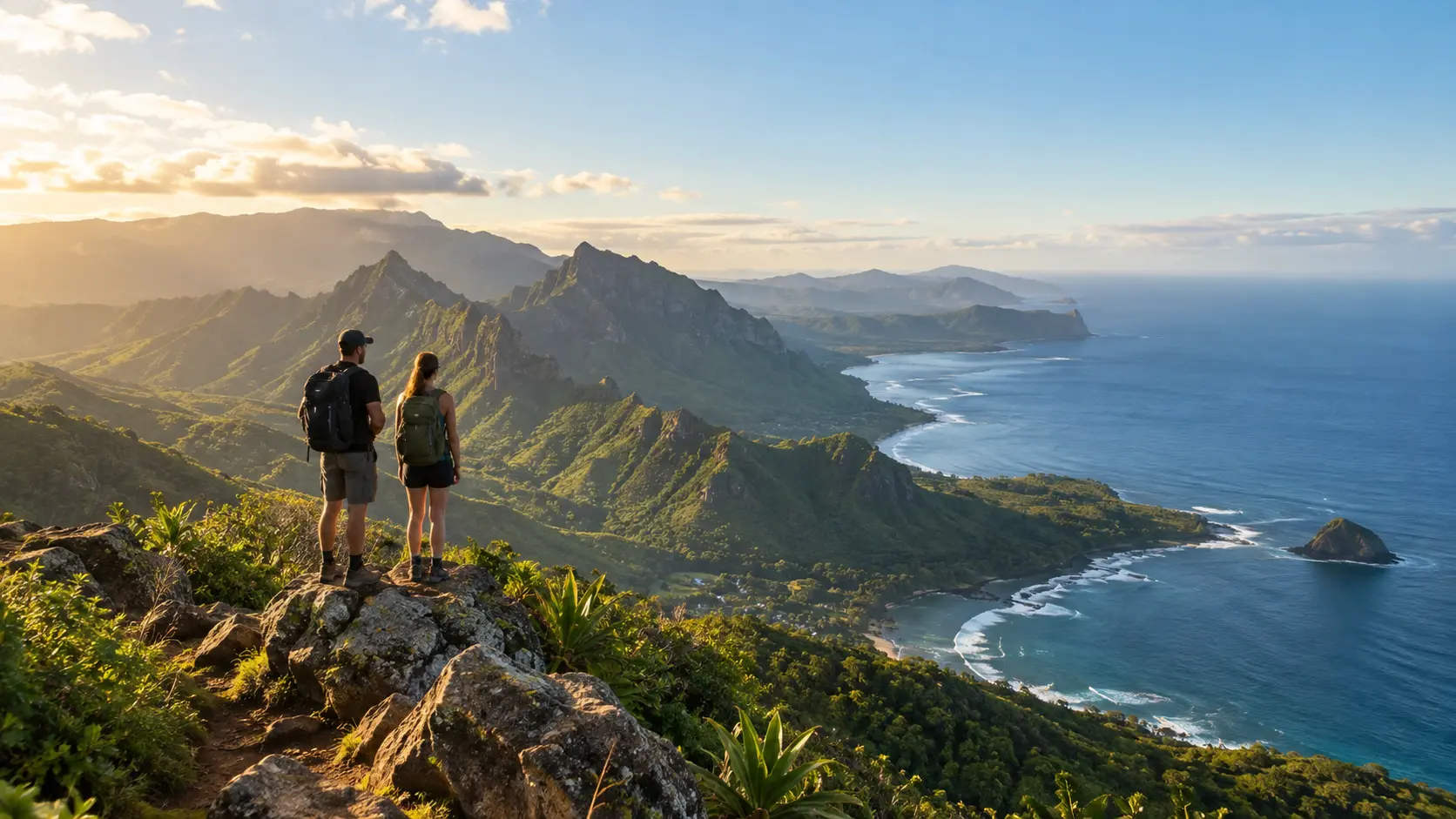
This article has been substantially updated to focus on thirteen extraordinary trips that reward the time, money, and effort required to reach them. The goal is not to collect famous names for a checklist. It is to identify places where the experience on the ground still feels genuinely exceptional—and to explain what makes each trip work.
Safety matters in that decision. No destination is risk-free, conditions change, and even countries with reassuring travel-advisory levels can present weather, wildlife, altitude, water, road, or medical-access hazards. The destinations below were selected with American travelers in mind, then narrowed to places with established tourism infrastructure and realistic ways to reduce avoidable risk. Zambia is the only African country included here; Victoria Falls is covered from the Zambia side.
How These Bucket-List Destinations Were Chosen
A true bucket-list trip should deliver more than one impressive viewpoint. It should have enough depth for several memorable days, a clear reason to travel during a particular season, and experiences that cannot be easily duplicated closer to home. Accessibility matters too: a place may be remote, but travelers should still be able to reach it through reputable operators, reliable transportation, or a well-established park system.
This list also favors destinations that can be shaped around different comfort levels. Some are physically demanding, while others can be experienced from a lodge, ship, train, scenic road, or guided vehicle. Costs vary widely, but the best version of each trip is not automatically the most luxurious one. Good timing, thoughtful routing, and the right guide often matter more than adding expensive extras.
Zambia: Wild Landscapes Without a Crowded Safari Circuit
1. South Luangwa National Park, Zambia
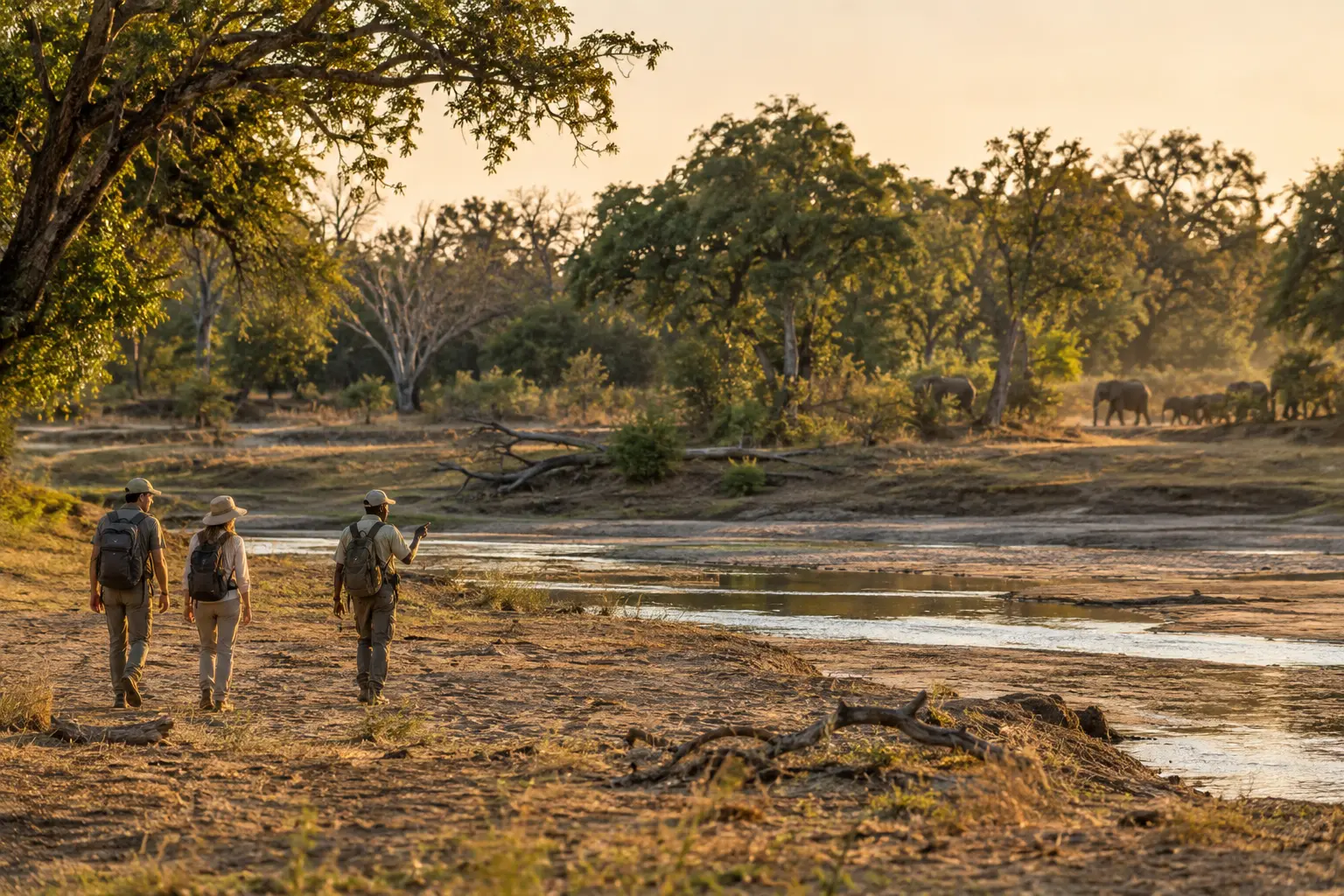
South Luangwa is the safari choice for travelers who want wildlife to remain the center of the trip. The Luangwa River and its lagoons pull animals into a concentrated ecosystem where elephants, hippos, crocodiles, giraffes, antelope, and predators can all become part of an ordinary day. Leopards are a major draw, but the park’s deeper appeal is the rhythm of the landscape: dawn light over the river, tracks in the dust, alarm calls in the brush, and the quiet tension of waiting to see what appears.
The park is especially known for walking safaris, which change the scale of the experience. On foot, a guide interprets tracks, plants, insects, and animal behavior that are easy to miss from a vehicle. Walking is not a casual solo activity; it should be done only with qualified guides and the required armed escort. Travelers who prefer less physical exposure can build an outstanding trip around morning and evening game drives, including night drives that reveal nocturnal species.
The dry season, generally from June through October, offers easier wildlife viewing as vegetation thins and animals gather near water. October can be extremely hot. The greener months bring lush scenery, migratory birds, fewer visitors, and dramatic skies, but some camps close and road conditions can be more challenging. A four- to five-night stay gives enough time for different habitats, changing weather, and the unpredictability that makes safari compelling.
Most visitors reach the area through Mfuwe and arrange transfers through their lodge. That lodge choice is central to the trip: look for experienced guides, clear emergency procedures, sensible vehicle capacity, and transparent conservation practices. South Luangwa is best for patient wildlife lovers and photographers. It is less suitable for travelers who dislike heat, insects, early mornings, bumpy roads, or limited access to advanced medical care.
Best window: June through October for classic dry-season viewing; the greener season for birds and fewer vehicles. Ideal stay: four to five nights. Activity level: easy to moderate, depending on whether walking safaris are included. Cost profile: premium once flights, transfers, park fees, and a reputable camp are combined.
2. Victoria Falls, Zambia
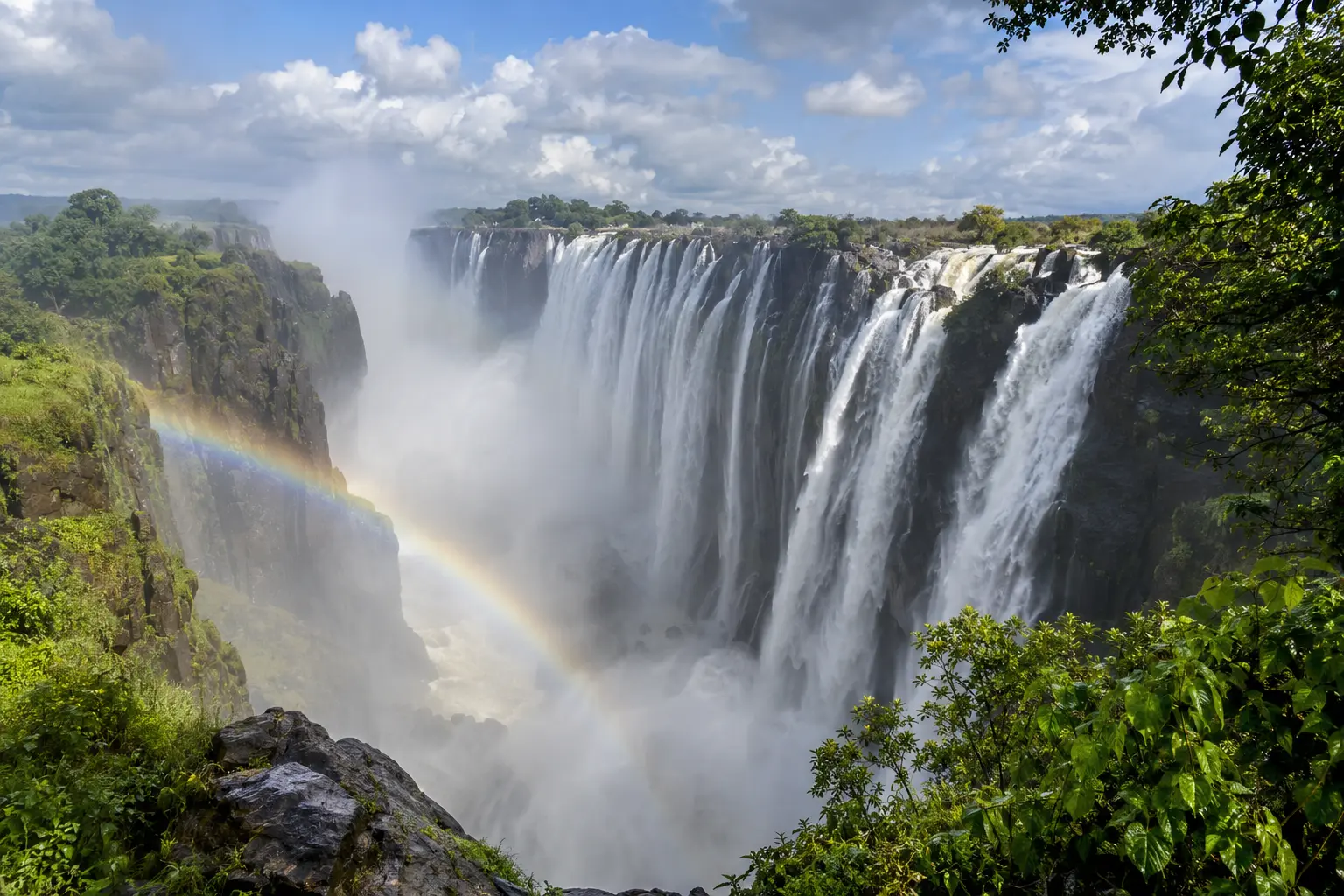
Victoria Falls is not simply a waterfall stop. From the Zambia side, the experience begins in Mosi-oa-Tunya National Park, where the Zambezi River drops into a narrow series of gorges and fills the air with spray. The Knife-Edge Bridge and nearby paths can be drenched when water levels are high, turning the visit into a sensory event: thunder, mist, rainbows, slick stone, and brief openings that reveal the scale of the gorge.
Water level changes the character of the visit. Higher flow usually produces the most dramatic curtain of water and the heaviest spray, sometimes obscuring parts of the falls. Lower flow exposes the geology and can open seasonal activities, but sections may look less powerful. Neither is universally better. Travelers who want the iconic wall of water should favor higher-flow months; those interested in rock formations, clearer views into the gorge, and certain river activities may prefer later in the dry season.
Plan at least two full days in Livingstone. Use one for the falls and Mosi-oa-Tunya area, and another for a reputable sunset cruise, cultural visit, museum, or guided nature experience. Helicopter flights provide valuable perspective but should be booked with a well-established operator. Whitewater rafting and other high-adrenaline options are highly seasonal and carry meaningful risk; water conditions, operator standards, insurance coverage, and personal fitness should all be checked before committing.
The Zambia-only approach keeps the itinerary straightforward and avoids making a border crossing essential to the experience. Livingstone has a mature visitor infrastructure, but travelers should still use arranged transportation after dark, protect valuables, follow local guidance around wildlife, and stay well back from unprotected edges. Victoria Falls pairs naturally with South Luangwa, creating a Zambia itinerary that combines a major natural landmark with several days of immersive wildlife viewing.
Best window: choose by water level and preferred activities rather than a single “perfect” month. Ideal stay: two to three nights. Activity level: easy for main viewpoints, demanding for rafting or long gorge activities. Cost profile: flexible, with helicopter flights and adventure excursions driving the total upward.
Alaska: Big Wilderness With American Park Infrastructure
3. Denali National Park and Preserve, Alaska
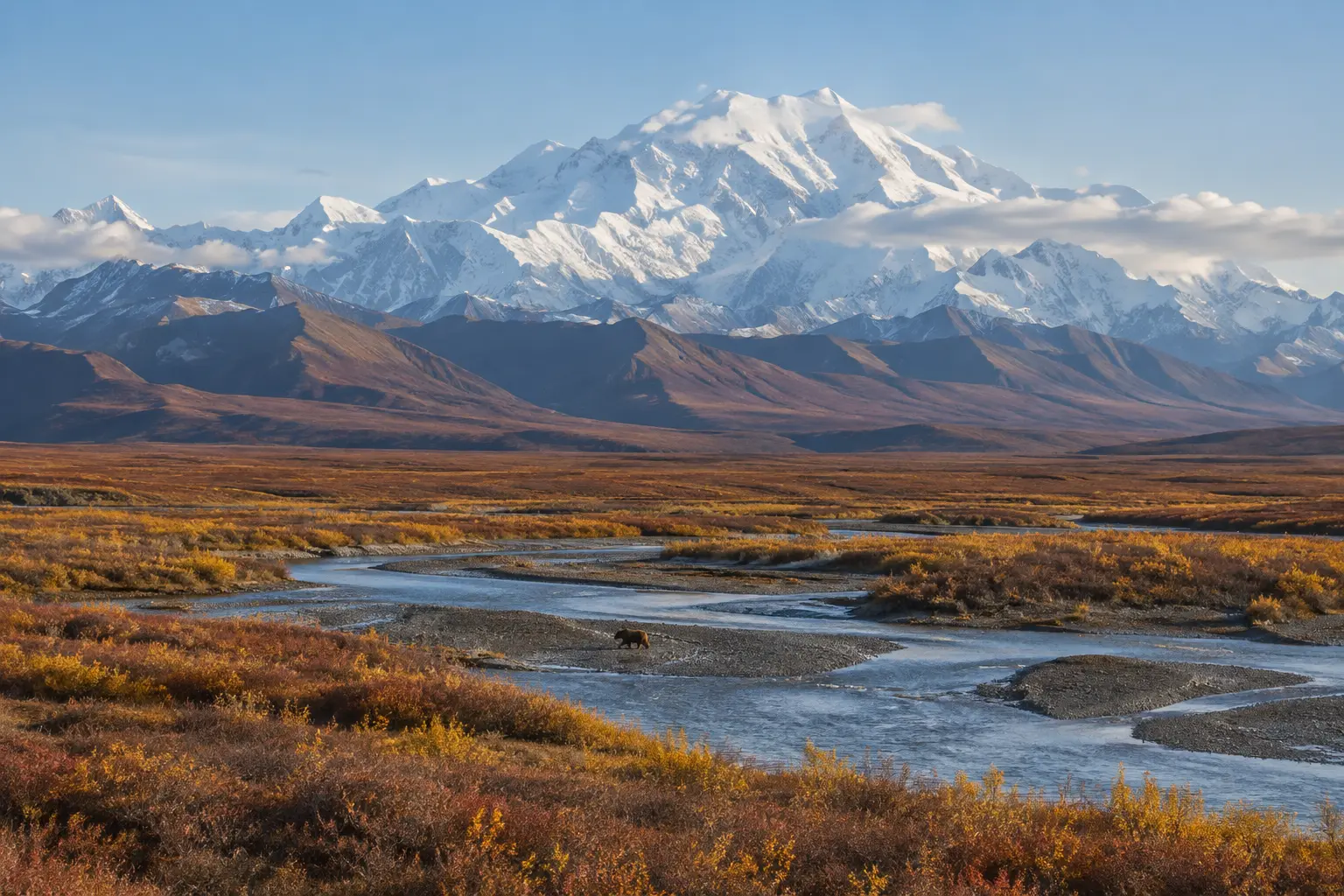
Denali rewards travelers who accept that wilderness does not perform on command. North America’s highest peak may be hidden by clouds, wildlife may appear far from the road, and weather can change an entire day. That uncertainty is part of the place. Tundra, braided rivers, distant ridgelines, and vast treeless valleys create a sense of scale that even excellent photographs fail to capture.
The park road is the organizing feature of most visits, but access and turnaround points can change because of construction, landslides, weather, and seasonal operations. Check current National Park Service conditions before building an itinerary. Transit or narrated buses are the usual way to travel beyond the area open to private vehicles. The bus is not merely transportation; it is a slow wildlife-viewing platform where patient travelers may see bears, caribou, moose, Dall sheep, wolves, or golden eagles.
Give Denali at least three nights. One long road day, one hiking or ranger-program day, and one weather buffer produce a far better trip than a rushed overnight. Easy trails near the entrance work for many visitors, while backcountry travel demands navigation skill, bear awareness, and comfort without marked routes. Flightseeing can be spectacular, but weather cancellations are common enough that it should never be the only reason for visiting.
The most practical season is the short summer operating window, with long daylight and the broadest range of services. Mosquitoes, rain, chilly mornings, smoke from regional fires, and rapidly changing weather are still possible. Pack layers and waterproof outerwear even when the forecast looks mild. Travelers can reach Denali by road or rail; the Alaska destination guide is a useful starting point for fitting the park into a larger route.
Best window: the main summer operating season, with exact services confirmed before booking. Ideal stay: three to four nights. Activity level: easy to strenuous. Cost profile: moderate to premium, especially when rail travel, guided activities, or flightseeing are added.
4. Glacier Bay National Park, Alaska
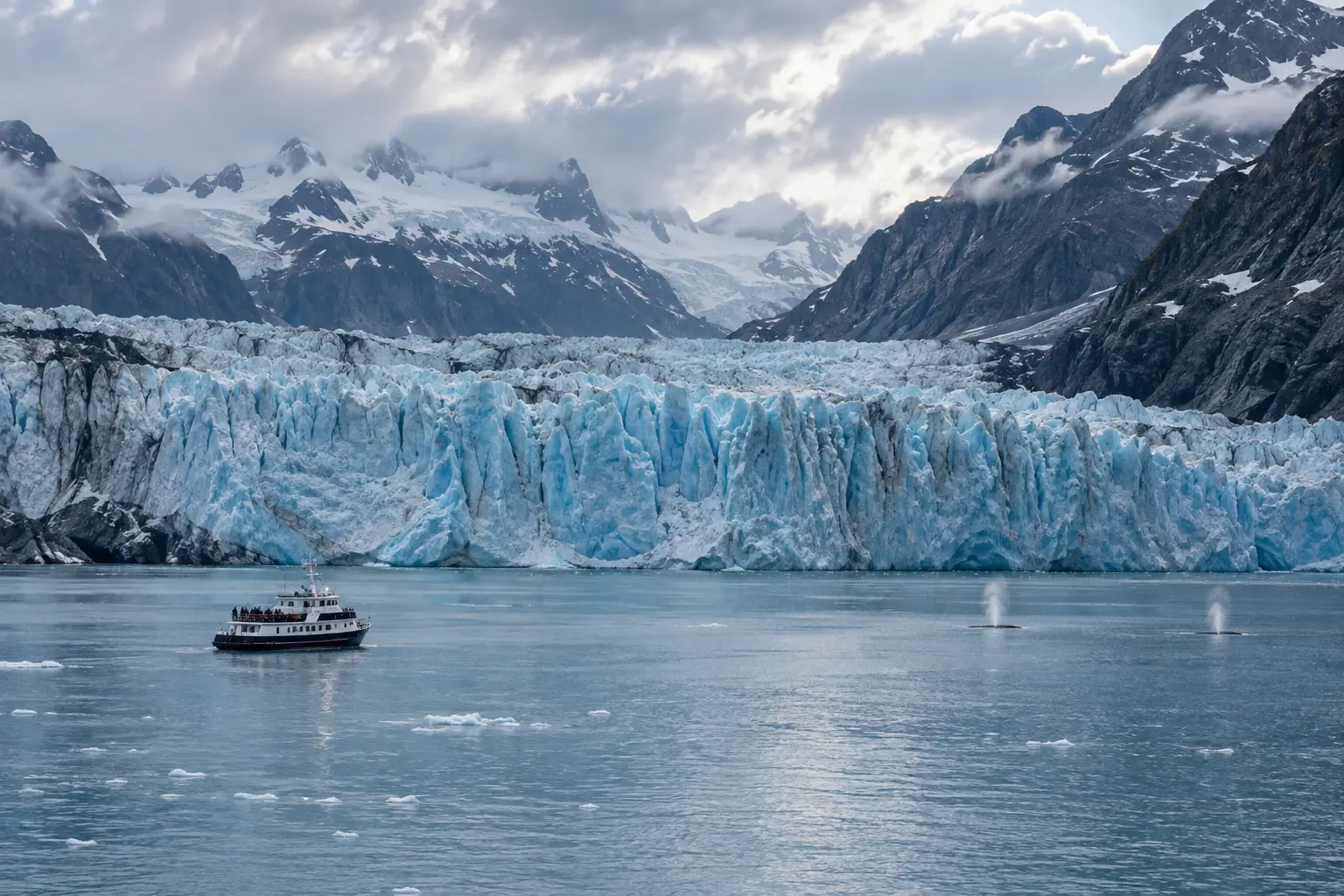
Glacier Bay is a marine wilderness, so the best views often arrive from the deck of a ship rather than the end of a road. Tidewater glaciers descend toward cold blue water, seabirds gather around nutrient-rich currents, and mountain walls rise directly from the bay. Whales, sea otters, seals, bears, and mountain goats may appear, but the constantly changing ice and water are the real stars.
There are two main ways to experience the park. A cruise itinerary offers broad comfort and scale, with park naturalists sometimes joining vessels for interpretation. A stay near Bartlett Cove allows a slower, more intimate trip built around a day boat, kayaking, hiking, and time at the park visitor area. Cruising suits travelers who want Glacier Bay as part of a larger coastal journey; a lodge-based stay suits those who want the park itself to be the destination.
Calving ice is unpredictable, and keeping a safe distance is essential because falling ice can create powerful waves. Kayakers need cold-water experience, proper equipment, and a conservative understanding of tides and weather. Even in summer, wind and rain can make exposed decks and small boats feel much colder than the temperature suggests. Binoculars, waterproof layers, gloves, and a warm hat improve the experience dramatically.
Two to three nights around the park—or a cruise day with enough deck time—works well. Travelers comparing routes can explore cruise planning options once they know whether they prefer a large ship, smaller expedition vessel, or independent stay. Do not judge itineraries only by the number of ports. Time in protected water, access to naturalists, and the amount of scenic cruising are more important here.
Best window: late spring through early fall, aligned with marine services. Ideal stay: one full cruise day or two to three nights independently. Activity level: easy from a ship; moderate to demanding for kayaking. Cost profile: premium for most cruise or lodge combinations.
Hawaii: Volcanic Landscapes and a Legendary Coast
5. Haleakalā National Park, Maui
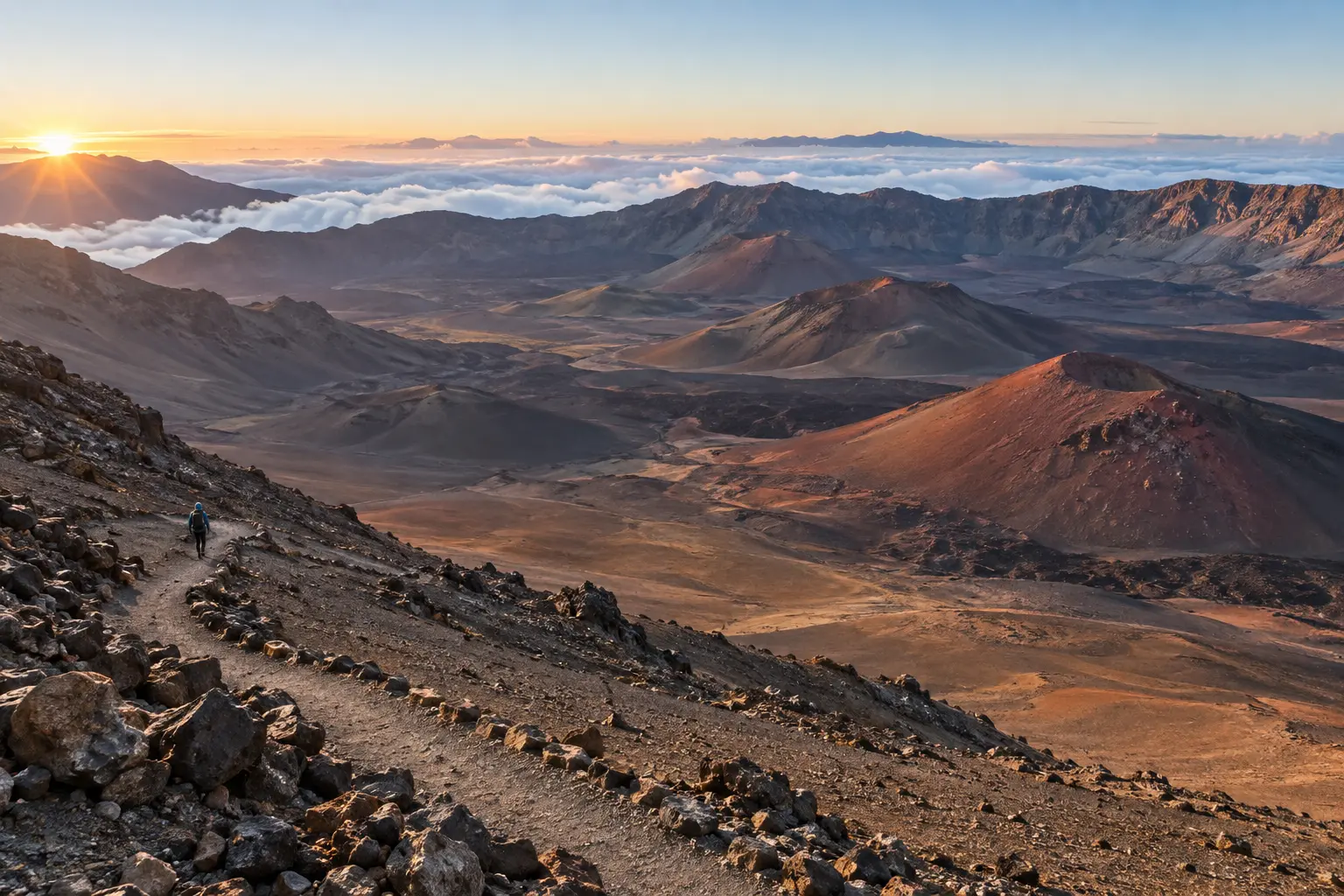
Haleakalā rises from tropical Maui into a high-altitude volcanic world of cinder cones, shifting clouds, silverswords, and enormous skies. Many visitors focus on sunrise, but treating the summit as a single photo stop misses the park’s depth. Daylight reveals the colors and contours of the crater, while late afternoon and sunset can be equally memorable with a less punishing wake-up time.
Sunrise access requires advance planning under current park rules, and availability can be limited. Regardless of the hour, the summit is cold, windy, and more than 10,000 feet above sea level. Move slowly, hydrate, and take symptoms such as headache, nausea, or unusual shortness of breath seriously. The drive includes sustained curves and elevation gain; a rested driver and a full tank are basic safety decisions.
Hikers can descend into the crater on the Sliding Sands route, but the return climb is more difficult than the descent suggests. Even a shorter out-and-back demands sun protection, water, layers, and honest pacing. For a gentler day, combine summit viewpoints with short walks and ranger information. The coastal Kīpahulu District offers a completely different landscape, but reaching it involves a long drive and should not be squeezed into the same rushed schedule as a summit visit.
Allow one full day for the summit region and a separate day if Kīpahulu is part of the plan. The Hawaii destination guide can help connect Haleakalā with the rest of Maui without turning the trip into constant driving. The park is ideal for landscape lovers and stargazers, but travelers with altitude-sensitive medical conditions should seek professional guidance before visiting the summit.
Best window: year-round, with weather and reservation requirements checked close to travel. Ideal stay: one summit day, plus a separate day for Kīpahulu. Activity level: easy at viewpoints to strenuous inside the crater. Cost profile: moderate once a Maui stay and rental car are in place.
6. Nā Pali Coast, Kauaʻi
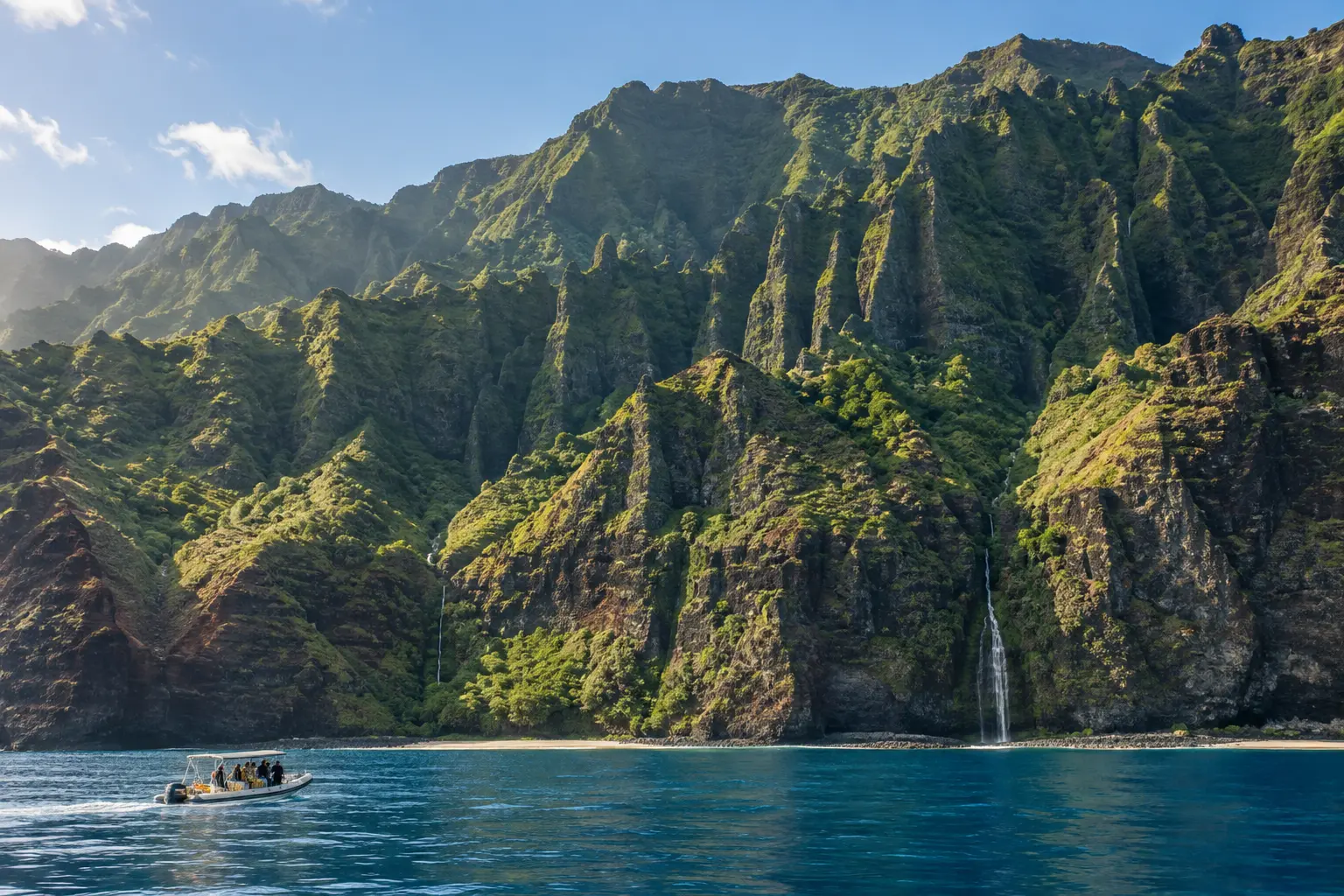
The Nā Pali Coast is Kauaʻi at its most dramatic: fluted green cliffs, deep valleys, sea caves, waterfalls, and beaches separated by terrain that resists roads. The lack of easy land access is precisely why the coast remains so powerful. It also means that weather and ocean conditions determine what is possible on any given day.
A boat trip offers the broadest view of the coastline and, when conditions allow, access near caves and waterfalls. Summer seas are often calmer, while winter can bring large swells and frequent cancellations. Choose an operator with strong safety practices and a vessel appropriate to your mobility and motion tolerance. Small rafts can be thrilling but physically rough; larger catamarans generally offer more stability and facilities.
The Kalalau Trail is a serious wilderness route, not an informal beach walk. Permits, current closures, stream conditions, heat, mud, exposed sections, and rescue limitations all matter. Day hikers who are not prepared for the full route can consider legal, permitted portions appropriate to current conditions, but should turn around early rather than chase a landmark. A helicopter tour provides a striking aerial perspective, though weather cancellations, motion sensitivity, and operator standards should be considered.
Spend at least three nights on Kauaʻi even if the coast is the main goal. A weather buffer is important because boats and flights can be canceled. The best itinerary includes a primary experience and a land-based backup rather than forcing unsafe conditions. Nā Pali is a superb fit for photographers, ocean lovers, and active travelers; it is more challenging for anyone with severe seasickness, limited mobility, or discomfort with exposed terrain.
Best window: generally the calmer summer-ocean period for boat access, though conditions always control. Ideal stay: three to five nights on Kauaʻi. Activity level: easy by larger boat to highly strenuous on the trail. Cost profile: moderate to premium depending on boat, helicopter, and lodging choices.
Southern Hemisphere Icons Worth the Long Flight
7. Tambopata and the Peruvian Amazon
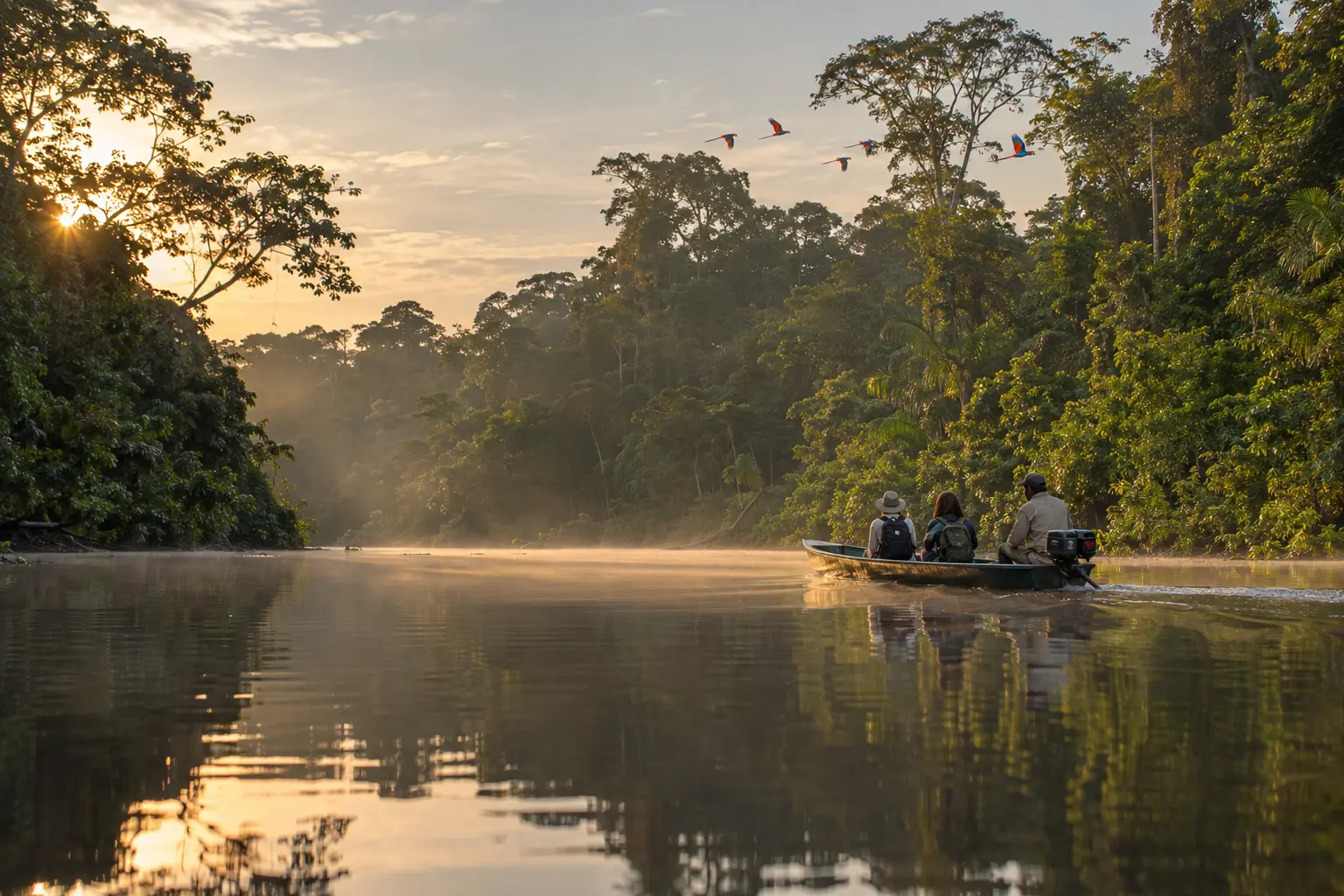
The Amazon is too large and varied to treat as one destination. For this list, the practical choice is Peru’s Tambopata region, reached through Puerto Maldonado and experienced through an established lodge with arranged river transportation and trained naturalist guides. This provides a focused rainforest experience without making remote border areas part of the itinerary.
The forest reveals itself in layers. Macaws and parrots may gather at clay licks; monkeys move through the canopy; caimans appear along dark water; insects, frogs, and fungi turn night walks into close-up expeditions. Wildlife sightings are never guaranteed, and the dense vegetation often makes smaller details more rewarding than a search for large mammals. A skilled guide transforms unfamiliar sounds and subtle movement into a living story.
Three to four nights at one lodge is usually better than repeatedly relocating. Ask how long the road and boat transfers take, what group sizes are used, whether boots and rain gear are provided, and how the lodge handles medical emergencies. Heat, humidity, insects, muddy trails, limited connectivity, and basic facilities are part of the experience. Travelers should consult a clinician about appropriate vaccines and malaria precautions for their exact itinerary well before departure.
Peru carries regional security differences, so the trip should stay within the established Tambopata tourism corridor and avoid improvised travel toward restricted border zones.
Use lodge-arranged transfers, keep documents secure, and confirm the latest official advisory details immediately before booking and again before departure. Tambopata is best for curious travelers who can trade predictability and air-conditioning for biodiversity and sensory immersion.
Best window: both wetter and drier periods have advantages; choose based on trail conditions, heat, and wildlife interests. Ideal stay: three to four nights. Activity level: moderate, with slippery trails and boat transfers. Cost profile: moderate to premium because packages typically combine lodging, meals, guides, and transfers.
8. Great Barrier Reef, Australia
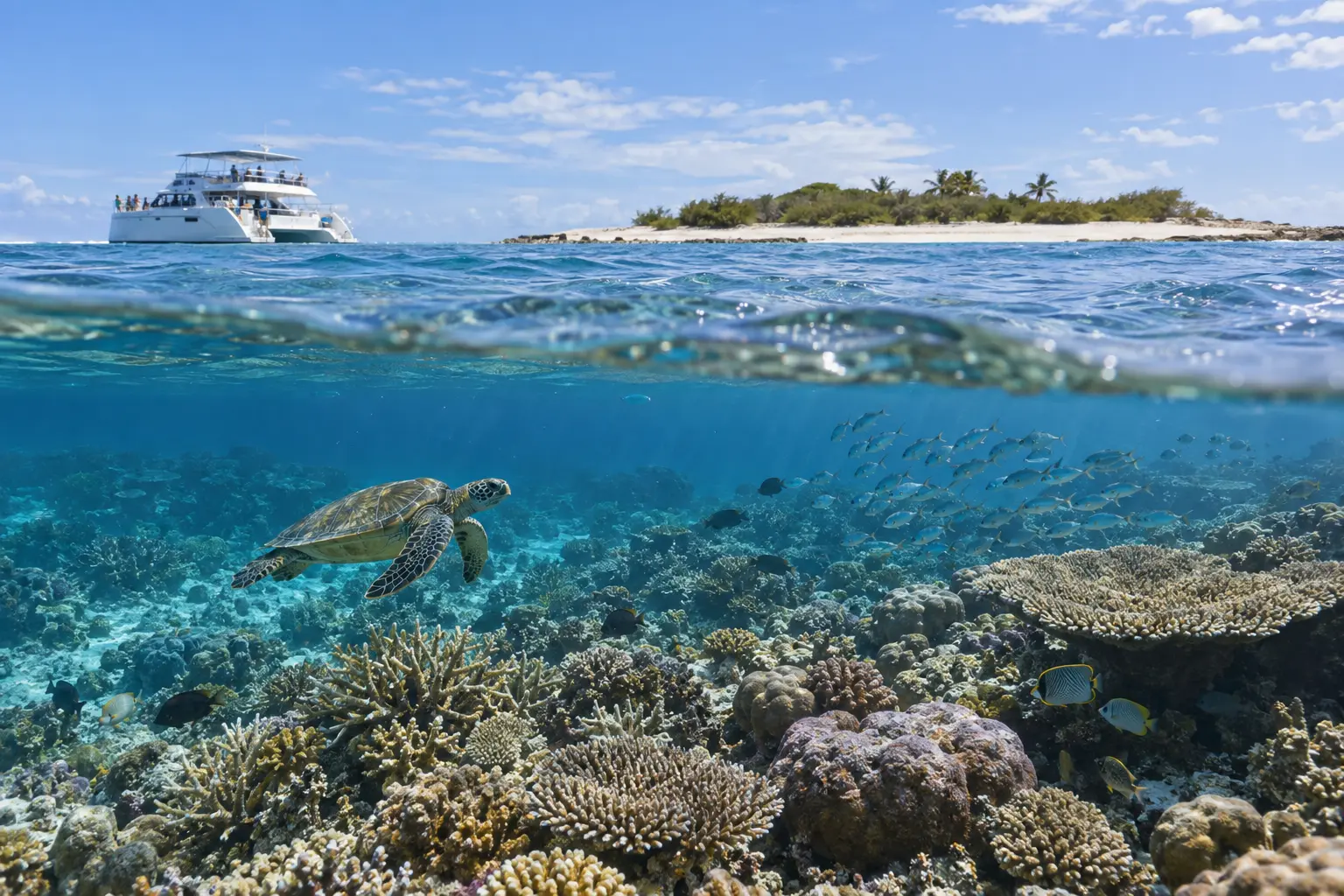
The Great Barrier Reef is not one interchangeable snorkel stop. It is a vast system of reefs and islands, and the departure point determines the experience. Cairns and Port Douglas provide convenient access to outer-reef day trips, while the Whitsundays combine sailing and island scenery. Multi-day liveaboards reach more distant sites and give divers repeated water time, but they require greater commitment and comfort at sea.
For snorkelers, the most important questions are reef location, travel time, group size, flotation support, and whether marine biologists or skilled guides enter the water with guests. Certified divers should evaluate the operator’s safety record, equipment, supervision, and protocols rather than choosing on price alone. Introductory dives can be memorable, but travelers should understand the medical questionnaire and avoid pressuring themselves into an activity that feels wrong.
Reef conditions vary with wind, visibility, tides, currents, and seasonal marine hazards. Sun exposure is intense, and dehydration can develop even during a day spent in the water. Follow local guidance on protective suits and swimming zones. Reef-safe behavior matters: never stand on coral, chase wildlife, take marine life, or ignore briefing instructions. Travelers who do not want to snorkel or dive can choose glass-bottom boats, semi-submersibles, scenic flights, and island-based nature walks.
Allow at least four nights in the region and keep one flexible day in case marine weather affects operations. A broader South Pacific travel guide can help position Australia within a longer journey. The reef is ideal for marine-life lovers, families with strong swimmers, and divers; it requires extra planning for non-swimmers, motion-sensitive travelers, and anyone with medical conditions affected by diving.
Best window: varies by gateway and activity, so match the season to the exact reef region. Ideal stay: four to six nights. Activity level: easy for observation cruises to demanding for repeated dives. Cost profile: moderate for a day trip, premium for remote reefs or liveaboards.
Five New Hot Spots That Deserve a Place on the List
9. Japan: Tokyo, Kyoto, and the Japanese Alps
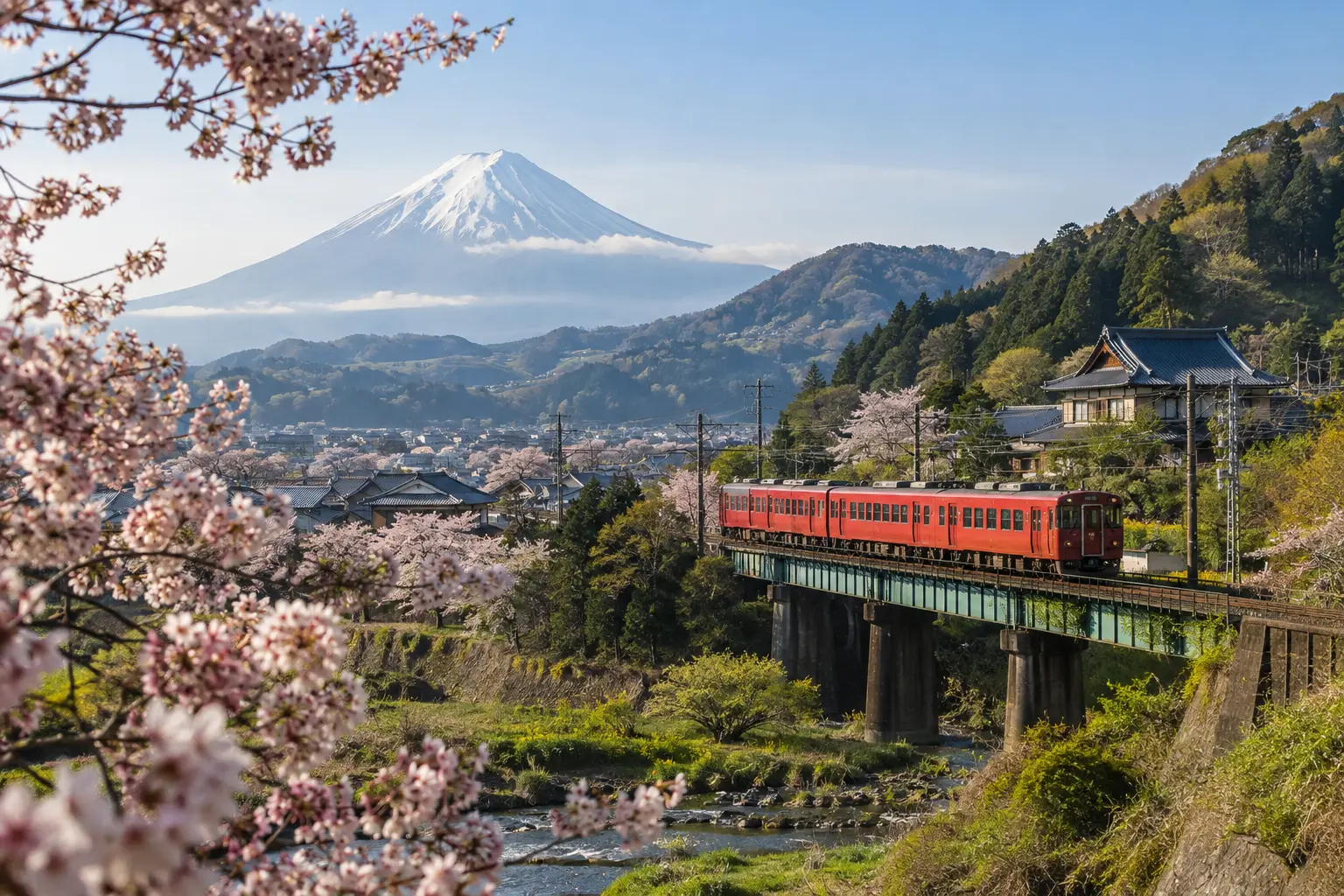
Japan earns its place because one trip can combine futuristic city life, deeply rooted traditions, exceptional rail travel, mountain scenery, and food that changes from region to region. The classic Tokyo–Kyoto route remains worthwhile, but adding a smaller city or Alpine stop creates the contrast that turns a good first visit into a great one.
Tokyo needs time. Rather than racing between famous neighborhoods, choose one or two areas per day and explore at street level. Kyoto rewards early starts, especially at heavily visited temples and lanes. Between them, consider Kanazawa for gardens and preserved districts, Takayama for a compact mountain-town atmosphere, or a well-planned Japanese Alps segment. Seasonal demand is intense during cherry-blossom periods, autumn color, and major holidays, so reservations and crowd expectations matter.
Japan’s transportation system is excellent, but an ambitious map can still produce an exhausting trip. Rail passes are not automatically the cheapest choice; calculate the actual route before buying. Luggage-forwarding services can make multi-city travel easier, and staying near a useful station often saves more energy than choosing a glamorous hotel farther away. Travelers with tattoos should check individual onsen policies rather than assume access.
Allow ten to fourteen days for a first trip that includes Tokyo, Kyoto, and one additional region. Summers can be extremely hot and humid, while winter brings snow and weather disruption in mountain areas. Earthquakes, typhoons, and volcanic activity are real hazards, so enroll in alerts and follow local instructions. The Asia destination guide is a natural place to begin shaping a route.
Best window: spring and fall for mild weather, recognizing peak crowds and prices; winter for snow experiences. Ideal stay: ten to fourteen days. Activity level: moderate because of extensive walking and stairs. Cost profile: flexible, with efficient transit and varied lodging balancing long-haul airfare.
10. New Zealand’s South Island
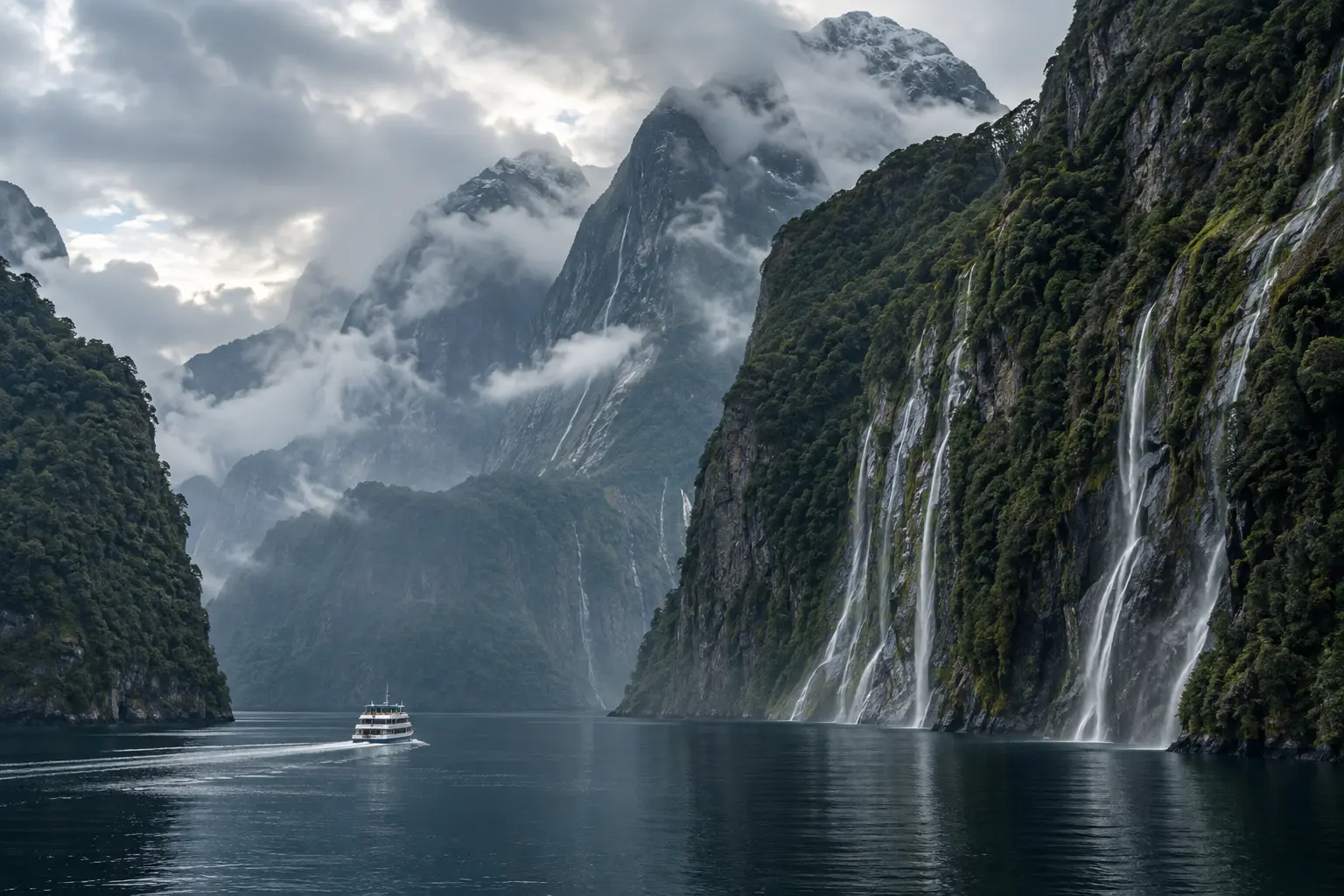
The South Island delivers cinematic scenery, but its true strength is variety within a single road trip: fjords, glaciers, alpine passes, vineyards, gold-rush towns, rugged coasts, and dark-sky country. Queenstown and Milford Sound are famous for good reason, yet the trip improves when they are connected slowly through places such as Wānaka, Aoraki/Mount Cook, the West Coast, or the Mackenzie Basin.
Driving distances look deceptively short. Roads are often narrow and winding, weather changes quickly, and visitors accustomed to driving on the right need time to adapt to left-side traffic. Build a route with two- or three-night bases and avoid driving immediately after an overnight flight. In winter and shoulder seasons, snow, ice, high winds, and road closures can reshape the plan.
Milford Sound is worth the journey, but it should not be treated as a guaranteed blue-sky postcard. Rain feeds hundreds of temporary waterfalls and gives the fjord a different kind of drama. A coach-and-cruise day from Queenstown reduces driving fatigue, while an overnight cruise adds calm after day visitors leave. Hikers can choose from short scenic tracks to multi-day Great Walks that require advance bookings and serious preparation.
Give the South Island at least ten days; two weeks is much better. Travelers can add wine, kayaking, stargazing, scenic flights, or wildlife encounters without making every day strenuous. The island suits independent travelers who value landscapes and flexibility, but it punishes rushed itineraries. Leave room for weather, road delays, and the unplanned viewpoint that becomes the highlight.
Best window: summer for long days; shoulder seasons for lighter crowds; winter for snow-focused travel. Ideal stay: ten to fourteen days. Activity level: easy to strenuous. Cost profile: moderate to premium, with rental vehicles, one-way fees, and adventure activities affecting the total.
11. Iceland Beyond the Golden Circle
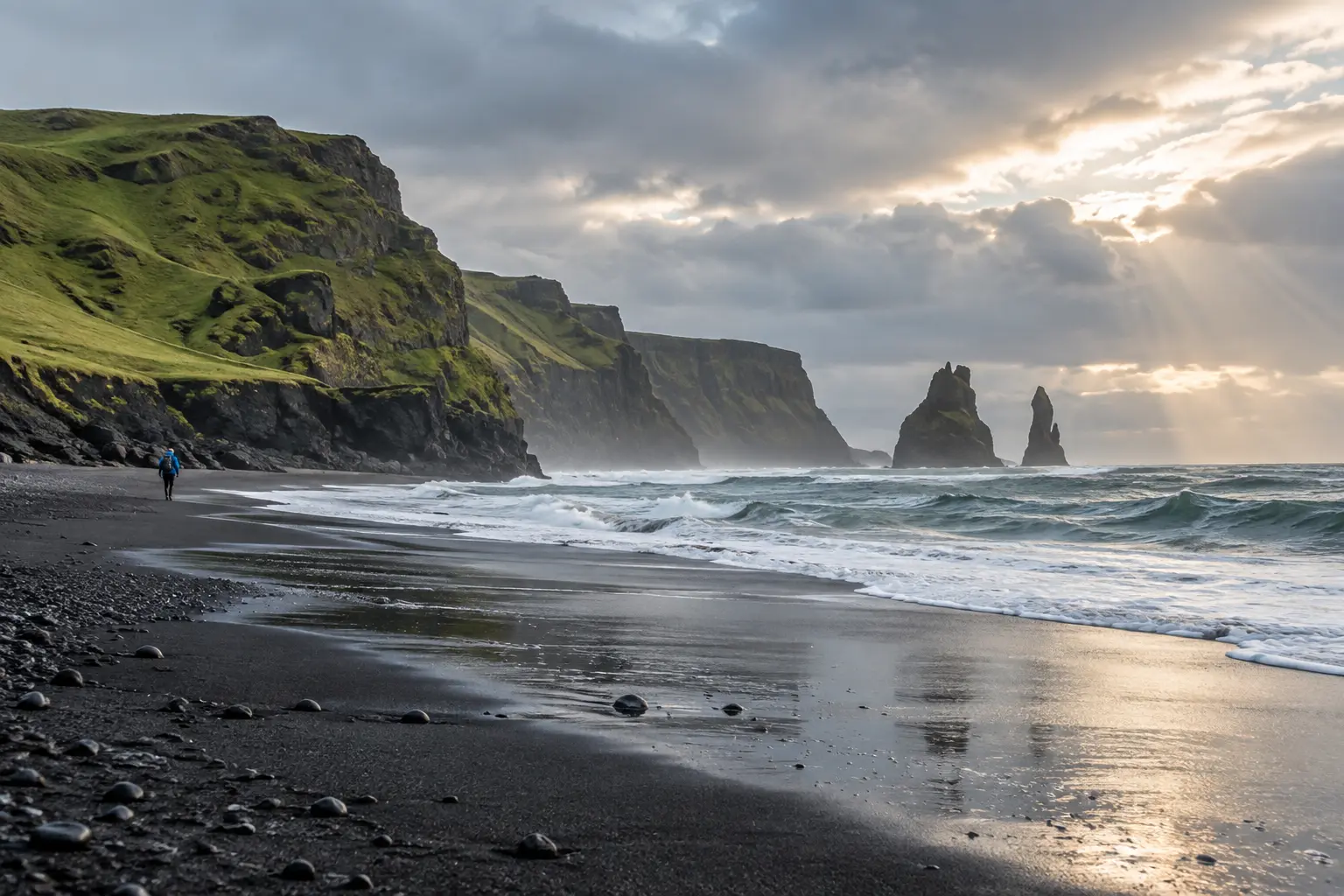
Iceland’s familiar highlights remain spectacular, but the deeper trip begins after the busiest loop. Waterfalls drop over old sea cliffs, geothermal areas steam in open valleys, black-sand coasts meet violent surf, and lava fields stretch beneath glaciers. The landscape changes quickly enough that even driving days feel like part of the experience.
A complete Ring Road circuit usually needs at least ten days, and longer is wiser outside midsummer. Travelers with less time should choose one region instead of forcing the full loop: the South Coast for waterfalls and glaciers, Snæfellsnes for compressed variety, or the north for geothermal landscapes and quieter roads. Highlands routes require the correct vehicle, seasonal road openings, and experience with river crossings; they are not casual shortcuts.
Weather is the defining safety issue. Wind can damage car doors, waves can sweep people from beaches, and winter roads can become impassable. Check official road and weather information every day, obey closures, and never step onto a glacier without an equipped guide. Volcanic and geothermal conditions can also change; official alerts should override any itinerary.
Iceland is expensive, but careful routing controls costs better than trying to see everything. Choose a few bases, book kitchens when useful, and avoid changing hotels every night. A small-group tour is a strong option for winter travelers uncomfortable with driving. Summer offers long daylight and broad access; winter brings darkness, ice, and the possibility—not the promise—of northern lights.
Best window: summer for access and daylight; winter for aurora-focused travel with greater weather risk. Ideal stay: seven days for one or two regions, ten to fourteen for the Ring Road. Activity level: easy to strenuous. Cost profile: premium, especially for vehicles, lodging, dining, and guided ice activities.
12. The Canadian Rockies: Banff, Lake Louise, and Jasper
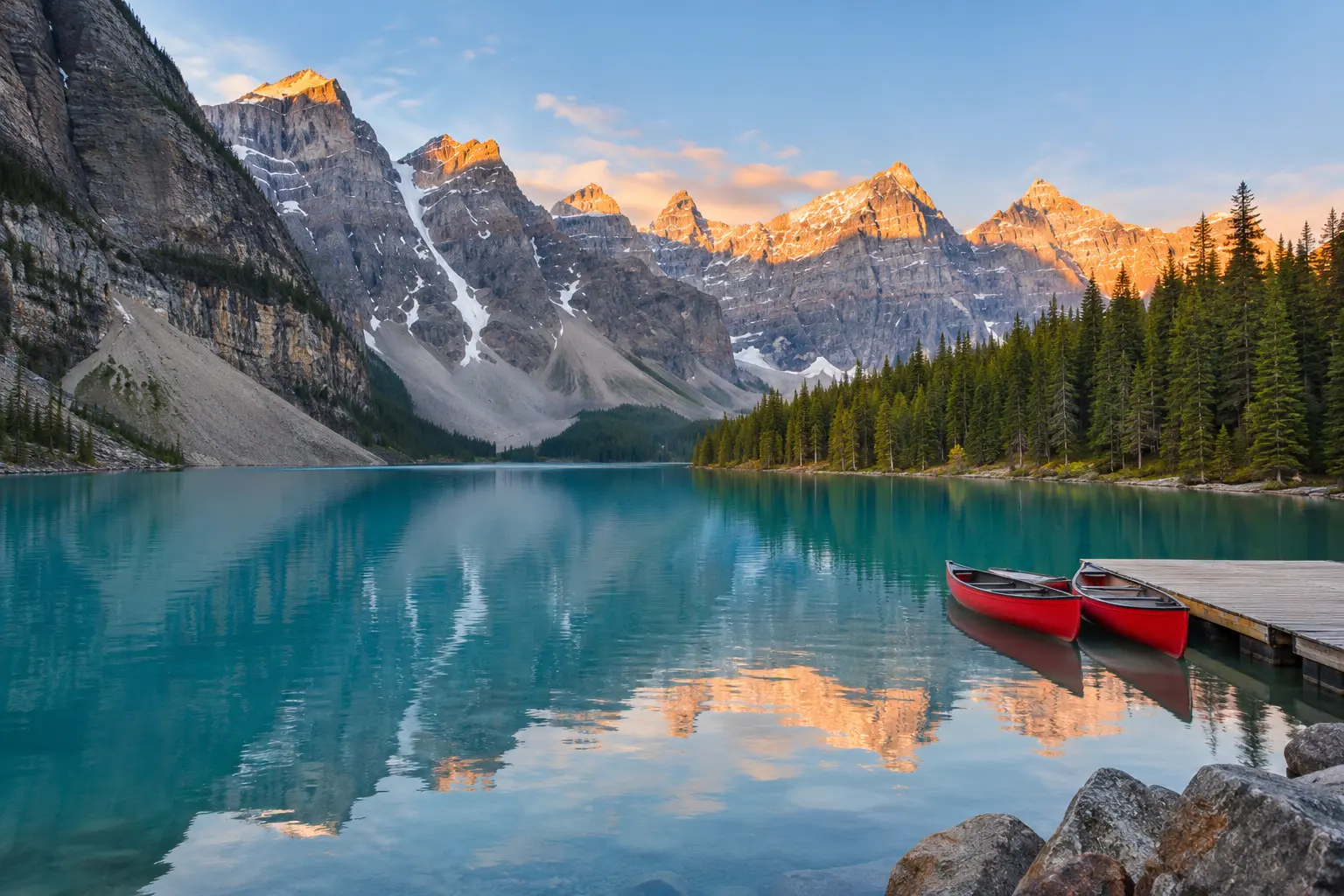
The Canadian Rockies combine immense mountain scenery with a park system that makes it accessible to many kinds of travelers. Turquoise lakes, glacier-fed rivers, wildlife corridors, alpine meadows, and the Icefields Parkway create a route that is beautiful from a car yet far richer on foot.
Banff is a practical gateway, but the town can be crowded. Lake Louise and Moraine Lake require careful transportation planning under current access rules; private-vehicle assumptions can lead to disappointment. Park shuttles and regional transit are often the smarter choice. Farther north, the Icefields Parkway deserves a full day rather than being treated as a transfer. Stops, wildlife, traffic, construction, and weather all slow the drive.
Wildfire, smoke, snow, and trail closures can affect any season. Check Parks Canada notices, carry layers, and keep food secure around wildlife. Bears, elk, and other animals need generous space, even when other visitors crowd close for photographs. Hikers should carry bear spray where recommended, know how to use it, and understand that cell coverage is unreliable in many areas.
Seven to ten days works well for Banff, Lake Louise, and the parkway; add time if Jasper is fully accessible and part of the route. Summer offers broad trail access but the largest crowds. Early fall brings color and cooler temperatures, while winter favors skiing and snow activities with shorter daylight. Travelers can also consider rail journeys when they want scenery without taking on the entire drive.
Best window: summer and early fall for hiking; winter for snow sports. Ideal stay: seven to ten days. Activity level: easy to strenuous. Cost profile: moderate to premium, with peak-season lodging and limited availability driving costs.
13. The Azores, Portugal
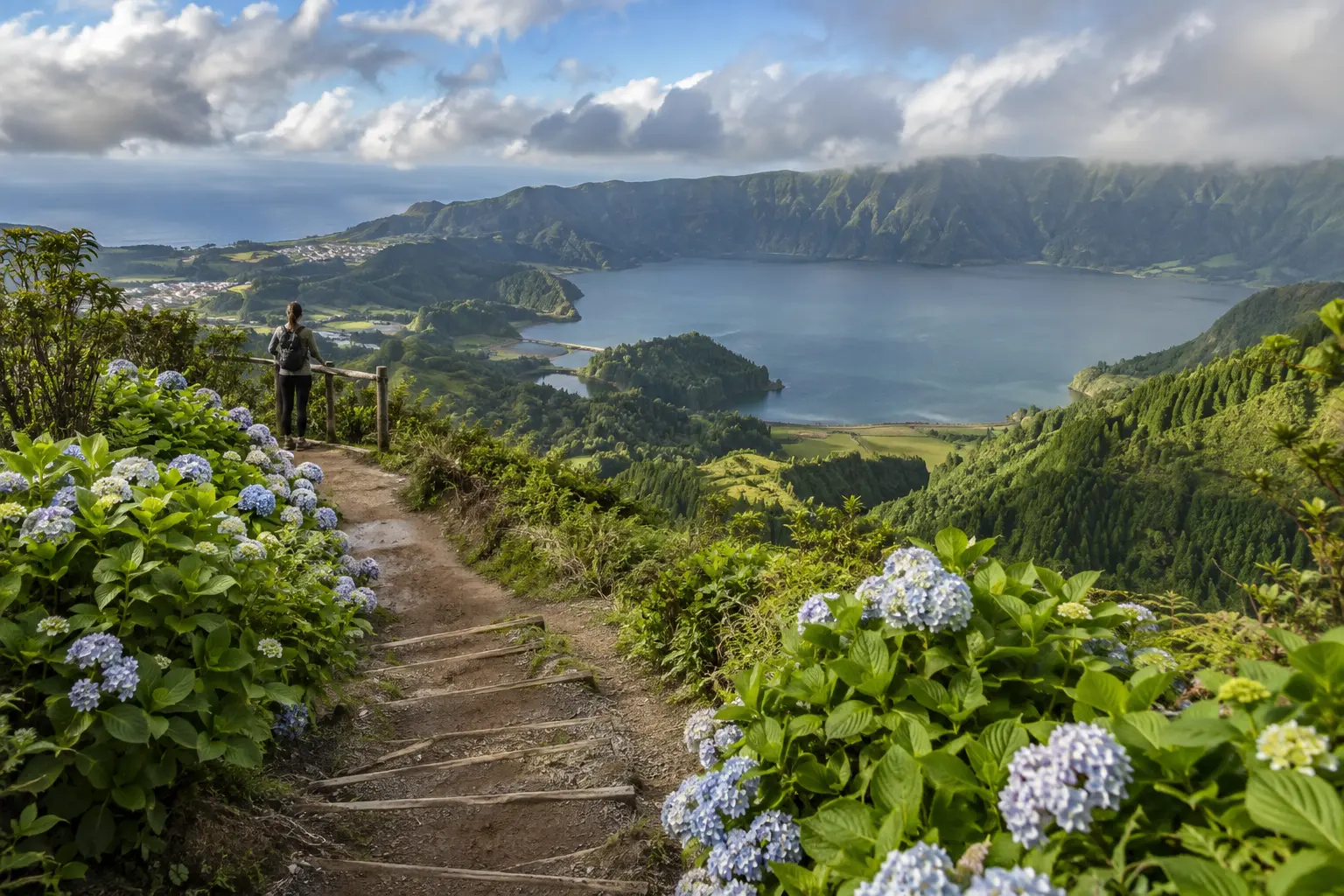
The Azores feel remote without requiring an expedition. This Atlantic archipelago offers volcanic lakes, hydrangea-lined roads, thermal pools, whale-watching, lava formations, green pastures, and coastal villages. São Miguel is the easiest first island and has enough depth for a complete trip, while Pico, Faial, São Jorge, and Terceira reward travelers who have more time.
On São Miguel, Sete Cidades and Lagoa do Fogo deliver the famous crater views, but cloud cover can hide them within minutes. Flexible scheduling is essential: use live weather cameras, move outdoor priorities when skies clear, and save museums, food experiences, or thermal bathing for poor-weather periods. Furnas adds geothermal scenery and hot springs, while the coast provides whale-watching and quieter walks.
Island-hopping sounds simple but introduces flight or ferry uncertainty. A seven-day trip is usually better on one island; ten to fourteen days can support two or three without constant packing. Roads are generally manageable, though lanes can be narrow, cattle and farm vehicles appear unexpectedly, and viewpoints have limited parking. Hiking trails may become muddy or close after storms.
The Azores suit travelers who enjoy nature, local food, and understated towns more than nightlife or resort beaches. Ocean conditions change quickly, so boat excursions should be booked with reputable operators and flexible expectations. The islands’ appeal lies in their pace: a picnic beside a crater lake, a soak after a wet hike, or an unplanned coastal overlook can matter more than completing a checklist.
Best window: late spring through early fall for a broad mix of activities, with changeable weather year-round. Ideal stay: seven days for one island, ten to fourteen for several. Activity level: easy to moderate, with optional strenuous hikes. Cost profile: moderate, though inter-island transport can add up.
Which Bucket-List Adventure Fits You Best?
Choose South Luangwa for wildlife immersion, or pair it with Victoria Falls for Zambia’s strongest first-time combination. Pick Denali when vast tundra and land-based wildlife are the dream; choose Glacier Bay when marine scenery, glaciers, and shipboard comfort matter more. Haleakalā works beautifully inside a broader Maui vacation, while Nā Pali should be the priority for dramatic coastline and ocean adventure.
Tambopata is the most sensory and least predictable option. The Great Barrier Reef is the clear choice for underwater life. Japan offers the strongest combination of culture, food, transit, and urban energy. New Zealand’s South Island is the best all-around road trip; Iceland is the rawest geological journey; the Canadian Rockies provide the easiest blend of major scenery and park infrastructure; and the Azores are ideal for travelers who want a quieter Atlantic discovery.
Do not choose by photographs alone. Consider flight length, jet lag, altitude, humidity, seasickness, driving comfort, physical demands, medical access, and tolerance for weather disruption. The right bucket-list destination is the one whose difficult parts still feel worthwhile to you.
Safety and Planning Before You Book
Check the U.S. Department of State advisory for every country shortly before paying nonrefundable costs and again before departure. Read the entire country page, not only the advisory number, because risks can be regional. Enroll in the Smart Traveler Enrollment Program when appropriate, keep digital and paper copies of important documents, and make sure emergency contacts know the itinerary.
Travel insurance should match the trip. Standard coverage may exclude high-altitude hiking, rafting, remote evacuation, scuba diving, or certain adventure activities. Review exclusions and medical-evacuation limits carefully. A policy is useful only when the covered activities, destinations, and operators match what you will actually do.
Use qualified guides for wildlife walks, glaciers, remote rainforest travel, serious marine activities, and unfamiliar backcountry routes. Leave room for weather rather than pressuring an operator to proceed. If a road, trail, park, harbor, or local authority says conditions are unsafe, change the plan. A bucket-list trip remains memorable even when one activity is canceled; an avoidable emergency can define the entire journey.
Turn the List Into a Real Itinerary
The best trip is rarely the one with the most stops. It is the one with sensible pacing, strong local operators, and enough flexibility to absorb a weather day without collapsing. Start with the experience that matters most, then build transportation and accommodations around it. If two destinations connect naturally—South Luangwa and Victoria Falls, Denali and Glacier Bay, or Tokyo and Kyoto—combine them. If the connection requires multiple fragile flights and constant repacking, save the second place for another journey.
For help narrowing the list, choosing the right season, and building an itinerary around your comfort level, contact Travel With McNellis. A well-designed bucket-list trip should feel ambitious, but it should never feel careless.
Official Sources and Further Planning
• U.S. Department of State Travel Advisories
• Denali National Park and Preserve
• Glacier Bay National Park and Preserve
• Nā Pali Coast State Wilderness Park
• Great Barrier Reef Marine Park Authority
• Japan National Tourism Organization