MARGE’S TRAVEL INSIGHTS
Hawaii A Dream Come True for Every Traveler
Plan a Hawaii vacation with this in-depth guide to Oahu, Maui, Kauai, Hawaii Island, Lanai and Molokai, including beaches, resorts, dining and culture.
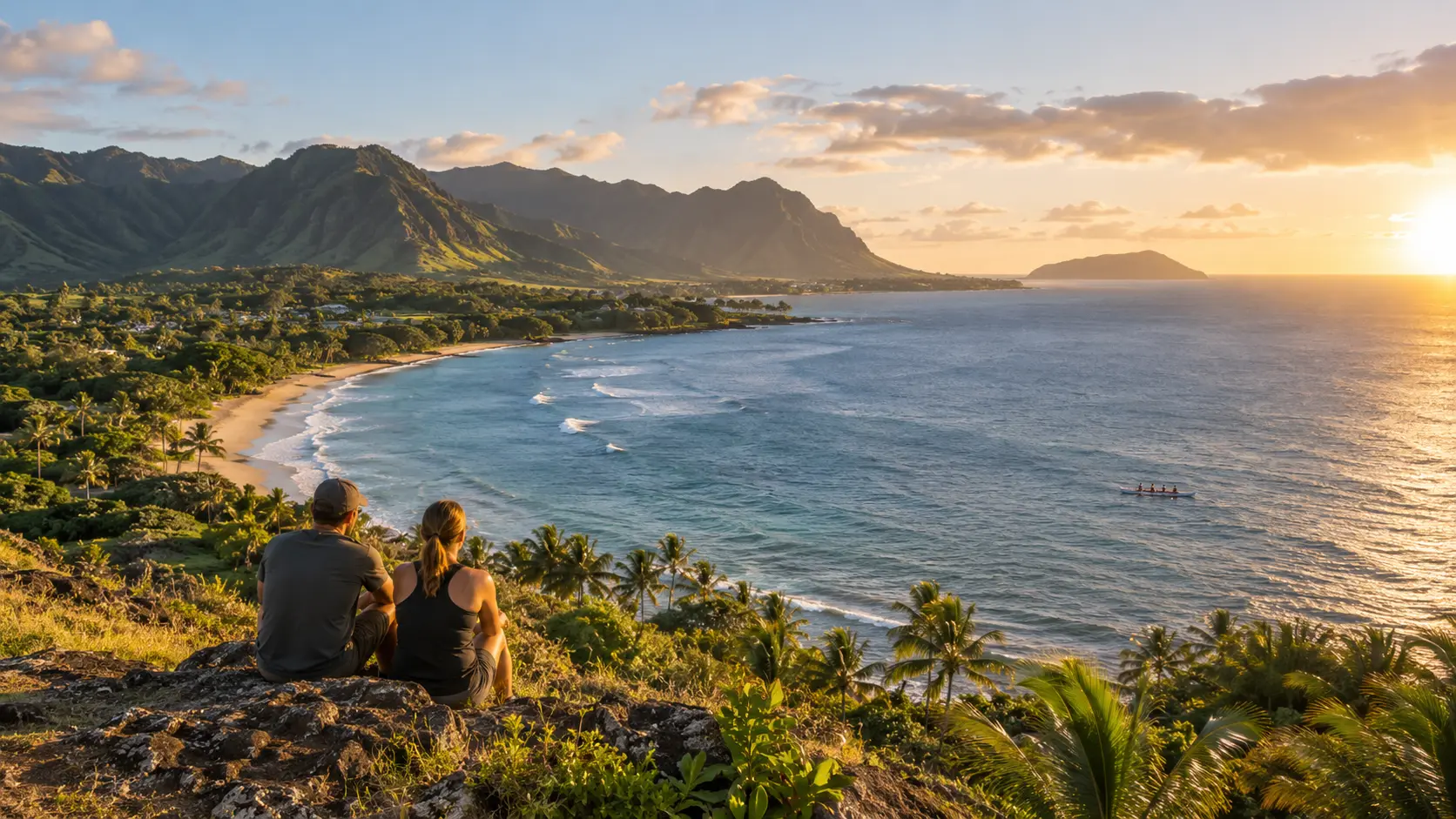
Hawaii has always felt like a dream, but this guide now goes far beyond the familiar postcard version. We have substantially expanded it with a slew of new destinations across six islands, along with deeper coverage of local culture, dining, nightlife, beaches, resorts, hotel amenities, realistic costs, transportation, safety, and trip-planning strategy. The goal is not to tell every traveler to take the same vacation. It is to help you find the Hawaiian island—and the part of that island—that fits the way you actually want to travel.
For American travelers, Hawaii offers the ease of a domestic trip with landscapes and traditions that feel genuinely distinct. You do not need a passport when traveling directly from another U.S. state, U.S. currency and phone service are familiar, and English is widely spoken. Yet this is not a generic tropical resort destination. Hawaiʻi is the homeland of Native Hawaiians, a living cultural place, and a chain of islands whose communities, climates, beaches, roads, and rhythms differ dramatically.
That is why a successful Hawaii vacation begins with choices. Do you want Waikīkī restaurants and evening energy, a quiet beach on Kauaʻi, Maui resort comfort, the volcanic scale of Hawaiʻi Island, the seclusion of Lānaʻi, or the locally rooted pace of Molokaʻi? Would your family use a multi-pool resort every day, or would you rather invest in a rental car and spend the week exploring? Is nightlife important, or is stargazing your idea of a memorable evening? Those answers matter more than any universal “best island” ranking.
This complete Hawaii destination guide is designed to make those tradeoffs clear. Use it to compare islands, identify the experiences worth planning ahead, understand what your hotel rate may not include, and build an itinerary with enough time to enjoy Hawaii instead of racing through it.
How to Choose the Right Hawaiian Island
Oʻahu is the strongest all-around choice for first-time visitors who want beaches, history, culture, shopping, food, and nightlife in one trip. Honolulu and Waikīkī create Hawaii’s most urban experience, while the North Shore, Windward Coast, and Ko Olina show very different sides of the island. It also offers the broadest hotel range and the easiest vacation for travelers who prefer not to rent a car for every day.
Maui is the classic resort-and-road-trip island. Wailea, Kāʻanapali, and Kapalua provide polished beachfront stays, while Upcountry, Hāna, Haleakalā, and smaller towns reward exploration. It suits honeymooners, families, food-focused travelers, and couples who want both comfort and scenic variety. The tradeoff is that many headline experiences are far apart, so realistic driving plans are essential.
Kauaʻi is the choice for lush scenery, hiking, quiet evenings, and a slower pace. The Nā Pali Coast, Waimea Canyon, Hanalei, and the beaches around Poʻipū give the island enormous visual impact without big-city energy. It suits nature lovers and romantic travelers, but rain, one main road, and limited late-night entertainment are part of the island’s reality.
Hawaiʻi Island—often called the Big Island—delivers the greatest scale and geographic contrast. Active volcanic landscapes, high-elevation stargazing, sunny Kohala Coast resorts, Kona coffee country, Hilo rainforests, and black-sand shores can all fit into one island itinerary. Its size makes it rewarding for repeat visitors and curious road-trippers, but a poorly located hotel can create hours of unnecessary driving.
Lānaʻi offers two versions of seclusion: a luxury oceanfront resort and an adults-only wellness retreat in the uplands. Molokaʻi is more independent, community-centered, and intentionally low-key, with no major resort scene. Both can work for the right traveler. Neither should be chosen simply because it appears peaceful in a photograph; limited services, transportation, and evening options shape the experience.
Oʻahu: Beaches, History, Dining, and the Most Complete First Trip
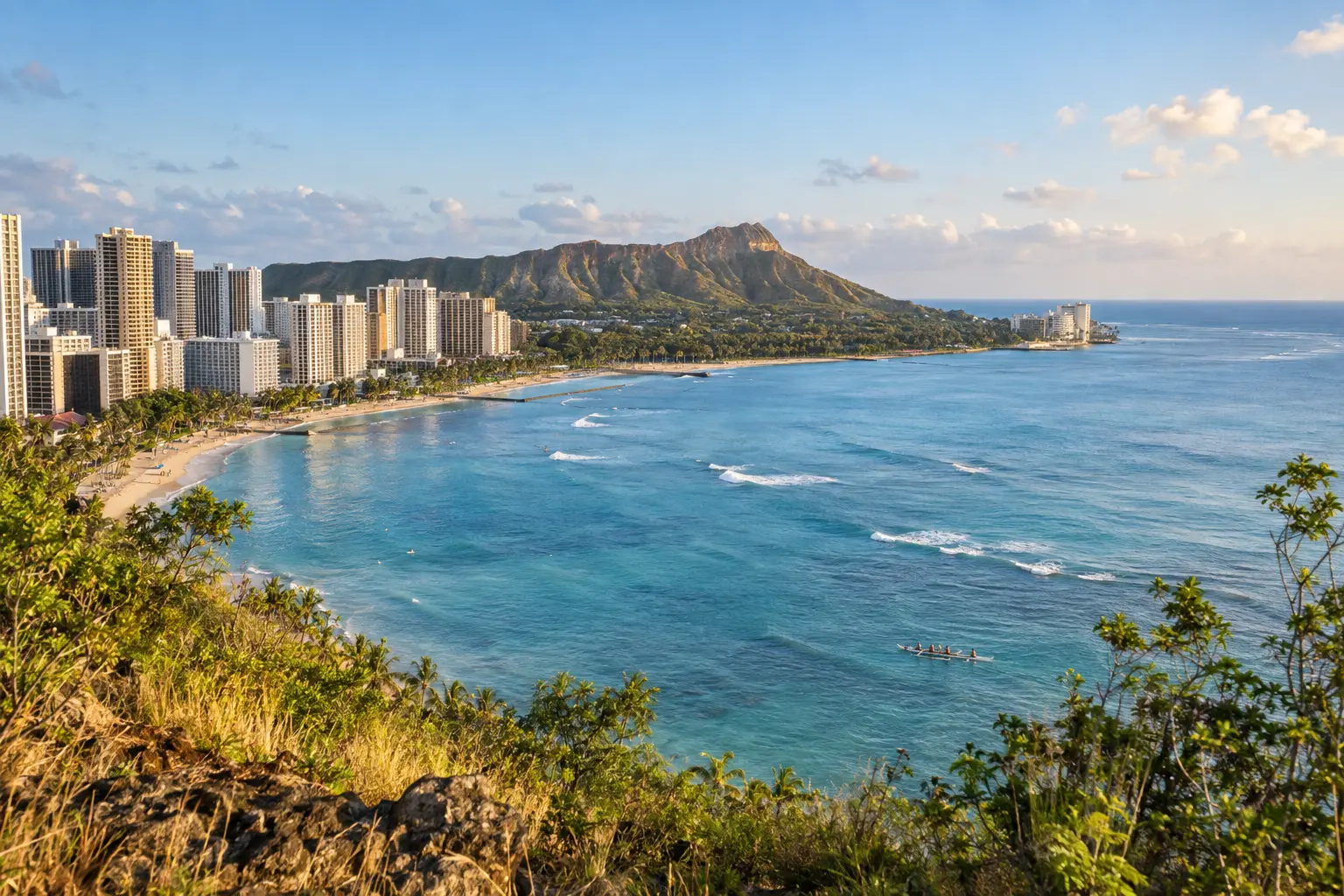
Oʻahu is nicknamed “The Gathering Place,” and it lives up to the name. Most visitors stay in Waikīkī because it places a swimmable beach, restaurants, shops, entertainment, and transportation within a compact area. Waikīkī is busy, commercial, and energetic. That makes it convenient rather than inauthentic. The key is to treat it as one neighborhood on a diverse island, not as the whole of Hawaii.
Honolulu rewards travelers who look beyond the resort blocks. ʻIolani Palace and nearby historic sites introduce the Hawaiian Kingdom and its enduring significance. The Bishop Museum provides deeper cultural and scientific context, while Honolulu Museum of Art and local galleries broaden the trip beyond beaches. Pearl Harbor’s memorial sites require respectful planning; timed programs and security procedures can shape the day, so visitors should verify current rules before arriving.
East of Honolulu, Diamond Head offers a famous view, but nonresident entry and parking are reservation-controlled. The Windward Coast feels greener and more residential, with dramatic Koʻolau cliffs behind communities such as Kailua and Kāneʻohe. Kailua Beach and Lanikai are celebrated for pale sand and turquoise water, yet parking and neighborhood access demand courtesy. Farther north, the Polynesian Cultural Center offers an organized introduction to Pacific island cultures, while the North Shore becomes the center of big-wave surf culture in winter.
Oʻahu’s best beaches depend on season and purpose. Waikīkī is convenient for lessons and people-watching. Ala Moana Beach Park often suits relaxed swimming. Ko Olina’s man-made lagoons appeal to families seeking protected water, although no ocean is condition-proof. Hanauma Bay is renowned for snorkeling but uses a regulated reservation system and weekly closure days to manage use. North Shore beaches can be placid in summer and powerful in winter; visitors should never interpret the presence of other swimmers as proof that conditions are safe.
The food scene is Hawaii’s most varied. Travelers can move from a classic plate lunch or poke counter to Japanese tasting menus, Filipino bakeries, Korean barbecue, Native Hawaiian food, Chinatown restaurants, chef-driven regional cuisine, and waterfront fine dining. Honolulu is also the state’s nightlife center. Waikīkī offers hotel lounges, live music, sunset cocktails, and late-night venues, while neighborhoods such as Chinatown and Kakaʻako add bars, art, and restaurants. Nightlife elsewhere on the island is more localized and often ends earlier.
Popular stays illustrate the island’s range. Halekulani suits travelers seeking refined Waikīkī service and a quieter atmosphere. The Royal Hawaiian provides historic character in the center of the beach scene. The Ritz-Carlton Oʻahu, Turtle Bay places guests on the North Shore with beaches, trails, and resort activities nearby. Four Seasons Resort Oʻahu at Ko Olina combines pools, spa, dining, and a sheltered lagoon setting, while Aulani is built around Disney storytelling and family recreation. These are not interchangeable choices: location can matter more than star rating.
Most Oʻahu visitors should allow five to seven nights, especially on a first trip. A car is unnecessary for every Waikīkī day, but it is valuable for planned island exploration. Rental-car parking at major hotels can be expensive, so a smart itinerary may combine walkable city days, organized excursions, and only a few rental days. Oʻahu’s drawback is density—traffic and crowds are real—but its advantage is unmatched variety.
Maui: Resort Ease, Scenic Drives, and Time to Slow Down
Maui remains one of Hawaii’s most requested islands because it balances resort comfort with varied landscapes. South Maui includes Kīhei, Wailea, and Mākena. Kīhei has condos, casual restaurants, and accessible beaches, while Wailea concentrates luxury resorts, landscaped paths, golf, spas, and polished dining. West Maui includes Kāʻanapali and Kapalua, each with a distinct resort personality. Visitors should approach Lahaina with sensitivity as the community continues its long recovery and follow current local guidance about access, reopened businesses, and respectful behavior.
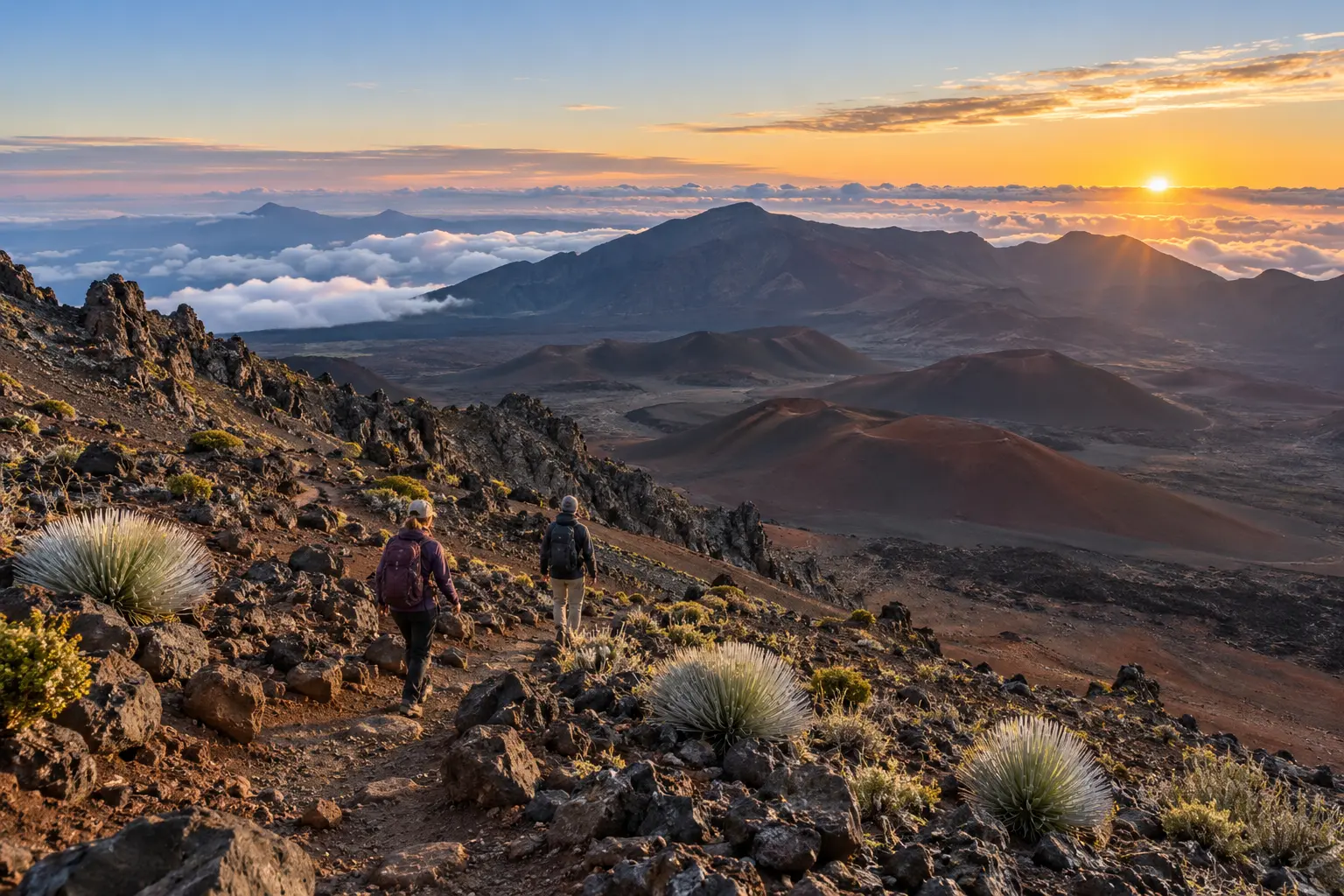
Haleakalā National Park changes the scale of a Maui vacation. The summit rises into a cold, high-elevation environment far removed from the beach. Sunrise entry during the designated early-morning window requires an advance vehicle reservation in addition to park admission. Sunset does not use the same sunrise reservation, but it can still attract crowds. Either experience requires warm layers, weather awareness, and enough sleep to drive safely.
The Road to Hāna is not a checklist race. Its appeal lies in rainforests, coastal views, waterfalls, small communities, and the gradual change in landscape. Starting early, limiting stops to legal and safe areas, and staying overnight near Hāna can transform a tiring out-and-back drive into a meaningful journey. Waiʻānapanapa State Park’s black-sand setting requires advance reservations for nonresidents. Drivers should not trespass, block residents, or stop on narrow roads for a photograph.
Maui’s beach choices include Wailea Beach for a polished resort setting, Kāʻanapali Beach for activity and convenience, Kapalua Bay for a compact crescent, and quieter South Maui stretches whose conditions vary by season. Winter brings seasonal humpback whale watching, while snorkeling and boat trips depart from several harbors. Wind, swell, and visibility can change quickly, so operators may alter routes. Flexible travelers usually have a better experience than those attached to one exact cove.
Dining is part of Maui’s identity. Upcountry farms, local produce, fresh fish, and multicultural influences support everything from roadside snacks and food trucks to resort tasting menus. Pāʻia, Wailuku, Kīhei, Wailea, Kāʻanapali, and Kapalua each create different food circuits. Nightlife is modest compared with Honolulu: expect resort bars, live music, sunset drinks, and a handful of lively venues rather than a large late-night club scene.
Four Seasons Resort Maui at Wailea emphasizes luxury service, pools, beach access, dining, and an evolving spa-and-wellness offering. Grand Wailea is known for an elaborate pool environment and broad family appeal. Fairmont Kea Lani’s all-suite and villa format suits travelers who value extra living space. Andaz Maui offers a contemporary design-forward atmosphere, while Montage Kapalua Bay appeals to guests seeking residential-style accommodations and a quieter northwest setting.
Resort renovation, amenity availability, and construction impacts can change; exact conditions should be checked for the intended dates.
Plan at least six nights for Maui, and seven or eight is better if Hāna, Haleakalā, beach time, and resort relaxation are all priorities. A rental car is highly useful. The island’s common planning mistake is treating every day as a cross-island expedition. Choose a base aligned with the experiences you value, group activities geographically, and leave genuine open time.
Kauaʻi: The Garden Isle for Nature, Romance, and Quiet Evenings
Kauaʻi feels older, greener, and more intimate than the busiest Hawaiian islands. The North Shore centers on Princeville, Hanalei, and the road toward Hāʻena. It delivers mountain views, lush vegetation, beautiful beaches, and frequent rain. The South Shore around Poʻipū is generally sunnier and offers major resorts, vacation rentals, restaurants, and family-friendly access. The East Side around Kapaʻa provides a practical central base, while Līhuʻe is the transportation and commercial hub.
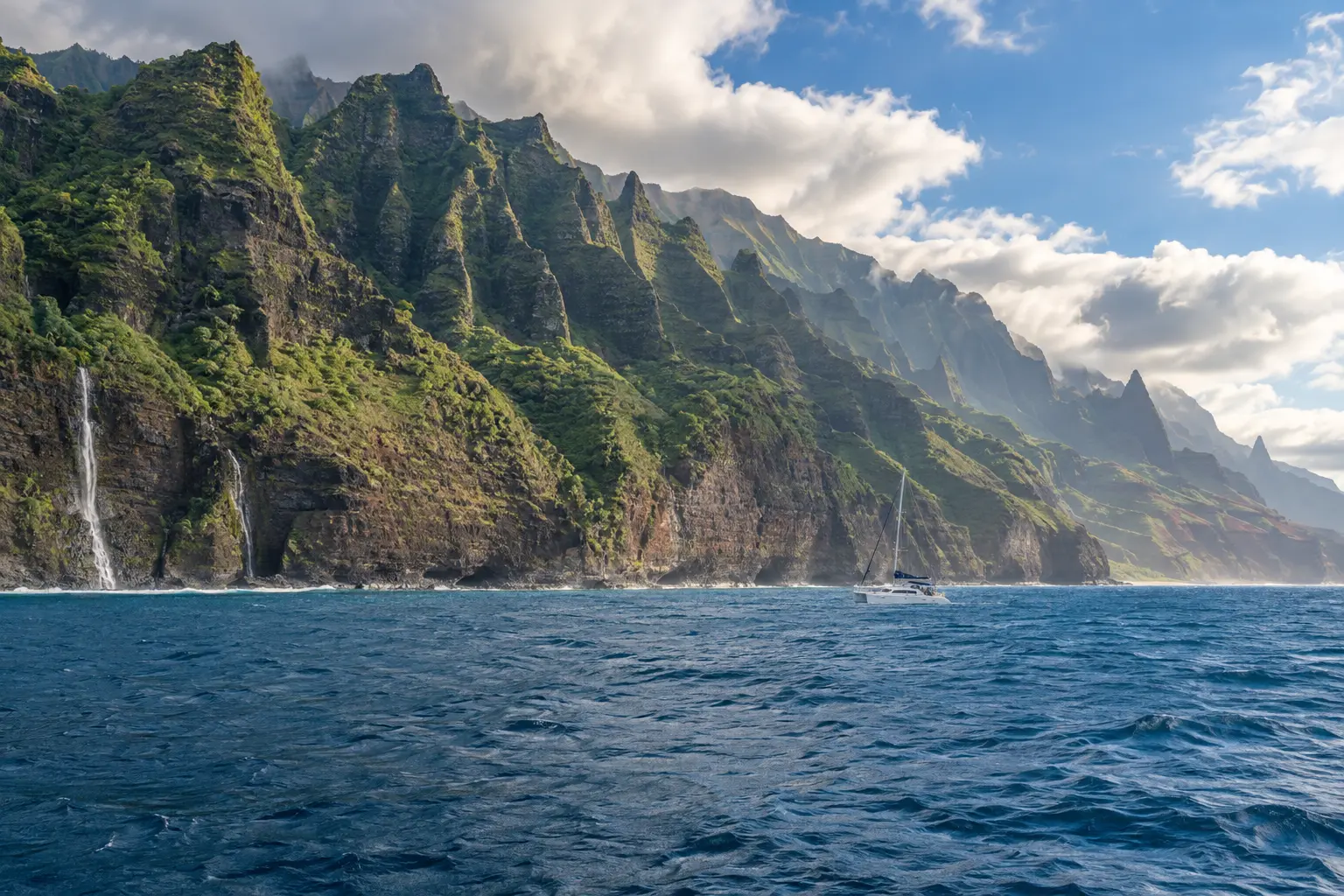
The Nā Pali Coast is the island’s signature landscape, but there is no single “best” way to see it. Boat trips reveal cliffs and sea caves from the water, helicopter tours provide scale from above, and experienced hikers can enter through regulated trail access. Weather and ocean conditions matter. North Shore boat operations are more seasonal, and air tours require acceptance of the inherent risks of small-aircraft sightseeing.
Hāʻena State Park and the Kalalau Trail use a tightly controlled reservation system. Travelers should secure legal access before building a day around the area and should not expect to improvise parking at the last minute. Waimea Canyon and Kōkeʻe State Park provide overlooks, forest trails, and dramatically cooler weather at elevation. Clouds can obscure views later in the day, but conditions change quickly. A layered, flexible plan is better than assuming every overlook will be clear on schedule.
Poʻipū Beach is popular with families and wildlife watchers, though visitors must give resting monk seals and sea turtles generous space. Hanalei Bay can be calm and inviting in summer yet powerful in winter. Keʻe Beach, when legally accessed, is beautiful but affected by swell and currents. Anini can appear protected, but reef channels and wind still demand caution. Kauaʻi’s secluded beaches often lack lifeguards, cell coverage, or immediate help.
Dining has grown more sophisticated without losing its local scale. Food trucks, bakeries, shave ice, farmers markets, fresh fish, and contemporary island restaurants are spread across communities, making a car useful. Nightlife generally means sunset cocktails, resort lounges, brewery stops, and occasional live music. Travelers seeking clubs should choose Oʻahu; travelers who enjoy early mornings, stargazing, and dinner followed by a quiet lanai may love Kauaʻi.
On the North Shore, 1 Hotel Hanalei Bay combines dramatic views with a wellness and sustainability focus. On the South Shore, Grand Hyatt Kauai offers extensive resort grounds, pools, dining, and spa facilities. Koʻa Kea is a smaller oceanfront choice with a more intimate atmosphere, while Koloa Landing provides larger accommodations and a family-oriented pool complex. No property eliminates the island’s driving realities, so choose north, east, or south based on where you expect to spend most days.
Five nights is the minimum for a focused Kauaʻi visit; seven nights provides room for weather changes and slower exploration. A rental car is close to essential. The island’s principal drawback is that one main highway connects many communities, and traffic or road incidents can disrupt ambitious plans. Its reward is an unhurried relationship with land and sea that cannot be reproduced by collecting viewpoints at speed.
Hawaiʻi Island: Volcanoes, Black-Sand Shores, and Vast Contrasts
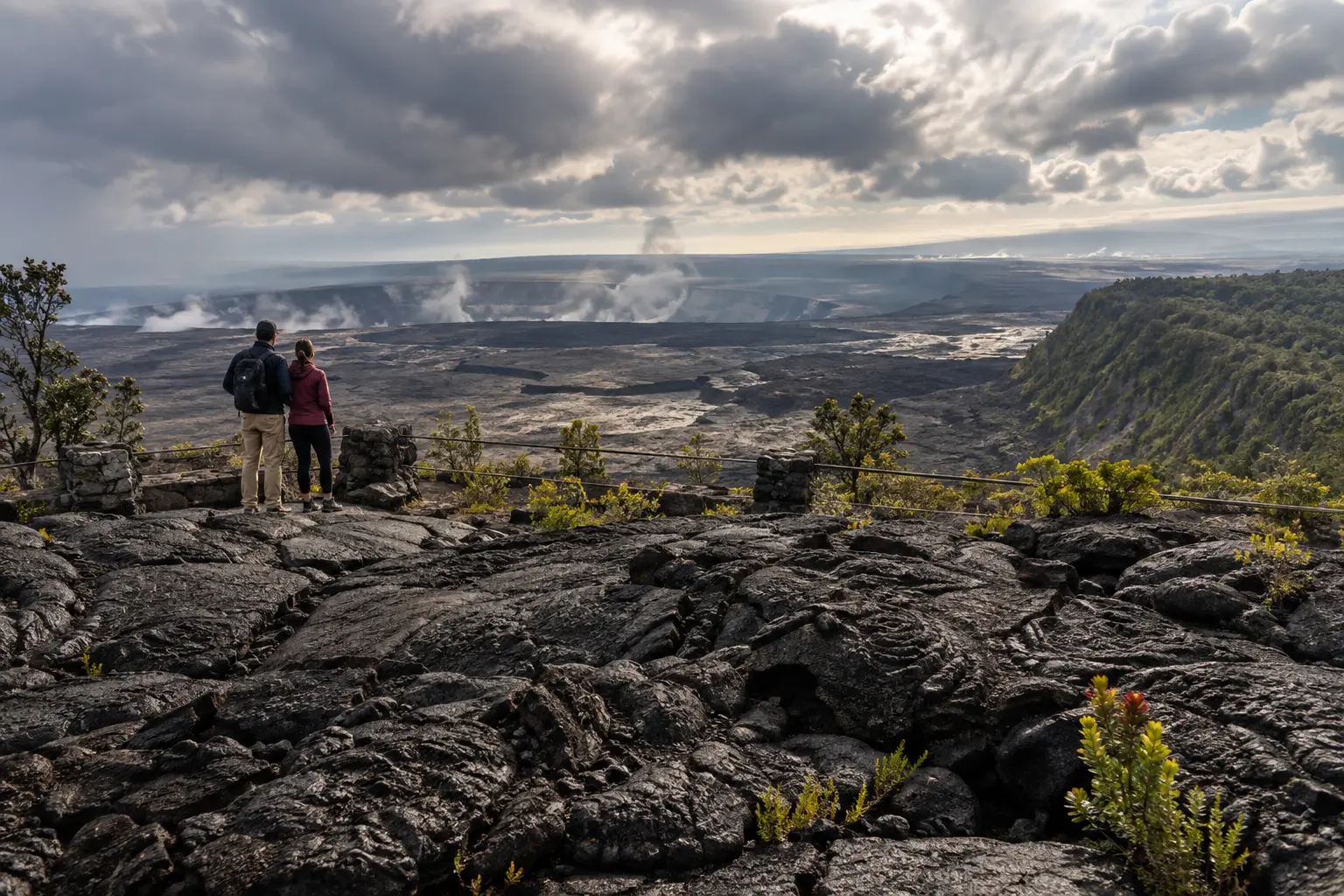
Hawaiʻi Island is so large that it should be planned almost like two destinations. The sunny Kona and Kohala coasts hold most major resorts, beaches, golf courses, and visitor services. Hilo is wetter, greener, and closer to waterfalls and the eastern approach to Hawaiʻi Volcanoes National Park. Between them lie coffee farms, ranch country, high mountains, lava fields, and small communities. Driving from one side to the other takes time, and “Big Island” is not just a nickname.
Hawaiʻi Volcanoes National Park is the island’s defining experience, but volcanic activity is never guaranteed. Kīlauea can change rapidly, and viewing areas, roads, trails, air quality, and eruption status can shift. Visitors should consult the National Park Service and the U.S. Geological Survey’s Hawaiian Volcano Observatory shortly before traveling. Even without visible lava, the park offers craters, steam vents, lava tubes, native forest, petroglyphs, and a road descending toward a stark coastal landscape.
The Kona side adds coffee country, historic places, snorkeling, and ocean excursions. Night snorkeling or diving with manta rays is widely sought after, but choosing a reputable operator, understanding swimming ability requirements, and following wildlife rules are essential. Farther north, the Kohala Coast’s carefully developed resorts sit among black lava fields and small coves. Inland Waimea introduces paniolo ranch heritage and cooler temperatures.
Beaches here defy the stereotypical white-sand image. Punaluʻu is known for black sand and frequently seen sea turtles, which must not be touched or crowded. Papakōlea’s green-sand setting requires a demanding and environmentally sensitive approach; visitors should research legal access and avoid unauthorized vehicle rides across fragile land. Hāpuna is one of the island’s broadest white-sand beaches, while smaller Kohala coves can offer easier resort access. Conditions still change with swell and wind.
Hilo and Kona have the most varied independent dining, with farmers markets, local cafés, Japanese and Filipino influences, seafood, and Hawaii Regional Cuisine. Resort dining is strongest along Kohala. Nightlife is casual: Kona offers waterfront bars and live music, Hilo has community venues, and resorts schedule evening entertainment. The island’s truly distinctive night experience is often above the city lights—stargazing from appropriate, legally accessible areas while respecting closures and sacred landscapes.
Four Seasons Resort Hualālai blends multiple pools, golf, spa, cultural programming, and extensive dining in a polished coastal setting. Mauna Lani, Auberge Resorts Collection emphasizes contemporary luxury and cultural connection. Kona Village, a Rosewood Resort uses standalone hale-style accommodations and a low-rise sense of privacy.
Fairmont Orchid provides a broad resort environment with pools, spa, golf access, dining, and a sheltered ocean cove. These resorts are concentrated far from the national park, which is why a split stay can be more valuable than a marginal room upgrade.
Allow seven nights if possible. A strong plan might combine three nights near Hilo or Volcano with four nights on the Kona or Kohala side. A rental car is essential for most visitors. The tradeoff is distance; the payoff is Hawaii’s widest range of landscapes in one journey.
Lānaʻi: Privacy, Luxury, Wellness, and Rugged Roads
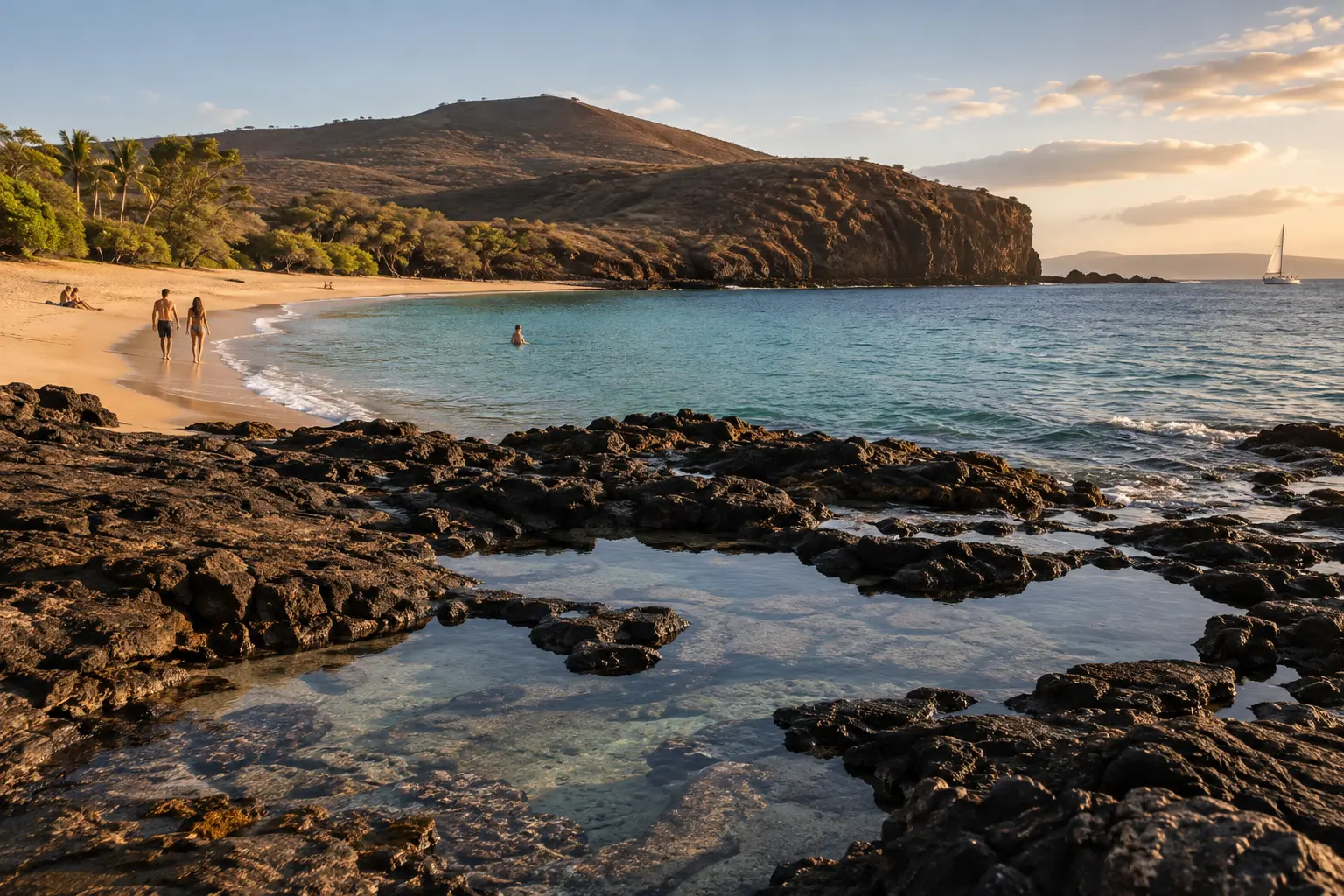
Lānaʻi is small in population but large in contrast. Around Hulopoʻe Bay, Four Seasons Resort Lānaʻi creates a polished oceanfront escape with lagoon-style pools, gardens, spa, dining, golf access, and organized island activities. In the cooler uplands, Sensei Lānaʻi, A Four Seasons Resort is an adults-only wellness retreat built around consultations, fitness and well-being classes, private spa hale, and dining by Nobu. They are two different vacations on the same island.
Beyond the resorts, Lānaʻi City retains a quiet, small-town center. Rugged destinations such as Keahiakawelo and remote beaches may require a four-wheel-drive vehicle, favorable conditions, and experienced judgment. Roads can be rough or temporarily inaccessible. Visitors should never assume a standard rental car—or a resort shuttle—will reach every point marked on a map.
Hulopoʻe Bay is the island’s most convenient beach for many visitors, with a beautiful crescent and access near the oceanfront resort. Sea conditions still matter, and wildlife must be observed from a respectful distance. Other shorelines feel remote precisely because services and rapid assistance are limited.
Dining and nightlife are concentrated at the resorts and in a modest number of Lānaʻi City businesses. Evenings tend toward dinner, cocktails, stargazing, and quiet conversation, not bar-hopping. That limited choice is either the island’s charm or its constraint. Travelers who need spontaneous restaurant variety may feel confined; those seeking privacy may find the simplicity liberating.
Three or four nights works well as an addition to Maui or Oʻahu, while five nights suits a wellness-focused stay. Air service and ferry arrangements can change, so transportation should be confirmed before nonrefundable resort plans. Lānaʻi is best for couples, wellness travelers, golfers, and guests prepared to pay for a highly curated retreat.
Molokaʻi: Community, Cultural Continuity, and a Truly Unhurried Pace
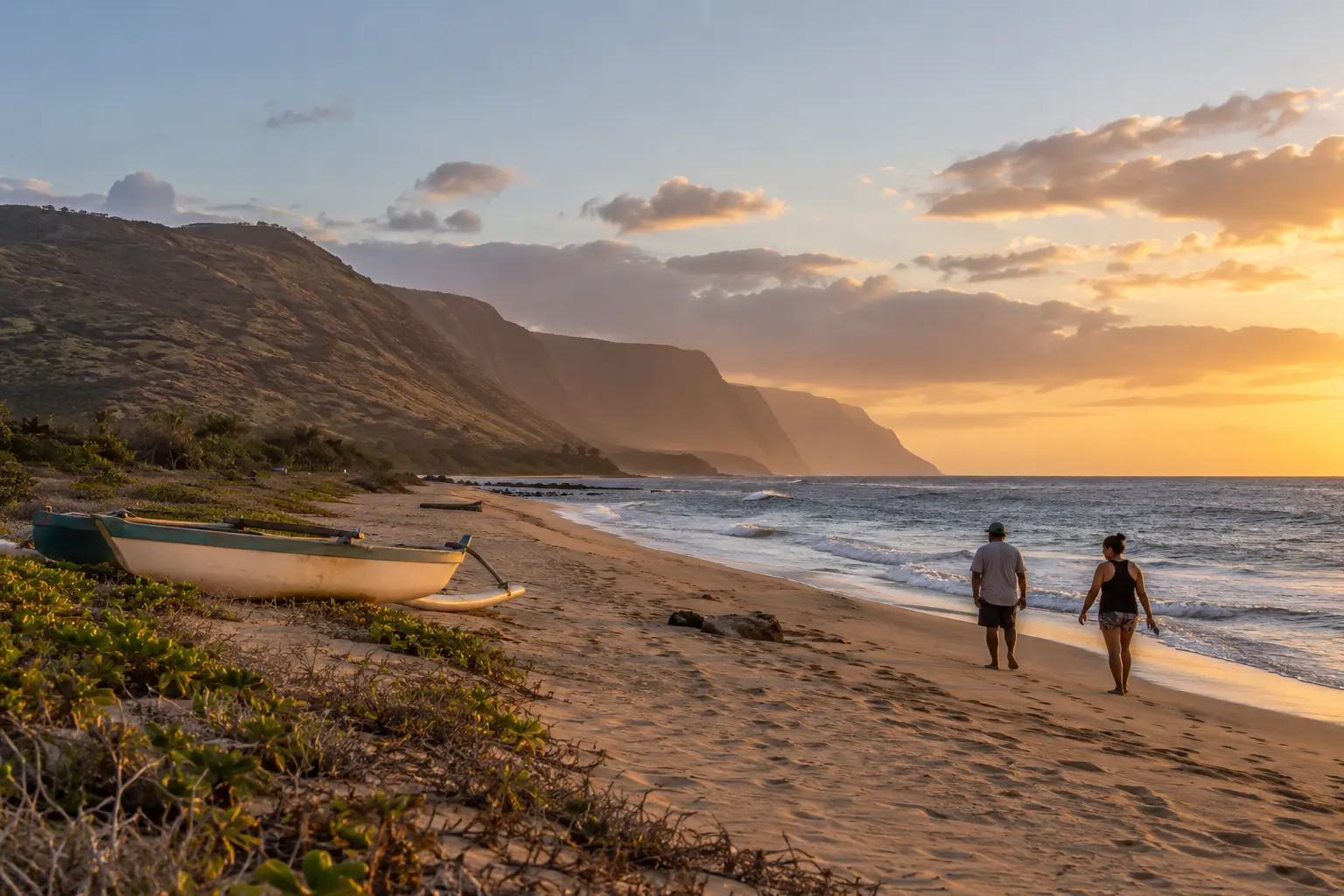
Molokaʻi does not promise a conventional resort vacation. There is no major luxury resort, little nightlife, limited shopping, and fewer organized activities than on neighboring islands. Those facts are not deficiencies to be corrected; they protect the island’s distinct community character. Travelers who come should arrive ready to listen, slow down, support local businesses, and accept that visitor convenience is not the island’s organizing principle.
Kaunakakai is the central hub, with the island’s main harbor and essential services. The West End includes the broad sands of Pāpōhaku Beach and smaller coves. East Molokaʻi becomes greener toward Hālawa Valley, where cultural and hiking experiences should be arranged with legitimate local guides and land access respected. The north coast’s immense sea cliffs are most realistically appreciated through permitted air or boat experiences when conditions allow.
Beaches can be spectacular and empty, but emptiness also means few or no lifeguards. Pāpōhaku’s scale does not guarantee calm water. Snorkeling infrastructure, rentals, restrooms, and food service are not consistently available at remote stops. Carry water, prepare for limited cell service, and turn around when conditions feel uncertain.
Dining emphasizes local cafés, plate lunches, bakeries, small markets, and friendly neighborhood spots rather than destination tasting menus. Hotel Molokaʻi is the best-known full-service lodging base, offering a casual oceanfront atmosphere rather than a self-contained luxury complex. Vacation rentals and smaller accommodations exist, but visitors should confirm that any short-term rental is operating legally.
Plan three to five nights and reserve a rental car early; supply is limited. There is no nonstop service from the continental United States, so connections are part of the trip.
Molokaʻi is right for independent, patient travelers who value cultural context and quiet landscapes. It is wrong for anyone expecting round-the-clock service, a packed attractions list, or a resort to manage every detail.
Hawaiian Culture: Travel With Curiosity and Respect
Hawaiian culture is not an amenity added to a beach vacation. It is the foundation of the place. Native Hawaiian relationships to land, ocean, genealogy, language, and community continue in daily life even when visitors encounter them through museums, music, food, or a resort program. A respectful traveler begins by understanding that the islands are home first and destination second.
Learning a few words helps when meaning accompanies pronunciation. Aloha can express love, compassion, greeting, and farewell; it is deeper than a marketing slogan. Mahalo conveys thanks. Kuleana concerns responsibility and privilege. Mālama means to care for or protect. ʻĀina is often translated as land, but its cultural meaning reflects that which feeds and sustains. Place names deserve careful pronunciation, and the ʻokina and kahakō in written Hawaiian are meaningful marks, not decorative punctuation.
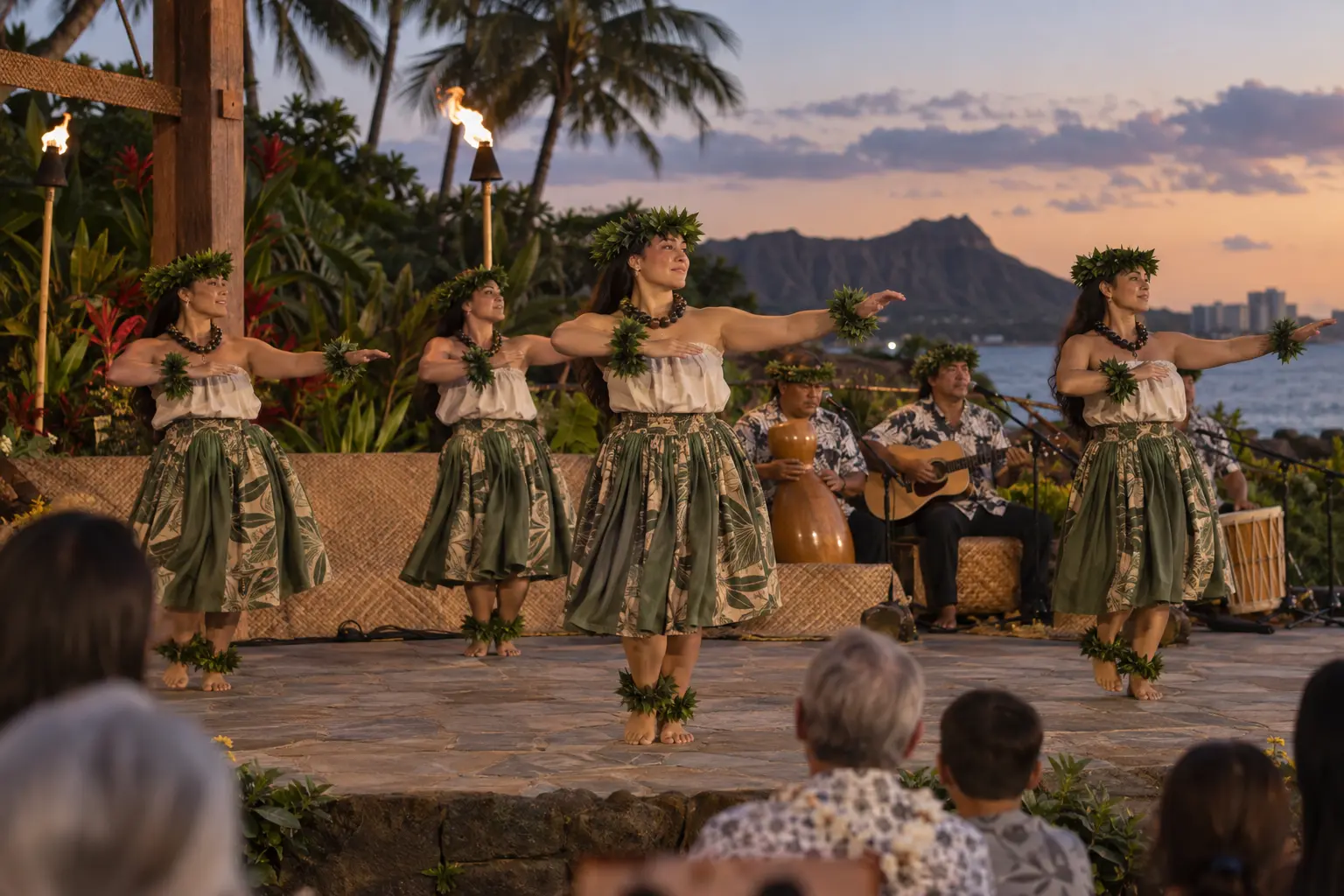
Hula is a practice of storytelling and cultural transmission, not simply an evening show. A thoughtfully interpreted performance can connect chant, movement, history, and place. Visitors can also seek museums, botanical gardens, cultural centers, fishpond restoration projects, lei-making instruction, and guided experiences led by people with genuine community knowledge. Ask who is telling the story, whether the program benefits local practitioners, and whether participation is appropriate.
Respect becomes practical in everyday decisions. Do not stack stones, take lava rock or sand, enter closed trails, climb on sacred structures, or treat burial sites as photo backdrops. Do not touch sea turtles, monk seals, coral, or other wildlife. Fly drones only where legal and culturally appropriate. On residential roads, park legally, keep music low, and avoid blocking driveways. A beautiful social-media image is never worth trespass or damage.
Supporting culture also means directing spending thoughtfully. Choose locally owned restaurants, farmers markets, guides, artists, and shops alongside major resorts. Consider a credible volunteer or stewardship experience when it fits the itinerary, but do not turn service into a performance. The spirit of mālama is ongoing care: using reef-safer practices, reducing waste, respecting water, and leaving each place no worse than you found it.
What to Eat in Hawaii: Local Food, Regional Cuisine, and Dining Strategy
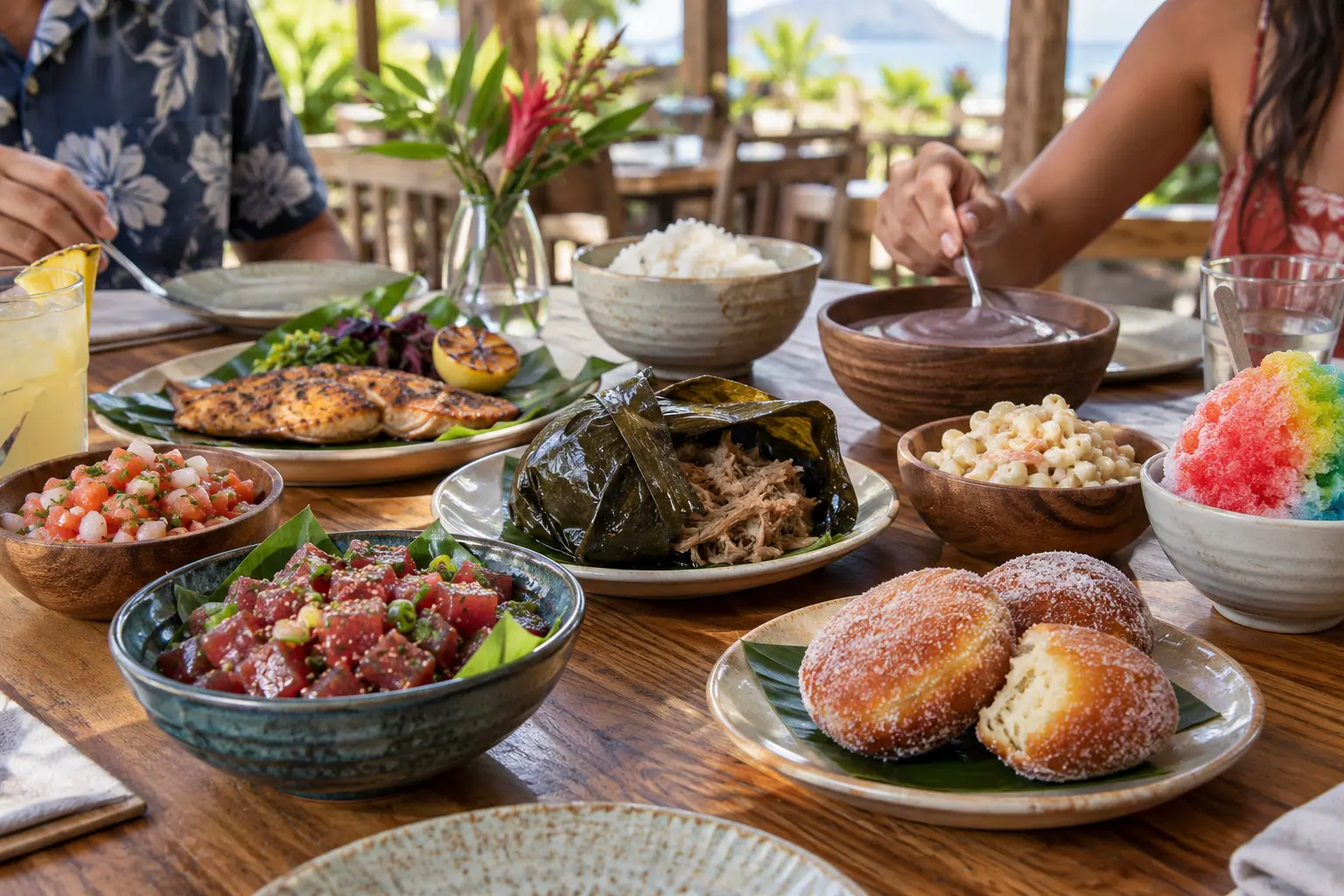
Hawaii’s food tells the story of Native Hawaiian tradition, plantation-era migration, Pacific connections, and contemporary agriculture. A serious dining plan should include more than resort restaurants. Look for poi, laulau, lomi salmon, kālua-style preparations, fresh fish, poke, saimin, manapua, loco moco, plate lunches, malasadas, shave ice, tropical fruit, local coffee, and dishes shaped by Japanese, Chinese, Filipino, Korean, Portuguese, and other communities.
Poke is best understood as a category rather than one fixed recipe. Fish, seasoning, texture, and freshness matter more than an oversized collection of toppings. A plate lunch commonly combines an entrée with rice and macaroni salad, reflecting the practical, multicultural meals associated with plantation labor history. Saimin is a local noodle tradition with many variations. Spam musubi may look simple, but it is part of Hawaii’s everyday food culture. Native Hawaiian food deserves to be sought intentionally, not treated as interchangeable with every dish labeled “island style.”
Oʻahu offers the broadest dining spectrum and the easiest place to build entire days around food. Maui pairs farm products and ocean ingredients with resort dining and strong small-town options. Kauaʻi’s best meals may come from food trucks, bakeries, markets, and chef-owned restaurants scattered around the island. Hawaiʻi Island connects Kona coffee, cacao, ranching, farms, and fisheries. Lānaʻi dining is narrow but polished at its resorts, while Molokaʻi rewards flexible travelers who appreciate limited hours and local simplicity.
Reservations are important at high-demand restaurants, especially during holidays and peak travel weeks. At the same time, an itinerary should leave room for farmers markets, roadside stands, and a promising lunch counter. Check opening days carefully; smaller businesses may close early, sell out, or adjust hours. Resort guests should not assume every property restaurant is open nightly.
Travelers with allergies or dietary needs should communicate before arrival and repeat the conversation on site. Hawaii can be accommodating, but sauces, marinades, shared fryers, and buffet service require questions. Grocery breakfasts or picnic lunches can control costs, but food should never be left in a hot car, and picnics must follow park rules. A balanced dining budget—several casual local meals, one or two special reservations, and strategic groceries—usually creates a richer trip than eating every meal inside the hotel.
Nightlife in Hawaii: Where the Islands Stay Awake
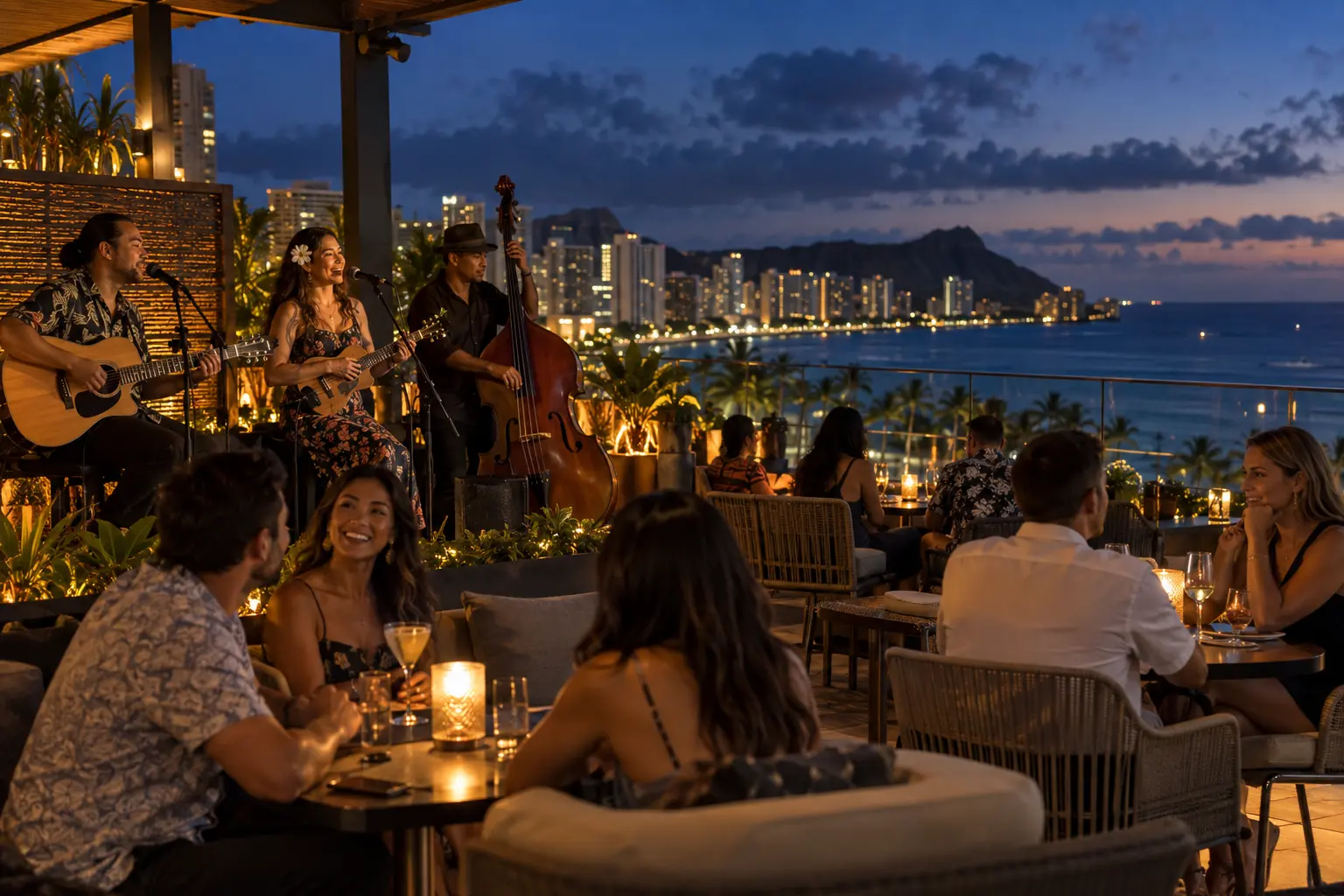
Honolulu is the clear choice for travelers who want a real nightlife component. Waikīkī combines rooftop bars, beachfront lounges, live Hawaiian music, hotel entertainment, comedy, and late-night venues within a walkable visitor district. Chinatown and Kakaʻako add independent bars, restaurants, art events, and a more local urban rhythm. Venue schedules and neighborhood conditions change, so travelers should check current listings and arrange safe transportation rather than improvising after drinking.
Elsewhere, nightlife is more accurately described as evening life. Maui offers sunset cruises, resort lounges, live music, lūʻau programs, and clusters of restaurants and bars in visitor areas. Kauaʻi evenings center on dinner, occasional music, breweries, and resort entertainment. Kona has casual waterfront venues, while Hilo’s events often feel more community based. Lānaʻi is intentionally quiet outside its resorts, and Molokaʻi becomes still early.
A lūʻau can be an enjoyable evening when expectations are clear. Large resort productions combine food, music, dance, and theatrical storytelling; smaller cultural programs may offer more interpretation and intimacy. They are not substitutes for learning Hawaiian history, but a well-produced program can be a meaningful introduction. Compare seating, transportation, menu, alcohol, accessibility, cultural leadership, and cancellation terms—not only the fire-knife finale shown in advertising.
Couples who do not care about clubs still have memorable choices: a sunset dinner, stargazing, a night manta experience with a responsible operator, or live slack-key guitar. Families can choose early evening shows and outdoor events. The central planning truth is simple: if late-night variety is a priority, stay in Honolulu for at least part of the vacation. Do not book a remote resort and then resent the quiet that defines it.
The Best Beaches in Hawaii for Different Travelers
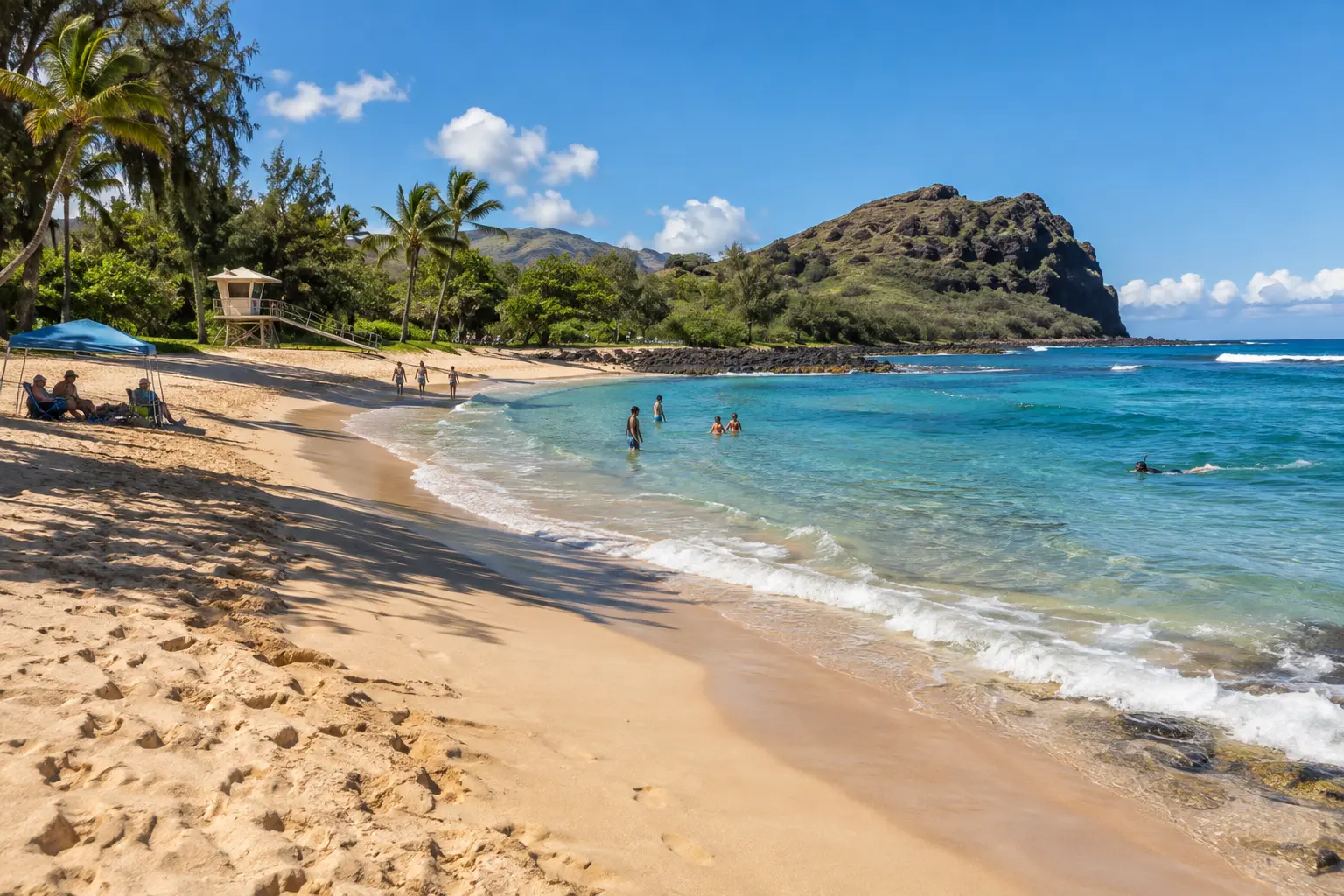
There is no single best beach because Hawaii’s shores change by season, swell, wind, tide, and traveler. Waikīkī works for beginner surf lessons and convenience. Ko Olina’s lagoons suit families who value protected design and nearby facilities. Kailua Beach offers a broad Windward setting, while the North Shore’s famous beaches belong to a powerful ocean system that can shift from approachable summer water to expert-only winter surf.
On Maui, Wailea Beach combines resort service with public shoreline access, Kāʻanapali is lively and activity-rich, Kapalua Bay is compact and scenic, and Mākena feels broader and less enclosed. Kauaʻi’s Poʻipū area provides services and variety, Hanalei Bay delivers one of the islands’ most dramatic mountain backdrops, and Hāʻena-area beaches require planning and respect for controlled access. On Hawaiʻi Island, Hāpuna is a classic broad beach, while black-sand shores reveal the islands’ volcanic origins. Hulopoʻe is Lānaʻi’s signature accessible crescent, and Pāpōhaku shows Molokaʻi at its vast and undeveloped best.
“Best for snorkeling” is especially condition-dependent. Clear photographs do not show currents, surge, channels, seasonal swell, or entry difficulty. Use lifeguarded beaches when possible, read posted signs, ask lifeguards about the day’s hazards, and check official beach-condition resources. If no one else is in the water, pause before assuming you discovered a private paradise. Never turn your back on breaking waves, stand on coral, or enter water beyond your swimming ability.
Public shoreline access is a core part of Hawaii, including in resort areas, but practical access can involve designated paths and limited parking. Follow posted routes and do not cross private property. Reef-friendly behavior includes avoiding contact with coral, securing loose gear, packing out trash, and choosing sun protection practices that reduce harm. Wildlife needs space on land and in water; barriers and volunteer guidance are there for both animals and people.
The wisest beach itinerary stays flexible. Choose two or three candidates near your base, review conditions each morning, and be willing to replace swimming with a shoreline walk or cultural activity. The ocean does not adjust to a prepaid schedule.
Popular Hawaii Resorts and Hotels: Match the Property to the Trip
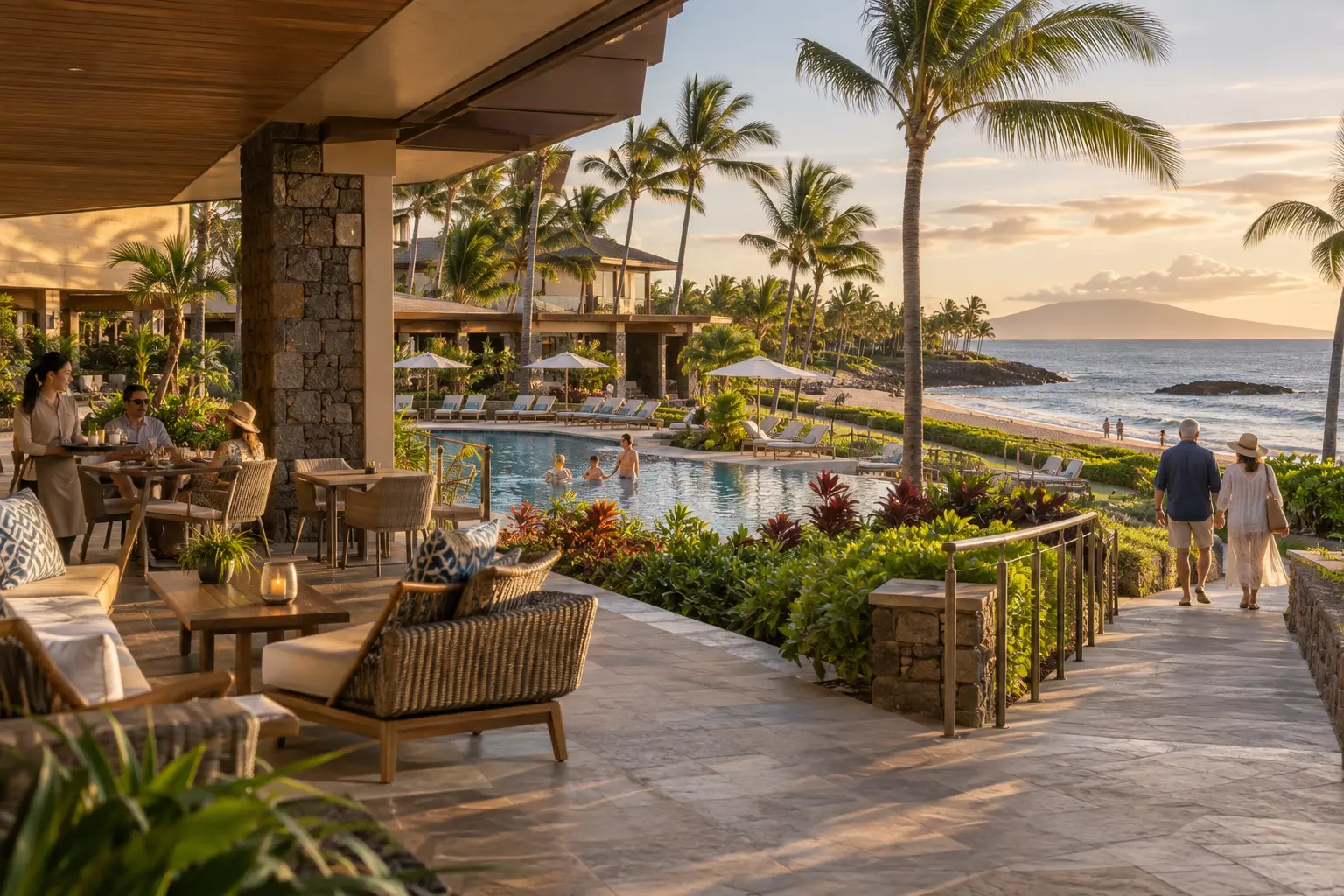
The right hotel is not always the most luxurious hotel. It is the property whose location, room type, atmosphere, and facilities support the trip you want. A Waikīkī tower may be ideal for a first-time visitor who values restaurants and walkability. A Wailea or Kohala resort may suit travelers planning long pool days. A Kauaʻi condo can be more useful than a hotel room for a family that wants a kitchen and laundry. A wellness retreat on Lānaʻi is a poor match for guests who want spontaneous nightlife, no matter how exceptional its service.
On Oʻahu, compare Waikīkī icons such as Halekulani and The Royal Hawaiian with destination resorts including Four Seasons Oʻahu at Ko Olina, Aulani, and The Ritz-Carlton Oʻahu, Turtle Bay. On Maui, compare the service and beach setting of Four Seasons Maui, the family-oriented pool environment of Grand Wailea, Fairmont Kea Lani’s suite format, Andaz Maui’s contemporary energy, and Montage Kapalua Bay’s residential feel. On Kauaʻi, 1 Hotel Hanalei Bay and Grand Hyatt Kauai anchor opposite shores, while Koʻa Kea and Koloa Landing serve different romantic and family priorities.
Hawaiʻi Island’s leading resort choices include Four Seasons Hualālai, Mauna Lani, Kona Village, and Fairmont Orchid. Each sits on the dry western side, useful for sun and resort recreation but distant from the volcano district. Lānaʻi’s oceanfront Four Seasons and upland Sensei retreat are highly specialized, while Molokaʻi’s lodging scene is intentionally modest, with Hotel Molokaʻi as its best-known hotel base.
Before booking, compare room size, bedding, view category, bathroom layout, air conditioning, elevator access, parking, beach conditions, construction, and the walking distance between room and amenities. “Ocean view” may mean a narrow angled view; “oceanfront” usually costs more but still varies by building. Families should confirm occupancy limits and whether a crib or rollaway is permitted. Couples should ask whether an adults-only pool is truly quiet or located beside a busy activity area.
McNellis Travel can compare Hawaii resort options as part of the complete vacation rather than treating the hotel as an isolated purchase. Air schedules, transfers, rental cars, island order, room category, and cancellation terms can change the value of an otherwise appealing rate.
Resort Amenities That Can Change the Value of a Stay
Amenities matter only if travelers will use them. A spectacular water complex adds value for a family spending afternoons at the resort, but little for hikers leaving before sunrise.
An adults-only pool can transform a couples trip. A kitchenette can lower dining costs. On-site laundry may be more useful on a ten-night island-hop than a marble soaking tub.
Common resort features include pools, beach service, fitness centers, spas, cultural activities, children’s clubs, restaurants, valet or self-parking, concierge desks, water-sports equipment, golf access, and scheduled entertainment. Not all are included. Children’s programming may have age limits, fixed sessions, capacity controls, or fees. Beach chairs may be complimentary while cabanas cost extra. Snorkel gear can be included for limited hours or provided through a separate vendor.
Accessibility deserves direct confirmation. Request the exact room feature needed—roll-in shower, transfer space, lowered fixtures, visual alarms, or proximity to elevators—rather than relying on the word “accessible.” Resort grounds can include slopes, sand, long corridors, and shuttle-dependent areas. Travelers with mobility concerns should ask about the full route from room to pool, restaurants, beach access, and transportation pickup.
Wellness amenities range from a basic gym to full programs involving consultations, classes, thermal facilities, and private treatments. A spa on the property does not mean facilities are free to hotel guests. Golf access does not mean green fees or transportation are included. Cultural programming can be complimentary or scheduled only on selected days. Ask for the current activity calendar when the experience is central to the decision.
What Hawaii Resorts Usually Do Not Include
Most Hawaii resorts are not all-inclusive. The room rate commonly excludes many meals, alcohol, parking, spa treatments, excursions, premium seating, cabanas, golf, and off-property transportation. A resort charge may cover a bundle such as Wi-Fi, fitness classes, local calls, reusable water bottles, or limited equipment, but the contents and price can change. Taxes can significantly increase the displayed nightly amount.
Breakfast packages require close reading: they may cover two registered adults but not children, include a credit rather than any menu item, or apply only at one restaurant. Club-level access can offer food and drinks, but it rarely replaces every meal for every travel style. A suite with a kitchen still requires grocery transportation and time.
Airport transfers are not universal. Oʻahu visitors can choose taxis, rideshare, shuttles, private cars, or rental vehicles. Neighbor-island resort transfers may require separate arrangements, and late arrivals can narrow options. Rental-car parking, valet tips, child seats, and one-way fees belong in the budget. On Lānaʻi, resort transportation may be extensive yet still exclude remote exploration. On Molokaʻi, limited rental inventory makes advance planning more important than luxury add-ons.
Request a written list of what is included for the exact rate plan and dates. Promotions, credits, and amenity bundles change. If a benefit influenced the purchase, it should appear in the reservation documents.
Best Time to Visit Hawaii
Hawaii is a year-round destination, but no month guarantees identical weather on every coast. Leeward resort areas are generally drier, while windward valleys and mountains receive more rain. Microclimates can place sunshine and showers within a short drive. Temperatures are warm at sea level, yet Haleakalā, Maunakea-area elevations, and Waimea can be cold enough for serious layers.
Winter brings larger surf to many north-facing shores and seasonal humpback whale activity. Summer often brings calmer conditions to those same coasts, though south swells may affect other beaches. Spring and fall can balance demand and weather, but school breaks, holidays, festivals, and major events create their own peaks. There is no universal “cheap season” that overrides route, hotel, and island.
Travelers should choose dates by priorities. Surfers and spectators may want winter North Shore energy; first-time snorkelers may prefer seasons and coasts with historically calmer patterns. Families are often tied to school calendars and should book early. Honeymooners may value privacy enough to avoid holiday weeks. Anyone planning boat tours should leave schedule flexibility for weather-related cancellations.
Rain is not necessarily a ruined day. It sustains the landscapes visitors came to see and may be highly localized. Build a backup list of museums, cultural sites, shopping, spa time, and restaurants, but never enter flash-flood-prone valleys or streams during heavy rain. Weather apps can miss hyperlocal changes; official alerts and local guidance matter more.
The Real Cost of a Hawaii Vacation
The total cost is shaped by airfare, lodging, taxes, resort charges, parking, rental cars, food, activities, inter-island flights, and travel protection. A lower hotel rate far from planned activities can create higher driving and time costs. A condominium may save on meals but add cleaning fees and stricter cancellation terms. An island-hop adds at least one flight, ground transportation on both sides, baggage handling, and a partial travel day.
Budget first for non-negotiables: suitable flights, safe lodging, ground transportation, and food. Then prioritize the experiences that define the trip. A family may value one resort with a strong pool complex more than multiple paid tours. A couple may choose a simpler room and reserve a Nā Pali boat trip or special dinner. A volcano-focused traveler may split hotels to reduce driving rather than pay for seven nights at one luxury coast.
Food costs can be managed through breakfast groceries, casual local lunches, and selective dinners. Parking and resort charges deserve their own spreadsheet lines because they accumulate quietly. Activity gratuities, baggage fees, seat selection, and pre-trip airport hotels are often forgotten. Never build the plan around an unverified “from” price.
Travel insurance should be evaluated based on the prepaid, nonrefundable exposure and the traveler’s health and risk tolerance. Read covered reasons, exclusions, medical provisions, and timing requirements. A policy is a contract, not a general promise that every cancellation will be reimbursed.
Island Hopping Without Losing the Vacation to Airports
Island hopping sounds effortless because flights are short, but a transfer consumes more than airtime. Check-out, rental-car return, security, boarding, baggage claim, a new vehicle, and check-in can use much of a day. For a seven-night trip, one island usually creates a better vacation. With ten nights, two islands can work well. Three islands generally deserve two weeks or more unless the traveler genuinely enjoys frequent moves.
Choose islands that contrast. Oʻahu plus Kauaʻi combines city energy with nature. Maui plus Hawaiʻi Island pairs resort ease with volcanic scale. A Lānaʻi extension adds seclusion to Maui or Oʻahu. Molokaʻi should be chosen for its own character, not squeezed into a rapid checklist.
Book separate inter-island tickets with conservative timing when they do not share one protected itinerary. Baggage rules and fees vary. Rental cars do not travel between islands, and ferry service is limited rather than a statewide network. Keep medication, identification, and a change of clothes in carry-on baggage.
The best sequence considers nonstop service from the mainland. If one island offers the strongest arrival flight and another provides the easiest route home, an open-jaw plan can avoid backtracking through Honolulu. A Hawaii honeymoon itinerary should also protect unstructured time; romance rarely improves with a dawn flight every third morning.
Hawaii Safety: Ocean Awareness, Driving, Trails, and Personal Security
Hawaii is a domestic destination with established visitor infrastructure, but it is not risk-free. The ocean is the greatest underestimated hazard. Rip currents, shore break, surge, reef, changing swell, and fatigue can challenge strong swimmers. Favor lifeguarded beaches, heed signs, and ask before entering. Snorkeling is physical exertion; do not combine it with poor health, exhaustion, or unfamiliar equipment without instruction.
Sun and heat build quickly, while high elevations bring cold, wind, and thinner air. Hydrate, use effective sun protection, and allow time to acclimate before demanding summit activities. Trails become slick after rain, stream crossings can rise, and cliff edges may be unstable. Stay on legal routes and do not cross barriers for photographs.
Driving requires patience. Do not sightsee from behind the wheel, stop on blind curves, or continue when tired after a long flight or predawn excursion. Rural roads may be narrow and dark, and animals or falling debris can appear. Leave valuables out of sight, lock the vehicle, and avoid leaving luggage in the car at trailheads or beaches.
Standard personal-security habits still apply in Honolulu and resort districts. Watch drinks, use licensed transportation, remain aware at night, and keep hotel doors and balcony access secure. Severe-weather, wildfire, volcanic, and tsunami information should come from official agencies. Conditions change; a travel article cannot replace live alerts.
Responsible Travel and Mālama Hawaiʻi
Responsible travel is not a separate activity scheduled for one morning. It shapes where you stay, how you drive, what you buy, and how you behave. Reduce single-use waste, refill water bottles, respect reef and wildlife rules, and choose legal accommodations. Stay out of closed areas even if older blogs or social posts still promote them.
Spend with local businesses, but do so respectfully. Do not photograph people without permission or treat everyday neighborhoods as themed attractions. Learn before visiting culturally significant sites. Follow guide instructions and acknowledge that some places are not appropriate for unrestricted access.
Hawaii Tourism Authority and GoHawaii promote mālama—caring for the islands through responsible behavior and, where appropriate, stewardship opportunities. Travelers can support conservation, restoration, or community programs vetted by credible local organizations. The purpose is not to earn a reward or stage content. It is to contribute with humility.
Water, housing, roads, and natural sites are shared resources. Choosing a legal rental, limiting unnecessary laundry, accepting timed-entry systems, and traveling outside the most congested hours all reduce pressure. A better visitor experience and community well-being are not opposing goals; thoughtful planning supports both.
Sample Hawaii Itineraries
Seven Nights on Oʻahu for a First Visit
Spend four or five nights in Waikīkī to explore Honolulu, ʻIolani Palace, Bishop Museum, Pearl Harbor, the beach, and the city’s dining scene. Reserve one day for the Windward Coast and another for the North Shore, adjusting beach plans to conditions. Finish with two nights at Ko Olina or the North Shore if resort quiet matters, or remain in Waikīkī to avoid moving hotels. Keep at least one afternoon unscheduled.
Eight Nights on Maui for Couples or Families
Base six nights in Wailea, Kīhei, Kāʻanapali, or Kapalua according to preferred beaches and resort atmosphere. Plan Haleakalā on a day with a light evening before it, explore Upcountry without combining it with a full Road to Hāna drive, and give Hāna one overnight if budget and availability allow. Protect two genuine resort or beach days. Couples can add a special dinner or spa visit; families may prioritize a property whose pools replace several paid activities.
Ten Nights on Kauaʻi and Oʻahu
Begin with four nights in Waikīkī for history, food, and nightlife, then fly to Kauaʻi for six nights. On Kauaʻi, choose one coast as the main base and avoid commuting between north and south every day. Reserve regulated North Shore access in advance, schedule a Nā Pali experience with a weather buffer, and devote one day to Waimea Canyon and Kōkeʻe. This pairing gives first-time travelers a strong contrast without excessive flights.
Twelve Nights on Hawaiʻi Island and Maui
Start with three nights near Volcano or Hilo, continue with four nights on the Kona or Kohala Coast, and finish with five nights on Maui. This sequence combines rainforest, volcanic landscapes, a sunny resort stay, and Maui’s food and beach scene. It is active enough to feel expansive, yet each move has a purpose. Avoid booking a summit, long drive, or boat trip immediately after an inter-island transfer.
Four Nights on Lānaʻi or Molokaʻi as an Extension
Choose Lānaʻi for a highly serviced beach, golf, or wellness retreat. Choose Molokaʻi for independent exploration, limited services, and a community-centered pace. Neither should be treated as a quick interchangeable “quiet island.” Build the extension around transportation availability first, then lodging and activities.
Choosing Your Hawaii Dream
The dream trip is not the itinerary with the most islands, famous beaches, or expensive hotels. It is the one whose pace and place fit the travelers. Oʻahu excels at variety. Maui balances resort comfort with exploration. Kauaʻi rewards nature lovers and quiet evenings. Hawaiʻi Island provides scale and geological wonder. Lānaʻi offers curated seclusion. Molokaʻi asks for patience, independence, and respect.
Start with three decisions: how many nights you have, how much driving you enjoy, and what you want to feel at the end of the trip. Rested? Adventurous? Connected to culture? Pampered? Inspired by landscapes? Those answers narrow the island choice quickly.
Then match the hotel to the daily plan, reserve capacity-controlled experiences, and leave room for weather and discovery. Do not force every headline attraction into one week. Hawaii is better when the itinerary allows a long lunch, a changed beach plan, an unexpected conversation, and an evening with nowhere else to be.
When you are ready, request a personalized Hawaii vacation quote. McNellis Travel can compare islands, flights, resort locations, room categories, transfers, rental cars, and current terms as one complete plan.
Official Hawaii Travel Sources
Because reservations, access rules, resort amenities, ocean conditions, and volcanic activity can change, verify time-sensitive details close to travel. Useful official sources include:
GoHawaii, the official visitor resource of the Hawaiian Islands: https://www.gohawaii.com/
Hawaiʻi Tourism Authority: https://hta.hawaii.gov/
Hawaiʻi Beach Safety: https://hawaiibeachsafety.com/
National Park Service, Haleakalā National Park: https://www.nps.gov/hale/
National Park Service, Hawaiʻi Volcanoes National Park: https://www.nps.gov/havo/
U.S. Geological Survey, Hawaiian Volcano Observatory: https://www.usgs.gov/observatories/hvo
Hawaiʻi State Parks reservation portal: https://gostateparks.hawaii.gov/
Hāʻena State Park reservations and visitor information: https://gohaena.com/